

Processed meats are cheap, tasty, and incredibly convenient, but a growing body of research says they come with a real downside: a higher risk of colorectal (bowel) cancer over time.
Major cancer organizations now say there is no safe amount of processed meat when it comes to cancer risk, and recommend cutting back as much as possible.
What counts as “processed meat”?
Health groups define processed meat as any meat that has been smoked, cured, salted, or preserved with chemical additives like nitrates or nitrites. That can include red meats such as beef and pork, but also some deli turkey and chicken if they contain those preservatives.
Typical processing methods, smoking, curing, or adding nitrites, can create compounds in the meat that damage cells in the gut and may lead to cancerous changes over time. The risk increases the more often and the more you eat.
Why processed meat raises colorectal cancer risk
Large analyses of dozens of studies have consistently linked higher intakes of processed meat with higher rates of colorectal cancer. For example:
- A global review found that every 50 grams of processed meat per day—about one hot dog or a few slices of bacon—was linked to roughly a 16–20% higher risk of colorectal cancer.
- Another recent meta-analysis of 60 prospective studies reported that people who ate the most processed meat had about a 21% higher risk of colorectal cancer compared with those who ate the least.
In 2015, the World Health Organization’s International Agency for Research on Cancer (IARC) went so far as to classify processed meat as “carcinogenic to humans,” the same top category used for tobacco and asbestos, based on sufficient evidence that it causes colorectal cancer.
Scientists point to several mechanisms behind that higher risk:
- Heme iron, the red pigment in meat, can irritate the lining of the gut and promote the formation of potentially cancer-causing compounds.
- Nitrates and nitrites, added to many processed meats, can convert into nitrosamines and related chemicals that are known carcinogens.
- High-temperature cooking, such as grilling, pan-frying, or barbecuing, can form heterocyclic amines and polycyclic aromatic hydrocarbons, chemicals that can damage DNA.
Over years or decades, repeated exposure to these compounds can raise the odds that abnormal cells in the colon or rectum become cancerous.
You may want to read: Deadly Diseases That Mimic IBS
Six common processed meats linked to higher risk

Not all processed products are equal, but these six categories show up again and again in research on colorectal cancer.
Bacon:
Bacon is a concern because it is often cured with nitrites and smoked, which can create multiple carcinogenic compounds over time. Typical examples include pork bacon strips, turkey bacon, and flavored bacon bits.
Hot dogs and sausages:
Hot dogs and sausages are highly processed and frequently contain nitrites, smoke flavoring, and high levels of salt, all of which are linked to higher colorectal cancer risk with regular intake. Common examples include hot dogs, frankfurters, bratwurst, and breakfast sausage links and patties.
Ham and deli cold cuts:
Ham and many deli meats are commonly cured, salted, or smoked and preserved with nitrates or nitrites, which can form cancer-causing compounds in the body. Examples include sliced ham, bologna, salami, pastrami, mortadella, and generic “luncheon meat.”
Pepperoni and other pizza meats:
Pepperoni and similar meats are intensely cured and often high in fat, salt, and nitrites, making them a notable source of processed-meat exposure. Typical examples are pepperoni, salami, chorizo, and soppressata used on pizza or sandwiches.
Save this article
Corned beef and beef jerky:
Corned beef and beef jerky are preserved with salt and often nitrites, and may be smoked or dried at high temperatures, which can increase the formation of harmful compounds. Examples include canned corned beef, corned beef brisket, and packaged jerky sticks and strips.
Processed turkey and chicken slices:
Processed turkey and chicken slices are often marketed as “lighter” options, but many still rely on nitrites or similar preservatives, so they are not risk-free. Examples include packaged sliced turkey or chicken breast and some “low-fat” deli meats.
Health organizations stress that the pattern of eating matters: an occasional hot dog at a summer cookout is different from processed meat appearing on your plate every day. Still, they recommend limiting these products as much as possible and not assuming “poultry” versions are automatically safe if they are processed.
How much is too much?
There is no single line that suddenly makes processed meat “safe,” and many cancer experts now say there may be no risk-free amount. Instead, risk rises gradually as intake goes up.
Key points from recent reports:
- The World Cancer Research Fund and American Institute for Cancer Research report that each 50-gram daily serving of processed meat is tied to about a 16% higher colorectal cancer risk.
- Newer analyses continue to find that those who eat the most processed meat have 15–25% higher risk of colorectal or colon cancer than those who eat the least.
- Some experts argue that because the evidence is consistent and the risk is dose-related, the safest approach is to avoid processed meat as much as you reasonably can.
By contrast, diets that include plenty of whole grains, fiber, and plant foods, like beans, fruits, and vegetables, are associated with a lower colorectal cancer risk. One analysis cited by cancer researchers found that eating about three servings of whole grains a day was linked to a roughly 17% lower risk of colorectal cancer.
You may want to read: 13 Ways To Get More Fiber In Your Diet That You Might Actually Follow
Ways to cut back without giving up flavor
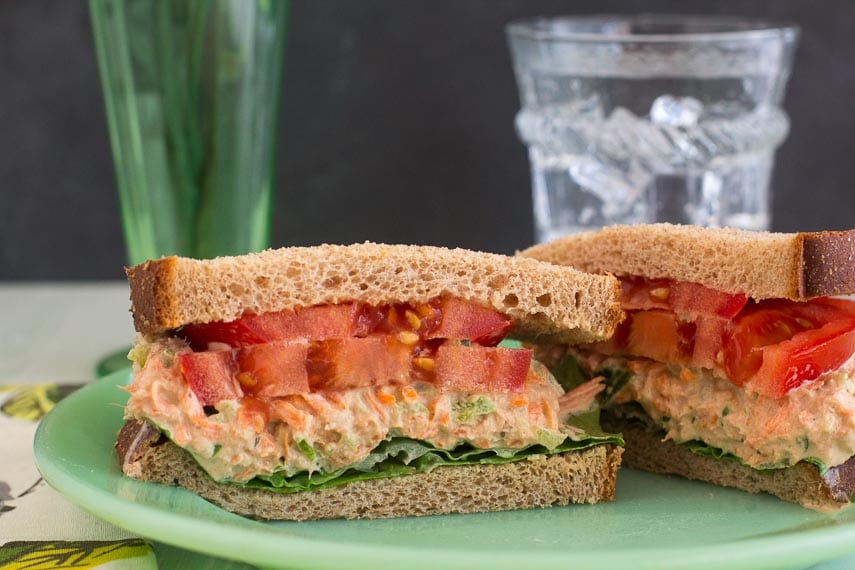
If processed meat is a regular part of your routine, small shifts can meaningfully reduce risk over time.
Consider these swaps:
- Use fresh or frozen poultry, fish, or lean cuts of beef or pork that have not been smoked, cured, or preserved with nitrites.
- Replace deli slices with home-cooked chicken or turkey breast, roasted pork loin, or seasoned tofu for sandwiches and salads.
- Flavor meals with herbs, spices, and vegetables—such as mushrooms, onions, and peppers—instead of bacon bits or processed sausage.
- Choose bean-based meals (like chili or burrito bowls) more often; beans and other legumes are linked to better colon health.
- Read labels and look for products without added nitrates or nitrites, keeping in mind that even “natural” sources like celery powder still act as preservatives.
For example, swapping a daily ham sandwich for a roasted chicken and veggie wrap most days of the week can significantly lower your long-term exposure to the compounds that raise colorectal cancer risk.
The bottom line
Colorectal cancer is one of the most common cancers in the United States, and a notable share of cases is considered potentially preventable through changes in diet and lifestyle. While genetics, age, and other factors also play a role, health organizations are clear: keeping processed meat to a minimum is a practical step you can control.
If you love these foods, you do not have to be perfect—but cutting back, choosing less-processed alternatives, and building more plant-forward meals into your week can lower your risk over time. If you have questions about your personal risk, family history, or screening tests like colonoscopy, talk with your healthcare provider.
You may want to read:
- Differentiating IBS from Colon Cancer: Symptoms and Diagnosis
- 12 Early Warning Signs of Colorectal Cancer You Shouldn’t Ignore
- Colorectal Cancer Rising Among Millennials and Gen Z: 5 Essential Ways to Protect Yourself
Like our content? Be sure to follow us on Newsbreak.





