

Frozen foods often get dismissed as less nutritious or overly processed, but that reputation does not match reality anymore. Modern freezing methods lock in freshness quickly, often preserving flavor and nutrients better than produce that spends days in transit. For busy households, frozen options also reduce food waste and make balanced meals easier to pull together.
“Frozen fruits and vegetables can be just as nutritious as fresh, and in some cases even more so,” says Dr. Christopher Gardner, a nutrition scientist at Stanford University. He points out that freezing happens at peak ripeness, when nutrient levels are highest. That makes frozen foods worth a second look, not as a backup choice, but as a smart and practical one.
Frozen Produce Can Match or Beat Fresh Nutrition

The belief that frozen produce is nutritionally inferior is not supported by evidence. A vitamin retention study in the National Library of Medicine examined frozen corn, carrots, broccoli, spinach, peas, green beans, strawberries, and blueberries. It found that their nutrient levels were comparable to, and sometimes higher than, those of fresh produce.
Time is the main factor. Research from the USDA and the University of California shows that fresh produce stored in home refrigerators for five days can lose more nutrients than produce flash frozen shortly after harvest.
Tufts University nutrition experts summarize this clearly: frozen fruits and vegetables are at least as nutritious as fresh, and sometimes better preserved than items sitting in the fridge.
Quick Freezing Locks In Peak Ripeness

Frozen vegetables are typically harvested at peak ripeness, briefly blanched, and flash frozen within hours. This process halts enzyme activity and sharply slows nutrient loss. A study in ScienceDirect using vitamin C as a marker found frozen peas, broccoli, green beans, and carrots retained nutrient levels similar to fresh produce.
Dietitians describe freezing as a biological pause. Fresh produce peaks for only a few days, while frozen produce holds that peak for months by slowing enzymatic reactions and degradation.
Frozen Foods Help Cut Food Waste and Save Money

Food waste undermines both budgets and nutrition. Shoppers rely on frozen foods because they last longer, spoil less, and still meet expectations for taste and health. USDA data estimate that nearly one-third of fresh produce purchased by households is wasted.
Frozen fruits and vegetables reduce this loss by offering a long shelf life without rapid nutrient decline. Market analyses increasingly position frozen foods as a sustainability tool, helping households stretch budgets and discard less food.
The Frozen Aisle Is Quietly Getting Healthier

The frozen aisle has evolved beyond traditional TV dinners. U.S. sales data show growth as brands shift toward meals built around vegetables, whole grains, and lean proteins. A 2023 survey cited by the Specialty Food Association found that 38 percent of more than 1,700 shoppers are core frozen food users.
Among these consumers, 66 percent actively seek better-for-you options, and nearly 94 percent plan to buy the same or more frozen foods. The American Frozen Food Institute notes that modern frozen foods are often frozen at peak freshness and designed to deliver quality nutrition.
Frozen Meals Can Be Built In Portion Control

Save this article
Portion control is a practical advantage of frozen meals. Dietitians note that thoughtfully selected frozen entrées provide predictable calories and balanced macronutrients. They often do so more reliably than restaurant meals or takeout. Newer premium frozen bowls frequently include vegetables, whole grains, and lean proteins.
Sodium remains a concern. Some frozen dinners exceed 1,000 milligrams per serving, close to half a day’s recommended limit. Label reading is essential if frozen meals are used regularly.
Frozen Foods Support Variety and Global Flavors

Frozen foods make dietary variety easier. Freezer aisles now offer globally inspired meals and vegetable blends that allow people to rotate cuisines without specialty shopping or extensive prep. This variety supports higher plant intake and broader nutrient exposure.
Shoppers see frozen foods as a way to access restaurant-style meals at home with minimal effort. Frozen options also allow low-risk experimentation with unfamiliar ingredients like farro or edamame.
Frozen Foods Still Have Nutrition Traps to Watch
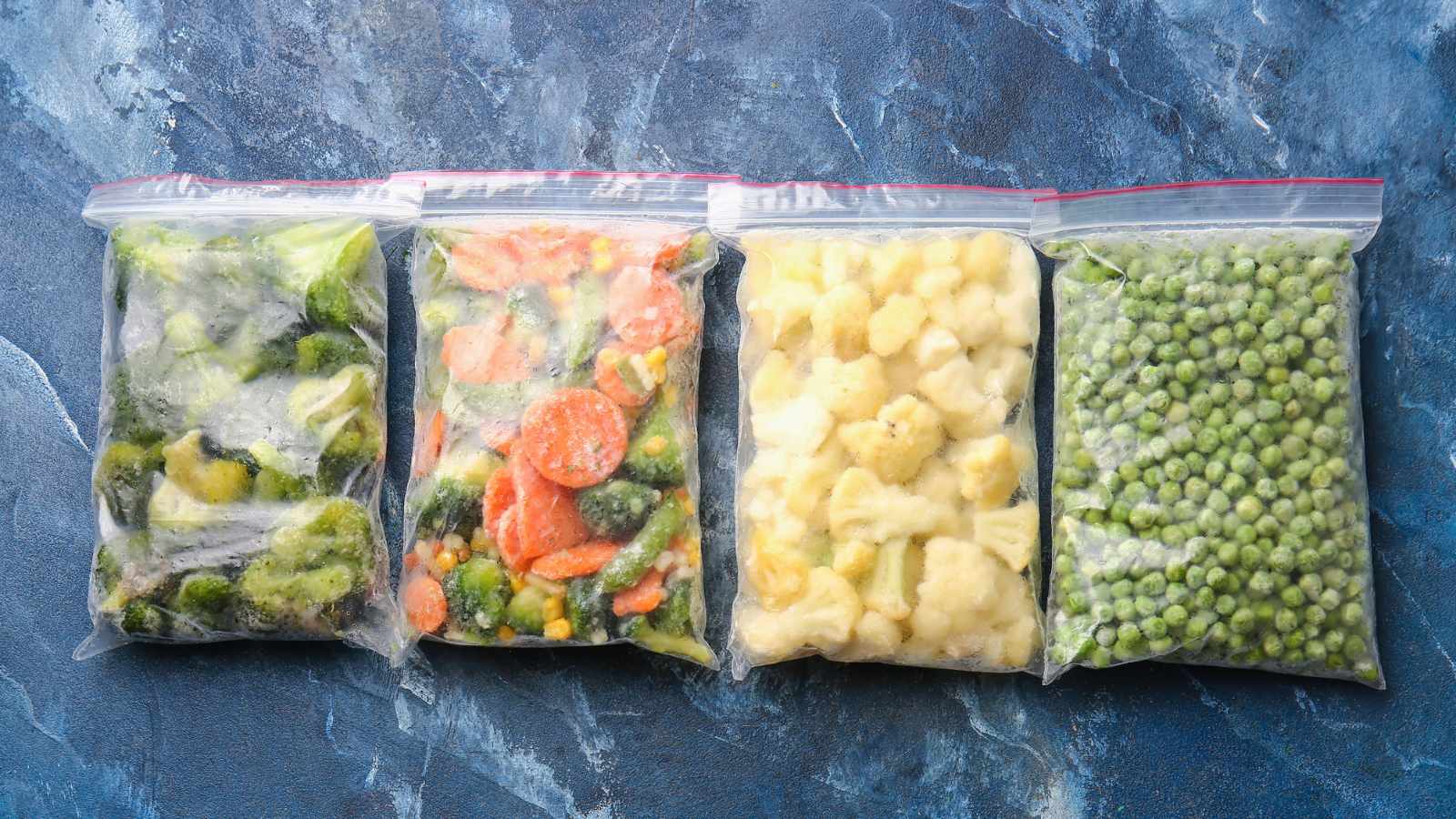
Not all frozen foods are nutritionally equal. Items like pot pies, corn dogs, and some pizzas are high in saturated fat, refined carbohydrates, and sodium while offering few beneficial nutrients. Sodium is the most consistent concern.
Dietitians recommend choosing frozen foods with short ingredient lists, visible vegetables, and less than about 600 milligrams of sodium per serving. Pairing frozen entrées with additional vegetables can help balance meals.
Consumers Still Underestimate How Healthy Frozen Can Be

Despite strong evidence, skepticism remains. A 2025 study in the British Food Journal found that concerns about freshness and nutrition drive resistance to frozen foods and even negative word of mouth. Many consumers do not believe frozen options can match fresh nutrition.
The study also found that credible education about nutrient retention and affordability improves perceptions. In practice, frozen foods can be as close to farm-to-table as refrigerated produce, even if outdated stigma persists.
Key Takeaway

Frozen foods are not a nutritional compromise. When chosen carefully, they preserve nutrients, reduce food waste, support variety, and simplify balanced eating.
The freezer is not a fallback option, but a reliable extension of the produce aisle that holds food at peak quality until it is needed.
Disclosure: This article was developed with the assistance of AI and was subsequently reviewed, revised, and approved by our editorial team.
Disclaimer – This list is solely the author’s opinion based on research and publicly available information. It is not intended to be professional advice.
Like our content? Be sure to follow us





