

Every generation has foods that instantly transport them back in time. Sometimes it takes only the sight of a familiar label, the sound of a can opener, or the smell of a favorite snack to bring back memories of family dinners, after-school treats, and weekend gatherings.
For many Americans, especially those who grew up during the mid-to-late twentieth century, the pantry looked very different than it does today. Convenience foods, canned goods, boxed mixes, and ready-to-eat snacks were celebrated as modern innovations that made everyday life easier and more affordable.
While changing tastes and growing interest in fresh ingredients have transformed grocery shelves, many of these products remain powerful symbols of a particular era in American life. Some are still sold today, while others have largely faded from kitchens and grocery carts.
Here are 15 pantry staples that once seemed to be in every home—and still spark plenty of nostalgia decades later.
Velveeta
Nothing could beat the perfectly smooth melt of that big orange block when it was time to make a dip or a grilled sandwich. It was the secret ingredient in the best mac and cheese, providing a creamy texture that real cheddar simply could not match. We always had a box tucked away in the cupboard, ready for an impromptu neighborhood gathering.
Official company records indicate that over 1.5 billion pounds of this processed cheese product have been sold since it became a household name. It allowed home cooks to create professional-level sauces without worrying about the cheese breaking or becoming oily. It remains the undisputed king of the backyard party snack and the late-night kitchen raid.
Tang
When we watched the moon landing on our grainy television sets, we wanted to drink exactly what the heroes in space were sipping. This orange-flavored powder transformed plain tap water into a futuristic beverage that felt like a special treat for every kid on the block.
Since its launch, Tang has become a global brand with over 1 billion dollars in annual sales across multiple international markets. It proved that a simple powdered mix could capture the nation’s imagination and become a staple in every kitchen cabinet. For many, that tangy citrus scent is a direct ticket back to the excitement of the late nineteen-sixties.
Swanson TV Dinners
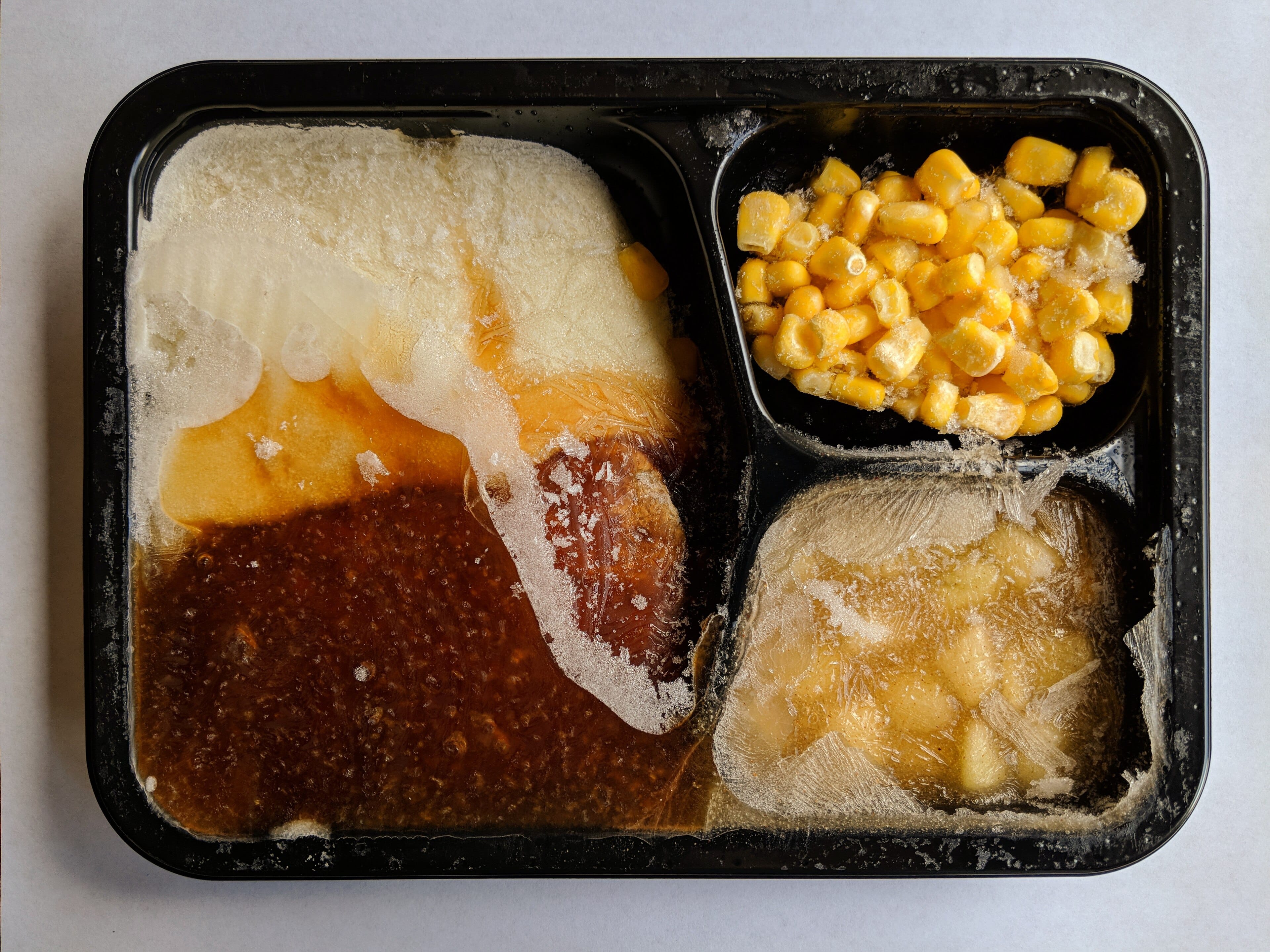
The introduction of the aluminum tray changed the way we spent our evenings, allowing us to eat in front of our favorite programs. We would carefully peel back the foil to reveal partitioned sections of turkey, mashed potatoes, and a small portion of peas. It was the first true taste of high-tech convenience, freeing up time for busy parents and hungry children alike.
In the first full year of national distribution, Swanson sold over 10 million units of these pre-packaged meals to eager American families. It was a revolution in the kitchen that forever altered our nightly routines and the way we thought about quick breakfasts or dinners.
SPAM
Whether it was sliced thin and fried for a sandwich or cubed into a heavy casserole, this canned meat was a constant presence. It was a reliable source of protein that could survive in the pantry for years without losing its signature salty flavor.
For families on the go, it was the go-to solution for a quick meal that everyone in the house would actually eat. According to Fox, more than 9 billion cans of this product have been sold worldwide since its debut.
Expert chef and food historian Andrew Smith notes that “Spam became an essential part of the American diet during and after the war years.” It remains a polarizing but undeniably iconic part of the mid-century culinary experience.
The Jell-O Salad Phenomenon
No family gathering in the sixties was complete without a wobbling, neon colored masterpiece sitting right in the center of the table. We would marvel at the suspended bits of fruit or marshmallows trapped inside the translucent layers of cherry or lime gelatin.
It was a dish that defied the laws of traditional cooking and brought a bit of theater to every holiday meal. Research into mid-century trends shows that gelatin sales peaked during this era, as it became a symbol of modern, efficient home management.
This versatile treat proved that a colorful dessert did not need a high budget to impress the neighbors at a local potluck. It remains a jiggly reminder of a time when food was as much about visual presentation as about taste.
Wonder Bread
We all remember the primary colored balloons on the plastic bag and the incredibly soft texture of a fresh white slice. It was the foundation for every peanut butter and jelly sandwich, touted as the loaf that helped build strong bodies in twelve ways.
Squishing a piece into a tiny ball before eating it was a rite of passage for every school-aged child. By the mid twentieth century, Wonder Bread was found in nearly 95% of American households as the standard for sandwich making.
It represented the purity and consistency that modern manufacturing promised to provide to every growing family in the suburbs. Even today, the sight of that logo can trigger a wave of nostalgia for the simple lunches of our youth.
Campbell’s Tomato Soup
On a cold or rainy day, there was nothing more comforting than a steaming bowl of red served alongside a buttery grilled cheese. This soup was a reliable friend that required nothing more than a can opener and a little bit of milk or water.
It was the ultimate liquid hug that could make any bad day feel just a little bit better for a weary student. The company reports that it sells over 85 million cans of this variety in the United States every year.
It is a testament to the enduring power of a simple, well-made product that has not changed much over the past century. For many, that iconic red-and-white label is the most recognizable image in the entire grocery store.
Ritz Crackers
These buttery, salty discs were the height of sophistication when paired with a simple slice of cheddar cheese or a dollop of tuna. They had a signature crunch and a rich flavor that made them feel like a step up from the standard saltine. We would often find them served on a tray when the grown-ups were having guests over for a weekend visit.
Save this article
Since their introduction in 1934, Ritz has maintained its position as the world’s number one cracker brand for several decades. They were a versatile tool for any host who needed to throw together a quick appetizer without a complex recipe. Those golden crackers were silent witnesses to countless living-room chats and neighborhood parties.
Shake ‘N Bake Chicken
Before this cardboard box arrived, frying chicken was a messy, time-consuming process that often left the entire kitchen coated in oil. The introduction of this simple coating changed everything, turning a routine chore into a fun activity.
Families loved the ritual of placing the meat into a plastic bag and shaking it until every inch was perfectly coated in seasoned crumbs. This innovation allowed parents to serve a crispy, oven-baked meal that tasted as if it had come straight from a professional kitchen, without the hassle of a deep fryer.
The famous catchphrase about “helping” to cook became a staple of American television commercials for a decade, cementing the product’s place in the cultural zeitgeist.
Pop-Tarts

The arrival of a fruit-filled pastry that could be heated in seconds revolutionized the way we handled our busy mornings. We would wait impatiently for the silver foil to pop up so we could grab the hot, frosted edges without burning our fingers. It was the first time breakfast felt more like a dessert than a nutritional requirement for the day.
When they first hit the shelves in 1964, the initial shipment sold out nationwide in just two weeks. This overwhelming demand showed that people were hungry for a fun, portable option that did not involve a frying pan. They remain a beloved guilty pleasure that connects us to those hurried mornings before the school bus arrived.
Kool-Aid
Nothing tasted better after a long day of playing tag in the sun than a glass of ice-cold, sugar-laden fruit punch. We would watch the colorful crystals dissolve into the pitcher, creating a vibrant liquid that would invariably stain our upper lips.
It was the official sponsor of every summer vacation and the primary fuel for our backyard adventures. The brand has sold over 500 million gallons of the drink mix annually, cementing its place as a cultural icon of the American childhood.
It was a cheap and easy way to keep a whole crowd of kids happy without spending a fortune on bottled sodas. The smiling pitcher crashing through walls became a symbol of the high-energy fun we all craved.
Hamburger Helper
In the early seventies, a helping hand arrived in the kitchen to make a pound of meat go a lot further for the family. We loved the creamy sauces and the funny four-fingered glove mascot that promised a delicious meal in just a few minutes.
It was the ultimate solution for a busy weeknight when everyone was rushing between homework and chores. It proved that a tasty dinner did not need a complex recipe to satisfy a hungry crowd of kids and adults. For many, the scent of the cheeseburger macaroni variety is the true aroma of a suburban childhood.
Key Takeaway
The classic food staples of the boomer era were more than just fuel; they were the emotional anchors of a rapidly changing world. By revisiting these flavors, we can reconnect with the joy of a simpler time and the shared experiences that shaped our lives. These tastes remind us that the best memories are often served on a dinner plate.
- 10 fruits that may help reduce visceral fat
- Top 12 Nutrient-Dense Spring Fruits and Vegetables to Boost Your Health Naturally
- The hidden role of saturated fats in metabolic health
12 Eating Habits That Increase the Risk of Liver Cancer

Research increasingly links modern eating habits, from sugary drinks to ultra-processed foods, with the rising global burden of liver cancer.
Liver cancer, mostly hepatocellular carcinoma (HCC), is one of the deadliest cancers, with over 850,000 new cases diagnosed annually worldwide. Learn more.
12 foods that may be making your hair thinner over time

When the body runs low on nutrients, hair is one of the first systems it stops prioritizing.
We often blame hair products or genetics for thinning hair, but the real culprit may be what’s on your plate. Hair health starts from within, and if you’re not fueling your body with the right nutrients, your hair may suffer the consequences. Learn more.
You might be eating too much protein, here’s what it can do to your body

Protein is often seen as one of the safest ways to improve your diet. But more isn’t always better.
It plays an essential role in muscle repair, metabolism, and overall health. That’s part of why many people are increasing their intake, especially through supplements and high-protein foods. But in some cases, consistently consuming large amounts can put added strain on the body, particularly the kidneys. Learn more.





