Millions of people are asking artificial intelligence what to eat for breakfast, how much protein they need and whether tonight’s dinner fits their goals—but a convincing answer isn’t necessarily a nutritionally sound one.
The question became especially timely after NFL quarterback Fernando Mendoza recently described using ChatGPT to help him follow the nutrition plan developed for him by his team when he’s away from the Raiders’ facility. That’s a very different use of AI from asking a chatbot to invent an entire diet from scratch. And that distinction may be the most important part of the story.
AI can be useful at translating a plan into real life
Imagine a registered dietitian has recommended a certain eating pattern. The difficult part often comes later. What can you order at an airport? What can you make with what’s in the refrigerator? What foods contain similar amounts of protein? How can you turn general nutrition goals into a grocery list?
Those are the kinds of logistical tasks AI can potentially make easier. In Mendoza’s case, the underlying nutritional framework reportedly comes from the team’s professional nutrition program. AI helps him apply that framework when he isn’t at the facility. That’s closer to using AI as an organizer than as a doctor or dietitian.
The danger comes when the chatbot becomes the expert
AI systems can produce remarkably authoritative-sounding answers. They can also be wrong. Nutritional requirements vary with age, sex, body size, physical activity, pregnancy, medical conditions, medications and individual goals.
An elite athlete training for professional football has very different energy and recovery requirements from someone working at a desk and walking three times a week. Even athletes don’t simply need endless protein. MedlinePlus notes that athletic performance depends on adequate overall calories, carbohydrates, fluids, vitamins, minerals and protein.
A good diet isn’t a single nutrient
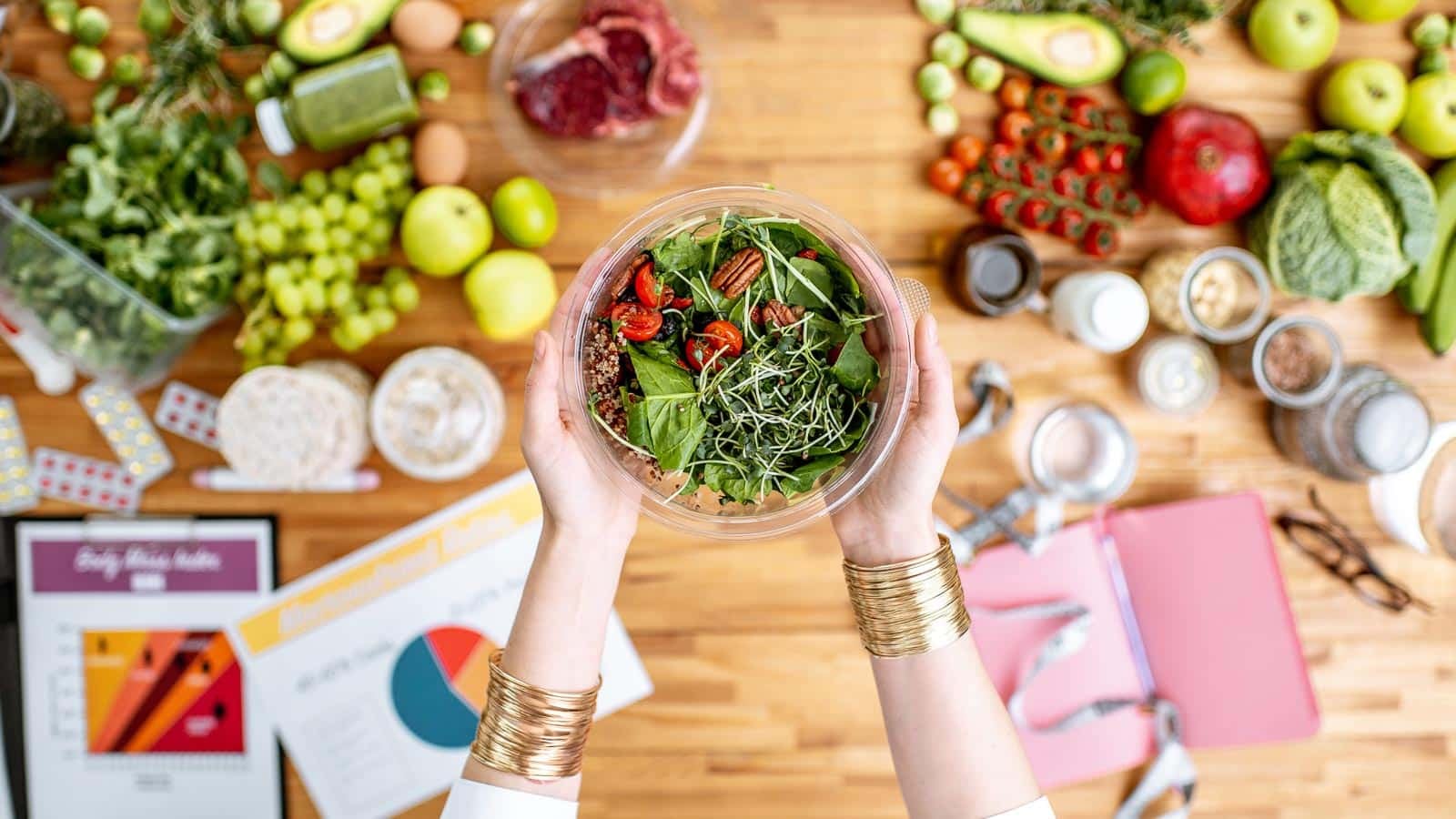
Online nutrition trends have a habit of reducing food to whichever nutrient is fashionable. Protein is having that moment now. But a healthy eating pattern also needs fiber, vitamins, minerals, essential fats and sufficient energy.
Save this article
USDA MyPlate guidance emphasizes variety across fruits, vegetables, grains, protein foods and dairy or fortified alternatives. An AI-generated meal plan that hits a protein target while neglecting everything else isn’t necessarily a good plan.
Medical conditions raise the stakes
Generic nutrition advice becomes more problematic when someone has kidney disease, diabetes, an eating disorder, food allergies, gastrointestinal disease or another medical condition. The same is true for people taking medications affected by particular foods or nutrients. In those circumstances, a personalized recommendation from a qualified clinician or registered dietitian matters far more than a chatbot’s ability to assemble an appealing menu.
The safest model may be human first, AI second
There’s an emerging way to think about AI and nutrition that avoids both extremes. You don’t have to assume AI is useless. You also don’t have to outsource your health decisions to it.
A dietitian or medical professional can establish the important parameters. AI can then help with implementation: recipes, substitutions, meal ideas, grocery planning or ways to adapt the plan when traveling. In other words, AI may be better at answering “How can I do this?” than “What should I medically be doing?” That’s a meaningful distinction as more people begin using conversational AI as an everyday health tool.
The technology is exceptionally good at making information feel personalized. The challenge is remembering that personalization and medical expertise aren’t the same thing.
Would you trust AI to help plan your meals if a dietitian had already established the nutritional rules it needed to follow?