Choosing what to eat can feel overwhelming, but nutritionists often agree that certain foods deliver far more value than others. These nutrient-packed options supply vitamins, minerals, fiber, and protective compounds that support the body from head to toe. Instead of chasing trends, many experts encourage focusing on foods that offer the biggest nutritional return per bite, making everyday meals work harder for long-term health.
As registered dietitian Maya Feller has said, “The most nutrient-dense foods provide multiple essential nutrients at once and support overall wellness, not just one health goal.” Research supports this, showing that diets rich in whole, nutrient-dense foods are linked to lower risks of heart disease, diabetes, and obesity. By prioritizing nutrient-dense foods, people can improve energy, immunity, and metabolic health without relying on restrictive eating patterns.
Dark leafy greens (kale, spinach, collards)

On nutrient density scales like the Aggregate Nutrient Density Index developed by Dr. Joel Fuhrman, leafy greens score between 800 and 1,000, a near mathematical ceiling. These rankings are based on data from the U.S. Department of Agriculture’s nutrient database, which catalogs vitamins, minerals, and phytochemicals per calorie.
A single cup of cooked kale delivers more than a full day’s vitamin K, alongside large shares of vitamins A and C, folate, calcium, and fiber. Harvard T.H. Chan School of Public Health notes that the antioxidant compounds in greens are linked with lower inflammation and reduced risk of cardiovascular disease and certain cancers.
Fatty fish (salmon, sardines, mackerel)

Few foods combine density and biological impact like oily fish. Dietary guidance from the Harvard T.H. Chan School of Public Health highlights salmon, sardines, anchovies, trout, and mackerel as nutrient-rich seafood choices. These fish pair complete protein with EPA and DHA omega-3 fats, vitamin D, vitamin B12, selenium, and iodine
Large cohort analyses summarized by Harvard show that replacing red meat with fatty fish improves lipid profiles and lowers cardiovascular risk. Calorie for calorie, these fish deliver nutrients that are otherwise difficult to obtain in meaningful amounts from plant foods alone.
Shellfish (oysters, mussels, clams)

Nutrient density analyses published in the journal PLOS ONE rank bivalves among the most micronutrient-rich foods in the human diet. Using USDA nutrient data, the paper places oysters and clams near the very top for vitamins and minerals per calorie.
Just a few oysters can provide several times the daily requirement for vitamin B12 and zinc, along with iron, selenium, and modest omega-3 content. The authors describe them as nutritional outliers, compact enough to function almost like a natural multivitamin.
Liver and organ meats

When researchers compare foods gram for gram, organ meats tend to dominate the charts. Reviews drawing on United States Department of Agriculture composition data consistently rank beef liver as one of the most nutrient-dense foods available. It is rich in vitamin A, vitamin B12, riboflavin, folate, iron, and copper.
Clinical nutrition texts caution moderation, largely because vitamin A levels are so high. Even small portions can dramatically raise intake of nutrients that many diets lack, which is why liver appears frequently in therapeutic diets despite its unfashionable reputation.
Eggs

Eggs have been called nature’s nearly complete package by nutrition scientists for decades. According to nutrient profiles maintained by the United States Department of Agriculture, a whole egg contains high-quality protein and choline. It also provides B vitamins, selenium, and small amounts of most essential micronutrients.
The National Institutes of Health highlights choline as critical for brain and liver function, noting that egg yolks are one of the richest sources in the food supply. Removing the yolk strips away most of the vitamins A, D, E, and K, as well as choline.
Berries (blueberries, strawberries, raspberries)
Save this article
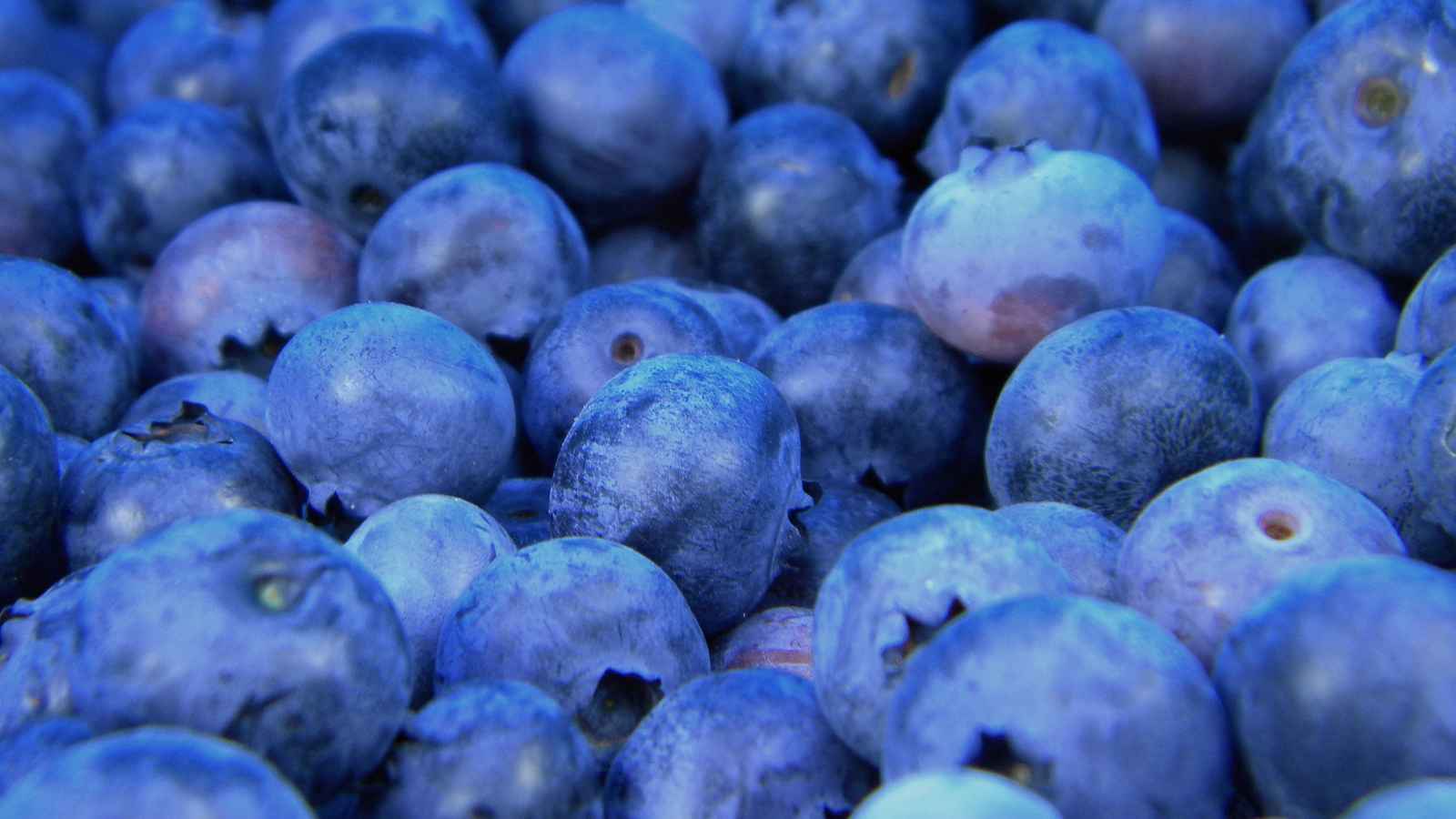
Berries appear again and again in dietary guidance because they provide fiber, vitamin C, and polyphenols while having a relatively low energy density. The American Heart Association cites berries as core components of heart-healthy eating patterns.
Long-running cohort studies summarized by Harvard T.H. Chan associate regular berry intake with healthier cardiovascular markers and slower cognitive decline. Their anthocyanins give color to the fruit and biological activity to the data.
Cruciferous vegetables (broccoli, Brussels sprouts, cabbage)

Cruciferous vegetables are nutritional workhorses. According to analyses published by the National Cancer Institute, broccoli, Brussels sprouts, cabbage, and cauliflower are rich in fiber and vitamin C. They also provide folate and sulfur-containing compounds such as glucosinolates.
Harvard’s nutrition guidance emphasizes sulforaphane, a breakdown product of these compounds, for its role in activating cellular detoxification pathways. Calorie for calorie, crucifers deliver a blend of vitamins and protective phytochemicals that few foods match.
Nuts and seeds (walnuts, chia, almonds)

Nuts and seeds compress energy, but they also compress nutrients. Data from the USDA show that walnuts, chia seeds, almonds, and sunflower seeds pack healthy fats, plant protein, fiber, magnesium, and vitamin E into small servings.
The National Lipid Association points to walnuts, chia, and flax as leading plant sources of alpha linolenic acid, a precursor of omega-3 fat. Almonds and sunflower seeds stand out for their vitamin E and magnesium content, two nutrients commonly underconsumed.
Legumes (lentils, chickpeas, black beans)

Legumes occupy a rare intersection of affordability and density. Nutrient databases used by the United States Department of Agriculture and the World Health Organization indicate that beans and lentils provide fiber and plant protein. They also provide iron, magnesium, potassium, and B vitamins at low caloric cost.
Dietary pattern analyses cited by the World Health Organization link regular legume consumption with lower LDL cholesterol and improved glycemic control. They also associate legume intake with a reduced risk of type 2 diabetes and heart disease, making a few foods work as hard for as little money as possible.
Sweet potatoes and other richly colored carb vegetables

Deep-orange vegetables such as sweet potatoes and winter squash earn high marks on nutrient-density lists compiled by university nutrition departments. These include departments at Johns Hopkins University and the University of California.
According to USDA data, a medium sweet potato with the skin provides large amounts of beta carotene, vitamin C, potassium, and fiber. These foods offer complex carbohydrates alongside micronutrients, reframing carbohydrates not as empty calories but as delivery vehicles for vitamins.
Key Takeaway

Across institutions and nutrient ranking systems, the same message emerges. A relatively small group of whole foods delivers an outsized return in vitamins, minerals, and protective compounds per calorie consumed.
Building meals around these foods is less about chasing superfood myths. It is more about aligning daily eating with what nutrition science repeatedly finds hardest to beat.
Disclaimer – This list is solely the author’s opinion based on research and publicly available information. It is not intended to be professional advice.
Like our content? Be sure to follow us.