Most household appliances don’t die dramatically. They don’t announce their exit. They quietly lose efficiency, cost you more in energy, and then fail at the worst possible moment during a heat wave, a holiday, or when repair technicians are booked for weeks.
According to the U.S. Department of Energy, aging appliances can use 20–50% more energy than newer models, even when they appear to be working normally.
Consumer reliability data also show a clear pattern: once major appliances reach the 8–12-year range, repair frequency and repair cost rise sharply, often exceeding the replacement value.
That’s where the 10-Year Rule comes in. Replacing certain appliances before they fail isn’t wasteful; it’s financially strategic.
Here are 11 household appliances experts say you should strongly consider replacing before the 10-year mark and why waiting often costs more.
Water heater

Water heaters rarely fail gracefully. According to industry standards and guidelines, traditional tank water heaters last 8–12 years, with internal corrosion building long before leaks appear.
Sediment buildup reduces efficiency, increases heating time, and strains internal components. When failure happens, it’s often catastrophic, flooding garages, basements, or utility rooms.
Replacing a water heater proactively allows homeowners to upgrade efficiency, choose tankless options, and avoid water damage that insurance may not fully cover.
Refrigerator

Your fridge runs 24/7 more than any other appliance. The ENERGY STAR program reports that refrigerators older than 10 years can use up to twice as much electricity as modern high-efficiency models.
Older compressors work harder to maintain temperature, increasing wear. A sudden failure doesn’t just mean repair costs; it often means spoiled food, lost medications, and emergency replacement pricing.
Washing machine

Washers typically last 10–14 years, varying by type, usage, and maintenance. Newer ENERGY STAR models use far less water and energy, often justifying replacement over fixes for cost savings.
Top-load washers average 14 years, while front-loaders last 10–12 years under normal use. Premium brands like Miele can reach 20 years of care.
ENERGY STAR washers use 30% less water (14 vs. 20 gallons per load) and 20% less energy than standard models, slashing utility bills for modern ones that consume 75% less water than 20-year-old units. This makes upgrades smarter long-term.
Dishwasher

Dishwashers wear out quietly. According to ENERGY STAR, dishwashers manufactured before modern efficiency standards use significantly more water and electricity per cycle.
By year 10, seals harden, pumps weaken, and electronics fail. Leaks are common and often go unnoticed until cabinets or flooring are damaged.
Dryer

Dryers seem simple until they aren’t. The U.S. Fire Administration once reported that older dryers account for thousands of house fires due to overheated components and lint buildup.
After 10 years, heating elements, thermostats, and motors degrade. Replacing a dryer early improves safety, efficiency, and drying performance.
Microwave

Microwaves typically last 7–10 years, even though many keep running for much longer. The Food and Drug Administration notes that older microwaves may experience door-seal degradation, reducing containment efficiency.
Performance decline often shows up as uneven heating, which isn’t just inconvenient but can impact food safety.
Save this article
Garbage disposal

Garbage disposals work in harsh conditions, such as moisture, food waste, and constant friction.
Sources like Bob Vila and InterNACHI confirm the 8–15-year range (averaging 10–12), shortened by heavy use or poor maintenance. A failing disposal can leak under the sink, damaging cabinetry and flooring before anyone notices.
Hvac thermostat (Especially smart models)
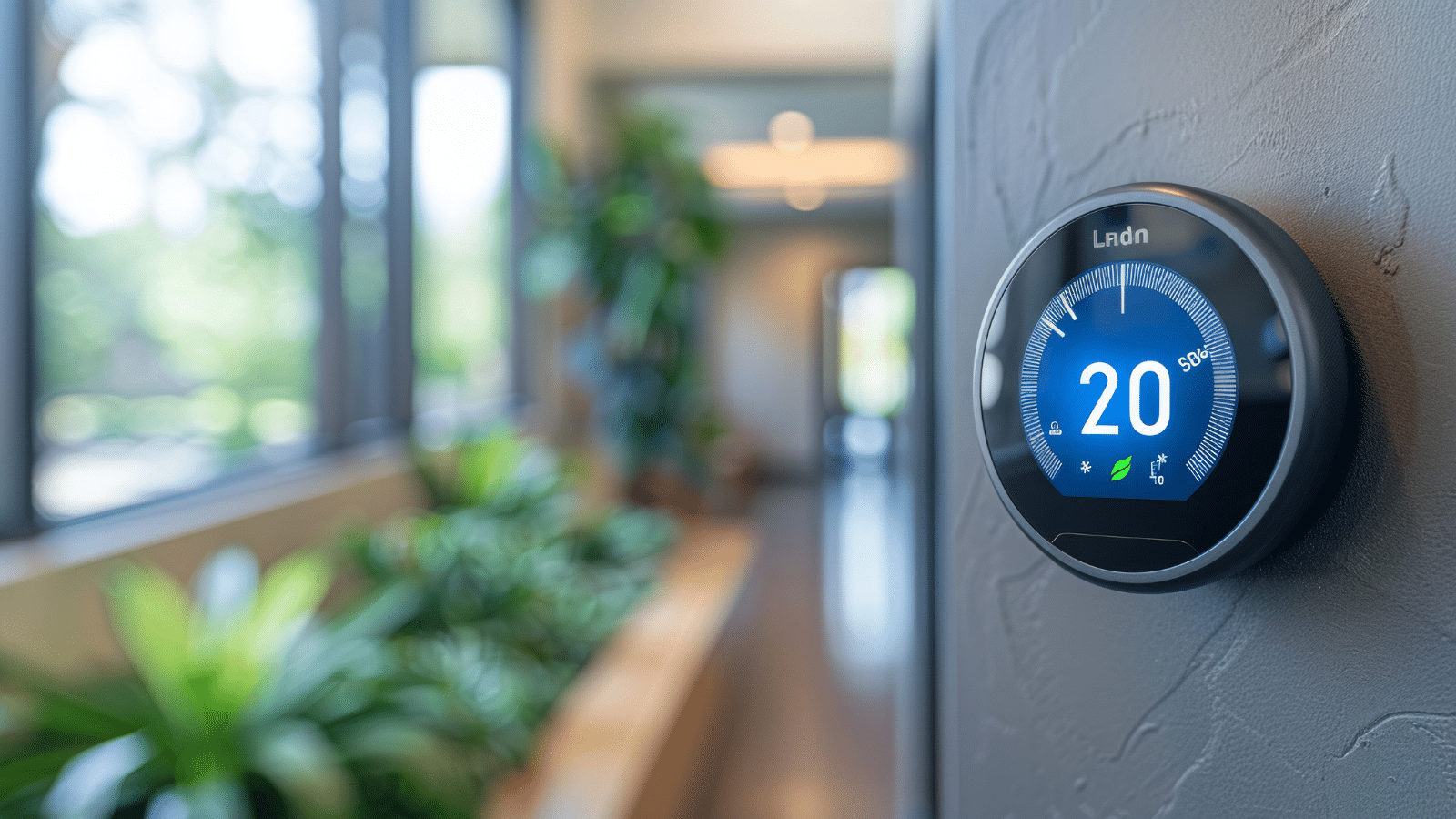
Thermostats are often overlooked, but they control your most expensive system.
The Department of Energy reports that outdated thermostats can cause HVAC systems to cycle inefficiently, increasing energy costs by 10% or more.
Older smart thermostats may also lose software support, security updates, or compatibility with newer HVAC systems.
Range / Oven

Ranges and ovens typically last 10–15 years, but performance declines earlier.
According to Reports, heating elements and ignition systems become unreliable around the 10-year mark, leading to uneven cooking and safety risks.
Gas ovens may experience ignition delays, while electric models may exhibit temperature inconsistencies, both of which increase energy use.
Dehumidifier

Dehumidifiers are seasonal workhorses that age quickly. The Environmental Protection Agency notes that older dehumidifiers use significantly more energy and are prone to refrigerant leaks.
Many recalled dehumidifier models are still in use, posing fire risks as components degrade.
Sump Pump

Sump pumps are the definition of high-stakes equipment. According to home inspection and plumbing experts, sump pumps typically last 7–10 years, often failing silently until the moment they’re needed most.
Replacing a functioning pump before failure is far cheaper than dealing with basement flooding, mold remediation, and structural damage.
Key takeaways

✔ Appliances lose efficiency long before they fail
You often pay higher utility bills for years without realizing it.
✔ Repairs spike after year 8–10
Labor, parts scarcity, and repeat breakdowns quickly outweigh replacement costs.
✔ Failures rarely happen at convenient times
Emergency replacements eliminate the need for comparison shopping and discounts.
✔ Water-related appliances pose the highest hidden risk
Leaks cause damage far beyond the appliance itself.
✔ Energy standards improve faster than people realize
Newer models often pay for themselves through savings.
✔ Preventive replacement is a financial strategy, not waste
Planned upgrades cost less than reactive repairs.
✔ The real cost isn’t the appliance, it’s the damage when it fails
Floors, cabinets, food loss, and downtime add up fast.
Disclaimer – This list is solely the author’s opinion based on research and publicly available information. It is not intended to be professional advice.
Disclosure: This article was developed with the assistance of AI and was subsequently reviewed, revised, and approved by our editorial team.
Like our content? Be sure to follow us