
Beets have earned a reputation as a powerhouse vegetable for heart health, yet many people still overlook how preparation affects their benefits. Rich in natural nitrates and vibrant antioxidants, beets help the body support healthy blood flow and reduce oxidative stress. The way you eat them can influence how well those compounds work, whether you roast, blend, juice, or eat them raw.
Choosing the right form can make a meaningful difference for people focused on blood pressure and long-term cardiovascular support. A meta-analysis published in a peer-reviewed nutrition journal found that regular beetroot consumption lowered systolic blood pressure in adults with elevated readings. The average reduction was about 4-5 mmHg.
Scientists attribute this effect to nitric oxide production, which helps relax blood vessels and improve circulation. Pairing that benefit with beets’ high antioxidant content makes them a smart and versatile addition to a heart-conscious diet.
Drink concentrated beet juice shots for a measurable blood pressure drop

Randomized controlled trials summarized in a 2013 paper in Hypertension by researchers at Queen Mary University of London examined the effects of beetroot juice. The juice provided roughly 300 to 500 milligrams of dietary nitrate. Across trials, it lowered systolic blood pressure by about 4-7 mmHg and diastolic blood pressure by about 2 mmHg. These effects rival those of some first-line lifestyle interventions.
In one crossover trial published in The American Journal of Clinical Nutrition, men consumed 500 grams of beetroot and apple juice. They experienced a 4-5 mmHg drop in systolic pressure about 6 hours later, with effects persisting for up to 24 hours. The response was rapid, visible, and tightly linked to nitrate-driven nitric oxide production.
Sip plain beet juice in the morning for better nitrate absorption
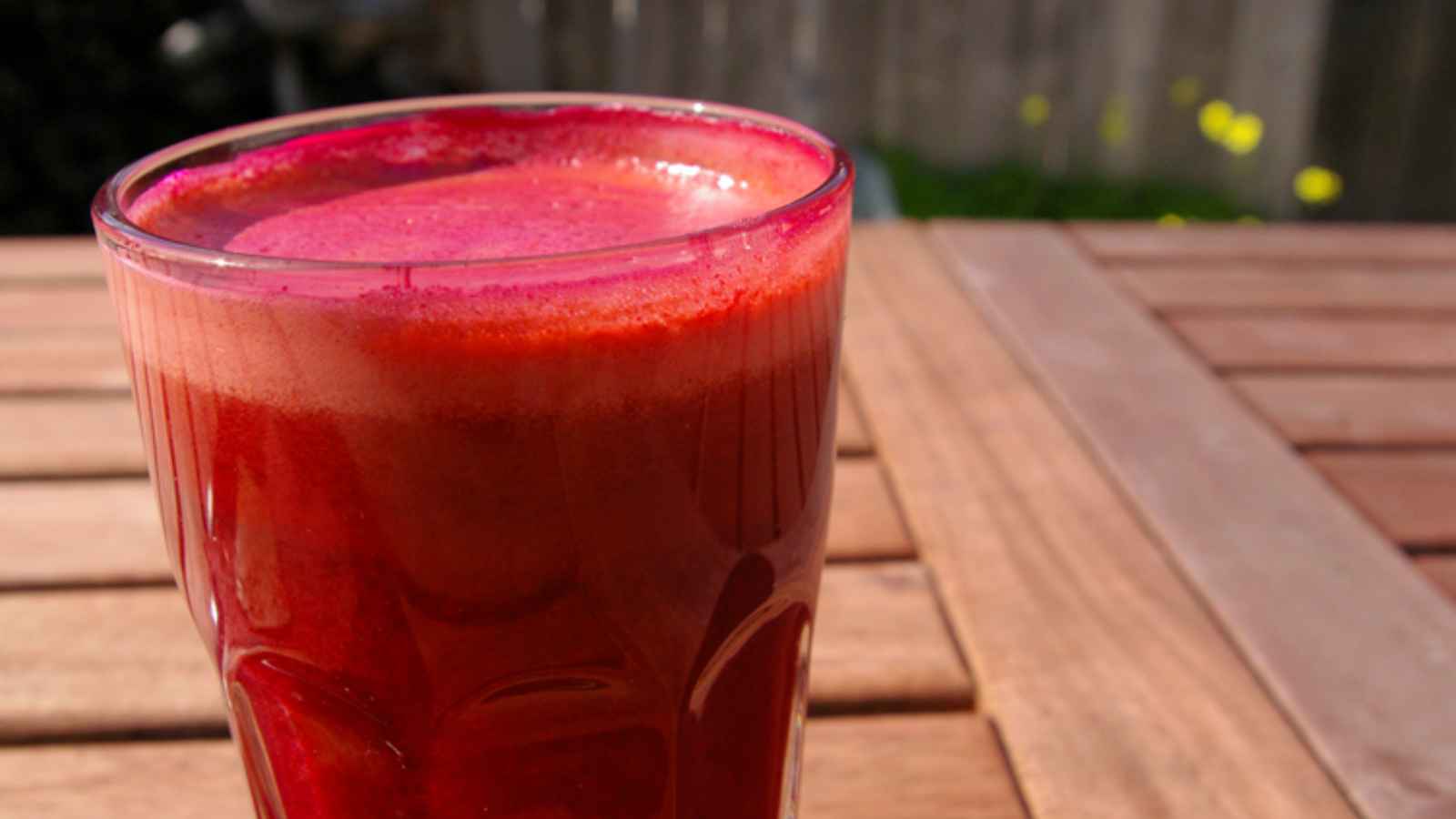
Hypertension trials frequently use daily beetroot juice doses of up to 250 milliliters, or about eight ounces. Reviews from the British Heart Foundation describe this amount as both safe and effective. This volume reliably delivers enough nitrate to elicit measurable vascular responses without requiring a large caloric intake.
Authors of a 2015 review in Nutrients note that consuming beet juice earlier in the day, ideally away from heavy meals, appears to optimize nitrate absorption. Blood pressure reductions typically begin within two to three hours and peak around three to four hours. These effects can last most of the day, aligning well with normal daily blood pressure rhythms.
Eat roasted or steamed beets to pair nitrates with fiber

Whole beets provide dietary nitrate alongside fiber, potassium, folate, and betalain pigments, compounds known for antioxidant and anti-inflammatory activity. A comprehensive review in Nutrients emphasizes that these additional components support endothelial health and oxidative balance. They complement nitrate-driven nitric oxide production.
That same review documents reductions in blood pressure from beetroot consumed as cooked vegetables and even from beetroot-enriched bread. The findings suggest juice is not the only effective format. Roasting or steaming beets transforms them into a vascular-friendly side dish that also slows glucose absorption and supports gut health.
Blend beets into smoothies to stack antioxidants
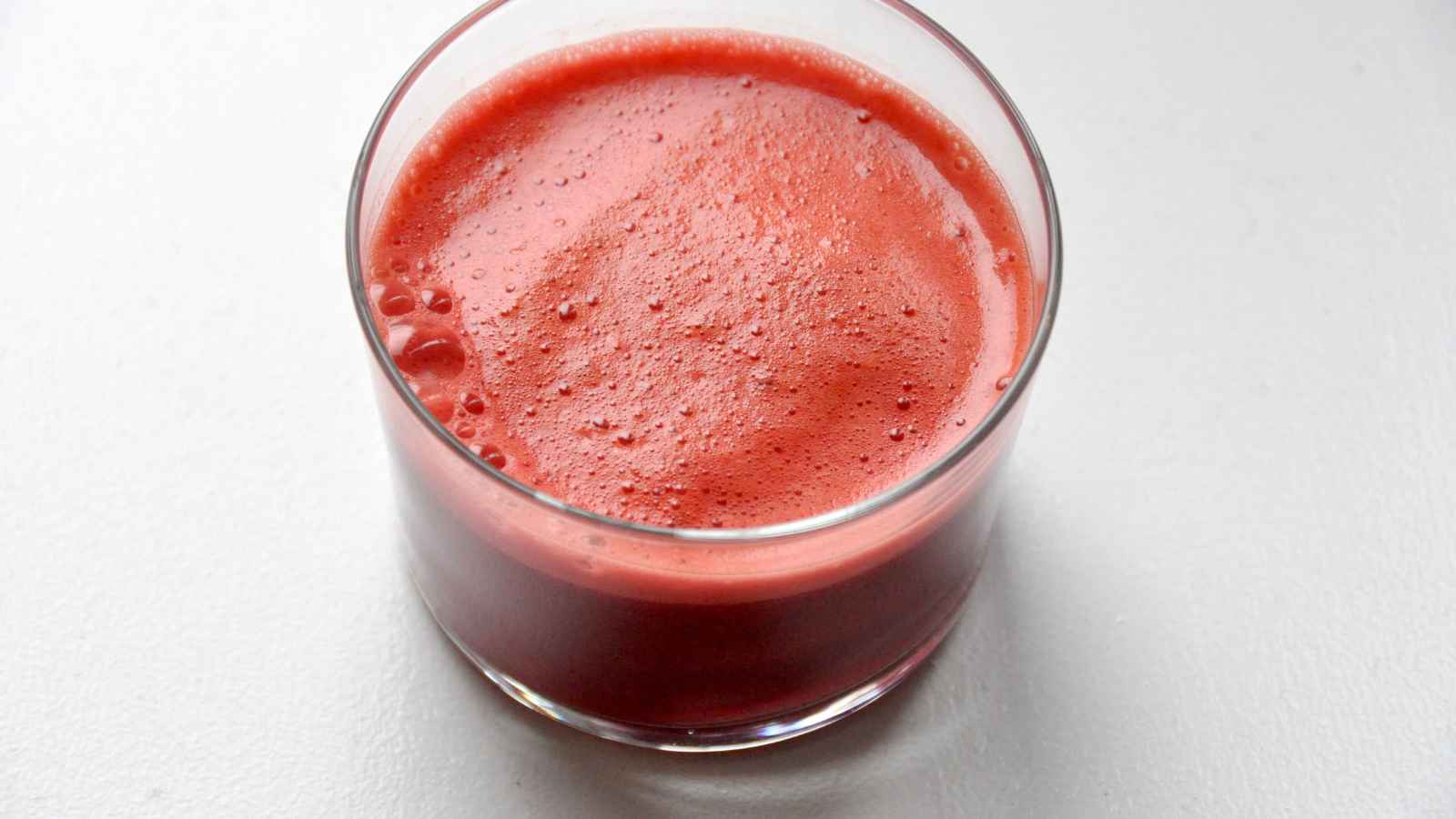
Beyond nitrate, beets supply betalains, polyphenols, and vitamin C, all of which raise total antioxidant capacity when added to blended drinks. A comparative analysis published in Food Chemistry found that beetroot juice matched or exceeded the antioxidant activity of carrot, tomato, and several common fruit juices.
A 2016 review in Critical Reviews in Food Science and Nutrition noted that beetroot juice delivers unusually high antioxidant potency relative to its calorie content. When blended into smoothies, beets effectively combine nitric oxide support with reduced oxidative stress. This creates a drinkable intervention that addresses multiple cardiovascular pathways at once.
Use beetroot powder or capsules for consistent daily dosing
Save this article
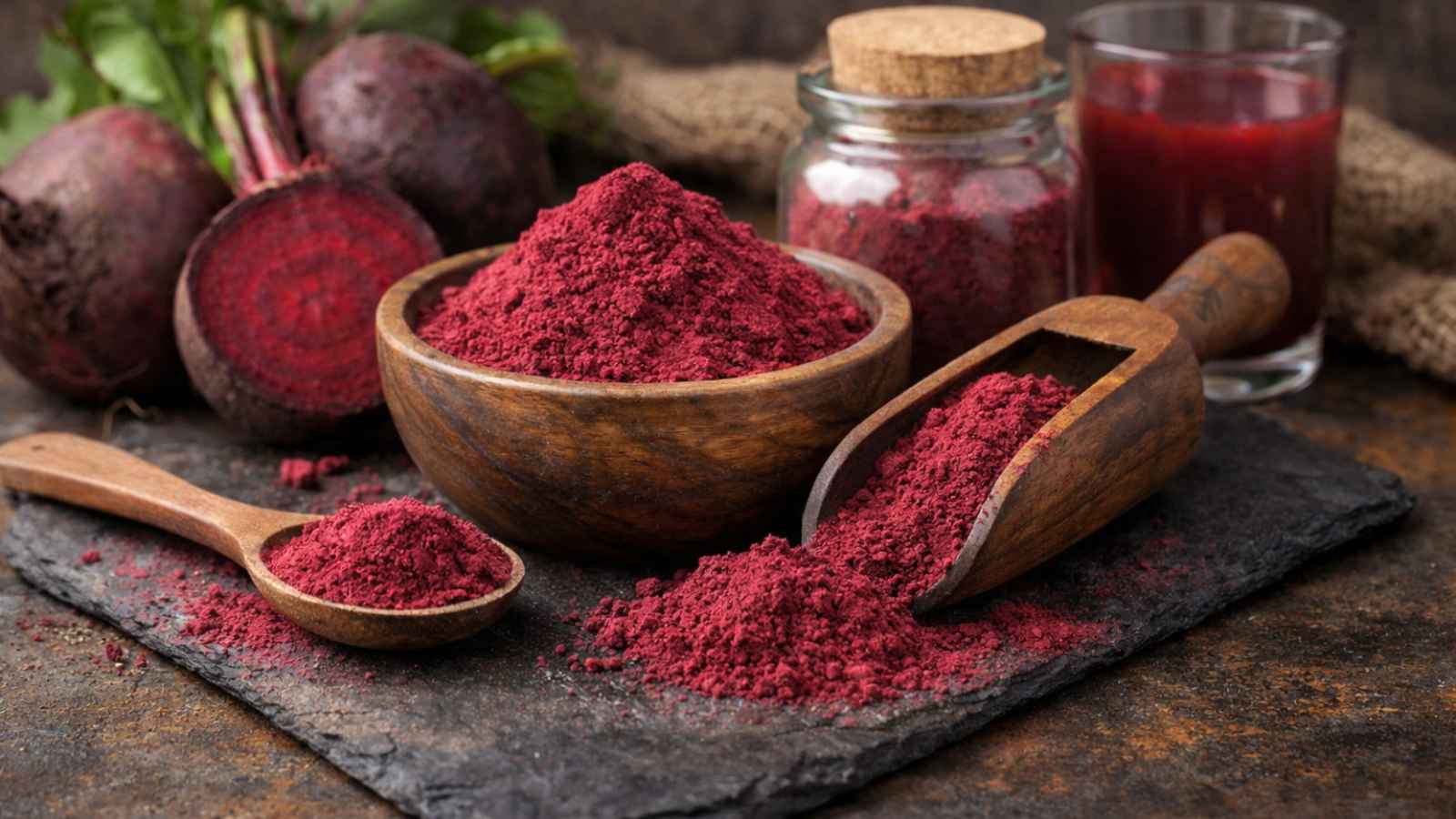
Beetroot powders and capsules are often standardized to nitrate content, commonly delivering 300 to 500 milligrams per serving. This mirrors the dosing used in blood pressure trials summarized in a meta-analysis published in The Journal of Nutrition. That analysis evaluated both juice and concentrated beetroot products.
That meta-analysis reported average reductions of about 4 to 5 mmHg in systolic pressure. It also found roughly 2 mmHg reductions in diastolic pressure when daily nitrate intake exceeded 300 milligrams. For people who dislike the taste of beets, supplements offer a discreet way to reproduce clinical-style nitrate exposure.
Add beets to salads with vitamin C-rich ingredients
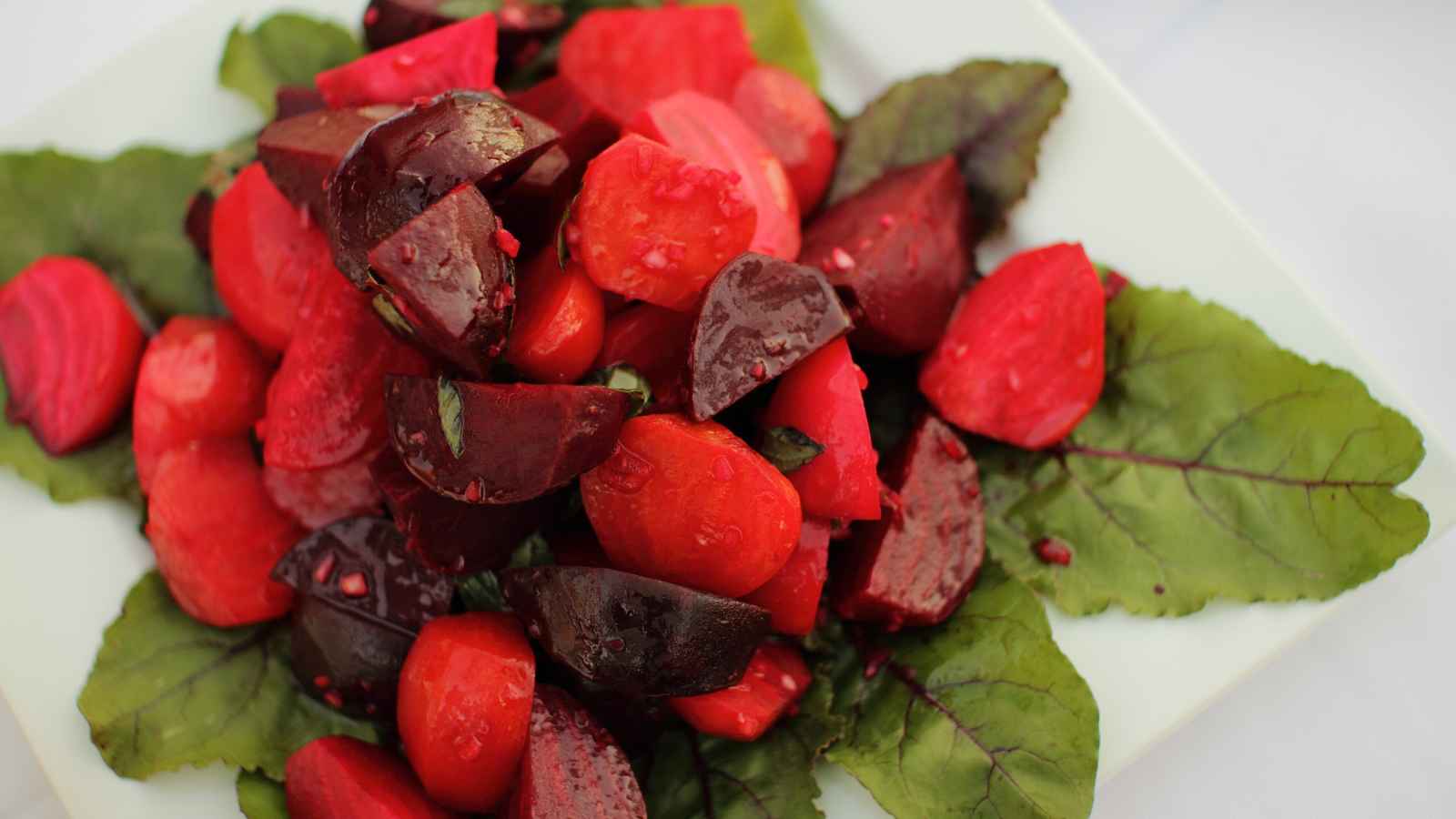
Beet nitrates act alongside betalain pigments and polyphenols to reduce oxidative stress and inflammation. A review in Frontiers in Nutrition highlights that vitamin C-rich foods can help regenerate antioxidant capacity. This may potentially enhance the vascular effects of beet-derived compounds.
Dietitians writing for the Academy of Nutrition and Dietetics note that betalains may improve arterial flexibility and endothelial signaling beyond what nitrate alone provides. Pairing beets with citrus, peppers, or leafy greens creates a layered intervention. This approach targets nitric oxide production, fiber intake, potassium balance, and antioxidant defense simultaneously.
Rotate beets with other nitrate-rich vegetables during the week

A review in Advances in Nutrition identifies beets, spinach, arugula, celery, lettuce, and chard as the primary dietary sources of nitrate linked to nitric oxide production. These vegetables consistently improve endothelial function and reduce arterial stiffness when consumed regularly.
One controlled trial published in The American Journal of Clinical Nutrition found that a leafy green vegetable juice matched beet juice in nitrate content. It produced comparable increases in plasma nitrate and similar reductions in blood pressure. The findings reinforce nitrate as the central mechanism and support rotating sources rather than relying on a single food.
Time beets before exercise for a circulation and performance boost

Dietary nitrate from beets increases nitric oxide availability, relaxing blood vessels and improving oxygen delivery. A review in Sports Medicine documents these effects in both healthy adults and those with hypertension. It notes improved exercise efficiency and reduced vascular resistance.
Because nitrate-driven nitric oxide peaks several hours after ingestion, the authors recommend consuming beet juice or a beet-rich meal two to three hours before physical activity. This timing allows blood pressure support and improved circulation to overlap with movement, pairing vascular health with tangible performance benefits.
Key takeaways

Beets stand out as one of the rare foods where blood pressure effects are not theoretical or distant.
Their nitrate and antioxidant load produce changes that can be measured within hours. This makes beets a practical, visible example of how food can act directly on vascular health.
Disclaimer – This list is solely the author’s opinion based on research and publicly available information. It is not intended to be professional advice.
Like our content? Be sure to follow us