A quiet migration is reshaping the American housing map as more buyers turn their attention to the Great Lakes region and the Rust Belt. According to data from the U.S. Census Bureau, several Midwestern cities have seen population stabilization or modest growth after decades of decline.
This shift is driven in part by remote work and rising costs in coastal markets. What once seemed like overlooked areas are now gaining renewed interest from buyers seeking value and long-term potential.
This shift is not driven by hype but by practical decisions that reflect changing priorities. Lower home prices, access to freshwater, and less-crowded urban environments are attracting people seeking affordability without sacrificing quality of life. As more buyers quietly make the move, the Rust Belt is beginning to redefine its identity, not as a region left behind, but as one offering a different kind of opportunity.
Chasing houses that still look like a deal

For many coastal and Sun Belt refugees, the first shock is the listing price. Realtor.com data, shared by Redfin’s chief economist, Daryl Fairweather, shows the national median home price is around $ 430,000. Detroit’s median sits near 180,000 dollars. Cleveland’s is about 230,000 dollars. Both are far below that national line.
An American Enterprise Institute analysis, cited by A Magical Mess, found that eight of the nine cities with the fastest home price appreciation over a recent 12-month window were in the Midwest. This is not a fluke. It is a revaluation of places once written off. Investors who ignored the rust and snow are now recalculating the value of square footage.
Leaving fire and flood zones for water and wind
Climate used to be the background. Now it is a moving truck. Redfin’s climate risk work notes that 14 percent of U.S. homes face high flood risk, representing 7.2 trillion dollars in property. Another 16 percent face high wildfire risk, about 15 million homes worth $ 8.4 trillion. Those numbers are not theoretical when insurance bills arrive.
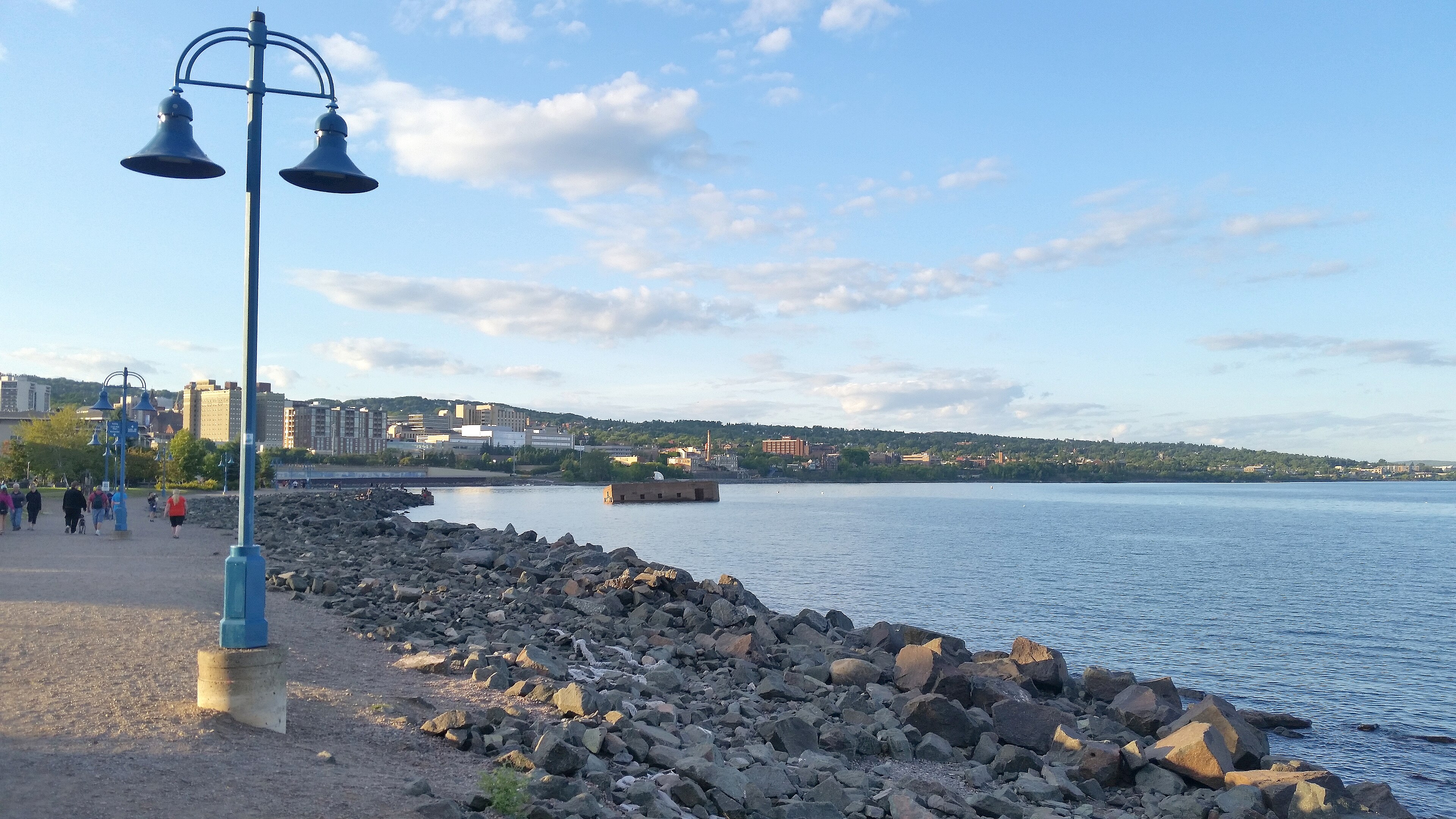
In contrast, Great Lakes cities sit beside 20 percent of the world’s surface freshwater. Texas Climate News reports that Buffalo and Duluth were built for far larger populations and now sit underused along cold, deep lakes. In a hotter world, that surplus infrastructure and water look less like relics and more like refuge.
Buying into a climate haven before the name sticks

Urban planners have begun using a new phrase for places like Buffalo and Duluth. Climate haven. Texas Climate News describes how these Rust Belt cities, with excess housing and infrastructure, are viewed by researcher Jesse Keenan as “natural destinations in a hotter world.” They have roads, transit, and hospitals built for more people than currently use them.
New America’s 2026 report on climate gentrification notes that academic research predicts mid-sized Rust Belt metros will see large relative population gains from climate migrants. These include Minneapolis–St. Paul, Buffalo, Madison, and Toledo. Local leaders in Buffalo now actively market the city as better protected from climate impacts than much of the U.S. The Haven branding is not official. The migration is.
Following remote work, North instead of South

The old migration pattern pointed toward palm trees. Now it sometimes points toward Lake Erie. The Federal Reserve Bank of Cleveland examined where people went when remote work loosened ties to high-cost metros. It found that cities like Buffalo, Rochester, Pittsburgh, St. Louis, and Cleveland, which once sent more migrants out than they received, saw that flow reverse during the pandemic.
In a scenario in which 5 percent of remote workers relocate, the Cleveland Fed estimated that lower-cost large metros could see a direct employment boost of 2.5 percent. This would effectively skip more than two years of normal job growth.
Milken’s 2024 “Best Performing Cities” work adds that remote and hybrid work remain entrenched across many sectors. Put simply, millions can now log into West Coast jobs from Great Lakes zip codes.
Finding “value markets” where price and climate align

The term “value market” is having a Midwest moment. A January 2026 analysis on HOMEiA argues that the housing market is undergoing a “structural realignment.” Instead of chasing tech hubs and the Sun Belt lifestyle, buyers and investors are now drawn to a convergence of climate safety, immigration, and affordability in the Midwest and the Great Lakes.
HOMEiA highlights that the Great Lakes region provides access to about 20 percent of the world’s surface freshwater. It also remains largely outside the direct path of hurricanes and major coastal flooding.
At the same time, immigrant-led households have accumulated 3.7 trillion dollars in housing wealth nationally. This has helped anchor prices and revitalize secondary markets in Midwest cities through specialized mortgage products. Value is no longer just cheap. It is resilient.
Riding investor waves into older brick neighborhoods
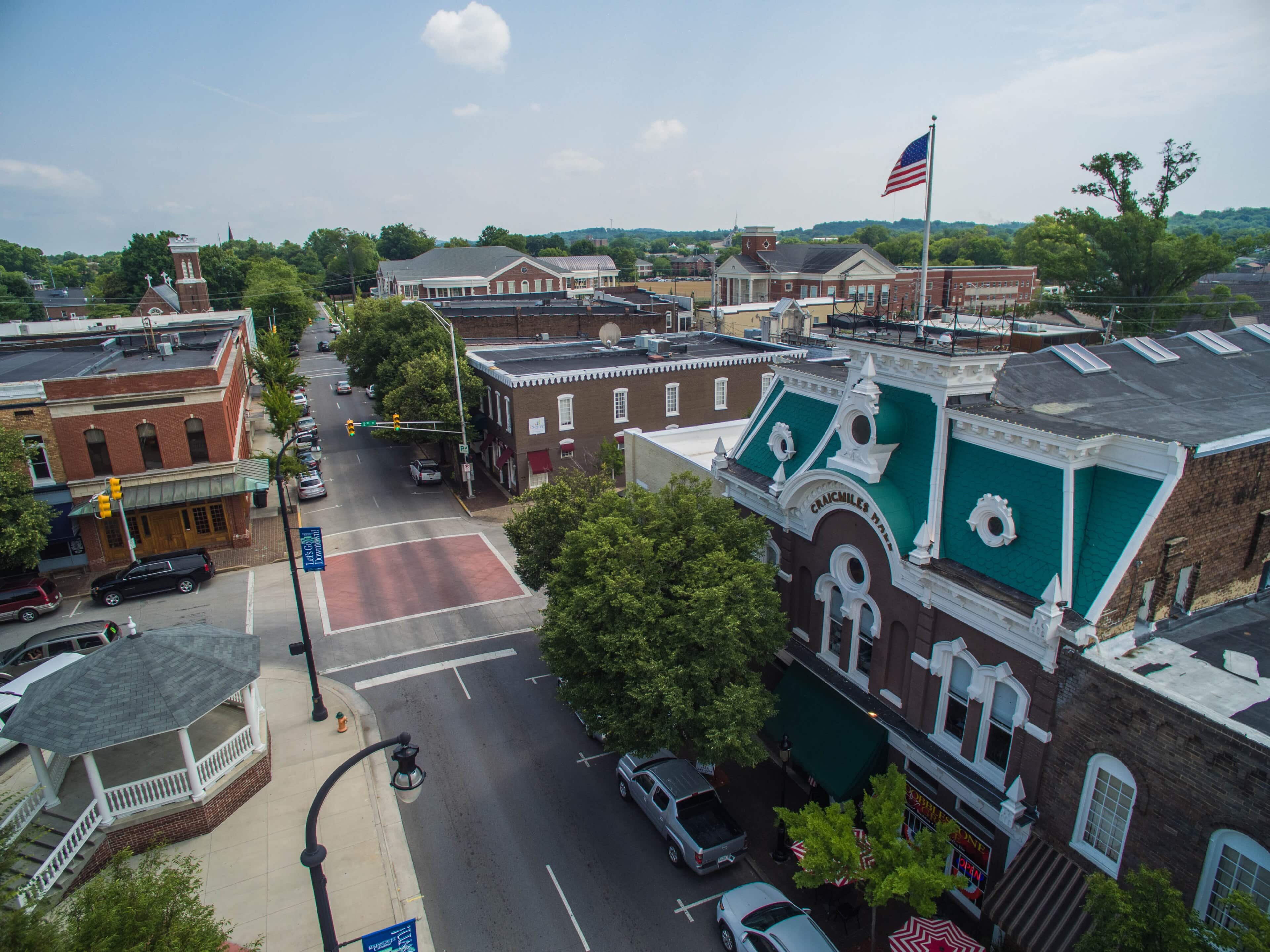
Owner-occupiers are not the only ones boarding flights to Cleveland and Detroit. Redfin data, summarized in a 2026 YouTube briefing by the company’s chief economist, show that about 25 percent of home purchases in Cleveland in late 2025 were made by investors. Nationally, the figure was about 18 percent. Capital that once circled Phoenix or Austin starter homes is now buying century-old duplexes by the lake.
Save this article
Property management firm Evernest reports that multifamily investors who spent the last decade chasing Sun Belt growth have started redirecting money to the “Snow Belt.” This shift is especially noticeable near the Great Lakes. It reflects strong rental market fundamentals in the Midwest heading into 2026.
These investors are betting that tenants and future buyers will continue to follow cost and climate north. In many blocks, that bet looks like freshly painted brick and rising rents.
Moving to where the vacancy is finally tightening
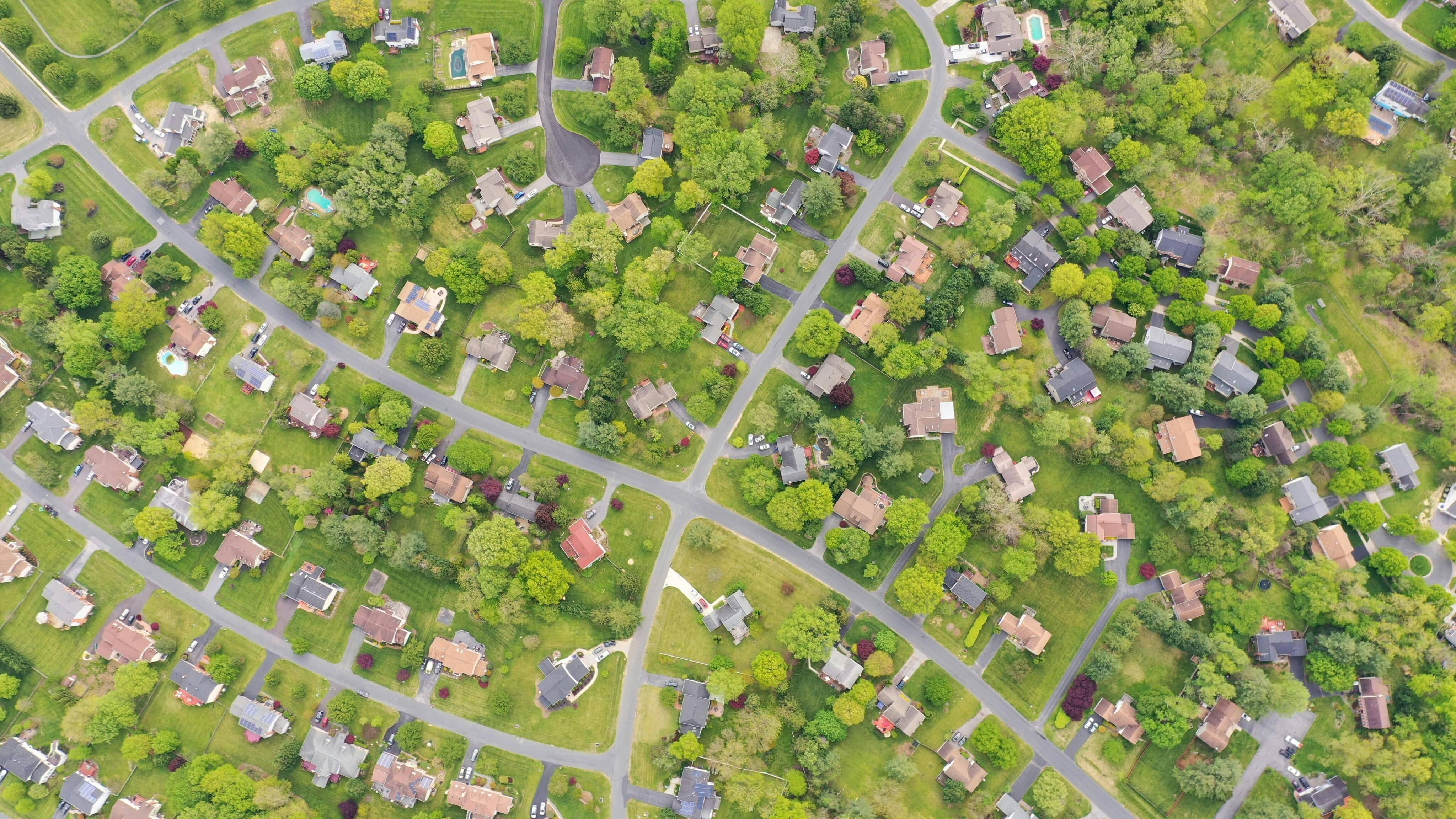
For years, the Rust Belt story was surplus. Too many houses. Not enough people. HUD’s Great Lakes regional report for 2024 shows that narrative bending. Single-family building permits in the region increased in the 12 months ending June 2024, responding to low for-sale inventory and healthy demand. Apartment markets are mixed, but vacancy has tightened in several metros as population trends improve.
Another HUD summary of the region notes that international migration rose from 2022 to 2023, helping reverse earlier pandemic-era declines. More people arriving, fewer units sitting empty, and builders cautiously adding supply is the opposite of the abandoned factory stereotype. The quiet purchases are finally absorbing the old oversupply.
Leaving high insurance states for coverage that still exists

For many coastal homeowners, the breaking point was not the storm. It was the renewal notice. A Magical Mess’ “Great Lakes Shift” piece points out how hurricanes in Florida and wildfires in California have pushed some insurers to exit those markets or raise premiums sharply. Those changes spill into closing tables. Buyers find they can no longer budget for both mortgage and coverage.
The same article argues that these insurance shocks are pushing people to look toward Great Lakes cities, where climate risks are lower, and insurance markets are more stable. No place is risk-free, but fewer hurricanes and wildfires mean fewer sudden premium spikes. The monthly bill for safety feels less unpredictable along fresh water shorelines than along shrinking coasts.
Choosing university towns and medical hubs over boomtown hype
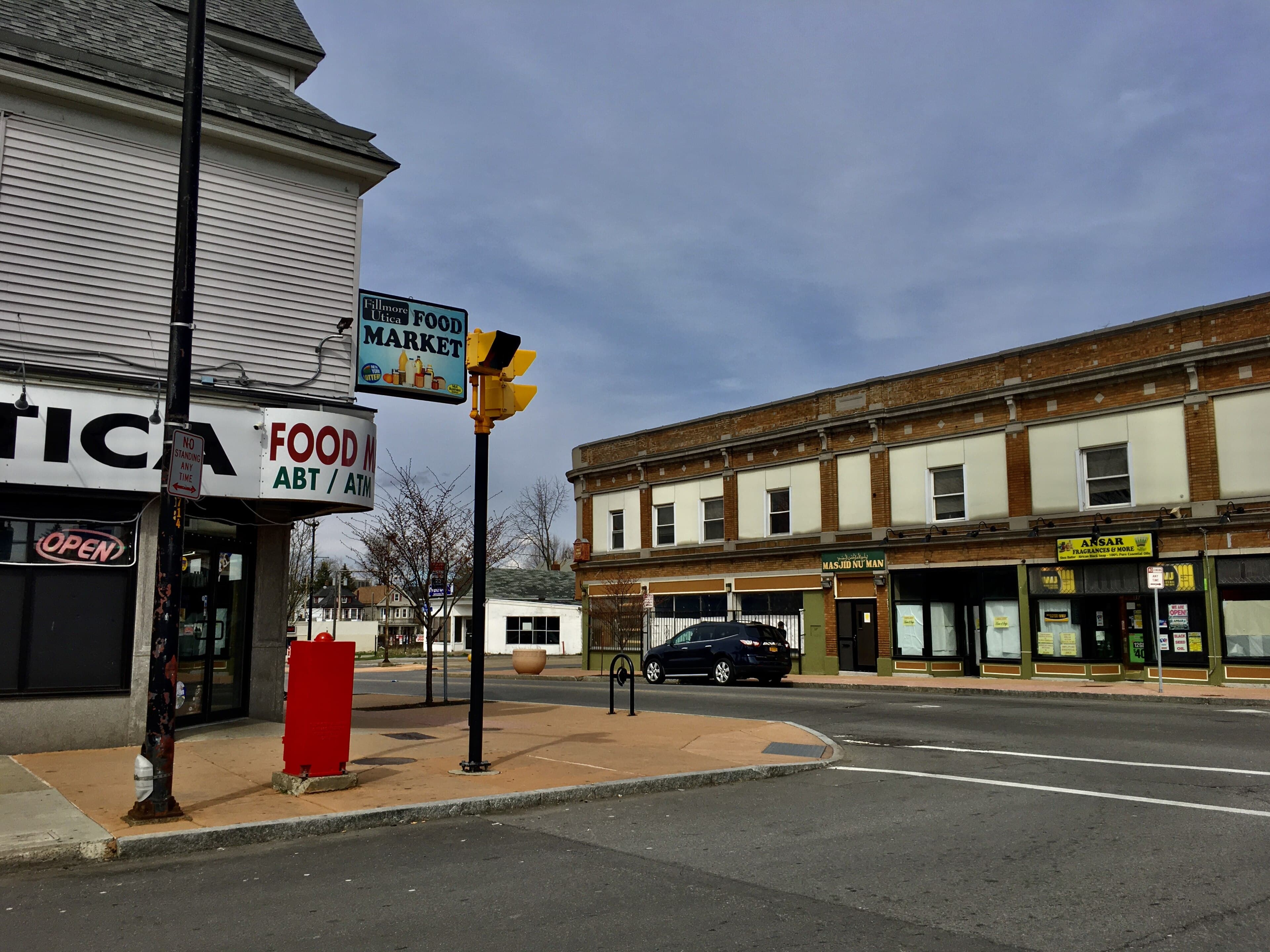
Rust Belt metros are not just former steel towns. They are also layered with universities and hospitals that never left. A 2025 VirginiaPolitics analysis of Rust Belt “climate refuges” notes that many of these cities are now focusing on universities, healthcare, and small businesses as anchors. Pittsburgh hosts the Green Building Alliance and is viewed as a potential center for biotech and hydrogen technology.
The same report notes that Buffalo has leveraged its role as a healthcare hub and its proximity to Toronto in its pitch to future residents. People buying into the Great Lakes are often buying into stable employers and research ecosystems rather than speculative booms. The payoff is quieter. The job listings and the patient waiting rooms are full.
Following immigrant wealth and cultural gravity

The Rust Belt revival is not solely a story of disaffected coastal millennials. It is also a story of immigrants rewriting the map. HOMEiA’s 2026 report highlights that immigrant housing wealth across the United States has reached $ 3.7 trillion. That capital does not only accumulate in New York or Los Angeles. It now provides a price floor and revitalizes secondary markets in the Midwest and Great Lakes cities via ITIN-based mortgages and community lending.
VirginiaPolitics points out that many Rust Belt cities are actively welcoming immigrants to counter decades of population decline. Buffalo, for example, has received migrants displaced by climate-amplified events such as Hurricane Maria, reshaping neighborhoods and small-business corridors. For many families, the Rust Belt offers something the coasts no longer do. Entry points.
Escaping Sun Belt crowding for space and infrastructure
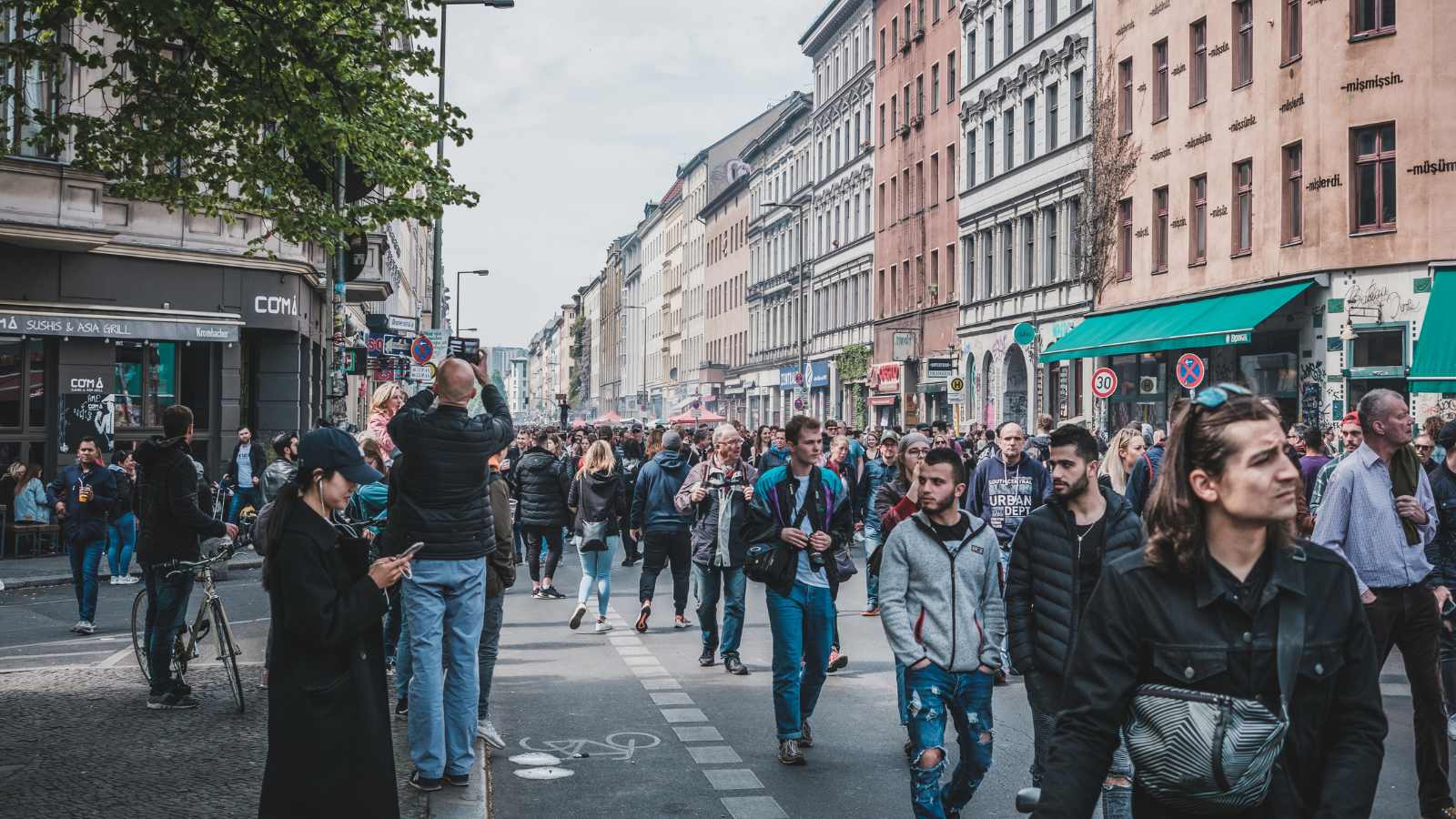
For years, Americans tracked birds, chasing them south each winter for warmth. Evernest notes that this pattern has started to reverse. They describe investors and renters “flocking to a region better known for snow than sunshine,” as Sun Belt cities grapple with congestion, water stress, and climbing costs. The Midwest, by contrast, still sells backyards and wide streets at a discount.
Texas Climate News underscores how some northern Rust Belt cities, built for much larger populations, now possess underused roads and transit systems. Buffalo’s bus lines and Duluth’s grids bear traces of a busier era. For newcomers, that overbuilt infrastructure reads as convenience. Commutes are shorter. Parking exists. The city feels spacious in a way booming boomtowns no longer do.
Quietly buying into a different story of the future

Behind all the spreadsheets is a mood. A Magical Mess frames it as “The Great Great Lakes Migration.” It argues that millions of Americans, facing extreme heat, rising insurance, and scarce affordable inventory, are quietly pivoting toward the industrial heartland. They are not moving for glamour. They are moving for solvency and survivability.
New America warns that this flow will bring new pressures, including climate gentrification in receiving cities. But it also acknowledges that Great Lakes metros are “positioned to experience large relative gains” as climate migrants look for long-term homes. In that sense, every brick duplex in Cleveland or bungalow in Toledo holds more than nostalgia. It holds a bet on which parts of the map will feel livable in 2050.
Disclaimer – This list is solely the author’s opinion based on research and publicly available information. It is not intended to be professional advice.
Like our content? Be sure to follow us