

Every snowflake forms through a chain of temperature shifts, moisture levels, and airborne particles, turning a simple fall of snow into a complex atmospheric process.
It is tempting to imagine snowflakes forming instantly. One moment there is cloud, the next there is snow drifting down. But snowflakes have a surprisingly long and eventful origin story. Their creation begins far from the ground, long before we feel the cold on our faces.
Understanding how snowflakes form is less about memorizing science terms and more about appreciating a slow, delicate process that depends on just the right balance of conditions.
It Starts With Invisible Water

Snow begins as water vapor, not liquid water. Even in cold weather, lakes, rivers, soil, and oceans release moisture into the air. That invisible vapor rises on air currents, sometimes traveling thousands of feet upward.
As the vapor rises, temperatures drop. Cold air cannot hold as much moisture as warm air, which sets the stage for condensation and freezing.
At this point, nothing looks like snow yet. Everything is still unseen.
The Importance of Tiny Particles
Water vapor needs something to cling to. In clouds, that something is usually microscopic particles floating in the air. Dust, pollen, sea salt, and even pollution can serve this role.
These particles are known as nuclei. When water vapor freezes onto them, the first ice crystals form. Without these tiny seeds, snowflakes would not exist.
This means every snowflake contains a speck of something else at its center. A grain of dust, a bit of pollen, or another airborne particle becomes the heart of a snowflake.
Freezing Takes a Specific Shape
When water vapor freezes, its molecules arrange themselves in a hexagonal pattern. This arrangement is dictated by the shape of the water molecule itself. The structure locks into place, creating the foundation of the snowflake.
At this early stage, the crystal may be no larger than a grain of sand. It is fragile and simple, but the blueprint is set.
From here, growth depends entirely on the environment.
Growth Depends on Temperature and Moisture
As the ice crystal moves through the cloud, it encounters varying conditions. Temperature determines how quickly ice grows. Moisture determines where that growth happens.
In some conditions, crystals grow flat and wide. In others, they grow long and narrow. Certain temperature ranges encourage branching, while others suppress it.
This is why snowflakes come in so many forms. They are not choosing their shapes. They are responding to their surroundings.
Falling Is Not a Straight Line
Once a crystal becomes heavy enough, gravity pulls it downward. But falling through a cloud is rarely straightforward. Air currents push the crystal around. It may rise, fall, spin, and drift sideways.
Save this article
Each change in direction exposes different parts of the crystal to moisture. Arms may grow unevenly. Branches may split or stall.
This movement is essential to creating complexity. A perfectly still fall would produce much simpler crystals.
When Snowflakes Meet Each Other
Snowflakes do not fall alone. Clouds are crowded places. As crystals descend, they often collide with others.
If conditions are dry and cold, collisions may result in separation. If conditions are moist and slightly warmer, crystals can stick together. This creates clusters and large flakes.
These collisions are random. They add another layer of unpredictability to snowfall.
The Final Moments Before Landing

As snowflakes approach the ground, they encounter warmer air and changing humidity. Some begin to melt before landing. Others remain intact long enough to be admired.
Once a snowflake touches a surface, its fate depends on temperature. It may melt instantly, join a snowpack, or partially refreeze.
No matter how it ends, the journey is complete.
Why Snowflakes Matter Beyond Curiosity
Snowflake formation is not just a curiosity. It plays a role in weather forecasting, water management, and climate science.
Different crystal shapes affect how snow accumulates and melts. This influences flood risk and water supply. Snow structure affects avalanche conditions. Snow reflectivity affects temperature regulation.
Studying snowflakes helps scientists understand broader systems that affect daily life.
A Small Wonder Worth Noticing
Snowflakes are easy to overlook because they are so common. But each one represents a delicate balance of physics, chemistry, and chance.
The next time snow falls, consider the invisible journey happening above you. Every flake has traveled through layers of sky, shaped by forces you cannot see, to arrive exactly where it lands.
That quiet complexity is what makes snowflakes worth noticing again.
13 Costly Mistakes to Avoid in This Coming Winter
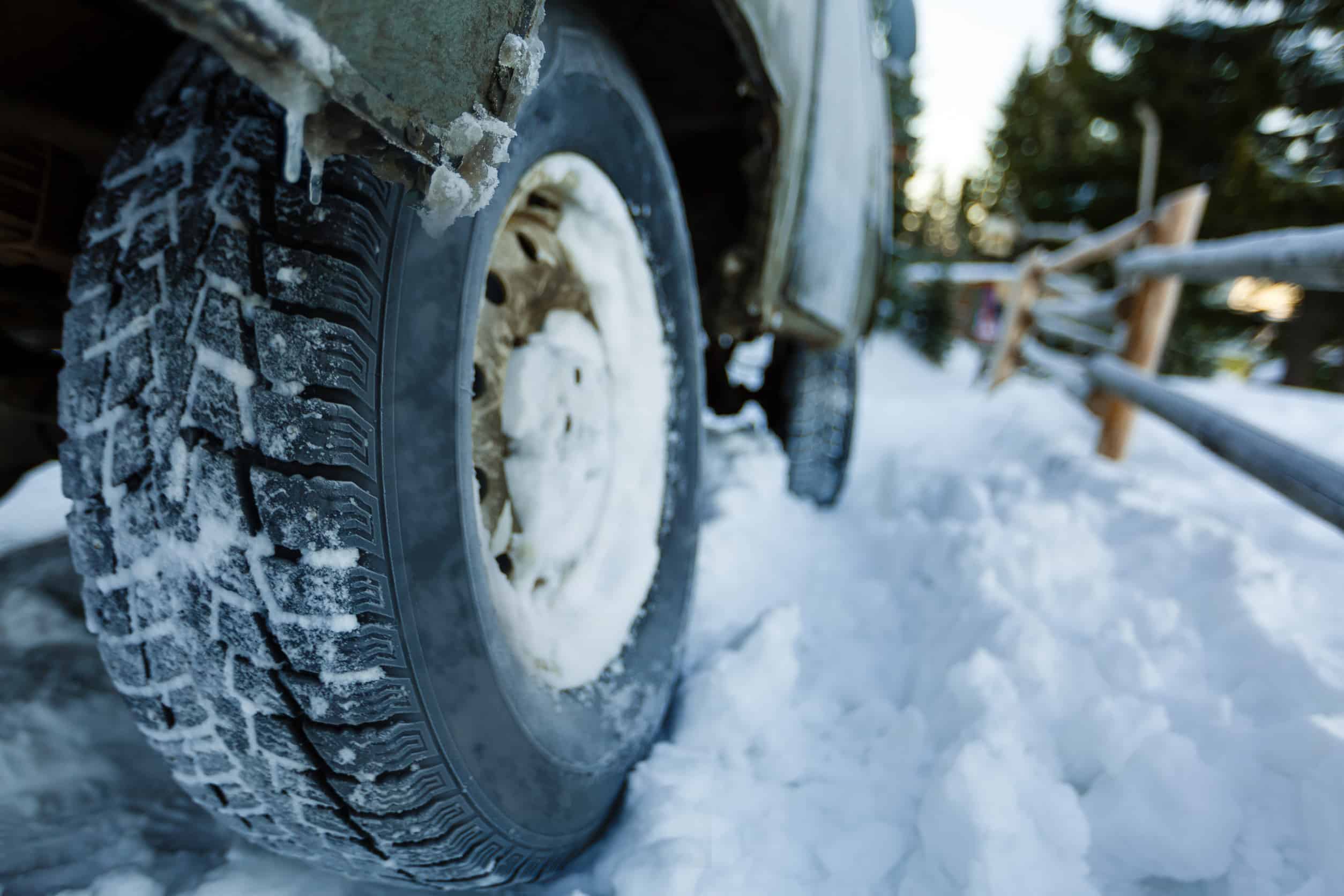
Winter’s coming fast, and if you’re not careful, the season of snow and celebrations can quietly drain your wallet.
The crisp air and early sunsets of winter are just around the corner, bringing with them a mix of cozy holidays, fun snow days, and, let’s be honest, a good dose of financial pressure. It’s the season of giving, of feasting, and of turning up the heat, all of which can put a serious chill on your bank account if you’re not careful. A little bit of planning now can save you a lot of headaches and debt come springtime. Read more.





