

The booming $468.9 billion wellness food industry is selling promises of health—yet many of its hottest trends may be making us sicker.
You’ve stocked your fridge with chia seeds, sipped those “miracle” detox juices, and even experimented with eating like a TikTok wellness influencer—so you’re convinced you’re on a healthy path. But under the glossy surface of #CleanEating, the modern food landscape is flooded with sneaky trends that might sabotage your health goals—and the stats make for dramatic reading.
Huge Market
The U.S. health and wellness food market alone is expected to reach $468.9 billion by 2030, nearly doubling from $250 billion in 2023. Despite these billions spent, 77% of Americans say they strive for a healthier diet, yet most struggle to access truly nutritious food regularly, with cost remaining the biggest barrier.
I’m all for experimenting with new ways to nourish your body. But when influencers with zero nutrition credentials are pushing dangerous eating patterns as “biohacks,” we’ve got a problem.
The worst part? These trends often prey on our desire for quick fixes and miraculous transformations.
The Carnivore Craze
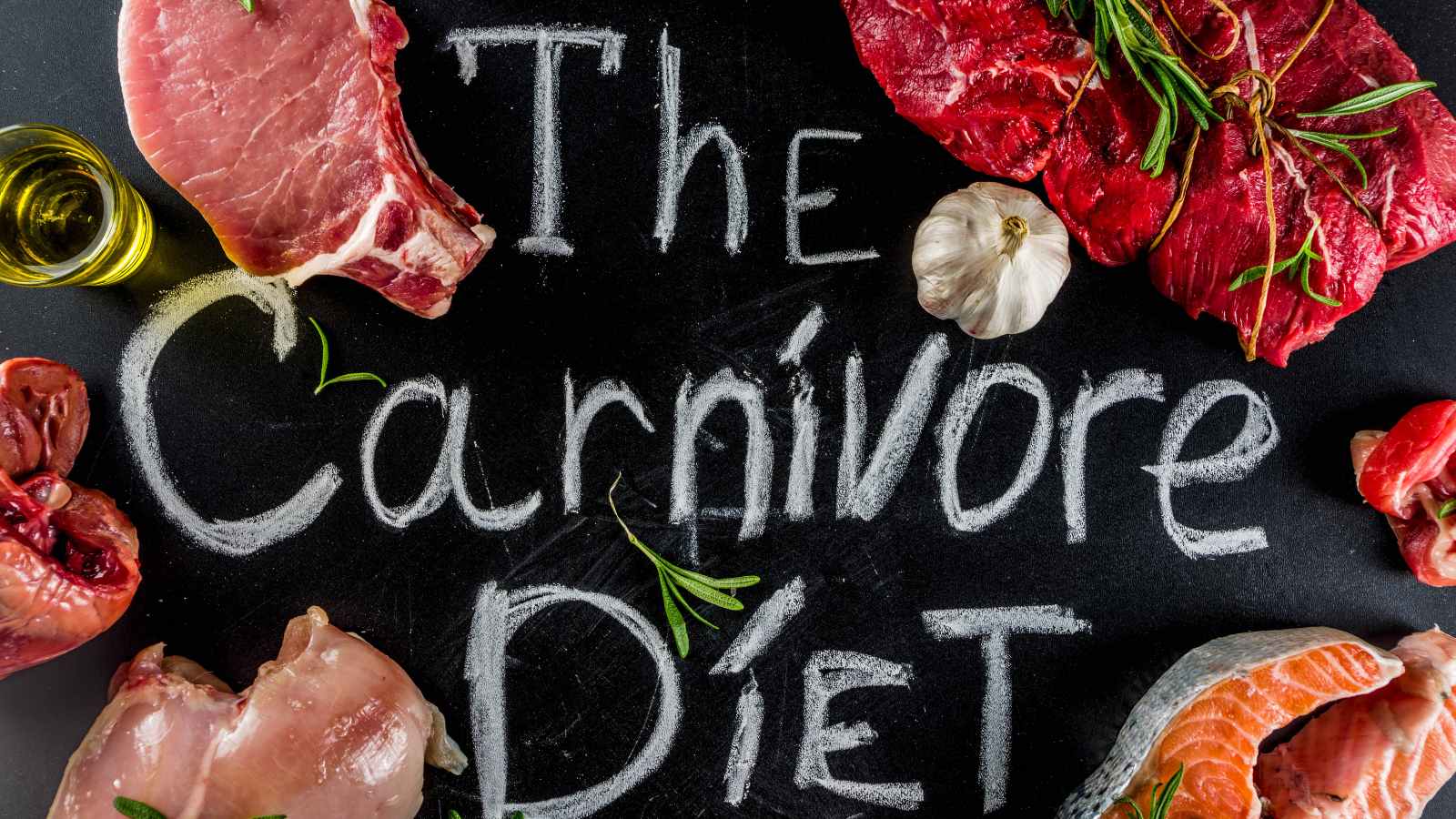
This all-meat, zero-plant approach had people ditching fruits, vegetables, grains, and legumes entirely. While protein is crucial for our health, going full carnivore creates some serious nutritional gaps.
Plant-rich diets reduce your risk of chronic diseases by up to 30% compared to high red meat diets. That’s not just a small difference—it’s huge. When you eliminate all plant foods, you’re missing out on fiber, antioxidants, and countless phytonutrients that your body desperately needs.
“Research is pretty definitive that people who eat diets rich in plants tend to have lower risk of chronic diseases such as cancer, heart disease, diabetes, and Alzheimer’s,” explains Jason Ewoldt, a Mayo Clinic dietitian.
Your digestive system thrives on variety, not restriction. Instead of going full carnivore, focus on high-quality proteins alongside colorful fruits and vegetables.
Seed Oil Paranoia Has Gone Too Far
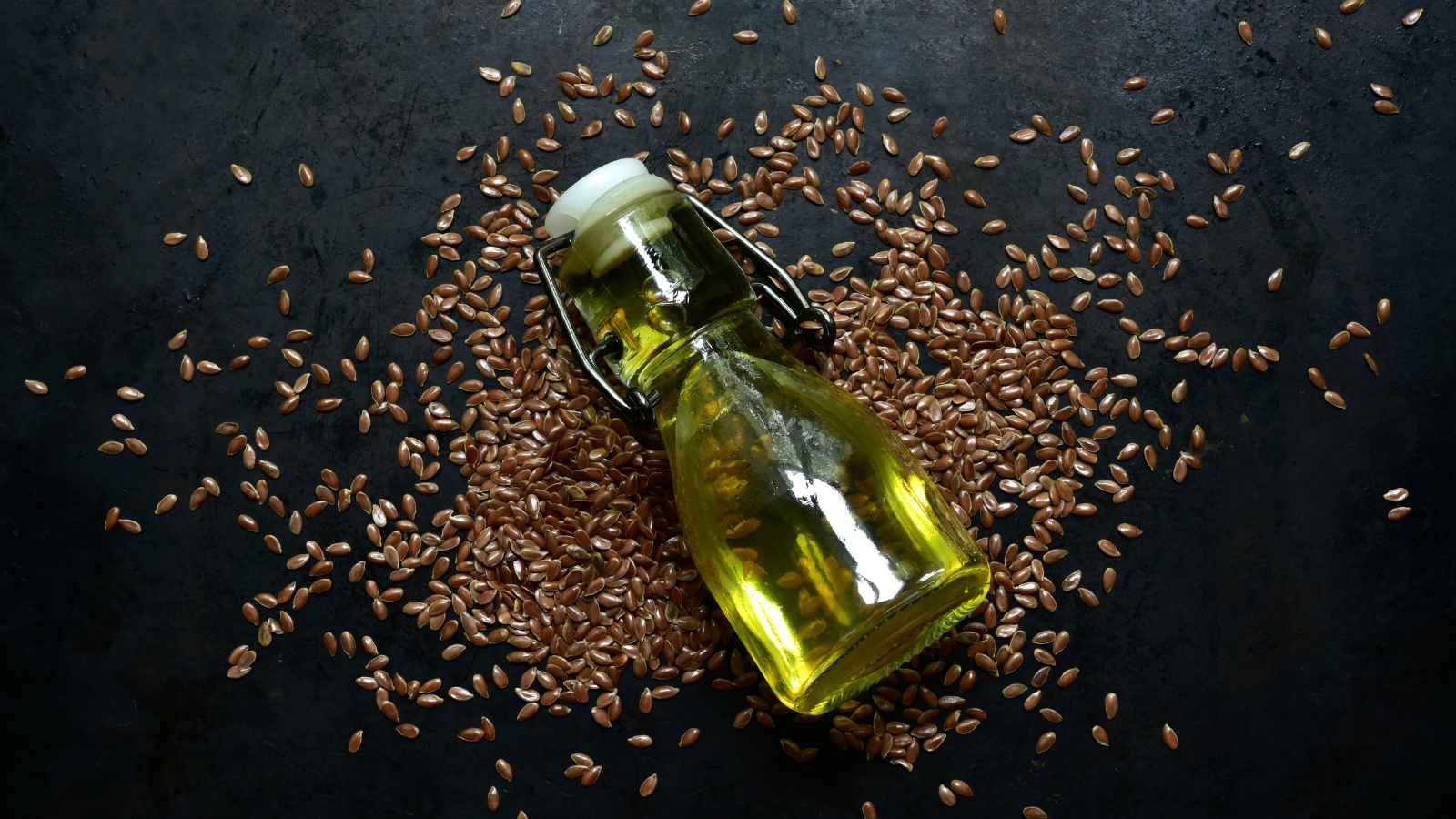
Remember when everyone suddenly became terrified of seed oils? This trend painted canola, sunflower, and soybean oils as toxic villains lurking in our food supply. But nutritionists aren’t buying into the fear-mongering.
READ: Think Seed Oils Are Toxic? Here’s What Science Actually Says
What’s really happening: People started blaming seed oils for health problems that are actually caused by ultra-processed foods loaded with sodium, sugar, and unhealthy fats. The oils themselves? They’re often good sources of unsaturated fats that can actually benefit your health when they replace saturated fats.
For example, replacing butter with plant oils can reduce early death risk by 17%. The American Heart Association supports the inclusion of omega-6-rich seed oils in the diet for heart and metabolic health.
“There’s no evidence to suggest seed oils are any more harmful than other oils,” says registered dietitian Maddie Pasquariello. The key is moderation and balance—not complete avoidance.
Smart approach: Use oils mindfully, incorporate other healthy fat sources like nuts and avocados, and don’t stress about trace amounts in your food.
The Olive Oil Shot Trend Missed the Mark

Speaking of oils, 2024 saw people downing shots of olive oil like they were taking medicine. While olive oil is undoubtedly healthy—packed with antioxidants and anti-inflammatory compounds—chugging it isn’t the answer.
Why this doesn’t work: You’re likely already getting enough fat in your diet without forcing down tablespoons of oil. Plus, your body processes nutrients better when they’re part of balanced meals, not isolated shots.
The most robust studies reveal olive oil lowers risk of heart disease and early death by 17–19%—but only when it replaces less healthy fats like butter or margarine as part of a balanced diet.
Better strategy: Drizzle olive oil on salads, use it for cooking, or add a modest amount to your meals. Your taste buds (and stomach) will thank you.
Raw Milk

This one’s particularly concerning because it involves real health risks. The raw milk trend promised better nutrition and gut health, but the FDA has been pretty clear about the dangers lurking in unpasteurized dairy.
According to the American Academy of Pediatrics, raw dairy products cause 840 times more illnesses and 45 times more hospitalizations than pasteurized ones. We’re talking about serious pathogens like Salmonella, E. coli, Listeria, and even viruses like H5N1 bird flu and Rift Valley fever, that can cause severe illness or even death.
In a recent outbreak in California, 171 people—most of them children—became sick from Salmonella in raw milk products, and over 20 outbreaks have been directly linked to raw milk since 2022.
Pasteurization exists for good reason—it kills harmful bacteria while preserving most of the nutritional benefits. There’s simply no compelling evidence that raw milk offers enough benefits to justify these risks.
Juice Cleanses Still Aren’t the Answer

Despite being around for years, juice cleanses continue to make their comeback every January. The promise of “detoxing” your body and kickstarting weight loss sounds appealing, but your liver and kidneys are already handling detox duties quite efficiently, thank you very much.
These cleanses severely restrict calories and nutrients while setting you up for the classic restrict-binge cycle. You might lose weight initially, but it’s mostly water weight that’ll return as soon as you start eating normally again.
Recent studies found that just three days of a juice cleanse triggered unfavorable changes in gut and mouth bacteria, increasing taxa linked to inflammation, gut permeability, and even cognitive decline.
What works instead: Focus on balanced, whole foods that naturally support your body’s detox systems. Think fiber-rich vegetables, adequate hydration, and regular movement. The body’s liver and kidneys naturally detoxify without the need for commercial cleanses.
The “Toxin” Fear-Mongering Has to Stop

Save this article
One of the most insidious trends has been the vilification of conventional foods as “toxic.” This narrative suggests that unless you’re buying 100% organic, local, grass-fed everything, you’re poisoning yourself. Not only is this financially unrealistic for most people, but it’s also creating unnecessary anxiety around food.
A 2025 meta-analysis found that food insecurity is closely associated with increased odds of anxiety and depression. Food-insecure participants showed 2.74 times greater risk of depression and 2.41 times greater risk of anxiety than those with stable access to food.
Reality check: The term “toxins” gets thrown around without any real meaning. Food safety regulations ensure that most additives and preservatives stay well below harmful levels.
Healthier mindset: Focus on eating diverse, colorful, whole foods while limiting ultra-processed options. You don’t need to stress about every single ingredient or break the bank on specialty products.
Sugar and Salt Elimination Without Substitutes
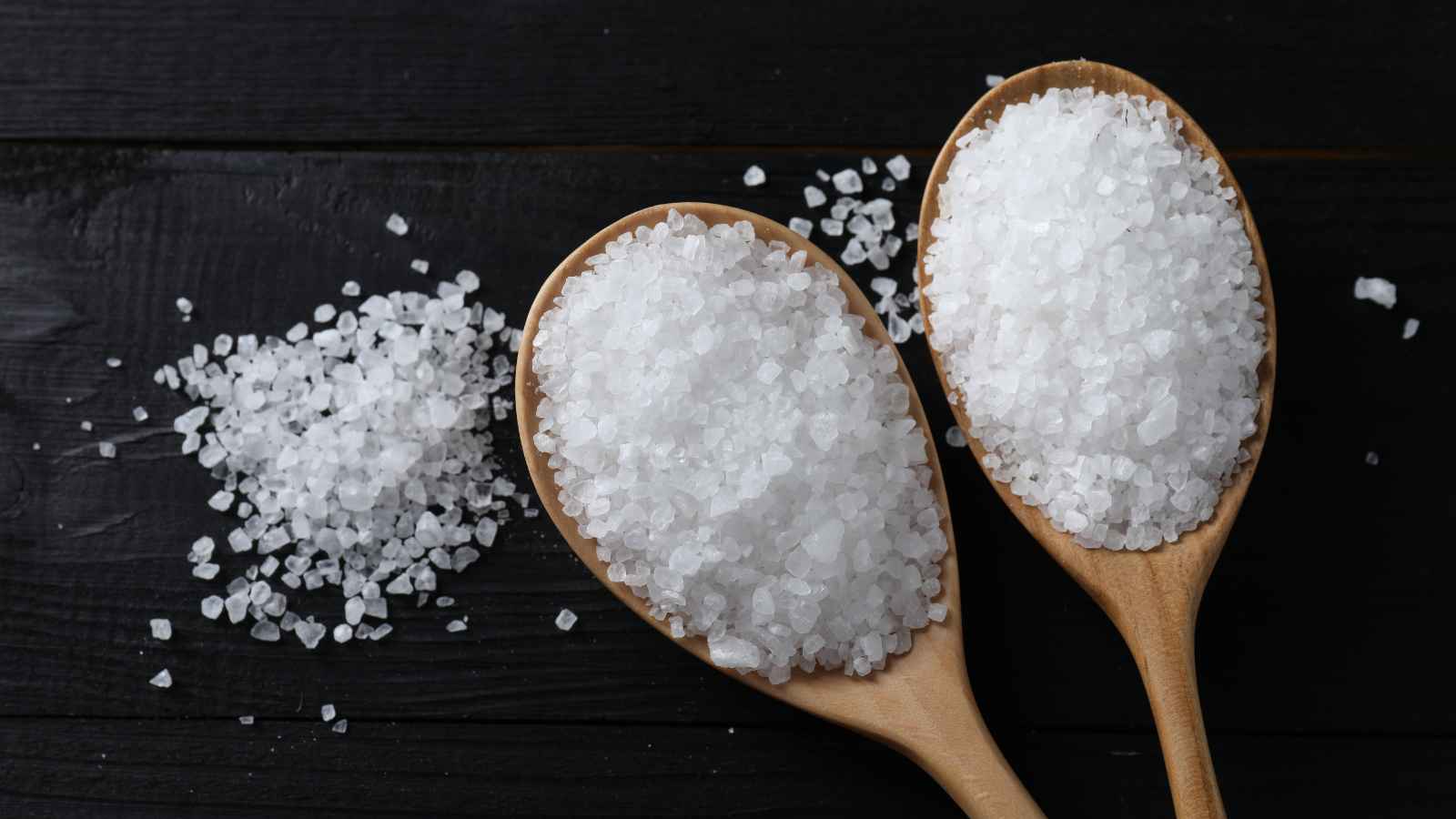
Eliminating all sugar and salt from your diet might sound like a shortcut to perfect health, but it’s not that simple. Completely removing sugar and salt without substitutes can lead to strong cravings, low energy, and even nutritional deficiencies—such as iodine and sodium for salt, and essential micronutrients and fiber if you avoid all sources of sugar, including fruits.
Salt and sodium are necessary for proper fluid balance, nerve function, and muscle health. Eating no salt at all can trigger fatigue, muscle cramps, dehydration, and risk for low blood pressure. Likewise, sugar elimination without smart, nutrient-dense replacements can leave you tired and unsatisfied. The healthiest approach is to avoid added sugars and processed foods, but keep naturally sweet options like fruit, dates, and bananas, plus jaggery or honey as alternatives.
For flavor and nutrition, dietitians advise choosing herbs, spices, citrus, and vinegar instead of added salt. When shopping, prioritize foods labeled “low sodium” and “no added sugar.”
Extreme Intermittent Fasting Isn’t for Everyone

While intermittent fasting can be beneficial for some people, extreme versions—like eating once a day or fasting for days—can backfire spectacularly. Without medical supervision, these approaches may disrupt metabolism and create unhealthy relationships with food.
Recent research found that eating within a window shorter than 8 hours per day is linked to a 135% higher risk of cardiovascular mortality compared to standard eating patterns.
“Until more long-term data are available…intermittent fasting should be individualised and ideally supervised, particularly for people with pre-existing health conditions, and applied for short term only,” advises Dr. Anoop Misra, chairman of Fortis C-Doc.
Watch out for: Obsessive thoughts about eating windows, ignoring hunger cues, bingeing when breaking fasts, or experiencing fatigue and mood swings.
Better approach: If you’re interested in time-restricted eating, start gradually and listen to your body’s signals.
“Internal Shower” (Chia Seed Water)

The “internal shower” trend—drinking chia seed water for an instant digestive cleanse—has gone viral, but science doesn’t support many of the lofty health claims. There is no current medical research showing that chia seed water specifically “detoxifies” the digestive tract or acts as a magic cleanse.
Chia seeds are indeed high in fiber and absorb significant water, which can help promote regular bowel movements and feelings of fullness. However, the fiber acts gradually—not instantly—and the benefits are similar whether seeds are eaten or soaked. Most of the “cleanse” effect is just improved stool bulk, not toxin removal.
Too much chia or a rapid increase in fiber—especially for those unused to a high-fiber diet—may cause bloating, dehydration, and bowel discomfort, as experts caution. Dietitians recommend starting with one tablespoon at a time and increasing fluid intake to compensate.
Red Meat Reality Check

Despite growing health awareness, red meat consumption remains stubbornly high in developed countries. Average intakes range from 83 to 112 grams per person per day—nearly five times higher than in low-income nations. The World Health Organization recommends consuming no more than 14 to 28 grams of red meat per day, or roughly 98–500 grams per week, to lower chronic disease risk.
There’s a strong link between high red meat consumption and increased risks of heart disease and cancer. A systematic review in 2023 found significant positive associations between red meat intake and incidences of cancer (correlation: 0.798), especially colorectal cancer (correlation: 0.625), even after controlling for economic and other lifestyle factors.
Increased intake—an extra 100g/day—was associated with up to a 51% higher risk for multiple cancer types. You don’t need to eliminate red meat entirely, but consider it more of an occasional protein source rather than a daily staple.
The Probiotic and Supplement Overkill

The gut health trend spawned an obsession with probiotics and supplements, with people popping pills and powders hoping to optimize their microbiome. While gut health is important, real improvement comes from dietary diversity, not expensive supplements.
Most supplements aren’t well-regulated, and their benefits are often overstated. Regulatory reviews reveal that nearly 26% of probiotic products lack labeled strain-specific quantities and only 44% of probiotic foods comply with labeling requirements, leaving many consumers uncertain about what they’re actually taking.
Overuse of supplements—without medical guidance or understanding of strains—can cause gut imbalance, symptoms like bloating, brain fog, and even exacerbate digestive disorders such as SIBO.
Your gut bacteria thrive on variety from whole foods like fruits, vegetables, legumes, and fermented foods.
What Actually Works for Long-Term Health

After all this debunking, you might be wondering what actually constitutes healthy eating. The answer is refreshingly simple and decidedly unglamorous.
Focus on these proven strategies:
- Eat a variety of colorful whole foods from all food groups
- Stay adequately hydrated without forcing excessive water intake
- Move your body regularly in ways you enjoy
- Manage stress through healthy coping mechanisms
- Get quality sleep to support all bodily functions
- Practice moderation rather than elimination
Don’t let fear-based marketing or influencer hype derail your common sense. Trust the boring but effective fundamentals, and remember that the most sustainable approach is often the least dramatic one.
Disclaimer – This list is solely the author’s opinion based on research and publicly available information. It is not intended to be professional advice.
Like our content? Be sure to follow us.





