

With more than 30 million Americans living with chronic kidney disease, researchers are increasingly linking common cooking methods like deep-frying and over-salting to long-term kidney damage.
Did you know that something as simple as how you cook your food could be hurting your kidneys? It’s true. Many everyday cooking methods, like deep-frying and over-salting, put extra strain on your kidneys without you even realizing it.
In fact, studies show that over 30 million Americans are living with chronic kidney disease (CKD), and many more are at risk due to their diets. So, why should you care? Because how you cook, what you cook, and the ingredients you use could be silently damaging your kidney health. Don’t worry, though, this article breaks down the worst cooking habits for kidney health and offers easy, healthier alternatives.
Heavy Salting While Cooking
When you’re seasoning your food, it’s easy to just dump in a pinch of salt here and there, but did you know that doing this can overload your kidneys?
The World Health Organization (WHO) recommends less than 2 grams of sodium per day, roughly 5 grams of salt. Yet, the average American consumes twice that amount, primarily through home-cooked meals.
For people with kidney disease, too much salt can worsen high blood pressure and accelerate kidney damage. A recent study of CKD patients found that reducing sodium intake lowered blood pressure and urine protein levels, both of which are crucial markers of kidney function.
So, what’s the fix? Start cooking with minimal salt and rely on fresh herbs, garlic, and citrus for flavor. You’ll be surprised at how much taste you can get from non-salty seasonings.
Deep-Frying Several Times a Week
We all love a crispy treat now and then, but deep-frying foods multiple times a week can seriously hurt your kidneys. A large study found that people who eat fried foods four or more times a week have a higher risk of obesity, type 2 diabetes, and heart disease, conditions that directly affect kidney function.
Fried foods are often high in oxidized fats and advanced glycation end products (AGEs), which contribute to kidney injury. According to Dr. Sarah Lynn, a nephrologist, “Fried food can add unnecessary stress on the kidneys, particularly when consumed frequently. The fats and toxins produced during deep-frying are tough for your kidneys to process.”
The solution? Bake, air-fry, or grill your food instead. These methods produce less harmful fat and toxins while still delivering that crispy texture.
Charring and High-Flame Grilling
If you love a good BBQ, you might want to pay attention. The smoky char on grilled meat is more than just a tasty treat; it’s loaded with cancer-causing compounds like heterocyclic amines (HCAs) and polycyclic aromatic hydrocarbons (PAHs), which are formed at high temperatures.
A study by the University of Texas linked these compounds to kidney cancer, particularly for those with pre-existing kidney disease. And while grilling can add flavor, it also increases the toxin load your kidneys have to filter out. To minimize risks, grill at lower temperatures and avoid visible charring. Marinating meats beforehand can also reduce the formation of harmful compounds.
“Dry” Cooking of High-Potassium Foods
If you have kidney disease, high potassium intake can be a problem. When cooking high-potassium foods like potatoes or beans, not soaking or boiling them beforehand can leave most of the potassium intact, which is bad news for your kidneys.
A 2019 study found that soaking and boiling legumes reduced potassium levels by up to 80%. By skipping this step, you’re not giving your kidneys a break from the extra potassium load.
Kidney dietitians recommend boiling high-potassium foods in plenty of water, draining them, and then cooking them further with less water to reduce potassium levels. If you can’t avoid them entirely, properly soak and boil your veggies to give your kidneys some relief.
Griddling and Pan-Searing Meats Without Pre-Boiling
For those with chronic kidney disease (CKD), controlling phosphorus intake is a big deal. Phosphorus is naturally present in meats, but high-heat cooking, such as pan-searing or griddling, traps more of it in the meat.
A study on beef preparation methods found that par-boiling meat before grilling or searing significantly reduced phosphorus content. Instead of just tossing your steak onto a hot pan, try boiling it first, then finish it off with a quick sear to keep phosphorus in check.
Heavy Use of Processed, Phosphate-Loaded Convenience Foods
This is a sneaky one. You might not realize it, but many processed foods, like ready-made sauces, canned meats, and fast food, are loaded with phosphate additives. These additives can be more readily absorbed by the body than natural phosphorus, contributing to kidney strain.
A review found that people with kidney disease who consumed high-phosphate foods had a 50% higher risk of cardiovascular events. To protect your kidneys, try cooking from scratch more often, using fresh ingredients and avoiding processed foods with phosphate additives. Read your food labels carefully and steer clear of ingredients like phosphoric acid and sodium phosphate.
“Salt Bomb” Sauces and Marinades
Soy sauce, fish sauce, and ready-made marinades can add a lot of sodium to your meal without you even realizing it. Just two tablespoons of regular soy sauce can contribute nearly half of the daily sodium limit for CKD patients.
Consuming too much sodium increases blood pressure, which worsens kidney function. To reduce sodium intake, switch to low-sodium versions of your favorite sauces and experiment with herbs, vinegar, or citrus for added flavor.
Frequent Fast-Food and Deep-Fried Takeout Meals
The fast-food culture is ingrained in many of our lives, but it’s contributing to kidney problems. Regular consumption of fast food, particularly deep-fried items, is linked to a higher risk of obesity, type 2 diabetes, and kidney failure.
A study on fried foods found that eating them four or more times a week increased the risk of kidney disease by 25%. According to nutritionist Kelly Brooks, “Fast food often combines high salt, poor-quality fats, and phosphate additives, creating a perfect storm for kidney damage.” Instead of fast food, try grilling or steaming your meals, and limit your intake of high-sodium, high-fat takeout.
Save this article
Over-Broiling and “Crisping” Everything
We all love that crispy texture, but over-broiling or crisping your food can be problematic. Cooking at extremely high temperatures increases the production of advanced glycation end products (AGEs), which have been linked to kidney damage, oxidative stress, and aging.
Research shows that high-AGE diets are associated with worse kidney function. To avoid this, use moderate temperatures and shorter cooking times. Aim for light browning rather than deep charring, and opt for healthier alternatives like veggie coatings or breadcrumbs.
Cooking Legumes and High-Potassium Foods Only Once
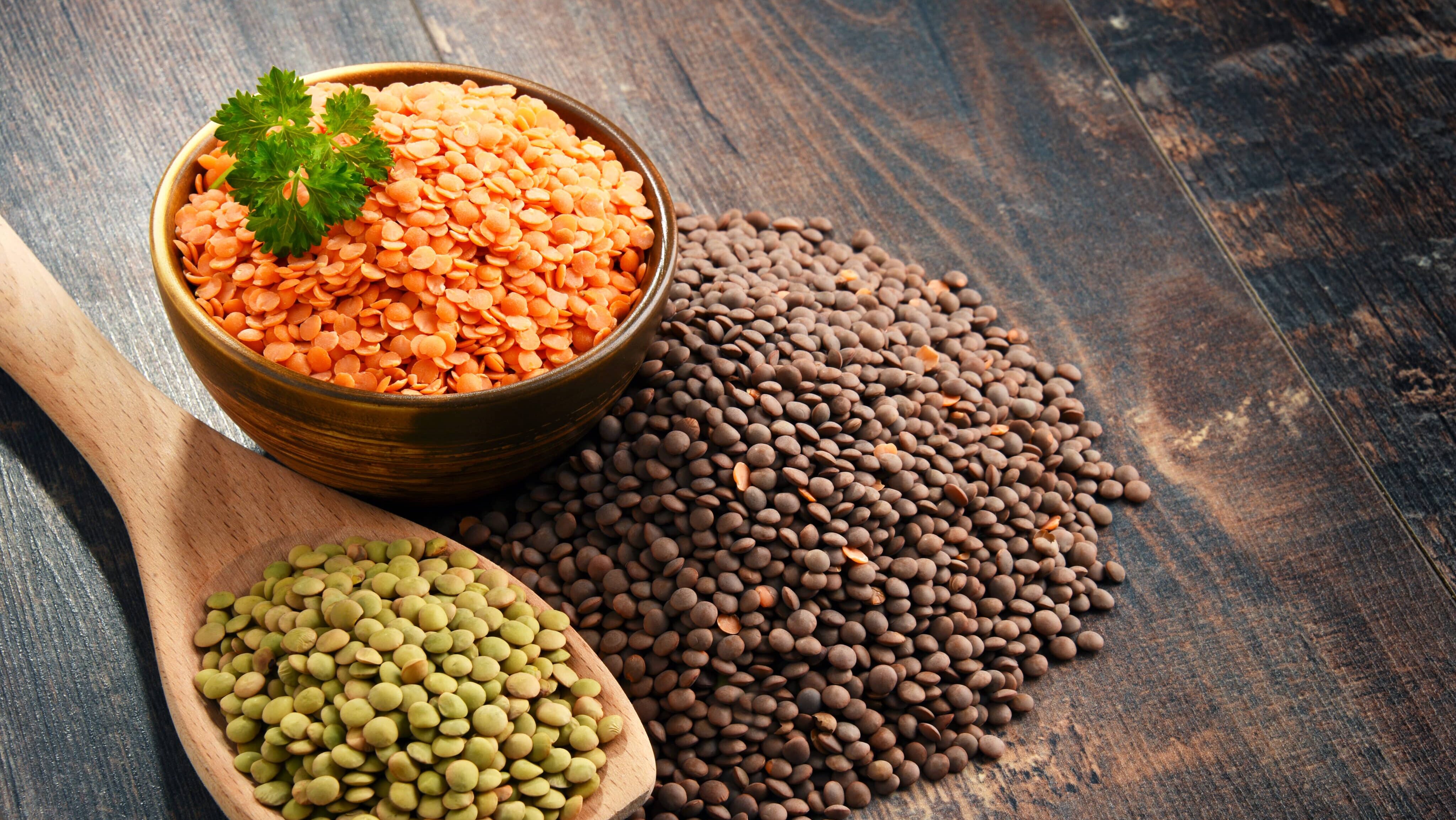
Many people don’t realize that cooking legumes like lentils and chickpeas only once can keep potassium levels too high. A 2019 study showed that soaking and cooking legumes twice reduced potassium by up to 80%, making them safer for kidney patients.
Kidney dietitians recommend soaking beans and legumes, draining the water, and then cooking them in fresh water to minimize potassium content. By taking this extra step, you’re making your meals safer for your kidneys.
Large Portions of Red Meat Cooked at High Heat
Red meat cooked at high heat is another hidden danger to kidney health. Studies have shown that high red-meat intake is linked to CKD progression, partly because of harmful uremic toxins created during digestion.
High-temperature cooking, such as grilling or pan-searing, only adds to this risk, producing even more toxins. To protect your kidneys, reduce your red meat intake and opt for lower-temperature cooking methods like braising or stewing. If you enjoy meat, try balancing it with plant-based proteins and fish.
Cooking Without Measuring Salt, Phosphate, or Portions
Not measuring ingredients, especially salt and phosphate, can make it easy to overload your kidneys without even realizing it. Studies show that people often underestimate how much sodium they consume, which puts extra strain on the kidneys over time.
Instead of cooking by guesswork, use measuring spoons and track your salt intake. For CKD patients, it’s essential to work with a renal dietitian to tailor their sodium and phosphate limits. By being more mindful of your portions, you can take control of your kidney health.
Key Takeaways
- Salt and sodium are the main culprits: The average person consumes far more sodium than recommended, which increases blood pressure and worsens kidney function. Reducing salt intake can help protect your kidneys in the long run.
- Cooking methods matter: High-heat methods like deep-frying and charring produce harmful compounds that damage the kidneys. Instead, opt for lower-heat cooking methods like baking, steaming, or grilling at moderate temperatures.
- Phosphates and processed foods are a hidden danger: Many processed foods contain phosphate additives that are easily absorbed by the body, putting extra strain on the kidneys. Cooking from scratch using fresh ingredients is the best way to avoid this risk.
- Simple adjustments can make a big difference: Swapping high-sodium, high-fat foods for healthier options like fresh vegetables, lean meats, and whole grains can go a long way in maintaining kidney health.
- By making small but effective changes to your cooking habits, you can protect your kidneys and overall health. It’s all about being mindful of what you’re eating, and how you’re cooking it.
More articles:
- 10 notable health advantages of eating asparagus
- Fresh, Flavorful, and Fun: 13 Fresh Spring Low FODMAP Recipes with Rhubarb, Asparagus, Greens & Seasonal Veggies
- 13 Superfoods for Digestive Health You Can’t Ignore
Disclosure: This article was developed with the assistance of AI and was subsequently reviewed, revised, and approved by our editorial team.
Like our content? Follow us on Newsbreak.
15 foods centenarians eat to live to 100

Living to 100 is less about rare genes and more about the everyday foods quietly shaping your health right now.
Reaching the age of 100 might seem like winning a genetic lottery to many people, but research suggests your grocery list plays a massive role. Those vibrant communities known as Blue Zones, where people frequently live past a century, rely heavily on what they put on their dinner plates. We have compiled a list of specific ingredients that act as fuel for a long, healthy life, without needing a magic potion. Learn more
10 foods with more blood pressure benefits than beets

Beets get all the credit for lowering blood pressure, but they’re far from the best option.
We have all heard the hype about beet juice being the miracle elixir for hypertension, and the science technically supports it. However, relying solely on beets is like patching a tire with duct tape because the effects are incredibly temporary and often vanish within a single day. While beets can offer a quick fix, they do not provide the sustainable, long-term support your cardiovascular system needs to stay stable. Learn more.
15 eating habits that can help improve hormone balance after 45
Hormones often feel like the wild card of midlife. In women past 45, hormone levels begin to fluctuate and can have an impact on things as varied as mood and metabolism. Do you know that the World Health Organization says most women experience menopause between the ages of 45 and 55 years?
This normal change reduces the amount of estrogen in your body and alters your physiology. It is estimated that approximately ¾ of women experience menopausal symptoms connected to the hormonal fluctuations that affect energy levels and weight. Learn more.





