Every generation grows up in a world shaped by different tools, expectations, and social norms, but the gap between Gen Z and earlier generations is stark. Born roughly between 1997 and 2012, Gen Z is the first generation to grow up fully immersed in the internet age. In fact, data from the Pew Research Center shows that over 95% of teenagers today have access to a smartphone, and nearly half report being online “almost constantly.”
By contrast, just a few decades ago, daily life looked radically different. Pew Research reports that in 1995, only 14% of U.S. adults had internet access. Technologies, habits, and even social expectations have shifted so quickly that many experiences once considered normal now feel almost impossible to explain to a generation raised on instant access and constant connectivity.
Here are some things from the past that Gen Z may know about, but will likely never fully understand.
Physical Newspaper Classifieds

Finding a job, a used car, or even a new apartment used to require squinting at thousands of tiny, cramped lines of text in the back of the daily paper. You would sit at the kitchen table with a red pen, circling promising leads before they were snapped up by someone else.
By the mid-2000s, revenue from print classified ads had been overtaken by digital marketplaces like Craigslist and Indeed. This shift changed the way we manage career moves, making the process instant and global. For Gen Z, the notion of finding a roommate through a printed blurb in a physical paper feels like a scene from a black-and-white movie.
The Screech Of Dial-Up Internet

Before the convenience of instant Wi-Fi, getting online was a noisy, fragile process that took several minutes of high-pitched mechanical wailing. You had to pray that no one in the house picked up the phone while you were mid-download, or the entire connection would vanish into thin air.
It was a time when the internet was a destination you visited, not a sky you lived under. In the early 2000s, the majority of Americans relied on these slow connections to access the web, a number that plummeted to 3% by 2013.
A single low-quality song could take up to 30 minutes to download, making every digital choice a lesson in commitment. Today, with speeds over 1,000 times faster, that level of patience is a forgotten virtue.
Blockbuster And The Friday Night Hunt

There was a specific magic in walking through the blue and yellow aisles of a video rental store, hoping the movie you wanted wasn’t already checked out. You would spend an hour reading the back of every box, only to settle on a classic and a bucket of popcorn. It was a physical social event that turned choosing a movie into a family adventure.
At its peak in 2004, Blockbuster operated over 9,000 locations globally, serving as the heartbeat of weekend entertainment. However, the sting of late fees was real, with the company raking in nearly $800 million in penalties in the year 2000 alone. Now, streaming has turned that communal hunt into a solitary scroll through a bottomless menu.
Paper Maps And The Art Of Getting Lost

Long before a calm GPS voice told us exactly where to turn, we had to wrestle with giant paper maps that never folded back correctly. Navigating a new city involved a navigator in the passenger seat frantically tracing lines while the driver tried to spot street signs in the dark.
It was a high-stakes game of teamwork that often tested even the strongest relationships. While some older adults still prefer paper maps for planning, Gen Z almost exclusively uses interactive apps on their phones.
Being “lost” used to be a legitimate part of any road trip, often leading to a random diner or a scenic overlook. Today, the blue dot on the screen ensures that we always know exactly where we are standing.
Landlines And The Shared Family Phone

Having a single phone in the kitchen meant that every call you received was a public event for the entire household. You had to ask a parent’s permission to use the line and hope your friends didn’t call during dinner or late at night. There was no caller ID, so every ring was a mystery that required a brave soul to go and investigate.
By the year 2000, only 2.4% of homes lacked a telephone, but by 2025, only 72% of adults lived in households with a landline. This shift away from a shared family tool has made communication much more private and individual. The curly phone cord’s tether was the only thing keeping us in one place during a long chat.
Waiting For Photos To Develop

In the age of film, you never truly knew if you captured the perfect shot until a week after your vacation was over. You would drop off a roll of film at the store and wait with bated breath for the envelope of prints to arrive.
Often, you would find that half the photos were blurry or had someone’s thumb covering the most important part of the view.
Historical data shows that film photography dominated for over a century before digital cameras took over in the early 2000s. Innovation expert notes that computing is moving from command-based to intent-based, a far cry from the purely physical process of chemical development. We used to treasure every print because we only had 24 chances to get it right per roll.
Taping Songs Off The Radio

Save this article
Before Spotify playlists, the only way to “own” a song for free was to sit by the radio with a blank cassette tape ready. You had to have lightning-fast reflexes to hit record the moment the DJ stopped talking and before the music started. It was a labor of love that resulted in a collection of tapes with chopped-off intros and static-filled bridges.
This DIY approach to music was the original way to create a personalized soundtrack, long before algorithms did the work for us. We would spend hours curating the perfect mix for a crush or a long drive to the beach with friends. It made every song feel like a hard-won prize rather than just another track in a limitless digital library.
The Phone Book As A Booster Seat

The Yellow Pages was a massive, yellow-brick book that sat under every telephone and served as the ultimate local search engine. If you needed a plumber or a pizza place, you let your fingers do the walking through thousands of thin, crinkly pages.
It was so thick and heavy that it frequently doubled as a step stool for small children or a booster seat at the table. Today, the idea of a physical book containing every phone number in town seems like a massive waste of paper and space.
Digital searches have made such a heavy directory unnecessary, making information instant and weightless. Still, there was something satisfying about the thud that book made when you dropped it on the kitchen counter.
Encyclopedias On The Bookshelf

Doing a school report used to involve a trip to the library or a heavy set of leather-bound books in the living room. These volumes were the sum of human knowledge at the time, but they were often years out of date by the time you read them.
There was no “search” bar; you just had to know your alphabet and have the patience to scan through columns of tiny text. Since the launch of Wikipedia in 2001, the need for these expensive, bulky sets has almost entirely disappeared from the average home.
Information now moves at the speed of light, ensuring that our financial reports and history projects always use the latest data. The silence of a library and the smell of old paper are things that digital natives might only experience as a novelty.
Manual Car Windows And Door Locks
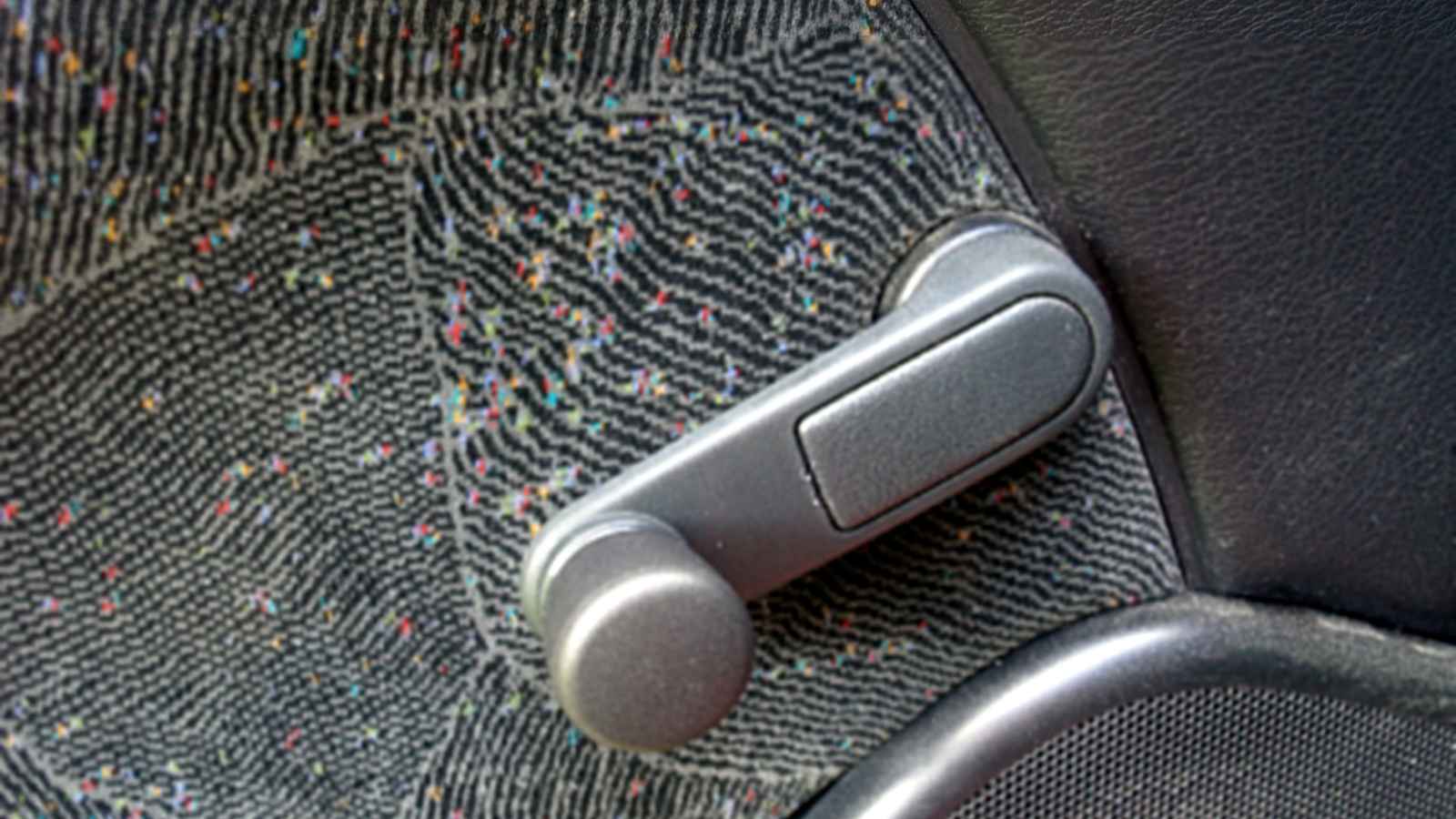
There was a time when getting some fresh air in the back seat required a serious arm workout with a plastic crank. You also had to lean across the entire car to lock the passenger door, or walk around the outside to manually check every handle.
It was a tactile part of driving that made you feel like you were truly operating a complex piece of heavy machinery. Today, power windows and central locking are standard in nearly 100% of new vehicles sold in the United States.
This small convenience has removed a tiny bit of the physical effort we used to put into our daily commutes. For many Gen Z drivers, the sight of a window crank is as confusing as a rotary phone dial.
The Newspaper At The Front Door

Waking up to the sound of a paper hitting the driveway was the official start of the day for millions of families. You would fight over the comics section or the sports pages while eating breakfast before heading out to work or school. It was a tangible ritual that connected you to your local community and the world at large.
Print circulation has seen a steady decline for decades as news has moved into the palm of our hands through social media feeds. In 2026, over 41% of Gen Z turns to social platforms first for information rather than traditional news sources. The ink on your fingertips and the crinkle of a broadsheet are sensations that are rapidly becoming a thing of the past.
TV Guides And Local Listings

Before the advent of on-screen menus and digital search bars, finding out what was on television was a weekly mission. Families would grab the thin, newsprint booklet that arrived with the Sunday paper and circle the shows they did not want to miss. If you lost that little guide, you were flying blind, flipping through channels one by one to see what might be playing.
At its peak in the 1970s, TV Guide was the most circulated magazine in America, reaching millions of homes every single week. Today, the idea of a physical book to navigate a television schedule seems like an unnecessary chore to a generation used to smart interfaces. The ritual of planning your week around a specific airtime is a relic of a pre-streaming era.
Key Takeaway

The objects of our past were more than just tools; they were the anchors of a slower, more deliberate way of living. While Gen Z enjoys a world of instant connection and limitless data, they may never fully know the quiet anticipation of a dial-up tone or a developing photo. These analog relics remind us that even in a digital age, the memories we build are often made of much sturdier stuff than pixels.
Disclaimer: This list is solely the author’s opinion based on research and publicly available information. It is not intended to be professional advice.
Like our content? Be sure to follow us