

When nearly 8 in 10 dating app users say they feel burned out, the problem is no longer bad luck in love but the system itself.
Dating is supposed to feel like a story. Lately, it feels more like a group project that never ends, and no one agreed to join. In the United States, about 30 percent of adults have used a dating site or app, and more than half of adults under 30 have tried online dating, according to a 2022–2023 survey from the Pew Research Center. That means the tired, eye‑rolling “I hate these apps” rant is not niche. It is mainstream.
The numbers back up that sigh. A 2024 Forbes Health survey of 1,000 U.S. dating app users, run with research firm OnePoll, found that 78 percent feel some level of burnout from dating apps. Women reported even higher burnout than men, at 80 percent versus 74 percent, and about 79 percent of Gen Z and millennials said they were already exhausted by the process.
If you’re tired, you’re not the glitch in the system. You’re the norm, and the next twelve points explain why.
Dating App Burnout Is Practically the Default
In a 2024 Forbes Health and OnePoll survey of 1,000 U.S. app users, 78 percent said they feel mentally or emotionally fatigued by dating apps at least sometimes. Burnout is worse for women. In that same survey, 80 percent of women reported burnout compared with 74 percent of men.
Younger adults are especially tired. Coverage of the survey notes that about 79 percent of Gen Z and 79 percent of millennials feel burned out, compared with 77 percent of Gen X and 69 percent of baby boomers.
Sex therapist Dr. Rufus Tony Spann told Forbes that this constant cycle of meeting, disappointment, and dishonesty can lead to “a loss of hope in the search for the right partner,” which is a brutal sentence to read if you are still swiping.
Swipe Culture Turns People Into Disposable Content
On most dating apps, a person becomes a thumb movement. Mentor Research, in its work on swipe culture, describes how apps train us to treat potential partners like “disposable commodities,” judged in a split second by photos and a tiny bio.
In interviews and surveys they cite, singles admit to swiping through hundreds of profiles in a night, comparing the experience to scrolling TikTok or pulling a slot machine lever. Articles on choice overload from sites like Quick and Dirty Tips explain that this game-like design gives short bursts of dopamine but does not build real connection.
The more you treat people like content, the easier it is to forget there is a nervous, hopeful human behind each profile picture. That mindset quietly drains your empathy, and with it, your energy to keep trying.
Choice Overload Makes Everyone Less Satisfied
Dating apps promise freedom. In practice, they often give you a headache. Writers like Essy Knopf draw on psychological work about the “paradox of choice,” which shows that when people have too many options, they feel more stress, more regret, and less happiness with any one decision.
When you face a long list of possible partners, your brain struggles to compare them and to feel good about the final pick. PsychVarsity, a psychology education site, notes that this constant comparing and second-guessing makes it harder to feel sure about anyone, even when they are kind and compatible.
Apps then push users to “maximize” every choice, feeding a loop where you always wonder if someone better is waiting one swipe away.
Situationships Keep People Stuck in the Gray Area
Welcome to the land of “what are we.” A 2024 YouGov poll of 1,110 U.S. adults found that 39 percent had been in a situationship. For Americans aged 18 to 34, it is even more common. In that age group, half said they have been in a situationship, where the relationship has feelings but no clear label or plan.
More than half of situationships still start offline, yet social media now kicks off 17 percent overall and nearly 29 percent among 18- to 34-year-olds. Tinder’s “Year in Swipe” report has openly acknowledged how normal this gray zone has become, while also noting a newer push toward more “intentional” dating with clearer expectations.
Living in that blurry in-between space can feel exciting at first, then slowly wear you down as you keep guessing where you stand.
Ghosting, Gaslighting, and Soft Cruelty Hit Mental Health
Modern dating has invented new ways to hurt without touching. In 2025, researchers from the University of Brighton in the UK and the University of Coimbra in Portugal studied 544 adults aged 18 to 40. Their study found that being ghosted or controlled by a partner was linked to higher levels of paranoia, while being gaslit was linked to higher depression symptoms.
These behaviors are now “very common” in everyday relationships and are warned that they can have serious mental health effects, especially for younger and lower-income people. Psychology Today’s coverage of ghosting adds another layer.
Many people ghost to avoid conflict or because they do not know how to end things kindly, but the silent treatment still leaves the other person confused, hurt, and less able to trust future partners.
Hookup Culture Leaves Emotional Hangovers
Hookup culture promises no strings. Research keeps finding a lot of knots. A study published in the journal Archives of Sexual Behavior looked at college-age students and found that negative hookup experiences were tied to poorer mental health outcomes, including more distress and regret for both men and women.
Psychology Today has reported that many adults describe ghosting after sex or treating hookups as disposable as part of the “normal script” now, even though most people say they prefer honest conversations when things end. That mismatch between what feels respectful and what actually happens makes it hard to relax or feel safe, even in casual encounters.
Over time, it turns dating into a place where you expect to be dropped without explanation, which is the opposite of a fun, carefree vibe. Your body may move on, but your brain keeps the receipts.
Algorithm Anxiety and “Always Online” Pressure
Even when you are not on a date, dating can sit in your pocket, buzzing. A 2023 study in the journal Children and Youth Services Review found that passive scrolling was linked to higher social anxiety and lower communication skills, while more active, deliberate use was linked to lower anxiety and better communication.
Social media habits focused on comparison and approval were associated with higher depression and anxiety levels. Dating apps work in very similar ways, with likes, matches, and read receipts. Watching who answered you, who ignored you, and who is online but silent can become a full-time emotional job.
More dating articles:
Save this article
- Why dating apps can feel like everyone is competing for the same few people
- Avoid dating these 13 women at all costs: they’re a waste of time
- 12 reasons some men are saying they’re done with dating
Ambiguous Labels and a Communication Skills Gap
Our vocabulary for love has exploded. Our ability to speak plainly has not kept up. Tinder’s press materials and “Year in Swipe” recaps talk about terms like situationships, friends with benefits, “micro connections,” and other short-lived flings that younger users recognize instantly.
The University of Brighton and Psychology Today both highlight another problem behind this. Many people now ghost or fade out, not because they enjoy hurting others, but because they do not feel skilled or brave enough to have direct, uncomfortable talks.
That communication gap means many relationships end without closure or explanation. When silence becomes the default breakup style, everyone is left guessing and, eventually, doubting themselves.
Emotional Labor and Constant “Self Branding”
Dating apps ask you to be both the product and the advertiser. People are encouraged to treat themselves like brands, carefully choosing photos, prompts, and messages to stand out in a crowded feed.
This takes a lot of emotional labor. You are not just showing up as yourself. You are editing yourself, over and over, for strangers. Studies on social media in journals like the Journal of Medical Internet Research show that heavy, comparison-based use of positive content can be linked to higher depression.
The more you watch other people’s highlight reels, the easier it is to feel like you are failing. Apply that to dating, and you get nights spent staring at perfect couples and clever profiles while tweaking your own, and wondering why you still feel alone.
Misaligned Intentions and “Dating Like a Job”
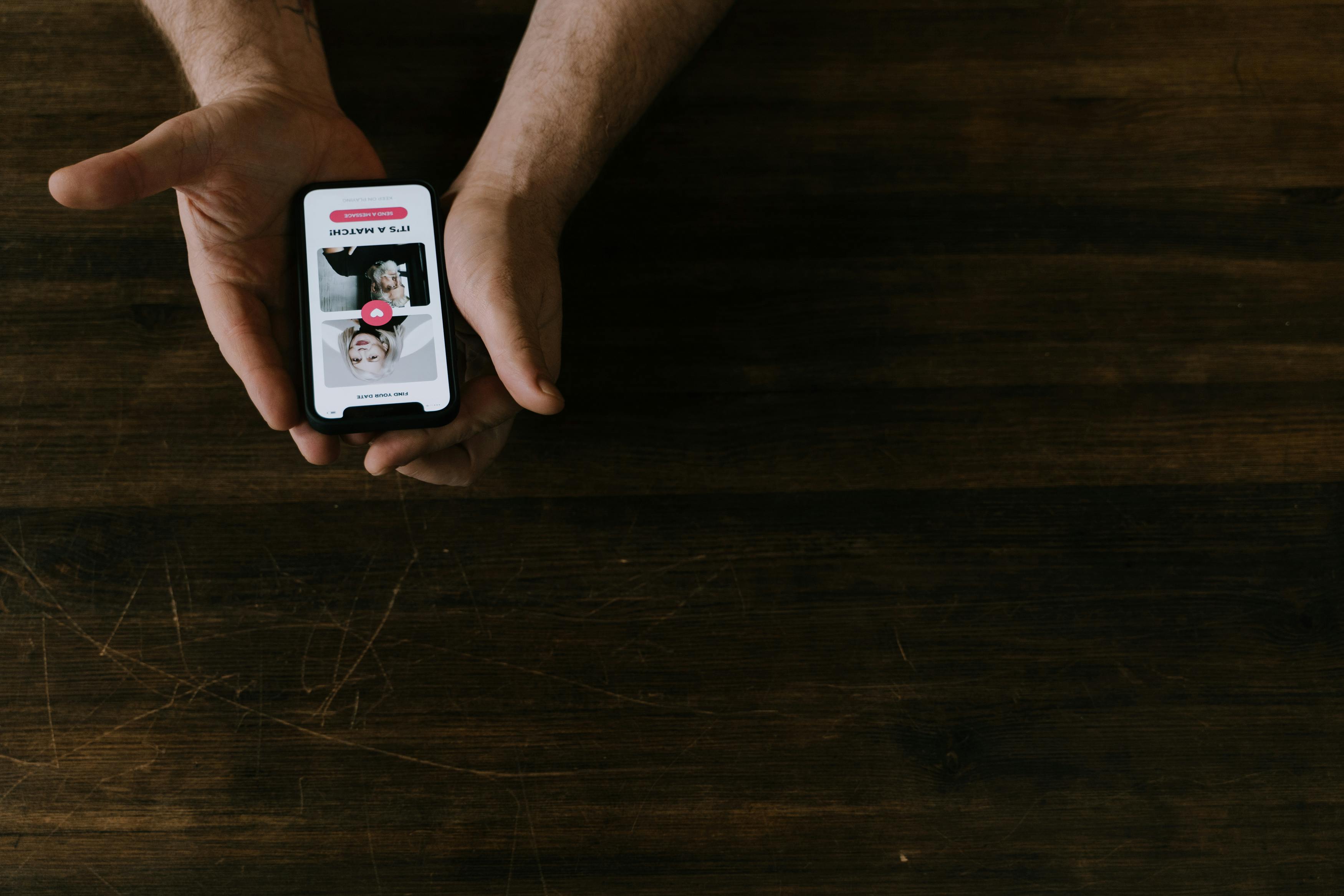
A lot of people are dating on apps with totally different goals. StudyFinds reported on research showing that 8 in 10 Americans say they have experienced some level of dating app burnout, and many describe dating as a second job.
You send messages, manage chats, answer small talk, and rearrange your schedule, yet often see very little payoff. Some users compare the process to a series of job interviews, where you keep turning up but rarely get clear feedback or closure. At the same time, data shared by Tinder and Bumble shows a growing trend they call “intentional dating.”
Tinder’s 2024 report says singles now rank trustworthiness, shared values, emotional availability, and shared interests as top priorities. That shift suggests many people are tired of misaligned intentions and are actively trying to make dating feel less like unpaid labor and more like a mutual choice.
Safety Fears and Trust Erosion
Underneath the jokes about worst dates ever, there is fear. The Brighton and Coimbra study on ghosting and gaslighting showed that these behaviors can damage mental health and trust. People often ghost or cut contact to escape situations they see as toxic or unsafe.
A paper in the journal Media and Communication, which examined “ghosting” on Tinder, described how digital platforms make it easy to disconnect without explanation, and how that changes expectations in dating.
Mentor Research’s reports on swipe fatigue add that repeated experiences of dishonesty, catfishing, and sudden disappearing acts slowly erode the basic trust people bring into new connections.
Eventually, many daters go into every conversation with their guard already up, trying to protect themselves from hurts that have not even happened yet.
Quiet Rebellion: Slow Dating and Opting Out
Here is the part that feels a bit like hope. In response to all this burnout, some people are quietly changing how they date. Articles on 2024 dating trends from outlets like Image.ie report that Bumble’s research found nearly one in three singles are choosing to “slow date.”
That means seeing fewer people, being more selective, and taking time to decide if someone is right before rushing into anything. Tinder’s 2024 “Year in Swipe” data shows a similar trend. According to their report, singles are now placing high importance on trustworthiness, shared values, emotional availability, and shared interests.
Mentor Research and StudyFinds both describe a growing “swipe fatigue,” with more people deleting apps, taking breaks, or turning back to meeting through friends, hobbies, and local communities. The rebellion is quiet but clear. In a world of endless options, more people are choosing quality, slowness, and sanity.
Disclosure: This article was developed with the assistance of AI and was subsequently reviewed, revised, and approved by our editorial team.
Like our content? Be sure to follow us on Newsbreak.
13 truths of dating a much younger woman

An IPSOS poll found that nearly 4 in 10 U.S. adults (39%) say they’ve dated someone with an age gap of 10 years or more. Men are notably more likely than women to have dated a younger partner, 25% compared to 14%.
The image of the distinguished older gentleman with a vibrant younger partner is a classic romantic trope. While these relationships can be exciting and fulfilling, they come with unique challenges that go beyond public opinion. The reality of bridging a significant age gap requires more than just chemistry and attraction. Read more.
12 Reasons Why Dating Is Falling Apart for Men—And How Bad It’s Really Become

A study from the Pew Research Center found that 47% of U.S. adults say dating has gotten harder in the last decade.
Dating has changed drastically over the years, and many men are feeling its effects. Once seen as a straightforward process of meeting, courting, and building relationships, dating today seems more complicated than ever. With shifting social dynamics, evolving gender roles, and new technologies, many men find themselves struggling to navigate the modern dating landscape. As a result, frustrations are mounting, and men are increasingly asking: What’s really going wrong? Learn more.





