For many Americans, eating dinner from a convenience store sounds like something you do when every other option has failed.
In Japan, people line up for egg sandwiches.
Japanese convenience stores—or konbini—have become unlikely social-media stars, with visitors documenting meticulously packed onigiri, fluffy tamago sandos, hot fried chicken, bento boxes, desserts and canned coffee as enthusiastically as meals from famous restaurants.
The fascination has become so strong that tourists can now book guided konbini tours. What looks from the outside like a familiar 7-Eleven turns out to operate according to a very different idea of what “convenience food” can be.
Japanese convenience stores sell meals, not just emergency snacks
Walk into many American convenience stores and the food strategy is recognizable: packaged snacks, bottled drinks, candy, hot dogs and a limited assortment of ready-to-eat items.
A Japanese konbini has a different relationship with meals.
Refrigerated cases may hold rice balls stuffed with salmon or tuna, cold noodles, salads, sandwiches and multi-component bento boxes. Hot counters offer fried chicken and steamed buns. Desserts, seasonal foods and limited-edition products can change frequently.
The result is a store designed not merely for someone who needs a snack, but for someone who hasn’t cooked breakfast, needs lunch between meetings or wants dinner on the way home.
Tokyo’s official information site describes konbini as a cornerstone of everyday Japanese life, supplying food and household necessities alongside services such as bill payment and ticketing.
The first secret of konbini isn’t that convenience-store food is unusually good; it’s that the store is built around an entirely different expectation of what convenient food should be.
The egg sandwich became an ambassador
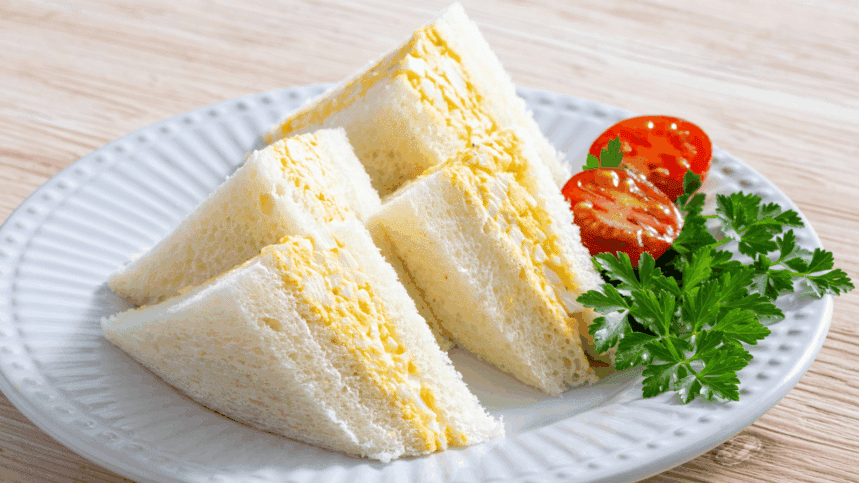
No single item represents the international konbini obsession quite like the tamago sando.
It sounds almost comically ordinary: egg salad between slices of soft white bread. Yet travelers describe the combination of creamy filling and pillowy shokupan with the enthusiasm normally reserved for elaborate restaurant dishes.
Onigiri has become similarly iconic. The triangular rice parcels come with fillings ranging from salmon and tuna mayonnaise to pickled plum, often using ingenious packaging that keeps the crisp sheet of nori separated from the rice until the customer opens it.
These foods photograph well, they’re inexpensive enough for travelers to try several at once and they seem simultaneously familiar and different—an especially effective recipe for social-media virality.
Konbini food succeeds online because it turns mundane foods—an egg sandwich, a rice ball, fried chicken—into tiny objects of discovery.
Constant novelty gives people a reason to come back
Convenience is only part of the appeal. Novelty matters too.
Japanese retail culture puts enormous emphasis on new products, collaborations and seasonal flavors. A customer who walks into the same store next month may find new desserts, beverages, rice-ball fillings or limited-edition products waiting near familiar staples.
That pace creates something social media loves: discovery.
Save this article
The store becomes a miniature product-testing laboratory. People don’t just buy food there; they compare chains, rank new releases and tell one another what is worth trying.
A constantly changing shelf turns a routine purchase into the possibility of finding something new—and that is a powerful reason to keep checking back.
Tourists are experiencing ordinary Japanese life through food
There is another reason the konbini craze feels different from many viral food trends: Japanese people weren’t waiting for tourists to discover these stores.
They were already part of everyday life.
For travelers, that makes a visit feel unusually accessible. You don’t need a reservation, fluent Japanese or a large budget. You can enter the same shop used by office workers, students and commuters and participate in a small piece of daily life almost immediately.
That may also explain why the experience becomes such potent social-media content. A Michelin-starred restaurant is extraordinary precisely because most people don’t eat there every day. Konbini fascination reverses the equation: visitors become captivated by how enjoyable something so ordinary can be.
The cultural appeal isn’t just “look at this amazing sandwich.” It’s the realization that another country has designed an everyday food experience very differently.
Convenience doesn’t have to mean joyless
There is a larger lifestyle story hiding inside all those viral egg sandwiches.
Modern consumers want food to be fast, affordable and portable, but they increasingly resist the idea that convenience must mean low expectations. Japanese konbini show one version of a system in which those needs can coexist with variety, presentation and continual innovation.
That does not mean every convenience-store meal in Japan is nutritionally ideal or that the model can simply be copied elsewhere. Konbini foods can still be highly processed or contain substantial sodium, refined carbohydrates and other ingredients people may want to moderate.
Their appeal is more fundamental: They make everyday food feel considered.
The lesson of the konbini craze may be that people aren’t tired of convenience food—they’re tired of convenience food that feels like a compromise.
Final word
Japanese convenience stores have been around for decades. What’s new is the size of the global audience watching them.
Tourism and social media have transformed something deeply ordinary in Japan into a cultural attraction abroad. Yet the foods going viral aren’t necessarily extravagant. They are egg sandwiches, rice balls, noodles, coffee and desserts—familiar pleasures executed with unusual attention to convenience and variety.
Perhaps that’s why konbini resonate so strongly: they suggest that one of the least glamorous parts of modern life—grabbing something quick to eat—doesn’t have to feel forgettable.
If an American convenience store sold food like a Japanese konbini, would you actually start buying meals there?
More Articles You Might Like:
- Why Food Experts Advise Against Adding Mayo to Tuna Sandwiches
- Low FODMAP Japanese Pickles
- Traveling with IBS: Sicily is A Low FODMAP Dream Destination