

In the United States, ultra-processed foods now make up most daily calories, turning snack choices into a public health concern.
Ultra-processed snacks are designed to be convenient and irresistible—think chips, packaged cookies, and neon-colored gummies that stay “fresh” for months. They are often cheap, easy to overeat, and heavily marketed as fun or even “better-for-you.” But behind the bright packaging, many of these snacks are built from refined starches, added sugars, unhealthy fats, and additives rather than whole foods.
Researchers now estimate that ultra-processed foods make up a large share of the modern diet in many countries, especially in the United States, where they account for a majority of calories for both kids and adults. Over time, frequently leaning on these products instead of minimally processed foods has been linked to higher risks of obesity, heart disease, type 2 diabetes, cancer, mental health issues, and earlier death from any cause.pmc.ncbi.nlm.nih+10
Here are seven common types of ultra-processed snacks that may be linked to long-term health risks—and what to reach for instead.
1. Potato Chips and Similar Savory Snacks

Potato chips, cheese puffs, and many other crispy snacks are classic examples of ultra-processed foods: they are made with refined starches or powdered potatoes, industrial oils, and generous amounts of salt and flavor enhancers. These snacks tend to be calorie-dense, low in fiber and protein, and engineered to be “craveable,” which makes it easy to eat far more than a typical serving.
Regularly eating these types of snacks has been associated with weight gain and higher risks of obesity-related conditions, including heart disease, type 2 diabetes, and some cancers. One review of long-term data found that higher intake of ultra-processed foods such as chips and ready-to-eat snacks was linked to increased risk of multiple chronic diseases and overall mortality.
Try instead: Air-popped popcorn (lightly seasoned), nuts and seeds, or sliced veggies with hummus provide crunch with more fiber, protein, and nutrients.
2. Packaged Cookies, Cakes, and Pastries
Packaged cookies, snack cakes, and pastries combine refined flour, added sugars, and saturated or trans fats with emulsifiers and preservatives that extend shelf life and enhance texture. This combination can contribute to blood sugar spikes, increased hunger later, and a higher overall calorie intake.
Studies have linked diets high in sugary ultra-processed foods to increased risks of obesity, type 2 diabetes, heart disease, and certain cancers over time. A large analysis from Tufts University, for example, found that as the percentage of calories from ultra-processed foods goes up, the risk of dying from any cause rises as well.
Try instead: If you want something sweet, choose a piece of fruit, yogurt with berries, or a small portion of a dessert made from mostly whole-food ingredients and enjoy it mindfully.
3. Candy and Sugary Gummies
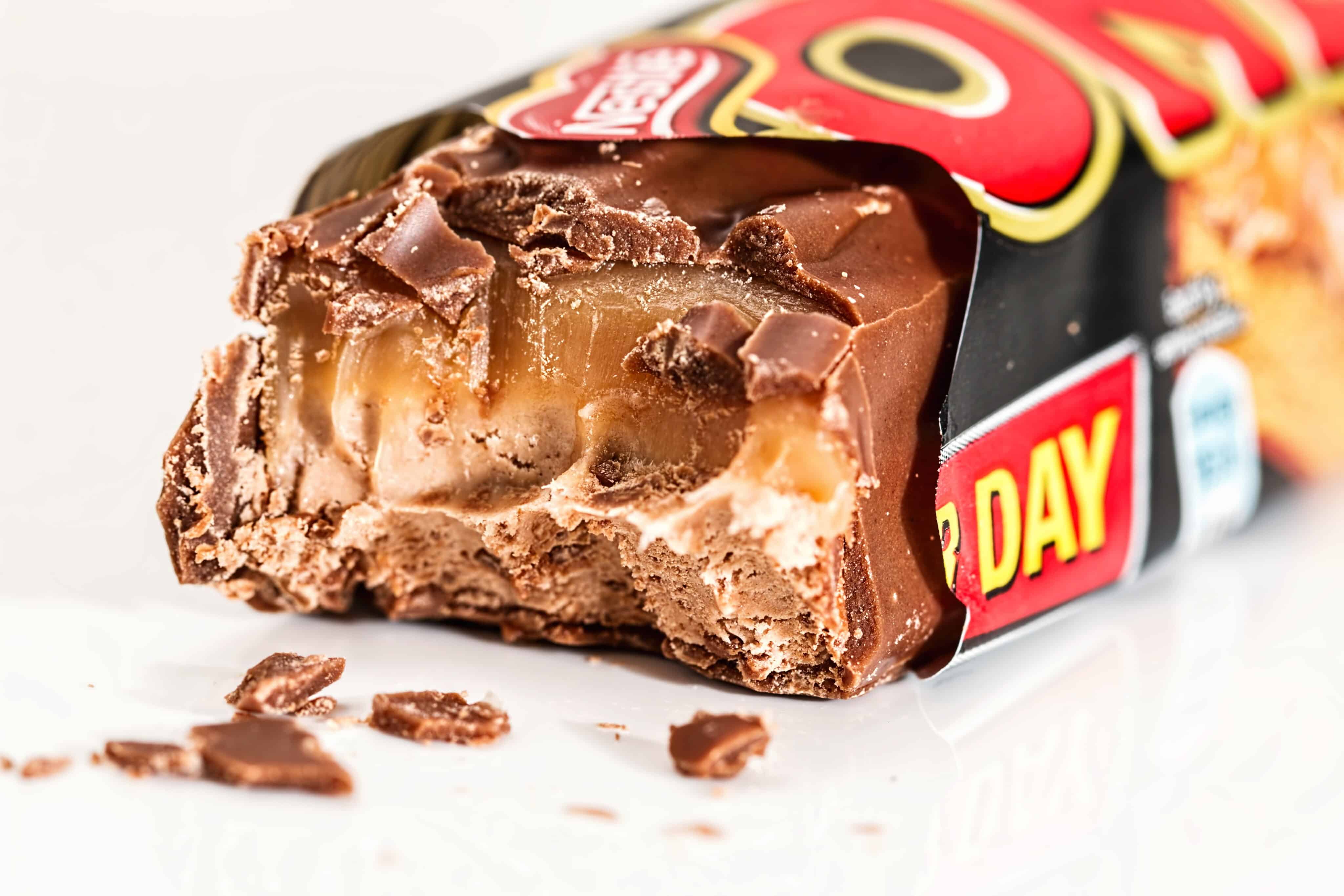
Many candies and gummies are almost entirely made of sugar, corn syrup, artificial colors, and flavorings, with little to no fiber, protein, or healthy fats to slow down absorption. This means they can cause rapid blood sugar spikes followed by crashes, which may drive cravings and overeating
High intake of added sugar—especially from ultra-processed foods and drinks—has been linked to weight gain, fatty liver, type 2 diabetes, and an increased risk of several cancers through mechanisms related to obesity and chronic inflammation. A major review of ultra-processed foods found that frequent consumption of products rich in added sugar, fat, and sodium was associated with higher rates of noncommunicable chronic diseases.
Try instead: Satisfy a sweet tooth with fresh fruit, dried fruit in small amounts, or dark chocolate with a high cocoa content, and pair it with nuts or yogurt for staying power.
4. Flavored Crackers and Snack Mixes
Flavored crackers, snack mixes, and many “savory thins” might look lighter than chips, but they can still be ultra-processed, made from refined flours, vegetable oils, flavor powders, and high amounts of sodium. These products often offer quick energy but little in the way of fiber, protein, or micronutrients.
Regularly swapping whole foods for these snacks may crowd out healthier options and contribute to higher blood pressure, weight gain, and poor cardiometabolic health over time. Research from heart-health organizations shows that higher intake of ultra-processed foods—including packaged snacks—is associated with increased risk of high blood pressure, cardiovascular disease, and early death.
Try instead: Look for minimally processed whole-grain crackers with short ingredient lists, and pair them with hummus, nut butter, or cheese, or choose nuts, seeds, or roasted chickpeas.
Save this article
5. Sweetened Breakfast Bars and “Energy” Bars
Many breakfast bars and snack bars are marketed as healthy or “energy-boosting,” but some are closer to candy bars, with added sugars, refined grains, and syrups making up a large portion of their calories. Even when they contain oats or nuts, they can still be classified as ultra-processed if they rely heavily on industrial ingredients and sweeteners.
Over time, relying on these types of bars instead of balanced meals or whole-food snacks may contribute to excess calorie intake, blood sugar swings, and increased risk of metabolic disorders. Reviews of ultra-processed foods note that their convenience and palatability can promote overeating and weight gain, which play a central role in many chronic diseases.
Try instead: Choose bars with mostly recognizable ingredients (like nuts, seeds, and whole grains) and little to no added sugar, or build your own snack with a piece of fruit plus nuts, yogurt, or hard-boiled eggs.
You may want to read: Protein bars seem smart—but these 8 types may be closer to candy than nutrition
6. Instant Noodle Cups and Shelf-Stable Snack Meals
Instant noodle cups, microwavable snack bowls, and similar “just add water” or “heat and eat” options blur the line between meals and snacks, but many people use them as quick mini-meals between eating occasions. These products often contain refined starches, high levels of sodium, saturated fats, and food additives such as flavor enhancers and preservatives.
Long-term, frequent consumption of ultra-processed ready-to-eat products has been linked to higher blood pressure, heart disease, kidney strain, and increased mortality. A systematic review of ultra-processed foods found associations between higher intake and multiple noncommunicable chronic diseases, including cardiovascular disease and type 2 diabetes.
Try instead: Prep simple whole-food options like leftover brown rice with beans, frozen vegetables, or soup made from mostly whole ingredients, and reheat those for quick meals.
7. “Diet” or Low-Sugar Ultra-Processed Snacks
Not all ultra-processed snacks are high in sugar; some rely on artificial sweeteners or sugar alcohols and are marketed as “light,” “keto,” or “low-carb.” These products may still be ultra-processed, built from refined ingredients, synthetic additives, and industrial fats. While they can cut calories or sugar in the short term, they may still encourage a strong preference for highly engineered, intensely flavored foods.
Evidence is still emerging, but some studies suggest that diets high in ultra-processed foods—regardless of whether they are sweetened with sugar or artificial sweeteners—are linked with higher risks of obesity, metabolic issues, and mental health concerns. A large review reported associations between ultra-processed food intake and conditions including depression, anxiety, sleep problems, and cognitive decline, in addition to cardiometabolic disease.
Try instead: When possible, focus on snacks based on whole or minimally processed foods—such as fruit, vegetables, nuts, seeds, yogurt, or leftover home-cooked dishes—and use “diet” packaged snacks as occasional add-ons rather than staples.
Why Ultra-Processed Snacks Pose Long-Term Risks
Ultra-processed snacks share several features that may help explain why they are linked to long-term health risks:
- They are typically high in added sugar, sodium, and unhealthy fats, and low in fiber, protein, and micronutrients.ysph.yale+4
- Their texture, flavor, and energy density can encourage rapid eating and overeating, promoting weight gain and metabolic stress.pubmed.ncbi.nlm.nih+2
- Additives, emulsifiers, and industrial processing may also affect the gut microbiome, inflammation, and how the body processes food, although this area is still being studied.bhf+4
A 2024 review of dozens of studies involving nearly 10 million people found that higher consumption of ultra-processed foods was associated with increased risk of at least 32 health outcomes, including cardiovascular disease, type 2 diabetes, mental health disorders, several cancers, and early death.
Public health agencies now highlight reducing ultra-processed foods as an important step for preventing diet-related chronic diseases.
Simple Ways to Cut Back Without Feeling Deprived
You do not need to eliminate every packaged snack overnight to support better long-term health. Instead, try gradual shifts:
- Swap one ultra-processed snack a day for a whole-food alternative, like fruit with nuts, yogurt, or veggies and dip.
- Keep healthier options visible and easy to grab, and store ultra-processed snacks out of sight or for specific occasions.
- Check ingredient lists and choose products with shorter, more recognizable components when you do buy packaged snacks.
- Build meals around minimally processed foods—such as vegetables, fruits, whole grains, beans, nuts, seeds, fish, and lean meats—so snacks become smaller “add-ons,” not the backbone of your diet.
Over months and years, these small changes can add up, reducing your exposure to ultra-processed snacks and supporting better weight, heart health, blood sugar control, and overall well-being.
You may be interested in reading:





