A great salad isn’t just leaves thrown in a bowl. It’s about the harmony of textures, a balance of complementary flavors, and, of course, the freshest ingredients taking center stage. A plate bursting with vibrant greens, juicy cherry tomatoes glistening like rubies, crisp cucumbers adding a refreshing crunch, all brought together with a drizzle of zesty dressing dancing over the top.
A 2024 report from Datassential, cited by The Packer, estimates that 88.7% of restaurant menus feature salads. The share ranges from 77.1% in quick-serve restaurants to 96.9% in other segments.
The perfect salad is an experience! When you nail these elements, you get something that feels like a real meal instead of rabbit food. Here are our 15 top picks that make a salad truly stand out.
Fresh, crisp greens
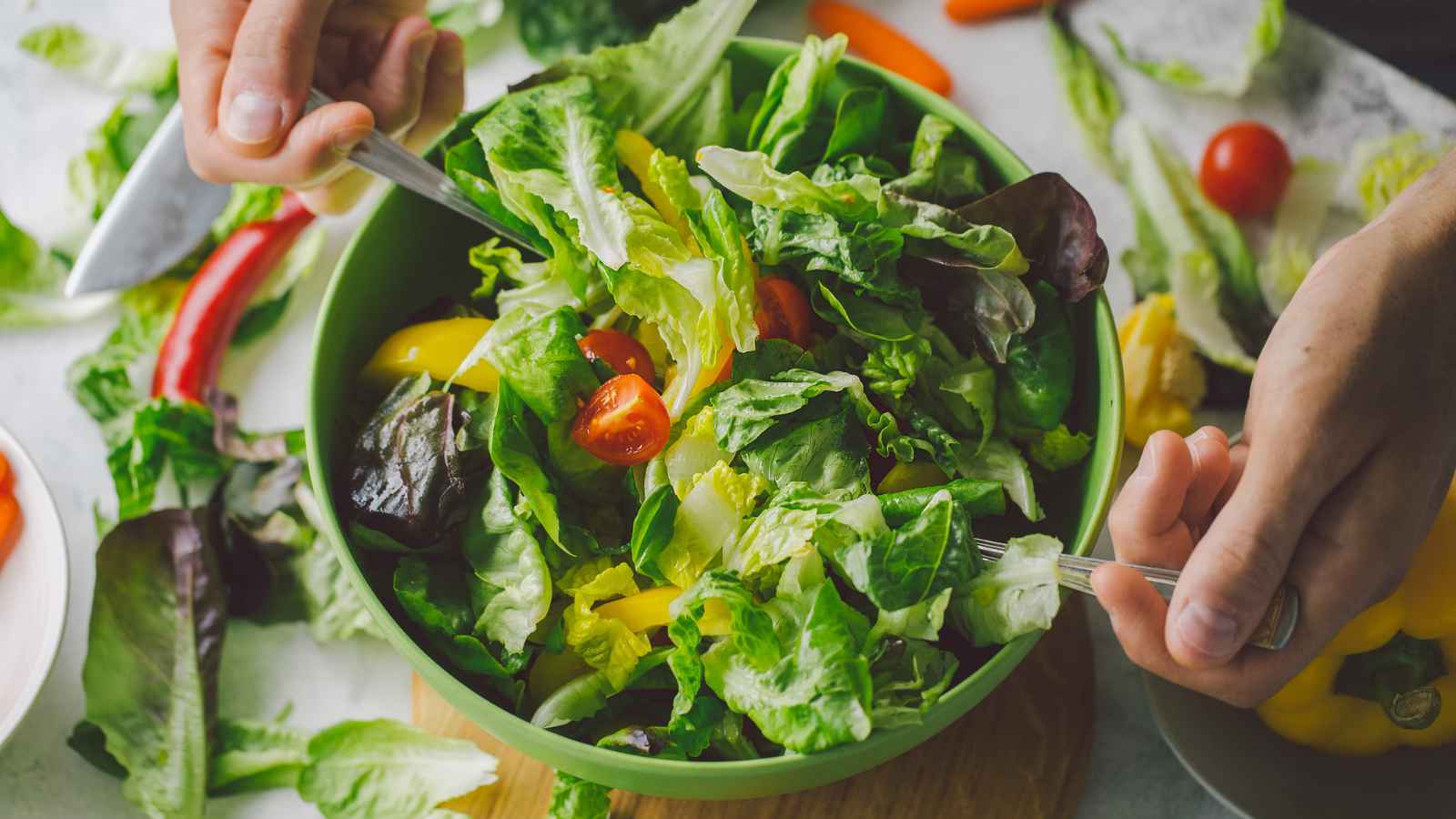
This is where most people mess up before they even get started. Fresh, crisp greens are your edible canvas—they’re the foundation that either makes or breaks your entire salad experience. I’m talking about leaves like romaine, arugula, and spinach that actually have some personality to them, not those sad, pre-bagged mixes that taste like cardboard.
Restaurants know the golden rule: no brown spots, proper storage, and timing is everything. I learned this the hard way after buying beautiful lettuce only to watch it turn into green slime in my fridge. Store your greens properly in the refrigerator, and if they start looking a bit tired, give them a quick ice water bath—it’s like a spa treatment for lettuce, and it actually works. The key is drying them thoroughly afterward because wet leaves will water down your dressing.
Variety of textures
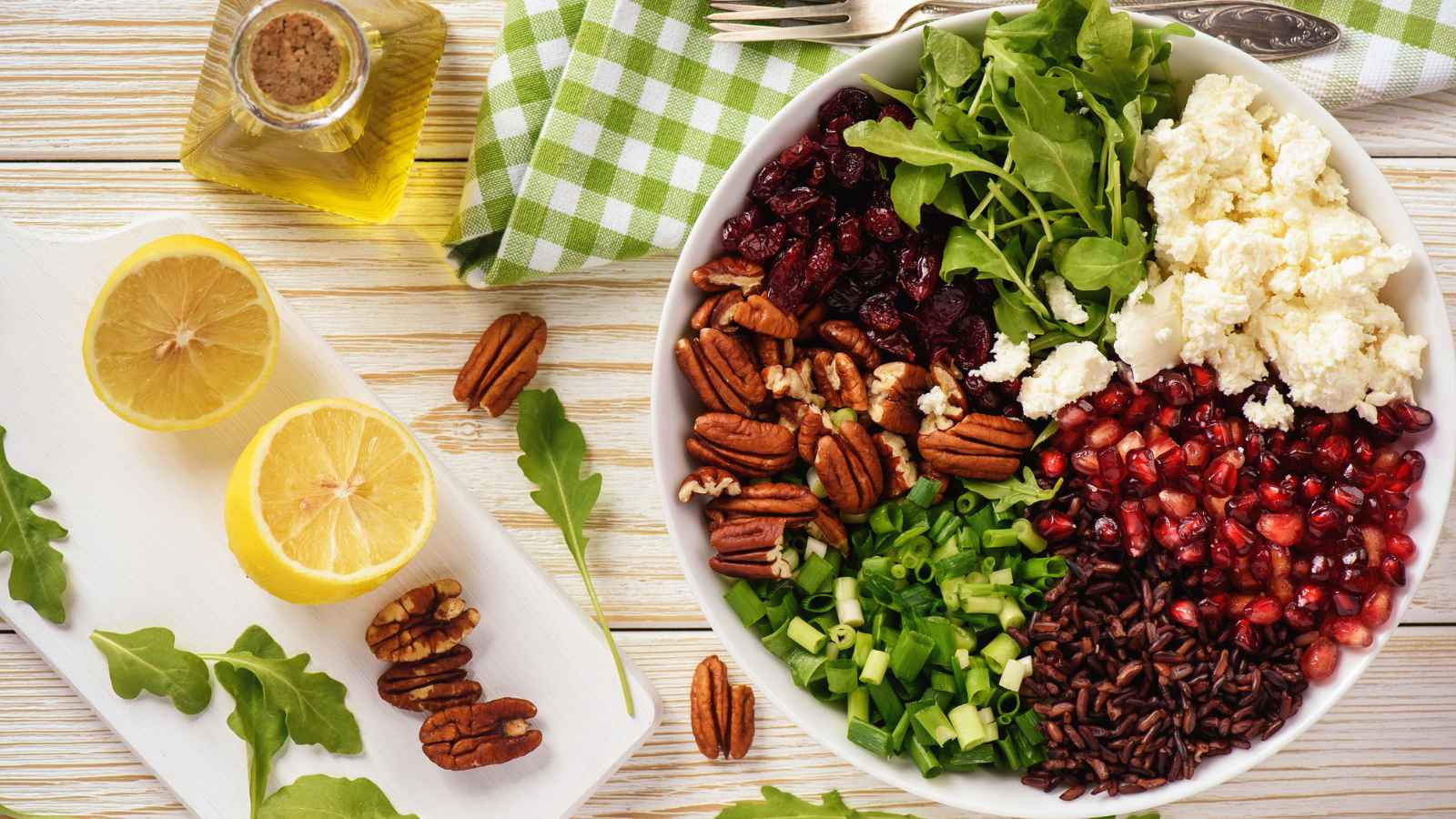
A great salad is like a good playlist—it needs variety to keep you interested. Crisp greens, creamy cheese, crunchy nuts, and chewy dried fruits all dance together in perfect harmony. It’s the difference between eating cardboard and eating something that makes your taste buds do a little happy dance.
I love mixing raw vegetables with roasted ones (like throwing some caramelized broccoli into fresh cabbage), and the contrast is absolutely magical. Toss everything gently because nobody wants bruised, delicate ingredients. When you nail the texture game, your salad becomes this satisfying, complex experience that actually fills you up and keeps you coming back for more.
Seasonal ingredients
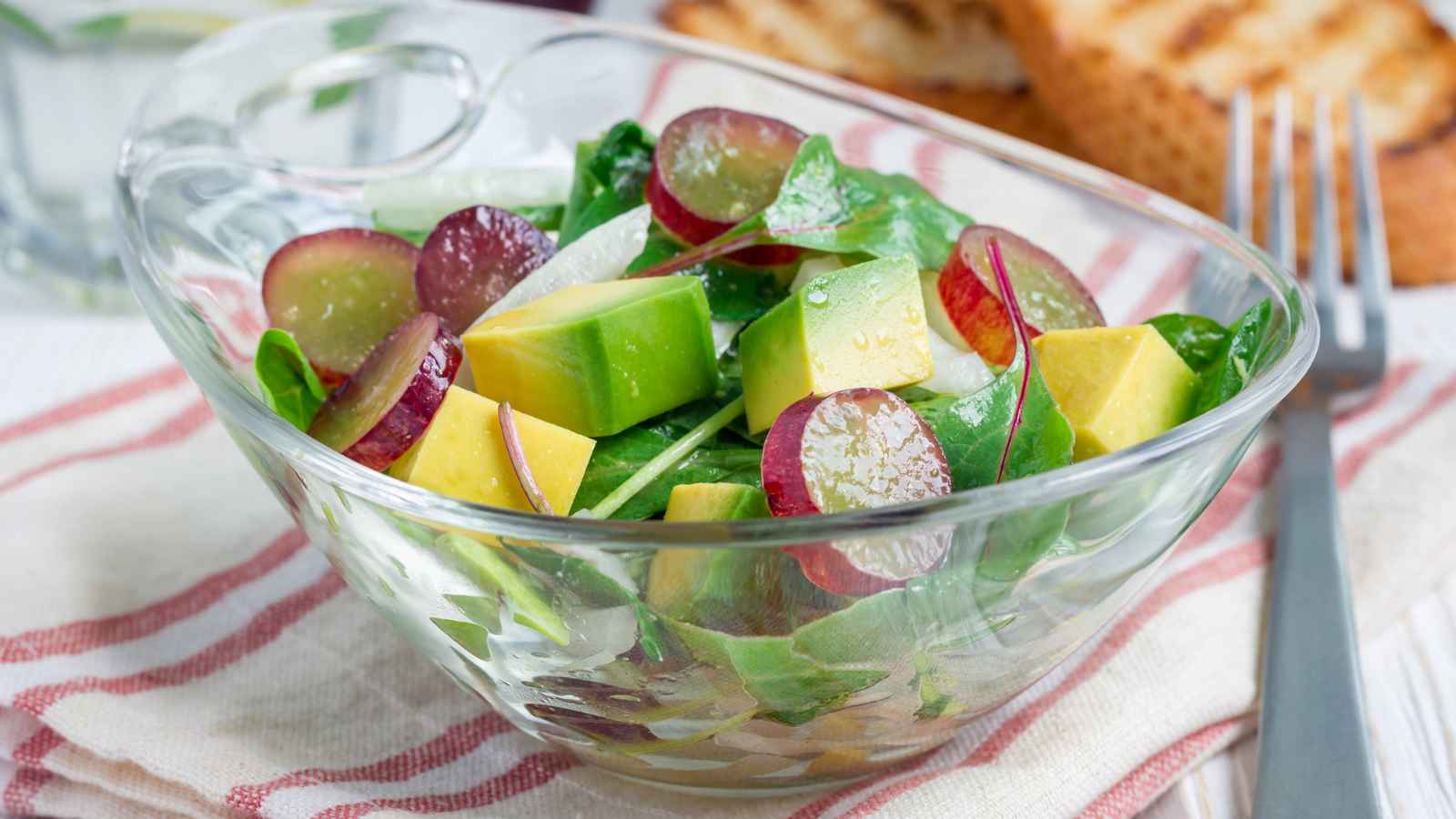
Okay, this might sound a bit chef-y, but hear me out—seasonal ingredients are literally nature’s way of telling you what’s going to taste amazing right now. There’s actual science behind this: produce harvested at peak ripeness contains maximum vitamins and minerals, which means better taste and better nutrition. It’s a win-win situation that your taste buds and your wallet will thank you for.
A 2018 report indicates that 64% of consumers are more likely to purchase salads with seasonal claims, with younger consumers showing even higher interest at 72%. Winter calls for dark leafy greens and hearty root vegetables, while summer is all about those juicy tomatoes and crisp cucumbers.
I’ve started building my salads around what’s in season, and honestly, it’s like having a built-in variety pack that changes throughout the year. Plus, you’re supporting local agriculture, which feels pretty good too.
Balanced flavors
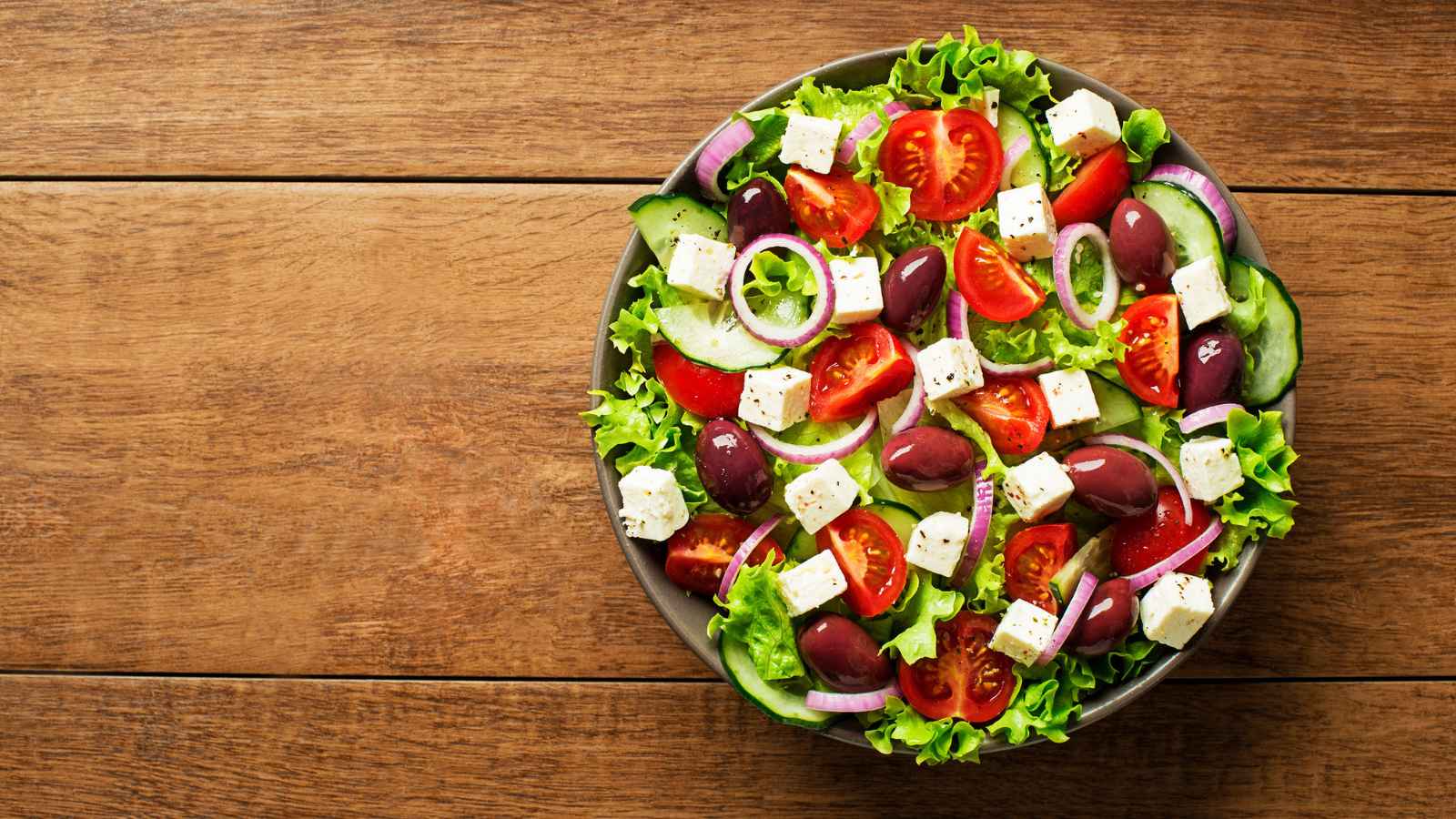
Great salads aren’t just about throwing ingredients together—they’re about creating flavor harmony. You want that perfect marriage of sour, salty, sweet, and sometimes bitter notes that makes each bite a little adventure. Your dressing conducts this flavor orchestra.
Here’s what I’ve learned: bitter greens need a friend, usually in the form of something sweet like honey or a fruity vinaigrette. Add some savory cheese and maybe a bit of bacon for richness, toss in some fresh berries for sweetness, and suddenly you’ve got magic happening in your bowl.
According to Northern Nevada Health System, chefs and food designers strive to create complex flavor combinations that satisfy diners and enhance the dining experience. It’s all about finding that perfect balance where no single flavor dominates the show.
Protein additions
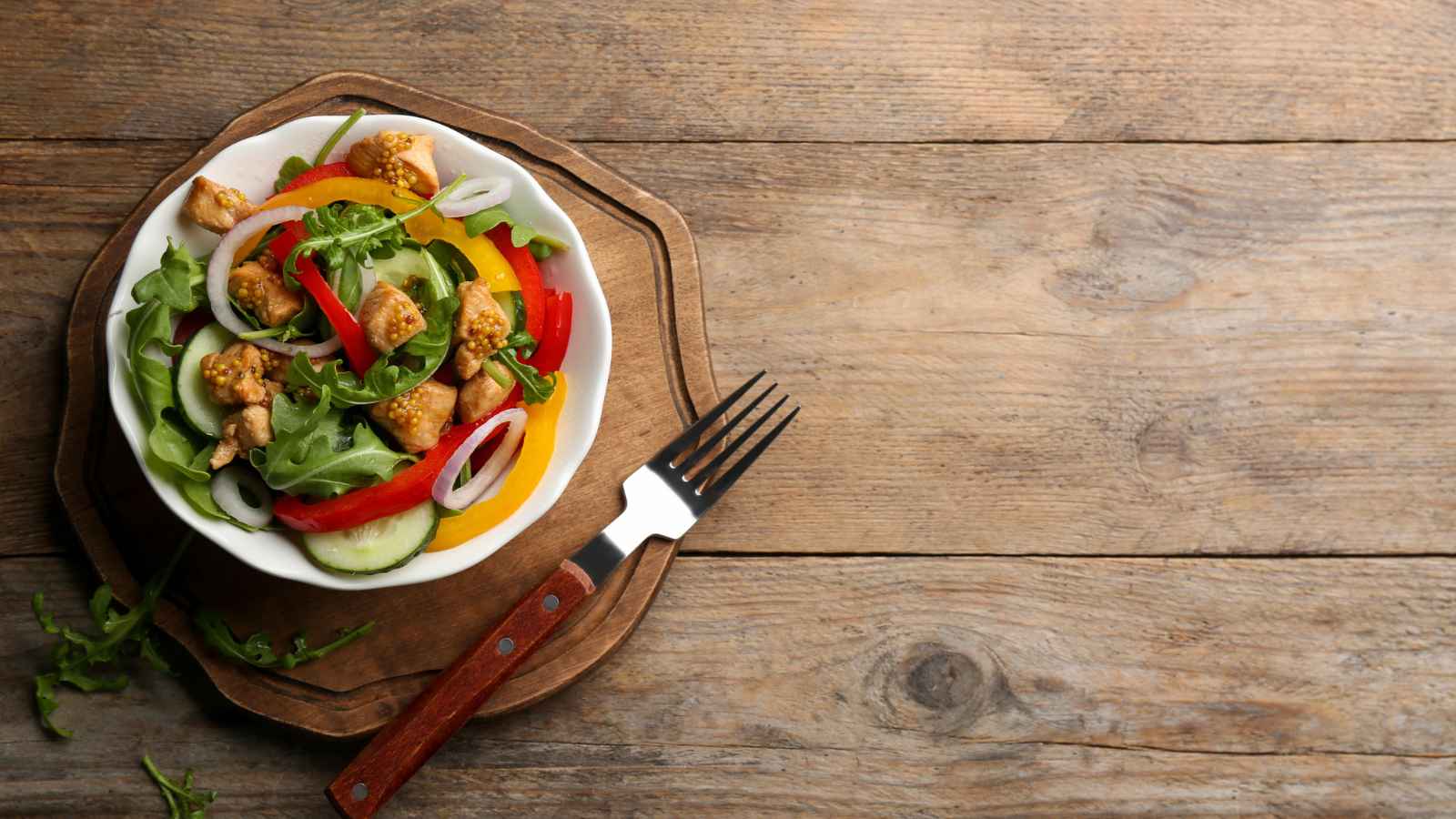
Protein is what transforms a bowl of leaves into something that actually satisfies your hunger and keeps you full until your next meal. We’re talking grilled chicken, hard-boiled eggs, beans, lentils, fish—basically anything that gives your salad some staying power and makes it feel substantial.
The National Library of Medicine reported that 19% of salads consumed by individuals of all ages contained some meat. I love mixing animal and plant proteins—like chicken with chickpeas—because it gives you more nutritional diversity and keeps things interesting.
Protein-rich salads are twice as popular at lunchtime compared to dinner. This is likely because the 3 PM hunger crash is real, and a proper protein-packed salad is the perfect defense against it.
Healthy fats
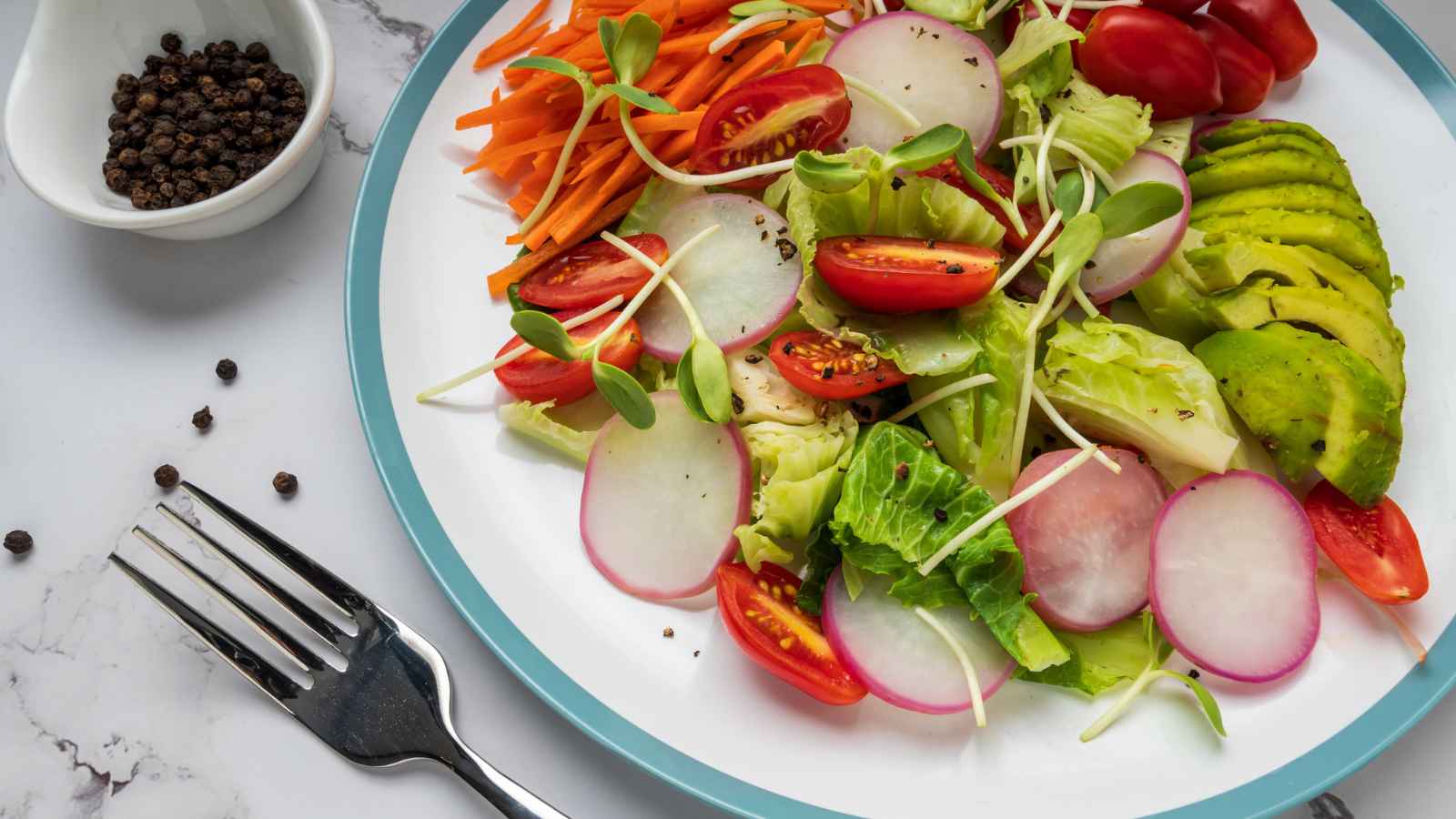
Don’t let the word “fat” scare you off—the right fats are what make your salad both delicious and nutritious. We’re talking about the good stuff: olive oil, avocado, nuts, and seeds that taste amazing while helping your body absorb vitamins from your vegetables.
Studies from the Cleveland Clinic show that adding avocado or olive oil to leafy greens can triple your body’s ability to absorb key carotenoids. These healthy fats also cut through bitterness and help coat all your ingredients evenly, which means every bite is perfectly balanced.
I always add a moderate amount of seeds or nuts for that extra crunch factor—it’s the difference between a salad that satisfies and one that leaves you searching for something more substantial.
Color variety
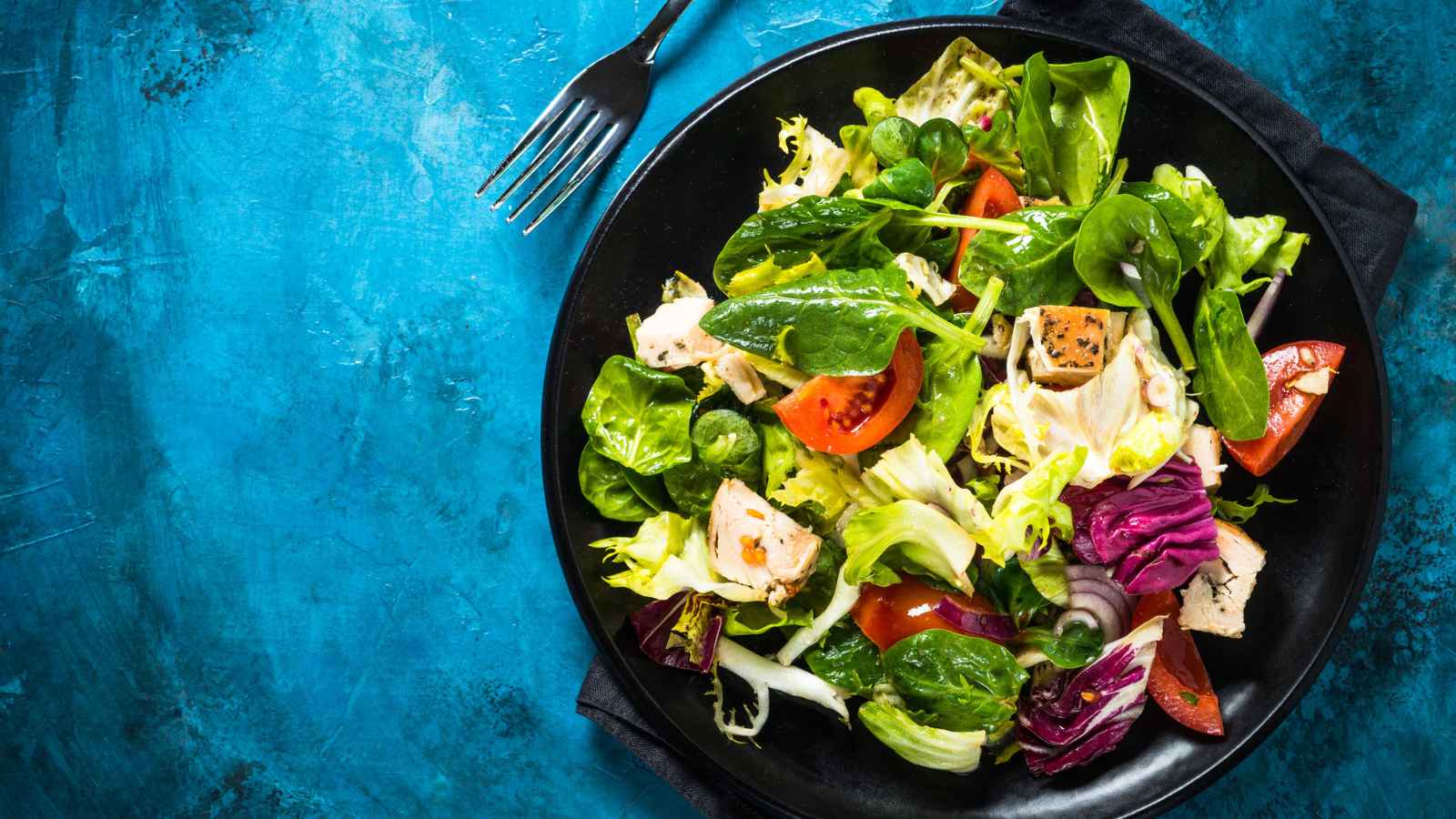
You know what they say—we eat with our eyes first, and colorful salads are like edible art that makes you want to dive in before you even take a bite. Deep greens, vibrant reds, sunny yellows, and rich purples don’t just look pretty; they’re actually signaling that you’re getting a diverse range of nutrients and antioxidants.
In a consumer study (n=93), people rated colorful, high-contrast salads (e.g., red–green, light–dark) significantly more visually attractive than pale, low-contrast salads. I’ve started thinking of my salad bowl like a painter’s palette, deliberately choosing ingredients that add both nutrition and visual appeal.
Multicolored salads naturally provide a broader range of phytonutrients, which means you’re not just eating something beautiful—you’re actually supporting your overall health. It’s proof that a salad really can be as healthy as it looks.
Flavorful dressings

Save this article
Dressing is what transforms a pile of vegetables into something you actually want to eat. You can go classic with a vinaigrette or get creative with honey-mustard or anchovy-spiked creations. The dressing is what ties everything together and gives your salad its personality.
USDA’s Food Surveys Research Group found that 86% of salads included a dressing. A good dressing is like the difference between watching a movie in black and white versus full color. The key is balance—you need that perfect ratio of oil, acid, and seasoning.
In my opinion, the best dressings complement rather than overpower, and timing matters too. Toss your greens with dressing right before serving so every bite bursts with flavor instead of turning into a soggy mess.
Herbs & spices
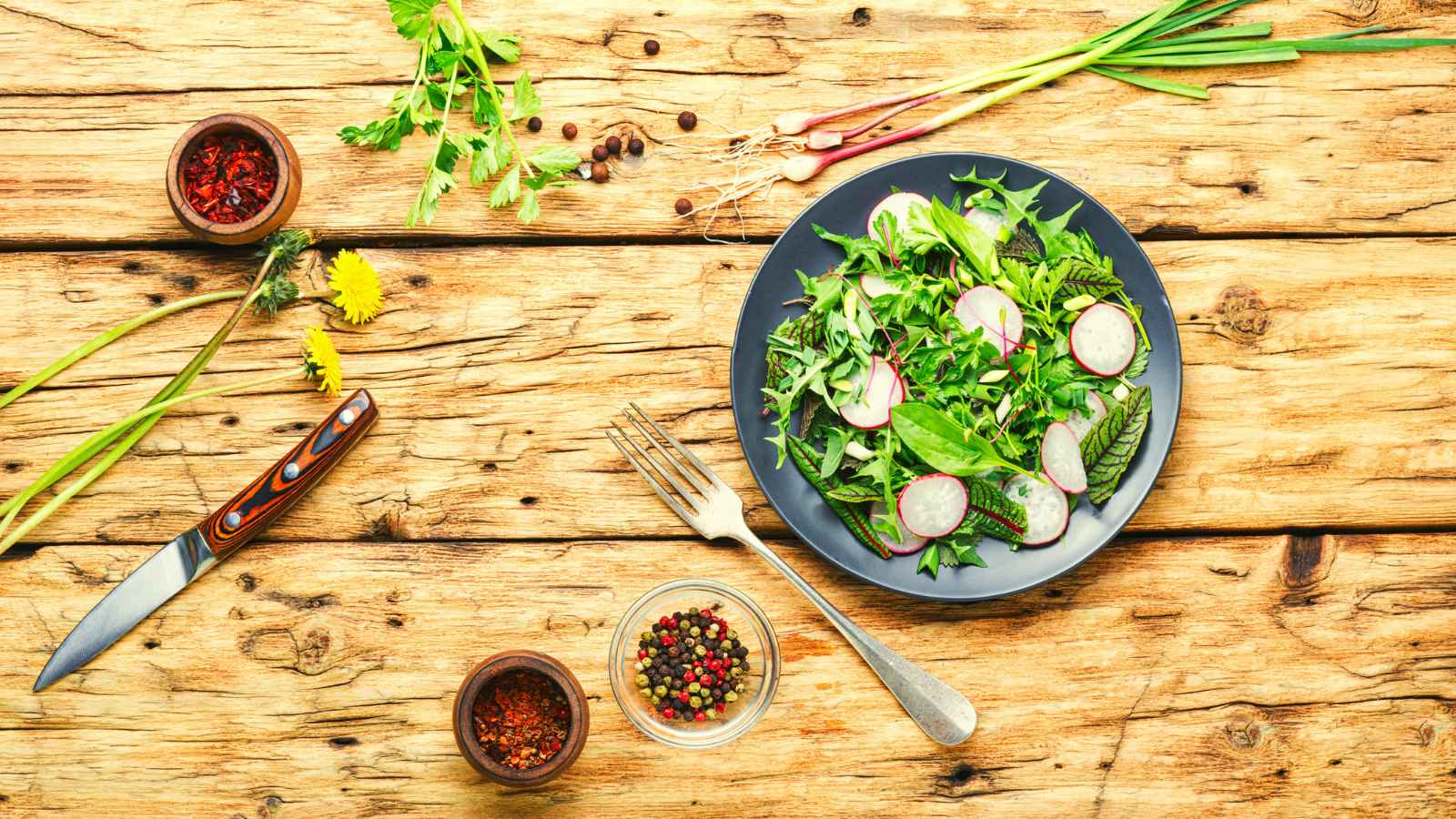
This is where you can really show off. Fresh herbs like chives, oregano, dill, and mint bring an intensity and freshness that can completely transform your salad’s flavor profile. They’re not just a pretty garnish—they’re legitimate flavor powerhouses.
Chefs and food writers from outlets like Food & Wine and Serious Eats agree that fresh herbs enhance salads with flavor, aroma, color, and nutrition. I love pairing mint with fruit for something unexpected, or adding fresh basil to create those innovative combinations that make people ask for your recipe.
Spices like black pepper, fennel, and sumac can expand your flavor spectrum even further. The bottom line? Herbs aren’t an afterthought—they’re a primary ingredient that separates great salads from forgettable ones.
Whole grains
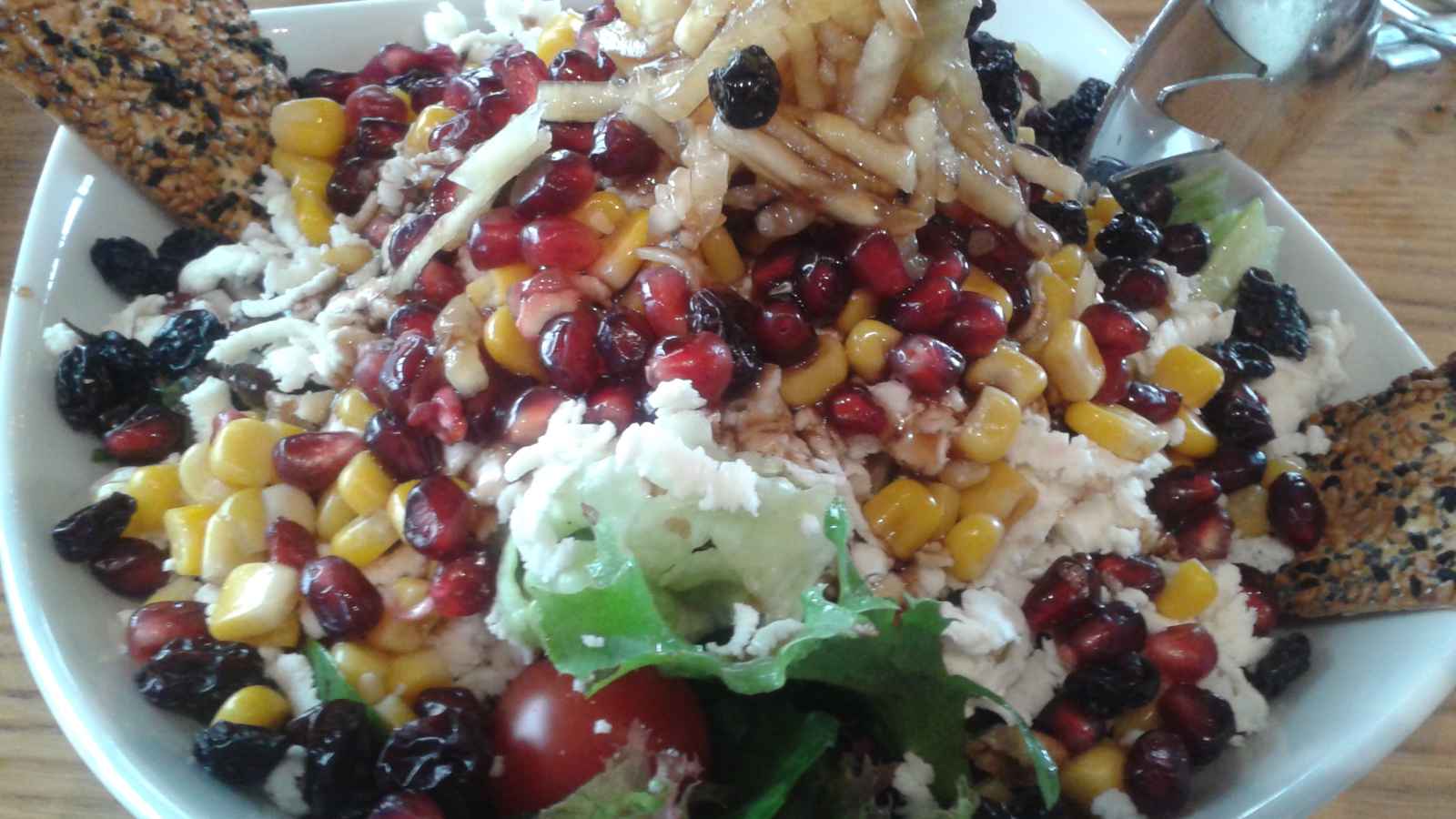
Want to turn your salad into a meal that actually sticks with you? Whole grains like quinoa, bulgur, and brown rice are your secret weapons for adding substance and heartiness without sacrificing the fresh, light feeling you want from a salad. They’re the difference between a snack and a satisfying meal.
The Dietary Guidelines for Americans state that adding ½ cup of cooked bulgur to a vegetable salad adds about 4.1 grams of dietary fiber. I love how grains soak up dressings like little flavor sponges while providing that satisfying chew and texture contrast.
Whole-grain salads have a lower glycemic index and keep you full longer. They’re perfect when you want something healthy that won’t leave you hungry an hour later.
Fermented ingredients
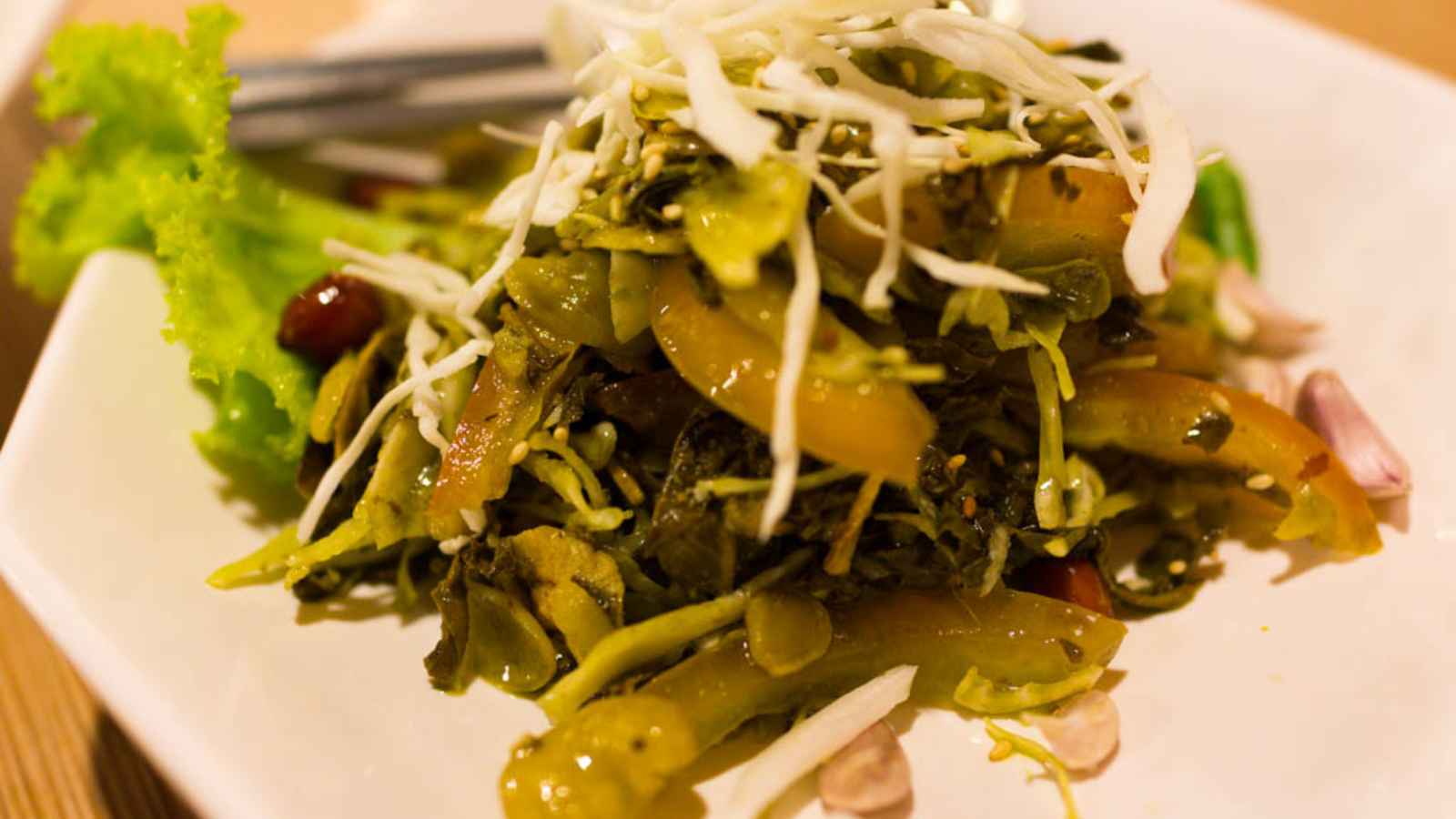
Okay, this might sound a bit adventurous, but fermented vegetables like sauerkraut, kimchi, and miso add this incredible tang and complexity that you just can’t get from fresh ingredients alone. Plus, you’re getting all those beneficial probiotics that your gut absolutely loves.
Research shows an improvement in digestive function with regular fermented food intake, which is pretty impressive for something that also tastes amazing. I love sprinkling chopped pickles or citrus-fermented onions into my salads because they add this zingy layer of intrigue that keeps things interesting. Fermentation unlocks umami—that savory fifth taste—which transforms an ordinary salad into something memorable.
Nuts & seeds
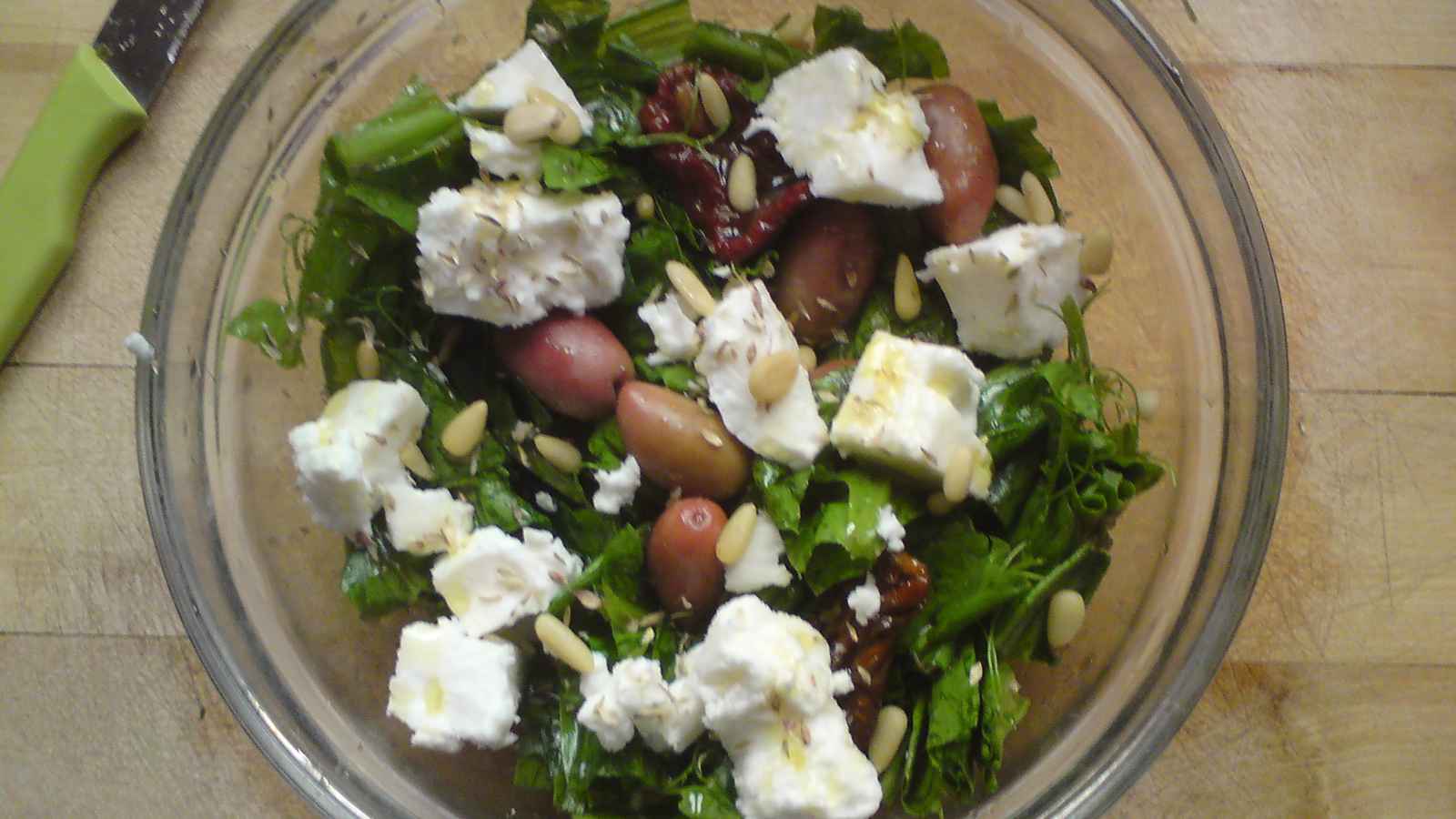
Nuts and seeds are like the jewelry of the salad world—they add that perfect finishing touch of crunch, nutrition, and flavor that pulls everything together. Almonds, walnuts, pumpkin seeds, sunflower seeds—they’re all delivering fiber, healthy fats, and that satisfying texture contrast your salad needs.
Salads with added nuts and seeds increase satiety and decrease calorie intake for subsequent meals by up to 12%. That means they’re actually helping you eat better throughout the day, not just during that one meal. I always toast my nuts and seeds first because it releases these amazing, deep flavors and aromas that make such a difference.
Sprinkled over greens, they provide that satisfying counterpoint to all the soft ingredients and make every bite feel complete.
Cheese (In moderation)
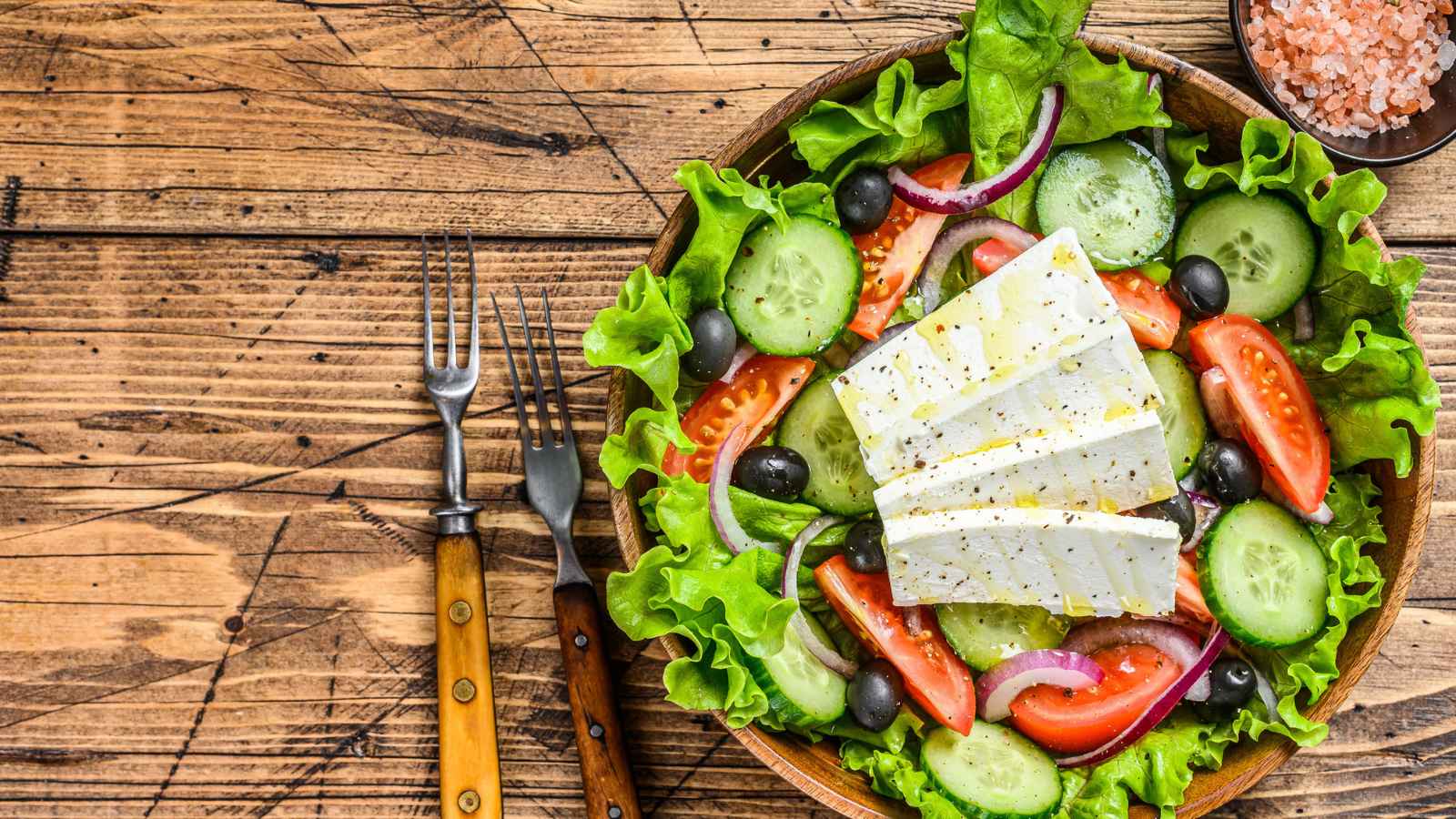
Before you roll your eyes about cheese on salads, hear me out—the right cheese in the right amount can add creamy, salty complexity that takes your salad from good to absolutely crave-worthy. We’re talking feta, blue cheese, parmesan—each bringing its own personality to the party.
The keyword here is moderation. A 2024 VegNews.com survey found that 42% of Americans consider cheese the most popular salad topping. I like to crumble cheese over my salads just before serving, so it doesn’t get soggy or overwhelming. Cheese pairs beautifully with fruit, nuts, and herbs, creating these amazing flavor combinations that make your salad feel gourmet.
Used wisely, it’s the difference between a salad and a salad experience.
Proper tossing & portioning
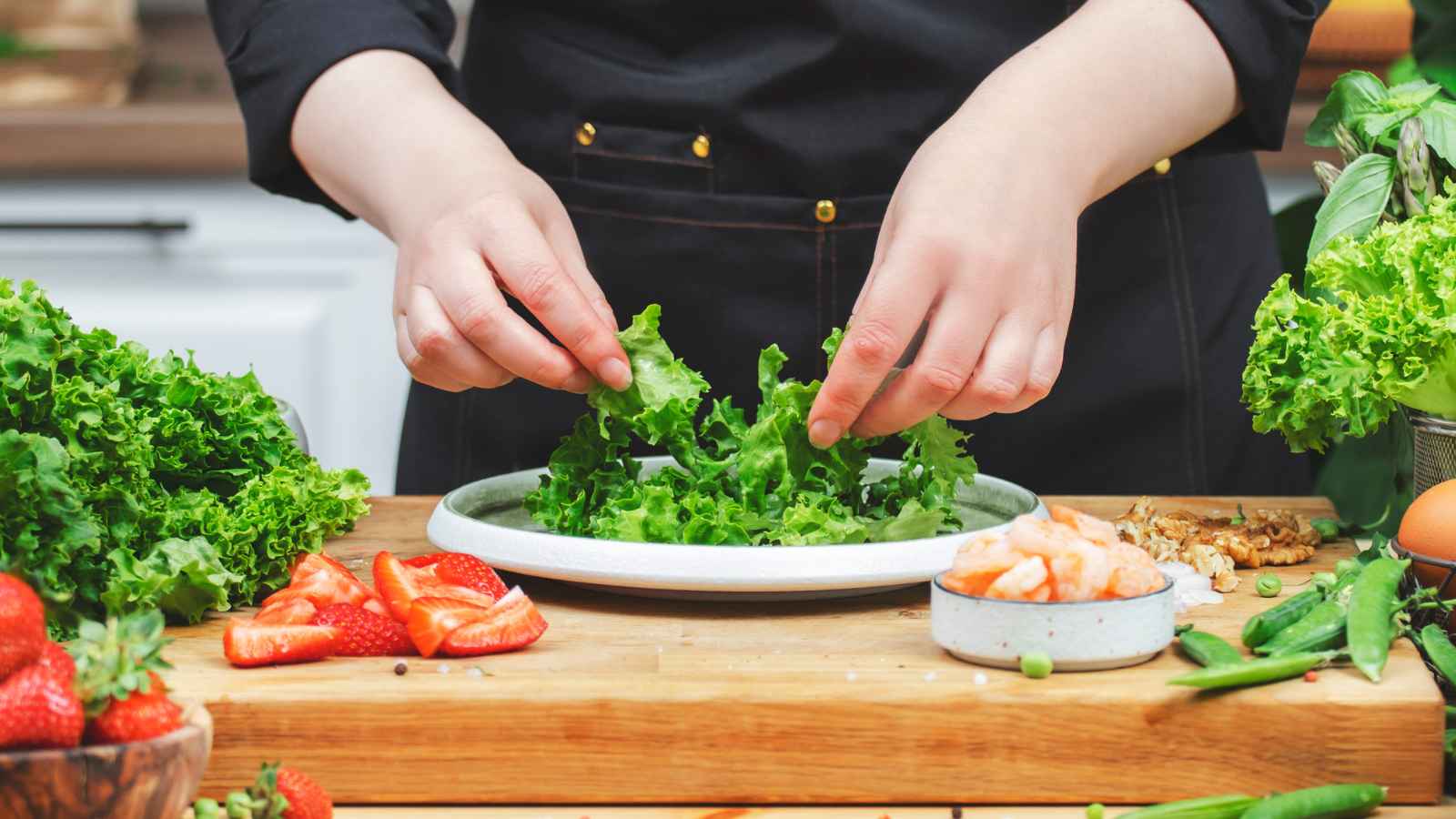
This might seem basic, but proper technique is what separates restaurant-quality salads from the sad desk lunch variety. We’re talking about gentle tossing in a large bowl, using your fingertips instead of aggressive utensils. The goal is to make sure every piece gets coated with dressing without getting bruised or beaten up.
Over-tossing is the enemy of a good salad—it leads to soggy, unappealing results. The right portion size matters too; about one cup of greens per person keeps things filling without being overwhelming. Attention to tossing technique ensures proper distribution, which means every serving looks and tastes exactly as intended.
It’s one of those small details that makes a big difference in the final result.
Temperature balance

Temperature can make or break your salad experience. Serving salads cool (not ice cold) maintains that perfect ingredient crispness while allowing proper dressing absorption. It’s all about finding that sweet spot where everything tastes fresh and vibrant.
Salads served at a balanced temperature are rated more satisfying than those served too cold or too warm. I coordinate the timing and temperature of each component—keeping greens chilled while letting grains come to room temperature, then combining them at the perfect moment.
This attention to temperature detail creates that inviting bite that makes every forkful feel just right. It’s one of those professional touches that transforms a home salad into something special.
Disclaimer – This list is solely the author’s opinion based on research and publicly available information. It is not intended to be professional advice.
Like our content? Be sure to follow us.