The everyday American dining habits reveals just how unique its food culture truly is.
If you are an American, you might consider your daily meals completely normal, but outsiders view your grocery aisles and restaurants as totally baffling experiences. The massive scale of your favorite dishes and the strange combinations of ingredients often leave international guests scratching their heads.
By examining your familiar food habits through an outside lens, we can help you finally understand why your standard meals shock the rest of the world.
Restaurant Portions Are Completely Massive
Ordering a standard appetizer at your local diner often provides enough calories to feed a small family for an entire weekend.
You probably expect to take home a large box of leftovers whenever you visit a standard American chain restaurant. International guests usually stare in absolute disbelief when servers drop enormous plates of food onto the dining table. The sheer volume of pasta or steak served on a single plate is completely unheard of in most foreign countries.
You likely view these giant servings as a fantastic financial value because you get multiple meals for one single price. Foreign tourists often feel incredibly overwhelmed and assume you are supposed to consume the entire mountain of food in one sitting. Navigating these giant plates causes immense confusion for anyone unaccustomed to such epic culinary proportions.
The size of your meals has steadily expanded over the past few decades to meet intense consumer demand for maximum value. A 2025 health metrics report by the World Health Organization indicates that worldwide obesity rates continue rising, heavily influenced by expanding global portion sizes. You simply grew up thinking a twelve ounce steak was a perfectly reasonable dinner option for one person.
Ice Cubes Dominate Every Single Beverage
Handing a foreign guest a glass of water filled to the absolute brim with solid ice always guarantees a deeply confused reaction.
You naturally expect your fountain sodas and tap water to arrive practically freezing cold regardless of the actual outside temperature. Restaurant workers in your hometown automatically scoop massive cups of ice before pouring even a single drop of liquid. Tourists often complain that this freezing habit waters down the beverage and severely hurts sensitive teeth.
People visiting your country frequently have to specifically request drinks without ice just to get a standard room temperature glass. You probably find the idea of drinking lukewarm soda completely disgusting, but drinking unchilled beverages is standard practice in many other nations.
The cultural divide over beverage temperatures remains a massive sticking point during international dining experiences.
You rely on these freezing drinks to survive scorching hot summer afternoons walking around your neighborhood. The endless supply of free ice in your local fast food joints feels like a basic human right. Trying to explain your deep love for frosty beverages to a confused European visitor is an absolutely hilarious conversation.
Bread Tastes Surprisingly Sweet
Taking a bite of your standard packaged sandwich bread often leaves European visitors convinced you are serving actual dessert pastries.
You probably use standard white bread for savory turkey sandwiches without ever noticing the intense underlying sugar content. The commercial baking industry adds corn syrup to your favorite loaves to ensure maximum softness and a prolonged shelf life. Visitors accustomed to crusty, savory baguettes find this sugary flavor profile deeply unsettling when eating meats or cheeses.
International guests frequently compare your basic grocery store hamburger buns to sweet brioche or heavily frosted birthday cakes. You grew up completely adapted to this specific flavor profile, making the sweetness completely invisible to your daily palate. Experiencing this intense sugar rush for the first time completely ruins the savory sandwich experience for many unsuspecting tourists.
Finding a truly savory loaf of bread often requires you to visit an expensive artisanal bakery instead of a normal supermarket.
The American palate naturally gravitates toward sweeter flavor profiles because sugar is hidden in almost all of your processed foods. You will quickly realize just how sugary your pantry staples are when a foreign friend points out the sweetness directly.
Save this article
Related: 6 American Foods That Baffle the World
Sweet and Savory Flavors Constantly Mix
Pouring maple syrup over crispy fried chicken and savory waffles is a culinary concept that terrifies most international dining guests.
You completely understand the magic of dipping salty french fries directly into a freezing cold chocolate milkshake. Combining sweet breakfast syrups with savory breakfast meats like bacon feels like a perfectly normal weekend brunch tradition in your hometown. Tourists often view these aggressive flavor mashups as a bizarre violation of fundamental culinary rules and boundaries.
You love the exciting contrast of eating honey glazed ham or pouring brown sugar over your roasted Thanksgiving sweet potatoes. People visiting your city often prefer to keep desserts and savory main courses strictly separated on completely different plates. Watching a tourist react to a plate of chicken and waffles for the first time is always highly entertaining.
Your local chefs are constantly pushing the envelope by creating wild dishes like donut burgers and spicy chocolate treats. Unique flavor mashups continue driving massive sales across the entire country. You fully embrace these chaotic food combinations as a beautiful expression of pure American culinary freedom.
Free Refills Never Seem to End
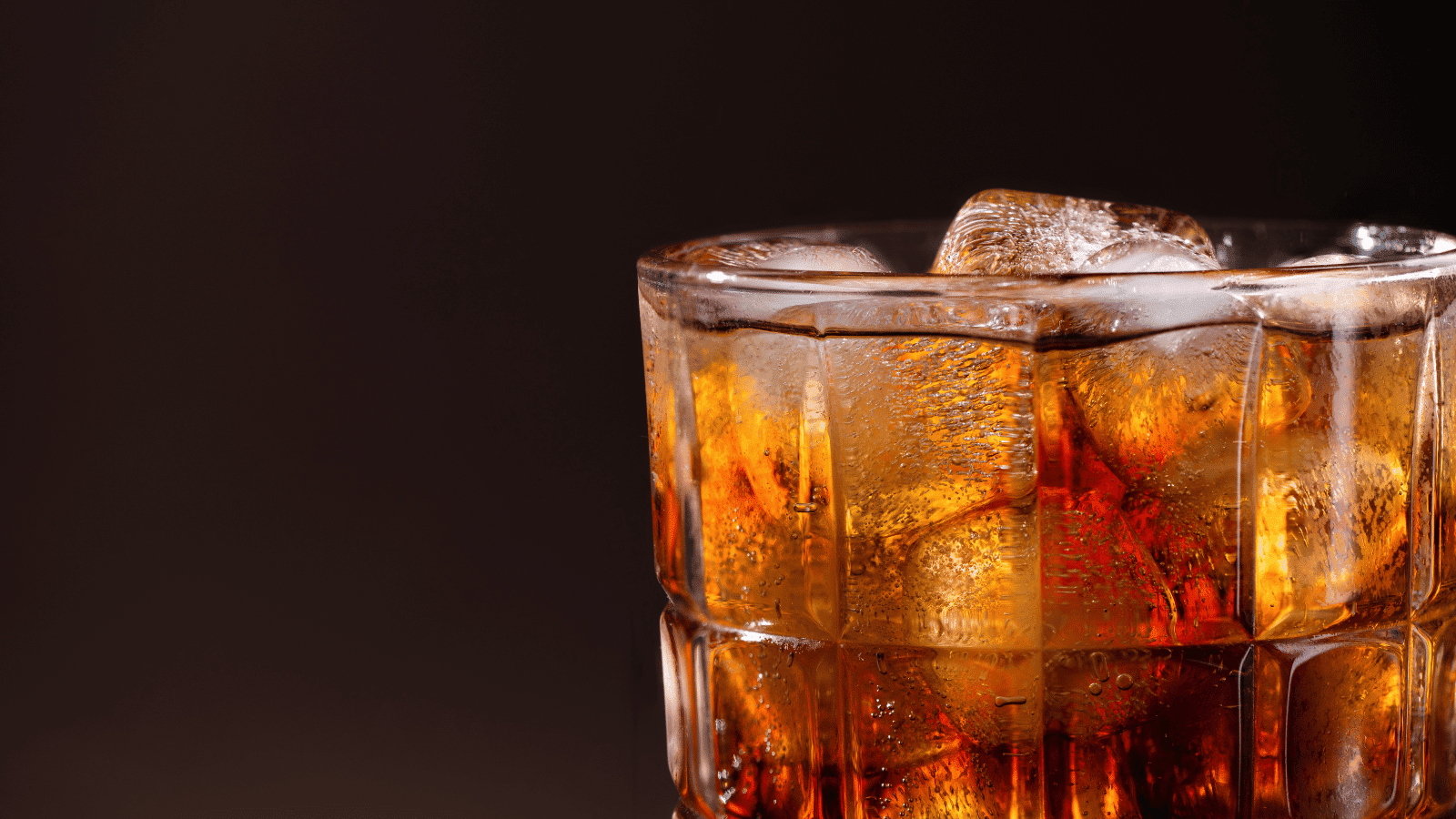
Watching a server replace an empty soda glass for absolutely zero extra cost always shocks visitors from across the globe.
You fully expect to drink three massive cups of diet cola during your dinner without ever seeing an extra charge on your restaurant bill. The concept of unlimited beverage refills is deeply ingrained in your casual dining culture and completely expected at every chain establishment.
International visitors usually sip drinks incredibly slowly because paying for a second glass is standard practice overseas.
Seeing a giant self serve soda fountain inside your local convenience store feels like a completely foreign concept to outsiders. You casually mix five different flavors into one giant cup just because the machine allows you to do so freely. Tourists often assume the cashier made a massive billing error when the final receipt only shows one single drink charge.
This endless flow of sugary beverages contributes to the overall feeling of abundance that defines your local food scene. You probably feel completely cheated if a restaurant ever tries to charge you for a second glass of iced tea. Explaining this beautiful, unlimited system to a thirsty traveler is probably always a very proud moment for any American host.
Processed Cheese Looks Unnaturally Orange
Peeling the plastic wrapper off a bright neon orange square of processed cheese completely baffles anyone visiting from a different continent.
You happily melt these vibrant yellow slices over your backyard burgers without ever questioning the aggressively artificial color profile. The dairy industry uses natural food colorings like annatto to give your favorite cheese products that highly recognizable visual appeal. European guests accustomed to pale white cheeses usually view these glowing orange squares with a deep sense of culinary suspicion.
You know that nothing melts quite as perfectly as a bright orange slice inside a crispy grilled cheese sandwich. International visitors often refuse to eat these products because the neon coloration looks more like construction plastic than actual food. You have to gently encourage outsiders to trust the melting process and focus entirely on the salty, creamy flavor.
The grocery store shelves in your neighborhood are completely filled with orange snacks, from powdered macaroni boxes to puffy corn chips. You simply accept this bright coloration as a fundamental visual cue that a snack will be delicious and highly satisfying. Watching a tourist cautiously nibble on a bright orange cheese puff is a truly hilarious cultural exchange.
Question for you. Which specific American food habit do you think is the absolute weirdest?