With Hispanic Americans representing nearly one-fifth of the U.S. population, their cultural traditions are shaping not just heritage—but the nation’s shared identity.
Hispanic Heritage Month isn’t just about remembering history; it’s about celebrating the sights, sounds, and flavors that continue to shape daily life across the United States. From comforting foods passed down through generations to music that fills dance floors, and festivals that bring entire communities together, these traditions carry deep meaning. Let’s explore some of the ways Hispanic heritage comes alive through culture.
Tamales: Wrapped in History
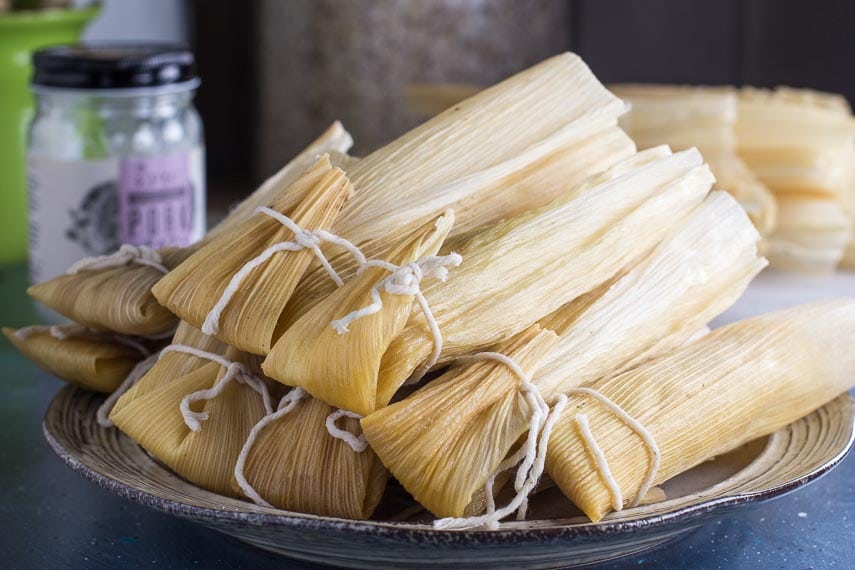
Tamales, with roots tracing back to the Aztecs and Mayans, are a staple across Latin America. Made of masa dough and filled with meats, chilies, or vegetables, they’re carefully wrapped in corn husks or banana leaves before being steamed. Families often gather during holidays to prepare them in large batches, turning cooking into an act of community.
Pupusas: El Salvador’s National Dish

These thick corn tortillas stuffed with cheese, beans, or pork are more than just food—pupusas are cultural pride on a plate. Originating in El Salvador, pupusas are now beloved across the U.S., celebrated with their own National Pupusa Day each November. They embody the blend of comfort and tradition found in Hispanic kitchens.
Salsa: The Sound of Celebration

Salsa music, born from Afro-Caribbean and Latin American rhythms, has become synonymous with joy and movement. Popularized in New York City in the 1970s, salsa brings people together on dance floors worldwide. Its energy reflects both cultural fusion and resilience, making it a lasting symbol of Hispanic identity.
Reggaeton: From the Streets to Global Charts

Emerging from Puerto Rico in the 1990s, reggaeton blends reggae, hip-hop, and Latin rhythms. Once underground, it now dominates international charts with artists like Bad Bunny and Daddy Yankee. Its rise reflects how Hispanic culture continually reinvents itself while staying rooted in tradition.
Día de los Muertos: Honoring Ancestors with Joy

The Day of the Dead, celebrated in Mexico and beyond, is a vibrant festival honoring loved ones who have passed away. Families build colorful altars with marigolds, sugar skulls, and favorite foods of the deceased. Far from somber, it’s a joyful reminder that memory and love keep spirits alive.
Las Posadas: Reenacting the Journey

Every December, communities in Mexico and Central America reenact Mary and Joseph’s search for shelter in the story of Christmas. Las Posadas processions include music, candles, and shared meals, blending faith with festivity. In the U.S., these celebrations remain a cherished way of passing traditions to younger generations.
Save this article
Quinceañeras: A Rite of Passage

For many Hispanic families, a girl’s 15th birthday is marked with a quinceañera, symbolizing her transition into womanhood. Complete with elegant gowns, music, and dancing, these events are a blend of Catholic ritual and cultural pride, carrying forward family and community bonds.
Carnaval: A Festival of Color and Freedom

Carnaval, celebrated in countries like Brazil, Colombia, and Puerto Rico, bursts with parades, costumes, and music. Rooted in both Catholic traditions and African influences, it’s a time of joy, satire, and release before Lent. U.S. cities with large Hispanic populations keep the tradition alive with their own vibrant celebrations.
Flamenco: Dance with Soul

Originating in Spain, flamenco is more than just dance; it’s an art form combining song, guitar, and movement to express deep emotion. With its powerful rhythms and fiery passion, flamenco performances have found audiences far beyond Spain, thriving in Hispanic communities throughout the U.S.
Cumbia: A Beat That Travels

Cumbia began on Colombia’s Caribbean coast as a blend of Indigenous, African, and Spanish influences. Today, it’s one of the most popular Latin music styles, evolving into countless variations from Mexico to Argentina. Its infectious rhythm keeps it at the heart of many Hispanic celebrations.
The Takeaway

Hispanic heritage isn’t confined to history books—it lives in kitchens, dance halls, and community celebrations across the U.S. Each tamale, each salsa beat, each festival parade is more than entertainment; it’s a living story carried forward by generations. By joining in—whether savoring a pupusa, learning a few salsa steps, or honoring ancestors on Día de los Muertos—we don’t just witness tradition, we become part of it. These cultural threads don’t just preserve identity; they weave a richer, more vibrant fabric of American life.
Icons of Influence: Hispanic Trailblazers Who Changed America

Hispanic Heritage Month spotlights the trailblazers whose voices, visions, and victories continue to redefine America’s cultural and political landscape.
READ: Icons of Influence: Hispanic Trailblazers Who Changed America