

In 2020, nearly two-thirds of the world’s avocados were eaten in the Americas (North and Latin America), while the rest of the globe—Europe, Asia-Oceania, and Africa—accounted for the remaining 36%, Choices Magazine reports.
Avocados aren’t just a fancy toast topping—they pack nutrients that may support heart health, blood sugar control, gut function, skin, and even brain health. 🥑✨ Research suggests that eating one avocado daily can offer modest benefits, especially when it replaces less healthy fats or refined carbs in your diet.
Keep in mind: avocados are calorie-dense, so their benefits show up best when they’re part of a balanced, calorie-appropriate eating pattern, not just added on top of your regular meals.
Avocado Nutrition at a Glance

A typical Hass avocado (150–170 g, without skin and pit) contains:
- 240–270 calories
- 20–22 g fat, mostly heart-healthy monounsaturated
- 10 g fiber
- Potassium, folate, vitamin E, vitamin C, lutein, and other carotenoids
Fun fact: half an avocado can have as much potassium (about 364 milligrams) as a banana (420 mg), which helps support blood pressure and heart function. 🥑💪
Heart Health & Blood Pressure

Studies in U.S. adults show that people who eat two or more avocado servings per week have a 16% lower risk of cardiovascular disease and 21% lower coronary heart disease risk than those who don’t eat them. The benefits are greatest when avocados replace butter, cheese, or processed meats.
Clinical trials also indicate that avocado-rich diets reduce LDL (“bad”) cholesterol, may lower triglycerides, and sometimes slightly raise HDL (“good”) cholesterol—especially in people with elevated blood lipids.
Researchers credit the mix of monounsaturated fats, fiber, potassium, and magnesium in avocados for supporting vascular health and blood pressure regulation. Some population studies even link frequent avocado consumption with lower rates of hypertension.
Daily Avocado in Action

In a 26-week study of adults with abdominal obesity, participants who added one avocado daily didn’t see huge changes in weight or visceral fat compared to a control group. But they improved diet quality, certain blood lipids, and even sleep indicators, suggesting that committing to this simple habit nudges overall lifestyle upgrades.
Another weight-loss study found that including a daily avocado in a calorie-restricted diet led to similar weight loss as an avocado-free plan—but participants eating avocado reported feeling fuller for longer. Their gut bacteria also shifted in ways that support fiber fermentation and healthy metabolism.
In short, adding avocado strategically can help control hunger and support gut health, especially when it replaces refined carbs or ultra-processed snacks.
Blood Sugar & Diabetes Risk

For people with Hispanic/Latino ancestry, regular avocado eaters were 20–30% less likely to develop type 2 diabetes over six years compared to non-consumers, even after adjusting for lifestyle and demographic factors.
Short-term studies provide more context: swapping part of a high-carb meal for half to a whole avocado can blunt post-meal blood sugar and insulin spikes and improve blood vessel function. These effects come from the fiber and unsaturated fats, which slow digestion and support overall metabolic health.
Gut Health, Satiety, & Weight Management
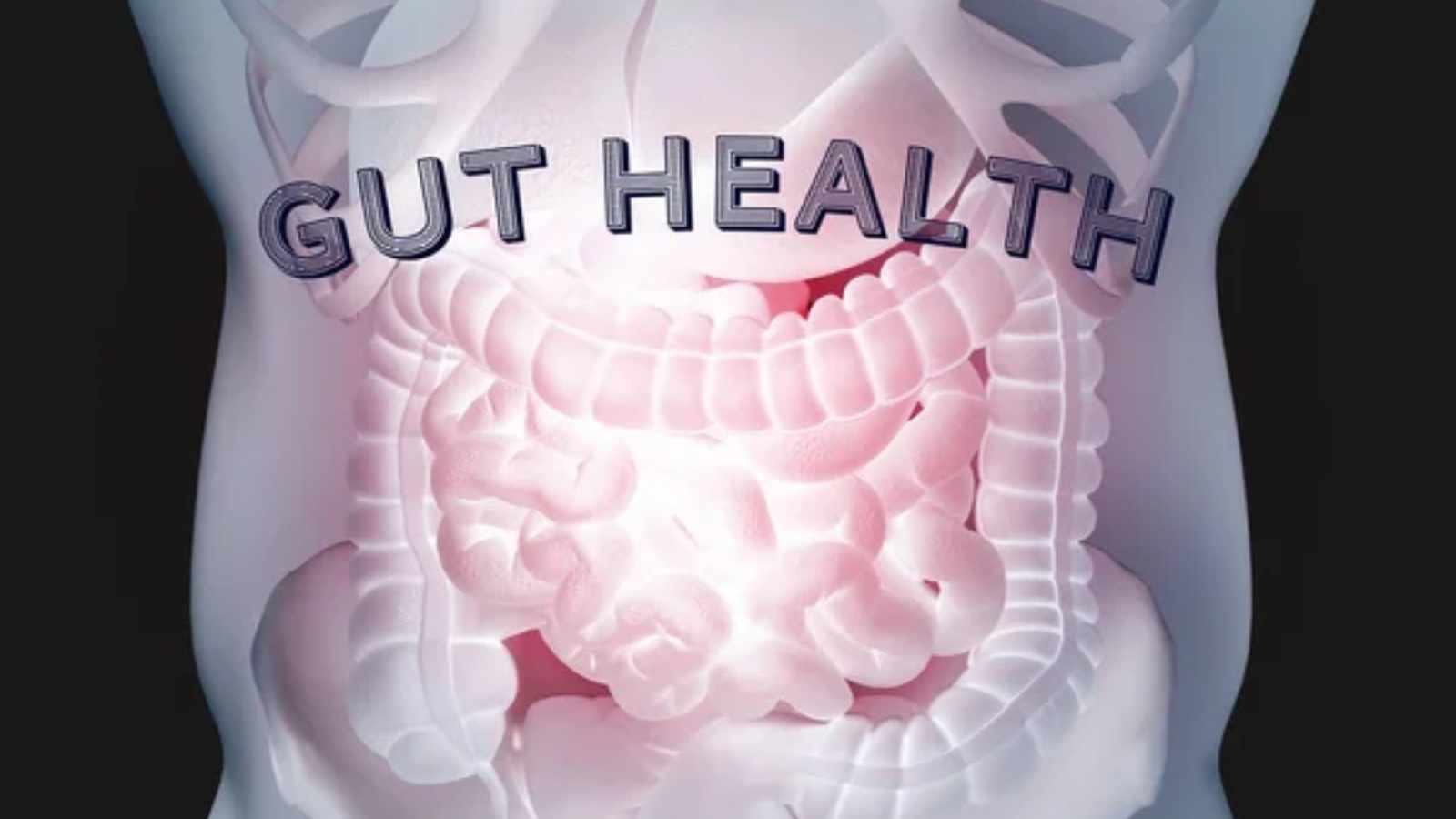
Although avocados are calorie-dense, people who eat them regularly tend to have lower body weight, smaller waists, and higher overall diet quality.
Adding a daily avocado to a reduced-calorie plan doesn’t hinder weight loss and may improve satiety and gut microbiota, increasing bacteria that produce short-chain fatty acids, which support metabolism and reduce inflammation.
Nutrition experts emphasize that avocados work best as a swap for less healthy foods rather than as a magic “fat-burning” superfood.
Brain & Cognitive Function

Controlled trials in older adults show that one avocado a day can increase macular pigment density, a marker for lutein in the brain, and improve working memory and problem-solving after six months.
Save this article
National Health and Nutrition Examination Survey data also show that older avocado consumers score higher on cognitive tests—even after adjusting for education, activity, and smoking. The mix of monounsaturated fats, B vitamins, carotenoids, and antioxidants mirrors the nutrients in Mediterranean-style diets, which support healthy brain aging. 🧠💚
Skin, Eye, & Beauty Benefits

Eating an avocado daily has been shown to improve skin elasticity and firmness, thanks to vitamins C, E, lutein, zeaxanthin, and other phytonutrients that combat free radicals and support collagen formation.
For the eyes, avocados provide lutein and zeaxanthin, carotenoids that concentrate in the retina, filter blue light, and may lower the risk of macular degeneration and cataracts. Their healthy fats also help absorb fat-soluble nutrients, making your veggies even more potent when eaten with avocado.
Nutrient Absorption “Booster”

One of the coolest perks? Avocados can boost the absorption of carotenoids from other foods. Adding avocado to salads, salsas, or veggie dishes can raise carotene absorption several-fold and improve vitamin A conversion.
In practice: eat avocado with tomatoes, carrots, leafy greens, or corn, and your meal becomes more nutrient-packed. 🥗✨
Blood Pressure & Expert Take

Heart-health experts often highlight avocados for potassium, fiber, and healthy fats. Regular avocado consumption is linked to lower blood pressure, and swapping avocado for saturated-fat-rich spreads or processed meats is a simple, realistic way to reduce cardiovascular risk.
Even though some studies are funded by the Hass Avocado Board, independent reviews generally agree: avocados fit well into heart-protective dietary patterns when calorie balance is maintained.
Emerging Research & Other Benefits

Early studies suggest that avocados may support skin aging, joint health, and sleep, though results are preliminary. Nutritional biomarkers indicate that habitual avocado consumers may enjoy lower type 2 diabetes risk, but long-term, independent trials are still needed.
Policy reports now see avocados as a “nutrient-dense replacement” food, especially useful in countries where they are economically important crops. The emphasis? Replace less healthy fats and carbs, don’t just pile avocado onto an already high-calorie diet.
Bottom Line

Eating one avocado a day can support:
- Heart health & cholesterol
- Blood sugar & metabolic function
- Satiety, gut health & weight management
- Brain function & cognition
- Skin, eye, and nutrient absorption
The magic isn’t just in the avocado itself—it’s how it fits into your overall diet. Swap it for butter, cheese, or refined carbs, and you get a fiber-rich, healthy-fat boost that can improve multiple aspects of your health. 🥑💚
TL;DR: One avocado a day = small but meaningful gains for your heart, brain, gut, skin, and metabolism—especially when it replaces less healthy foods.
Disclaimer – This list is solely the author’s opinion based on research and publicly available information. It is not intended to be professional advice.
Disclosure: This article was developed with the assistance of AI and was subsequently reviewed, revised, and approved by our editorial team.
20 Odd American Traditions That Confuse the Rest of the World

20 Odd American Traditions That Confuse the Rest of the World
It’s no surprise that cultures worldwide have their own unique customs and traditions, but some of America’s most beloved habits can seem downright strange to outsiders.
Many American traditions may seem odd or even bizarre to people from other countries. Here are twenty of the strangest American traditions that confuse the rest of the world.





