

For years, countries like New Zealand have been framed as modern refuges, places where safety, stability, and quality of life converge. Yet a quieter trend has begun to unfold beneath that image.
Data from Stats NZ shows that in recent years, record numbers of residents have chosen to leave, with net migration at times swinging sharply as departures climb. The shift suggests that even places once seen as ideal are no longer immune to deeper economic and social pressures.
What drives this movement is rarely a single breaking point. It is the accumulation of costs that feel harder to justify, from housing prices that stretch incomes to wages that lag behind global opportunities.
People are not necessarily rejecting these countries outright. They are recalculating what “better” really means in a world where mobility is easier, and expectations have changed.
People don’t flee paradise all at once. They slip away in numbers

People do not usually flee paradise in one dramatic gesture. They leak out in airport queues and LinkedIn updates.
Stats NZ reported a record net migration loss of 44,700 New Zealand citizens in the year to September 2023, with 71,200 leaving and only 26,400 returning. More than half of those departures headed to Australia, where the same language and better pay soften the shock.
At the same time, New Zealand recorded a record net migration gain of 163,600 non-citizens, largely from India, the Philippines, China, Fiji, and South Africa, as border settings reopened.
The country is not emptying; it is churning. For many locals, the message is stark. If you want to stay, you may need to accept that your paradise is becoming someone else’s opportunity market.
Paradise is expensive, and the bill keeps rising

There is a particular kind of fatigue that comes from living in a postcard and barely making rent. An OECD blog on “The downsides of New Zealand’s inflated house prices” notes that between 2010 and 2016, real house prices in New Zealand rose more than in any other OECD country. By 2015, housing costs for the lowest fifth of households had climbed to 54 percent of income, up from under 30 percent in 1990.
Demographia’s International Housing Affordability Survey tells the story in a single ratio. Around 1980, the median house cost about two times the median household income. By the early 2010s, that number had climbed to 5.3.
A three-bedroom home on a cul-de-sac no longer feels ordinary. It behaves like a luxury asset. It is no longer a quiet assumption of adult life. For many, it becomes something to chase rather than something to expect.
As the pressure builds, the language begins to shift. People who feel squeezed stop calling it paradise. They start calling it temporary.
Wages that feel small next to the world

It is not just that prices are high. Paychecks feel oddly light. In a briefing on the OECD Better Life initiative, the New Zealand Treasury notes a clear pattern.
Life satisfaction and health outcomes are strong. But average household disposable income remains below the OECD average, even after years of growth.
The same briefing highlights another strain. Housing affordability ranks among the worst in the OECD. The pressure becomes sharper for skilled workers.
In 2026, Caralee McLiesh Rennie warned that returns to skills are persistently lower than in other OECD countries. This means highly educated workers often earn less than their peers overseas.
As she put it, New Zealand is producing skilled labour but losing it. An estimated 20 to 40 percent of graduates spend their peak earning years abroad. For many professionals, staying loyal begins to feel like a bad investment.
Young people are voting with their passports

Every generation leaves home, but not always in these numbers. Al Jazeera reported that, in the year to June 2024, provisional data from Stats NZ showed that 131,200 people departed New Zealand, the highest annual number ever recorded. About 80,200 of them were citizens, roughly double pre-pandemic levels, and around 40 percent were between 18 and 30.
Local coverage describes a mood among young New Zealanders that blends affection with exasperation. Interviewees speak of “desolation” in their hometowns and a gravitational pull toward London or Melbourne, where their social worlds have already begun to relocate. A 2026 report highlighted on Waatea News traced the trend to rising living costs, limited career paths, and better pay abroad, especially in entry-level roles.
The brain drain is not a metaphor

Brain drain can sound like an overused headline until you hear it from a Treasury chief. In early 2026, New Zealand Treasury’s chief executive warned that the country is “failing its best and brightest,” noting that 20 to 40 percent of graduates leave, often in their peak earning years. These are not just backpackers; they are engineers, doctors, and analysts, the people who make innovation cycles spin.
Caralee McLiesh Rennie pointed out that New Zealand has a high labour force participation rate and a highly skilled population. However, its top “frontier” firms do not operate at a scale that fully uses those skills, which pushes talent to look overseas.
Migrants can backfill some roles, but they cannot replace the networks and institutional memory that go with each departing cohort. Paradise that does not know what to do with its own graduates risks becoming a training ground for someone else’s economy.
The “lifestyle premium” is fading against global benchmarks

For years, the pitch went like this. Take a pay cut; gain a life. Surf before work, hike on weekends, raise children under big skies. That trade only works as long as the sacrifice remains modest.
Save this article
As wage gaps widen, the lifestyle premium begins to look thin. Waatea News notes that young Kiwis see “significant” pay differences across the Tasman, even in entry-level roles.
The OECD’s How’s Life in New Zealand country note highlights that while New Zealand scores well on environment, safety, and community, its income and housing scores drag the average down. A nurse who earns 20 or 30 percent more in Brisbane while paying a similar or slightly higher rent may conclude that sun and sea are not uniquely Antipodean commodities. Once other countries can offer both money and lifestyle, the old deal frays.
Health systems and public services feel more fragile up close
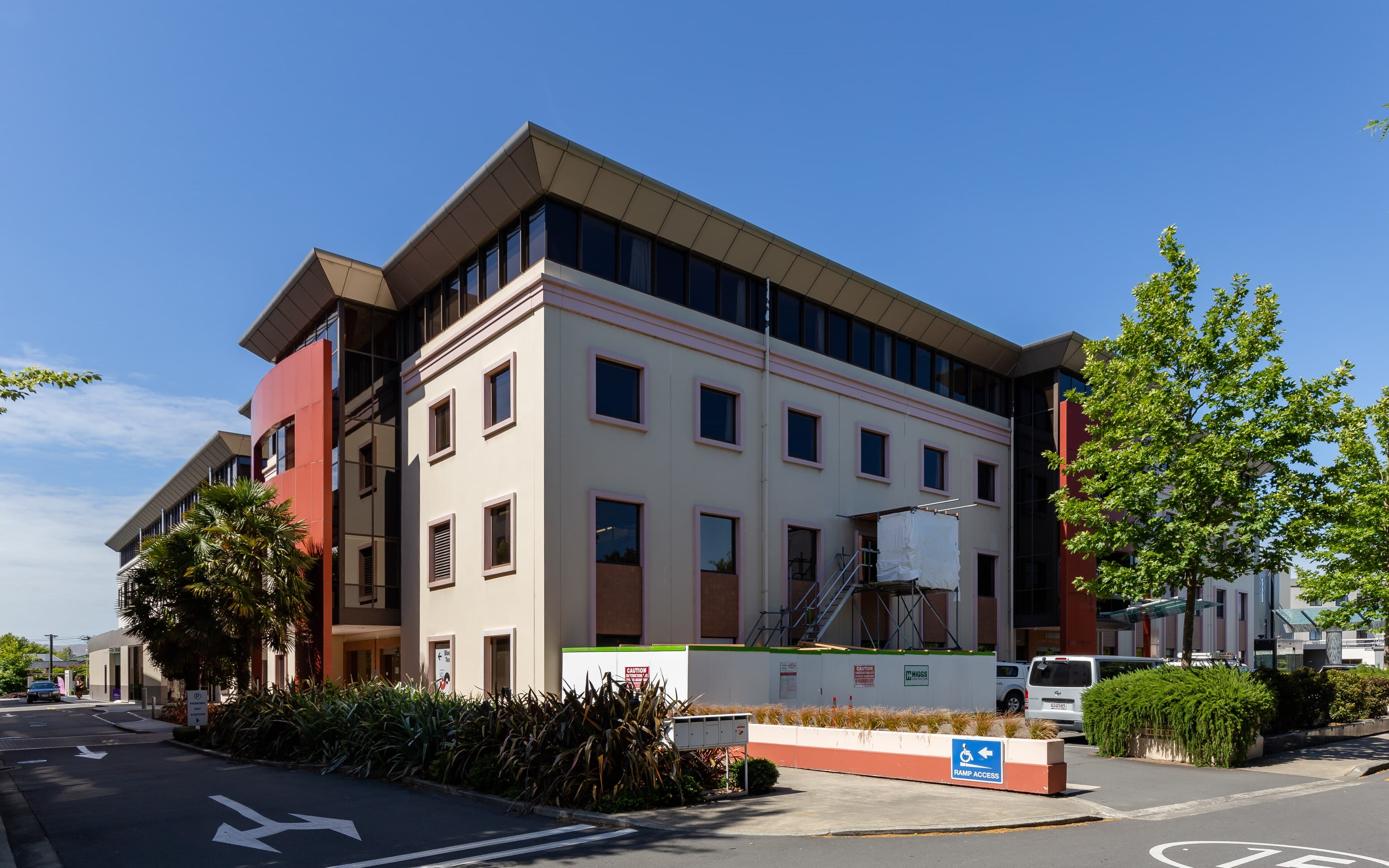
From afar, New Zealand’s public systems look enviable. Up close, the experience can feel different. Waiting lists tell their own story. Data from the OECD highlights the gap.
New Zealand lags behind several comparable countries in specialist availability. It also struggles with wait times for some cancer treatments.
This is true even as life expectancy remains above the OECD average. Residents live with both realities at once. There is gratitude for universal coverage. There is also frustration with delays.
Similar tensions surface in infrastructure and transport. The same Better Life country note notes a high perceived quality of the environment, but uneven access to affordable public transit and lingering pockets of deprivation.
For migrants from countries with weaker safety nets, these services feel like an upgrade. For citizens comparing New Zealand to the UK, Canada, or Scandinavia, they can feel like a compromise.
Global mobility has turned staying into a choice, not a default

It has never been easier for skilled citizens of “paradise” countries to re-root themselves. CANZUK International points to a clear example. In 2024, Australia began phasing in a “Skills in Demand” visa.
It offers qualified workers from partner countries, including New Zealand, a four-year pathway into its labour market. The signal is quiet but unmistakable. If you want more, come.
The desire to move is not rare. A 2023 global migration survey by Gallup International found that 36 percent of people worldwide would like to move abroad if they could. The share is highest in low-income regions. Still, it reaches about 32 percent even in high-income countries.
In a world shaped by remote work and portable qualifications, leaving feels easier. The barriers are lower. The decision becomes less dramatic and more practical. For many New Zealanders, the question begins to shift. It is no longer “Why go?” It becomes “Why stay?”
Social and cultural restlessness underneath the postcard

“Paradise” is a projection that flattens real anxieties. Young Kiwis interviewed by Al Jazeera describe cities that feel “desolate,” not because they lack beauty, but because friends and opportunities seem to be elsewhere. Social media feeds make overseas lives look not just possible but urgent.
Domestic debates around inequality, housing, and the treatment of Māori and Pasifika communities also shape how people feel inside the national story. Treasury’s Better Life note acknowledges sizeable gaps between groups in income, health, and education outcomes. When the myth of an egalitarian, easygoing society collides with daily experiences of struggle or marginalisation, some residents decide the postcard belongs to someone else.
Climate shocks are quietly eroding the idyll

New Zealand’s clean green image rests on land that is increasingly volatile. The country has seen more frequent extreme weather events in recent years. Flooding, in particular, has become harder to ignore.
These trends are echoed in broader assessments by the Intergovernmental Panel on Climate Change on the Pacific region’s growing exposure to climate-related risks. Paradise that feels precarious loses some of its magic.
At the same time, younger generations carry a high load of climate anxiety. Surveys of New Zealand youth referenced in national climate reports describe feelings of anger and powerlessness about the pace of adaptation and mitigation.
For some, moving abroad is not only an economic decision but a belief that other governments may be faster or more serious in their response. The dream of a safe, stable refuge is more complicated now.
The promise of belonging feels negotiable in a globalised world

Countries like New Zealand built their modern identities on a mix of indigenous roots and migrant optimism. Now those narratives are being renegotiated in real time. Stats NZ’s migration figures show a record net gain of non-citizen migrants, even as departures by citizens hit new highs, indicating cultural change is accelerating. For some long-term residents, that dynamism is exciting; for others, it feeds a sense of dislocation.
At the same time, diaspora communities abroad create parallel homes. Young New Zealanders in London or Melbourne report that they will “head there and socialise with people we already know,” as one 28-year-old told Al Jazeera.
Belonging becomes portable, stitched together from Kiwiana pubs in Clapham and WhatsApp threads back home. If you can feel like a New Zealander anywhere, then “home” is less tied to geography.
Leaving paradise is, for many, an act of love, not betrayal

Most departures from New Zealand carry one last look back. Gallup’s migration research shows that migrants from higher-income countries are often motivated less by desperation than by a desire to maximise skills and life satisfaction. They leave because they want more from the character they will get to play in this life, not because they hate the set design.
Treasury’s warning about “failing its best and brightest” is, in a way, a plea to take that love seriously. The same young people who rave about the beaches also say they cannot build the future they want there. To read their exit as ingratitude is to miss the quieter truth. They are betting that the version of themselves they hope to become needs a different stage.
Disclaimer – This list is solely the author’s opinion based on research and publicly available information. It is not intended to be professional advice.
Like our content? Be sure to follow us