For decades, the story of humanity centered on growth. More people, more cities, more momentum. That assumption now faces a quiet reversal.
The United Nations projects that the global population could peak around the 2080s before entering a sustained decline, driven largely by falling fertility rates. In many countries, birth rates have already dropped below the level needed to replace the population, and the shift is happening faster than earlier models predicted.
This change does not arrive with a single cause or a clear turning point. It builds through delayed parenthood, rising living costs, and shifting personal priorities. Younger generations are choosing smaller families or none at all, often in response to economic pressure and uncertainty about the future.
What once looked like steady expansion now feels fragile, with long-term consequences that ripple through labor markets, social systems, and the shape of everyday life.
Below-replacement fertility is becoming the global norm
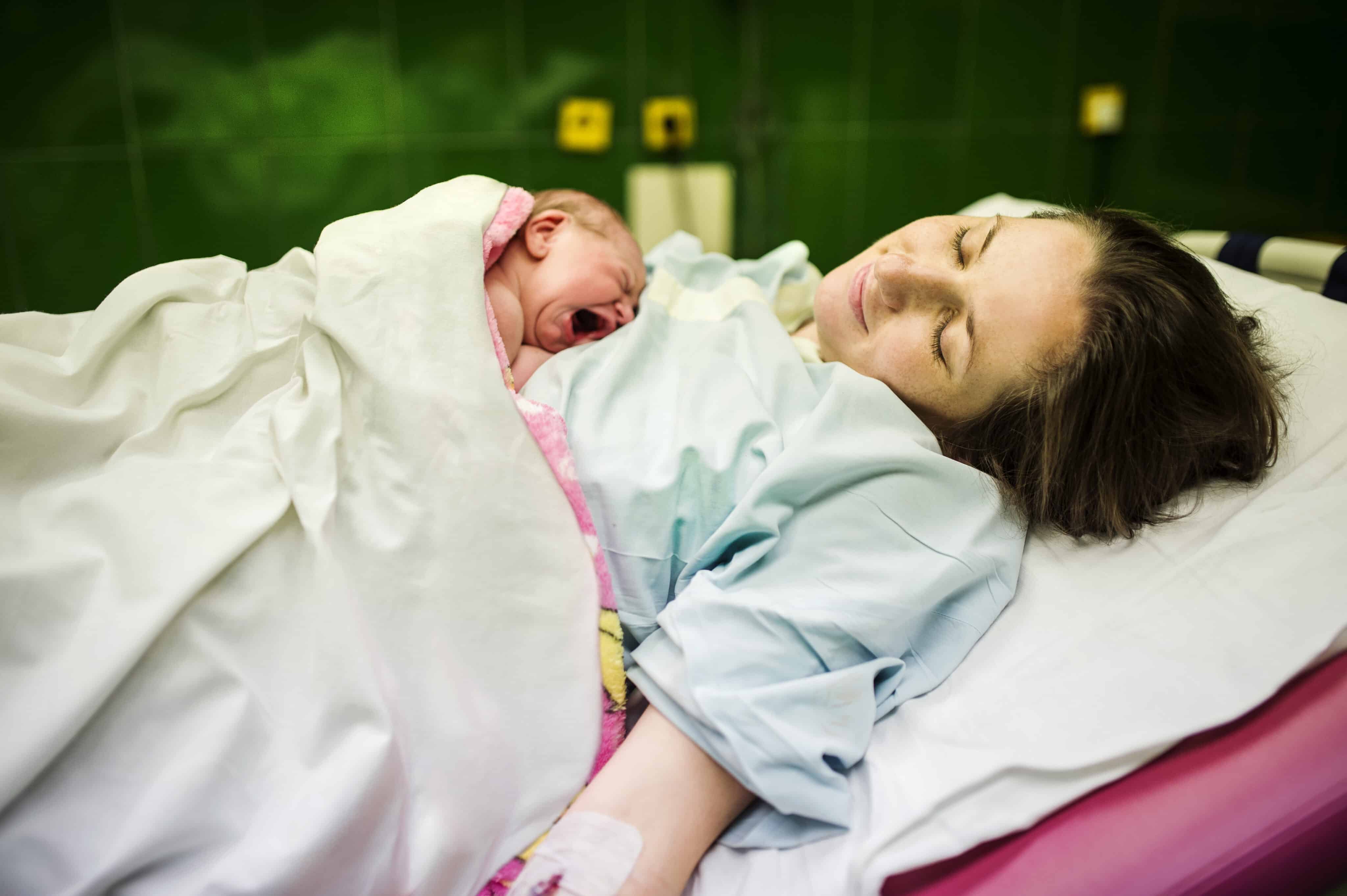
Global population growth is no longer a roaring tide; it is a wave losing height. The UN’s World Population Prospects 2022 notes that two-thirds of humanity now live in countries with fertility below the replacement level of 2.1 births per woman. In Japan, Italy, Spain, and South Korea, fertility has hovered around or below 1.3, numbers that quietly guarantee long-term decline without migration.
At the same time, the Institute for Family Studies notes that nearly half of the world’s population already lives in countries below replacement fertility. Among them, about three-quarters live where fertility is under 1.8.
Replacement is no longer the norm. It is becoming the exception. Population momentum has delayed the decline, but the demographic trend is already set. In many regions, the path now points toward contraction.
New forecasts show a lower, earlier peak than many expected
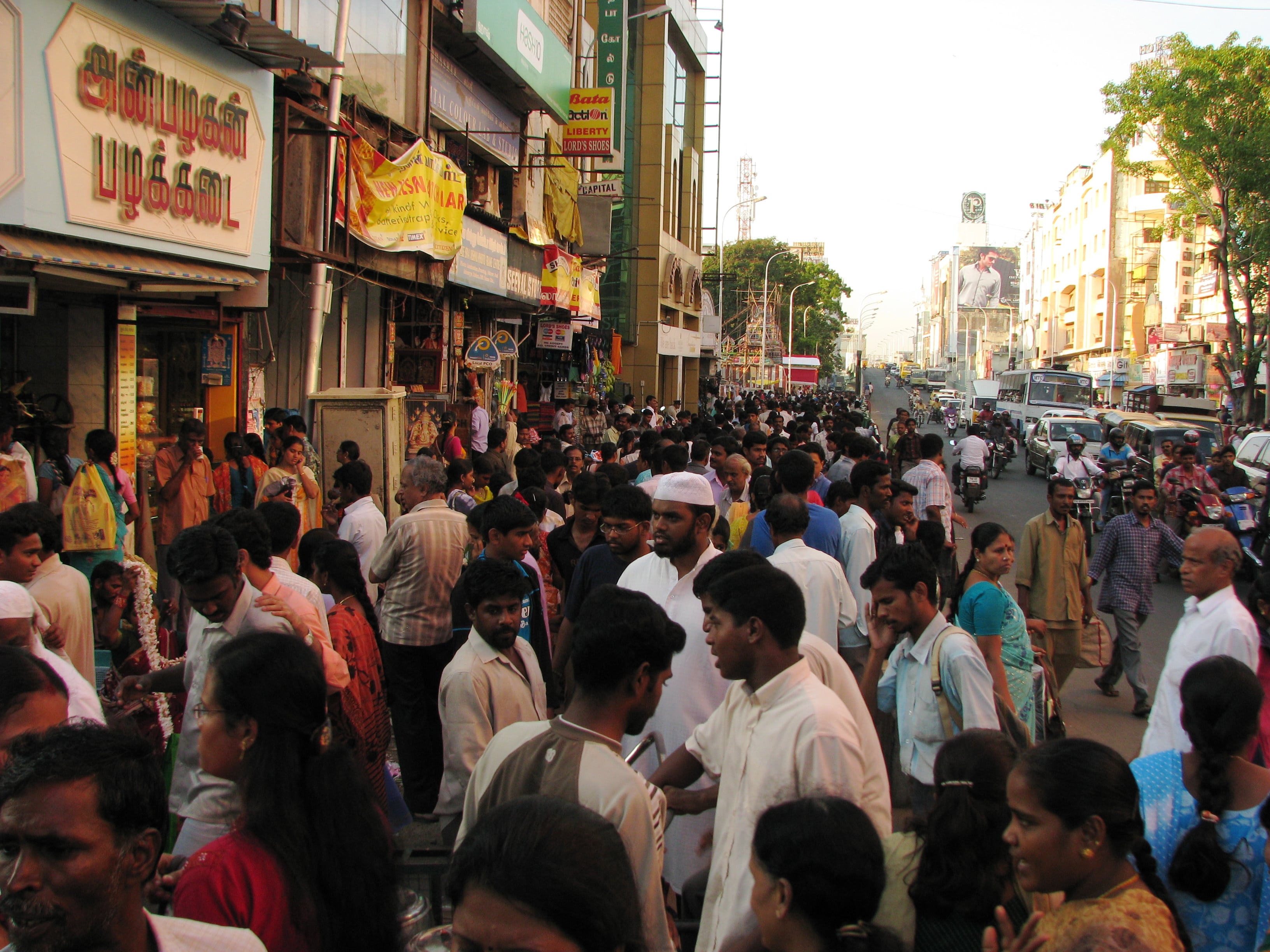
The storyline used to be simple: 11 billion humans by 2100. Now the projections argue with each other. The UN’s 2022 World Population Prospects still foresees a peak around 10.4 billion in the 2080s, followed by a slow plateau. But a 2020 analysis by the Institute for Health Metrics and Evaluation, published in The Lancet, suggested a lower peak of about 9.7 billion around 2064, followed by a fall to roughly 8.8 billion by 2100.
Those forecasts hinge on how quickly fertility falls and how far it stays below replacement in large countries from India to Nigeria. If fertility continues to undershoot expectations by even a few tenths of a child per woman, the difference by 2100 is measured in billions of people. Projections are not destiny, but each revision has bent the curve downward and pulled the peak closer.
Ultra-low fertility is spreading from a handful of countries to entire regions
Once, demographers treated South Korea or Italy as exotic outliers. Now they look more like prototypes. Statistics Korea reported in 2024 that the country’s total fertility rate fell to 0.72 births per woman in 2023, down from 0.78 the year before and far below the 2.1 needed for a stable population. It is less than one-third of replacement, a number that makes demographic decline almost impossible to reverse quickly.
Japan shows a similar pattern, only earlier. The Institute for Family Studies notes that its fertility fell below replacement in the late 1970s. It has remained around 1.4 births per woman. Reports from NDTV highlight the impact. Japan’s population, including foreign residents, shrank by more than 830,000 people in 2023 as deaths exceeded births.
The government’s own institute expects annual births to fall below 760,000 by 2035. These are not isolated anomalies. They are early signals. Parts of Europe and East Asia are beginning to face the same pressures.
Housing has quietly become a contraceptive

Behind many empty cribs is a spreadsheet. Across OECD countries, renters in the lowest income brackets now devote between 30 and 40 percent of their income to housing alone before paying for food, healthcare, or childcare. When one basic need absorbs that much of a paycheck, the perceived cost of adding a child rises sharply, even for people who say they want families.
In Japan and Bulgaria, researchers have linked rising homeownership costs and regional housing affordability to lower fertility outcomes. Where shelter is treated as a commodity first and a social good second, birth intentions are quietly edited down.
Education and women’s work have permanently rewritten the family size

The old demographic script assumed that once incomes rose, birthrates would bounce back. Instead, more schooling for girls and more jobs for women have reset the default expectation about how many children a “good life” includes.
An article in The World Bank Economic Review examined Ethiopia’s free primary education reform. It found that removing school fees increased women’s years of schooling. Each additional year was linked to lower fertility and a smaller ideal number of children.
The mechanism was not just access to classrooms but access to labor markets. As women gained qualifications, they became eligible for more attractive job options, and the opportunity cost of leaving those roles for extended childbearing rose.
Across many countries, UNDP’s Gender Inequality Index now shows rising female educational attainment and labor force participation. When women’s horizons widen, family size often shrinks and stays smaller.
Economic insecurity is turning “later” into “never.”

In theory, recessions and joblessness are temporary. In practice, they can shape reproductive timelines. A study titled “The Effects of Unemployment on Fertility” by Cevat Giray Aksoy examines this link in England.
It finds that male unemployment is generally associated with lower birth rates. Female unemployment, however, can sometimes nudge fertility upward, especially among younger women.
The pattern points to a clear signal. When men’s income prospects look fragile, many couples delay or reconsider having children. In some cases, they abandon those plans altogether.
Those delays accumulate. If a first child arrives five or eight years later than previous generations, the window for second or third births narrows, and some are simply timed out.
Youth unemployment, in particular, which the International Labour Organization has described as stubbornly high in many regions, signals to young adults that the future is uncertain. Under that forecast, reconsidering parenthood feels rational.
Climate anxiety and ethical doubts are reshaping what “responsible” means

Save this article
In richer countries, the question is no longer just “Can we?” It is also “Should we?” Surveys summarized in media coverage of climate and reproductive choices show a shift.
More young adults in North America and Europe say that climate change, political instability, and ecological grief shape their decisions. Many plan to have fewer children or none at all. Parenthood begins to feel like a moral choice, not just a personal milestone.
The Intergovernmental Panel on Climate Change outlines the broader context. It documents rising risks from extreme weather, food insecurity, and displacement as temperatures increase. These trends make the future feel more uncertain.
For some, having children seems out of step with a strained planet. Demographers are still unsure how lasting this sentiment will be. Even so, it acts as another brake on fertility, one that older models barely considered.
Urban life and solo living are crowding out family formation

Cities concentrate opportunity. They also create reasons to delay having children. The United Nations, in its World Population Prospects, notes a clear pattern. As countries urbanize, fertility tends to fall. Higher housing and childcare costs play a role.
So do expanding lifestyle options beyond parenthood. In megacities like Shanghai and São Paulo, many young adults build full lives around work, friendships, and travel.
Urban design adds another layer. Long commutes and small apartments make family life harder. Expensive childcare turns each additional child into a logistical challenge. At the same time, more people are living alone in many wealthy countries. This choice brings freedom but also reduces the number of couples in their peak childbearing years.
Once a population starts shrinking, momentum does the rest

Demography has its own kind of gravity. The Institute for Family Studies illustrates this through Japan. Fertility fell below replacement in the late 1970s, yet the population continued to grow until around 2010.
This was due to population momentum. After that, the decline began. It is expected to continue for decades. Each smaller generation has even fewer children, reinforcing the downward cycle.
China is now entering a similar phase. The National Bureau of Statistics of China reported that the population fell by 2.08 million in 2023. This marked the second straight year of decline.
Births dropped to 9.02 million, the lowest since 1949. Even strong pro-natalist policies face limits. There are fewer women of childbearing age, and many prefer smaller families. Once the population pyramid narrows, it tends to keep narrowing.
Aging societies can get stuck in a low-fertility trap

As populations age, a quiet feedback loop locks in low birthrates. In graying societies, political attention and public spending tilt toward pensions, healthcare, and stability rather than toward subsidized childcare, parental leave, or housing for young families. Young adults look around, see few structural supports, and decide that parenthood is a luxury rather than a norm.
Japan’s government has called the years up to 2030 “the last chance.” It is a narrow window to reverse the country’s long-running decline in births. As the working-age population shrinks, it must support an ever larger elderly cohort, tightening the balance between generations.
The more resources flow to sustain the old, the fewer remain to make life with children affordable for the young. The demographic snake begins to eat its tail.
Inequality concentrates parenthood in narrower slices of society

Global averages can hide who is actually having children. In World Bank research on Latin America’s middle class, economic shocks pushed many vulnerable households back into poverty. More stable, upper-income groups were better able to absorb the hit. In these conditions, childbearing patterns begin to split.
Births become more common in poorer rural areas and among wealthier elites. Meanwhile, squeezed urban middle classes start to pull back.
At the same time, data compiled by Inequality.org shows that the top 1 percent have captured a growing share of income since 1980. Younger generations are left with stagnant wages and rising living costs.
The pressure builds quietly but steadily. Those who might most want to invest in children feel less able to afford it. Over time, the middle thins out. The demographic center begins to hollow.
The future may be defined more by empty classrooms than crowded streets

Population decline is not a cinematic cliff. It is a quiet rearrangement of daily life. Projections from the United Nations and The Lancet point in the same direction. The future may not be defined by endless crowding.
Instead, many countries could face shrinking school enrollments. Housing may sit empty. Labor shortages could become more common by the second half of this century.
For children born today, the change may feel subtle but constant. The loudest soundtrack may not be noise, but absence. It may be the echo in half-full classrooms.
It depends on how societies respond, whether this becomes a crisis or an opportunity. A smaller population could ease environmental pressures, but it will also strain pension systems and shift geopolitical weight.
What is clear is that the once-unthinkable scenario of a world where fewer and fewer people are born each year is no longer theoretical. It is already unfolding in the birth registries of Seoul, Tokyo, Beijing, and beyond.
Disclaimer – This list is solely the author’s opinion based on research and publicly available information. It is not intended to be professional advice.
Like our content? Be sure to follow us