

Across the United States, population shifts are reshaping the future of major cities. In 2025, some of the nation’s most iconic urban centers are witnessing a steady outflow of residents.
New York City’s population fell by about 468,000 residents between 2020 and 2022, according to US Census Bureau data. San Francisco’s population has also experienced a significant decline, with some sources showing an over 7% decrease between 2020 and 2022, and a further drop in 2024.
Rising housing prices, economic uncertainty, safety concerns, and the rise of remote work are among the top reasons fueling this exodus. Here’s a closer look at the 10 U.S. cities losing residents in 2025, and the forces behind the decline.
New York City, New York

The population of the city of New York has been in decline for years, a trend exacerbated by current circumstances. The primary motivator remains the prohibitively expensive cost of living.
The cost of housing is astronomical, with the rental price of the typical one-bedroom apartment well above the national average. This financial strain prevents middle-class families and young professionals from establishing roots in the five boroughs.
The rise of remote work has also been a deciding factor. The most profitable careers in tech, finance, and media are no longer contingent upon having a Manhattan office presence.
This newfound freedom allows workers to seek out more affordable and expansive homes in other states without sacrificing their careers. For that reason, the city is losing a vital demographic that once formed its economic backbone.
Los Angeles, California

Los Angeles continues to lose its inhabitants, and the city’s infrastructure and economy are the reasons for this. The cost of housing is a primary concern, as home ownership remains out of reach for most.
This is compounded by several of the highest taxes and daily expenses in the nation, including gas and utilities. Aside from the cost, notorious traffic congestion leads to residents jamming streets for hours at a time, leading to increased stress and fewer hours for themselves.
Crime rates, fears, and a homelessness crisis in the open eye also have contributed to the view that the city’s ills are starting to overwhelm its star attraction, prompting many voters to flee to stability elsewhere.
Chicago, Illinois

Chicago is experiencing a steady decline in population, driven by economic woes and public safety concerns. Excessive property and sales taxes are a staggering expense drain on residents and businesses alike.
While there are bright spots in the job market, the recent loss of several large corporate headquarters has cast a shadow over the city’s long-term economic future.
Public safety is a perpetual problem that concerns the majority of Chicagoans. Some neighborhoods are so crime-ridden that the overall quality of safety in the city is impacted.
This, coupled with harsh winters and intense job competition, has prompted many to relocate to Sun Belt cities, which offer lower costs of living and a different lifestyle.
San Francisco, California
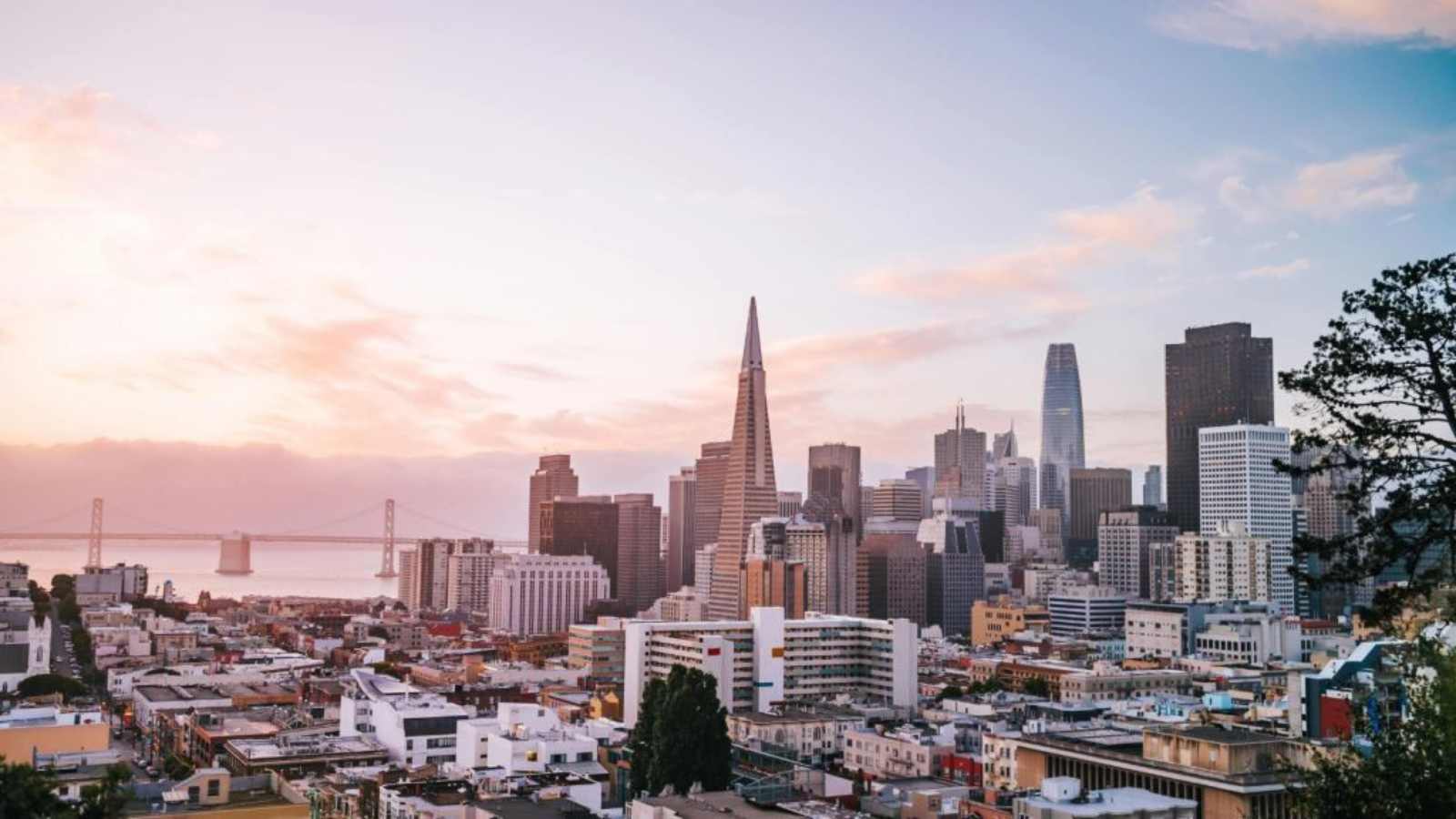
Once the epicenter of the tech boom, San Francisco is now a textbook example of urban flight. The city’s off-the-charts housing costs are what fuel displacement. The dream of Bay Area residency has become economically untenable for anyone but high flyers, displacing the creative communities and middle class that once filled the city with such vitality.
The ubiquity of telecommuting across the tech industry has released thousands of employees from their expensive Bay Area apartments. They are choosing to move to lower-cost tech hubs like Austin or Denver.
In addition, public evils of street crime, substance abuse, and homelessness have also tarnished the reputation of the city, causing even long-standing residents to question their future there.
Philadelphia, Pennsylvania

Although Philadelphia has experienced periods of growth, the city is currently facing a decline in population. One of the main reasons is the city’s high poverty rate and the resultant problems, which include under-financed public schools and inadequate high-paying job growth in some sectors.
The wage tax, which taxes income at its point of origin, also serves to discourage residents and businesses from locating within city boundaries. Public safety issues are also the main driving force behind exoduses.
An increase in violent crime over recent years has led to most residents no longer feeling safe even in their own areas. For those families seeking access to better schools and a secure environment, the suburbs surrounding them and bordering states offer an attractive alternative.
Boston, Massachusetts

Boston is another Northeastern metropolis of size, struggling with affordability. Housing, to buy or rent, is very high and not affordable for new graduates and families to get themselves settled.
The city’s economy is strong, primarily in biotech and education, but the top wages mostly do not stretch far enough to cover the high cost of living. Boston’s older infrastructure and notorious traffic also influence the quality of life.
Challenging, lengthy commutes are a normal part of the day for many. As more remote work opportunities become available in Boston’s leading industries, workers are seizing the chance to move to less congested and lower-priced areas in New England or even farther away.
Seattle, Washington

Save this article
The decline in Seattle’s population is a fairly recent phenomenon, following years of astronomical growth driven by its technology sector. That same boom is now partly responsible for its ills. The cost of living has skyrocketed, making the city unaffordable to many long-time residents and service industry employees.
Housing prices remain resistant to a recent cooling in the market. Ongoing public disputes about safety, policing, and homelessness have filled some residents with a sense of instability.
As massive tech companies like Amazon and Microsoft adopt remote or hybrid work arrangements, workers are freed from being tied to the expensive Puget Sound region.
Portland, Oregon

Portland’s housing costs are increasing rapidly, driving out artists, young professionals, and blue-collar workers. A sluggish job market in most areas, but a few key industries, is part of the economic tight squeeze.
Social and political disturbance, combined with an openly visible homelessness and drug emergency, has sharply affected the quality of life in the city. Most of its citizens believe that the city’s leadership has been ineffective in responding to these urgent problems.
This has led to a mass exodus, as individuals seek cities they perceive as more stable and functional.
Washington, D.C.

The city’s capital is losing more people than it is gaining. The cost of living is elevated, with District and inner-ring suburbs tied for the highest in the country in which to reside.
Employment in the federal government is secure, but the cost of everyday life does not permit many to accumulate wealth or qualify for a family home. The unique political climate of D.C. can also be a contributing factor.
It is a transitory city by definition, but others are choosing to leave for good due to overcrowding, high taxes, and a desire for a lifestyle shift. Greater mobility for federal workers and contractors, enabled by increased remote work, has allowed them to relocate to lower-cost areas without changing jobs.
San Diego, California

Long known as a paradise for its climate and lifestyle, San Diego is now witnessing individuals escaping due to its unaffordability. Housing costs are the primary culprit; San Diego tends to be one of the most expensive places to reside in the U.S.
These costs aren’t always covered by wages in the region, leaving a substantial pinch on finances. In addition to high housing costs, residents must also pay substantial amounts of tax and utility fees.
The popularity of the city has also led to congested traffic and dense population, forgoing the carefree life it was once renowned for.
Key Takeaways

The exodus from these megacities indicates a clear shift in American priorities.
Affordability matters. The number one reason people are leaving large cities is the unaffordable cost of living, and especially housing.
Remote work is a game-changer. Being able to work from anywhere is making it possible for Americans to prioritize their lifestyle and financial health over proximity to a workplace.
Quality of life matters. Public safety, traffic, and local government issues are powerful motivators for migration.
The Sun Belt continues to rise. The majority of those escaping these 10 cities are heading to metro areas in the South and Southwest, where they can take advantage of lower taxes, more affordable housing, and a slower pace of life.
Disclaimer – This list is solely the author’s opinion based on research and publicly available information. It is not intended to be professional advice.
6 gas station chains with food so good it’s worth driving out of your way for
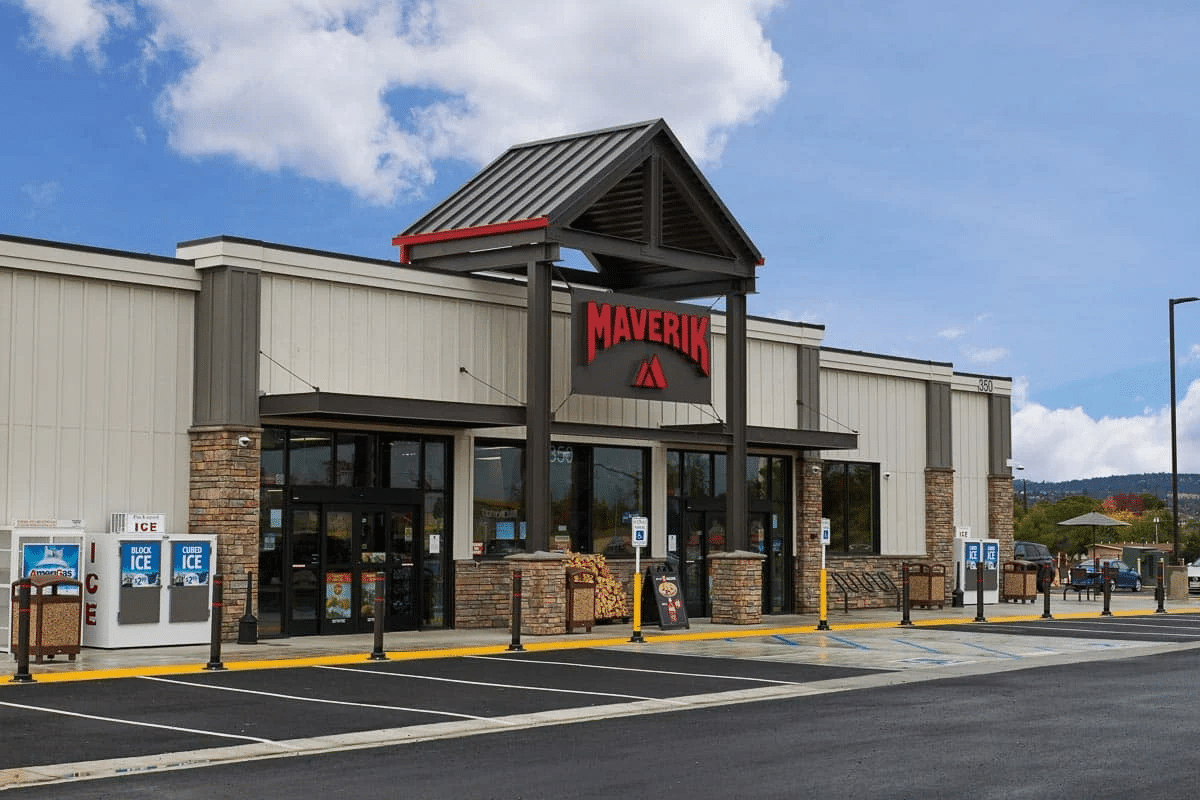
6 Gas Station Chains With Food So Good It’s Worth Driving Out Of Your Way For
We scoured the Internet to see what people had to say about gas station food. If you think the only things available are wrinkled hot dogs of indeterminate age and day-glow slushies, we’ve got great, tasty news for you. Whether it ends up being part of a regular routine or your only resource on a long car trip, we have the food info you need.
Let’s look at 6 gas stations that folks can’t get enough of and see what they have for you to eat.
16 grocery staples to stock up on before prices spike again

16 Grocery Staples to Stock Up On Before Prices Spike Again
I was in the grocery store the other day, and it hit me—I’m buying the exact same things I always do, but my bill just keeps getting higher. Like, I swear I just blinked, and suddenly eggs are a luxury item. What’s going on?
Inflation, supply-chain delays, and erratic weather conditions have modestly (or, let’s face it, dramatically) pushed the prices of staples ever higher. The USDA reports that food prices climbed an additional 2.9% year over year in May 2025—and that’s after the inflation storm of 2022–2023.
So, if you’ve got room in a pantry, freezer, or even a couple of extra shelves, now might be a good moment to stock up on these staple groceries—before the prices rise later.





