Your brain has its own biological age—and scientists are learning what makes it older
You may be 65 according to your driver’s license while your brain looks considerably younger—or older.
That’s the intriguing idea behind a growing area of neuroscience known as “brain age.” Researchers are using MRI scans, biomarkers and increasingly sophisticated computer models to estimate how old a person’s brain appears compared with the brains of other people the same chronological age.
The technology isn’t a crystal ball, and your “brain age” isn’t a diagnosis. But it is helping scientists investigate a much bigger question: Why do some brains appear to age faster than others?
Scientists can estimate an age from your brain scan
Researchers can train machine-learning systems using brain scans from thousands of people of different ages. The computer learns patterns that tend to change as people get older and then estimates an age from a new brain scan.
Researchers can compare that prediction with the person’s actual age.
The difference between your chronological age and your estimated brain age is often called the “brain age gap.”
A 65-year-old whose MRI resembles the typical scan of a 60-year-old would have a younger-appearing brain by this particular measure. Someone whose scan resembles that of a 70-year-old would have an older-appearing one.
But this is primarily a research tool. Different models measure brain age differently, and scientists are still working out exactly what these numbers mean for an individual person’s future health.
Your heart and brain may be aging together
One of the more interesting findings is the connection between cardiovascular health and the aging brain.
Research has linked factors such as smoking, higher blood pressure and markers of inflammation with an older-appearing brain. Other work has found relationships between cardiovascular aging and aging in specific brain networks.
A large 2025 Rotterdam Study analysis also found that smoking, alcohol consumption and elevated glucose were associated with an increased brain age gap, although the factors researchers examined explained only a portion of the differences between individuals.
Your brain doesn’t age in isolation from the rest of your body.
That makes biological sense. The brain requires an enormous and continuous supply of oxygen and nutrients delivered through blood vessels. Conditions affecting vascular health can therefore also affect the brain.
Association, however, is not destiny. These studies don’t establish that one particular behavior adds a precise number of years to someone’s brain.
Physical and mental activity keep showing up in the research
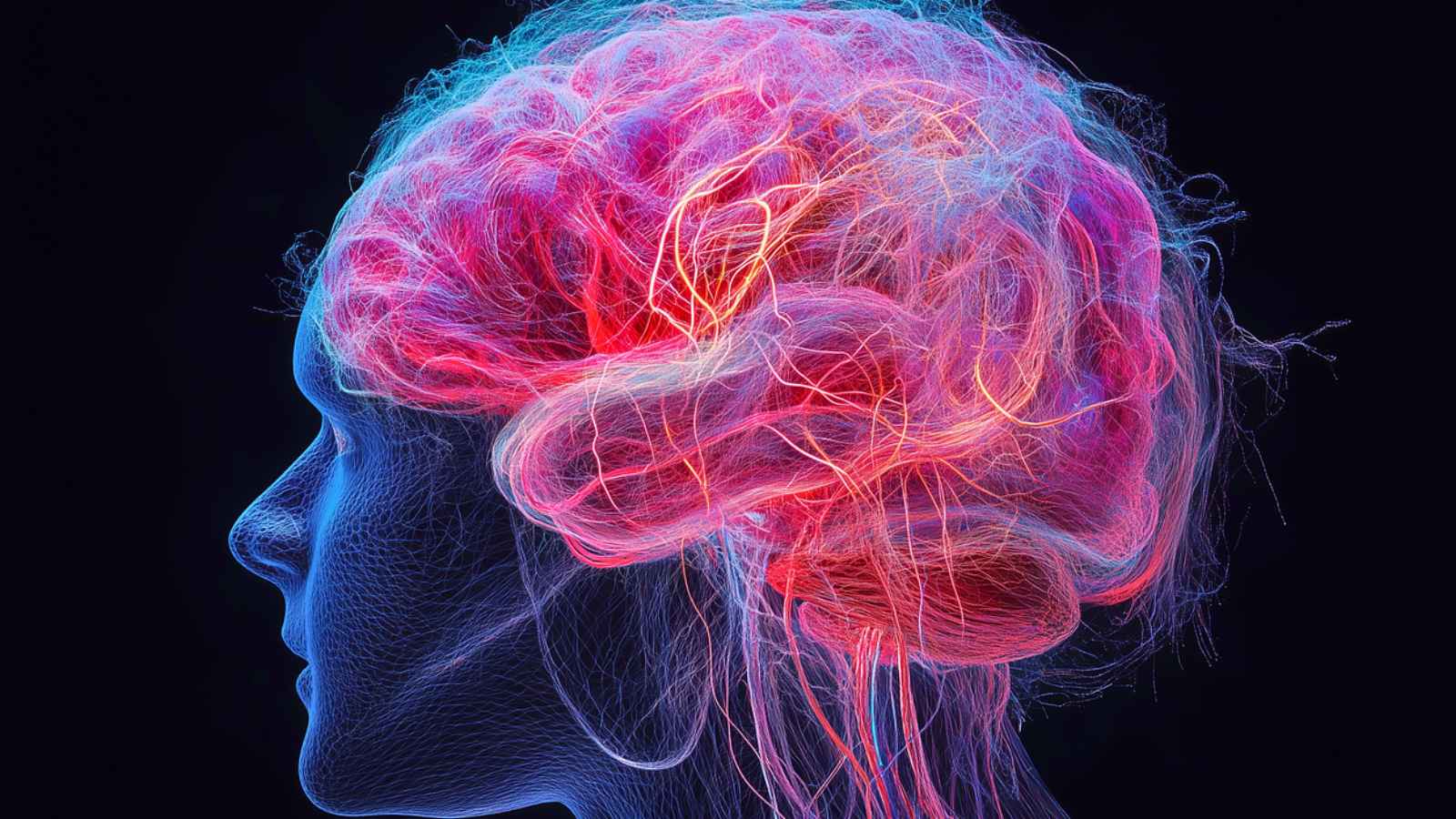
In a study of cognitively healthy older adults, researchers examined physical activity, fitness, cardiovascular risk and mental engagement alongside measures of brain pathology and cognitive performance.
A lifestyle characterized by greater physical and mental activity and lower cardiovascular risk was associated with younger brain and cognitive age.
Another recent study involving thousands of UK Biobank participants found that higher cardiorespiratory fitness was associated with a younger estimated brain age.
Save this article
Being physically active, mentally engaged and taking care of cardiovascular health are repeatedly associated with healthier patterns of brain aging.
But again, the word “associated” matters. Researchers cannot randomly assign people to decades of healthy or unhealthy living, so teasing apart cause and effect is difficult.
Brain age isn’t the same thing as dementia risk
This is where an intriguing scientific concept can easily turn into a frightening headline.
Having an older predicted brain age does not mean you have dementia or that you’re destined to develop it.
Researchers have found associations between larger brain age gaps and several health conditions, and brain-age models may eventually help scientists identify people at greater risk for certain diseases. But the technology isn’t currently equivalent to a cholesterol test or blood-pressure reading that everyone should ask their doctor to perform.
Brain age is a statistical estimate, not an expiration date for your memory.
Two people with similar brain-age estimates may have very different genetics, health histories and cognitive trajectories.
You may be interested in reading: Starting hormone therapy at this age was linked to lower dementia risk in a major new study
The encouraging part is that brain aging isn’t completely fixed
Age itself remains the largest risk factor for many neurological conditions, and nobody can stop chronological aging.
But researchers are increasingly separating chronological age from biological aging because people clearly don’t age at identical rates.
Smoking, physical inactivity, cardiovascular risk, blood pressure and metabolic health repeatedly appear in studies examining brain health. Those overlap substantially with the factors physicians already recommend addressing for heart health.
Many of the things associated with healthier brain aging are remarkably ordinary: move your body, don’t smoke, control blood pressure and remain mentally and socially engaged.
There is no evidence that a supplement, puzzle app or “brain hack” can freeze your brain at 45.
The larger picture appears considerably less glamorous—and more useful.
Final word
The most fascinating thing about brain-age research may not be that a computer can attach an age to an MRI scan. It’s that two people born in the same year can arrive in later life with brains that look surprisingly different.
Scientists are still determining exactly how much of that difference comes from genetics, environment, disease, lifestyle and plain chance. And no responsible researcher can promise that healthy habits will guarantee a youthful brain.
But the growing evidence reinforces an important idea: how the brain ages appears to be connected to how the rest of the body lives and ages.
Your birth certificate may establish the number of candles on your cake. Biology is considerably more complicated.