
Our everyday habits, the ones we barely think about, are often the very ones sneaking the most carbon into the air and destroying our planet.
You probably recycle your soda cans and bring a reusable bag to the grocery store, thinking you are doing your part for the planet. It feels good to check those boxes, but environmental impact often hides in the mundane routines we perform on autopilot. We tend to overlook the small stuff that adds up to a massive carbon footprint.
These innocent quirks in our daily schedule might seem harmless, yet they quietly pump greenhouse gases into the atmosphere while we look the other way. From how we wash our clothes to the way we watch movies, our modern conveniences come with a hidden price tag. Let’s pull back the curtain on the surprising ways we accidentally fuel climate change.
Streaming High Definition Video

Bingeing the latest series in 4K feels like a harmless way to unwind after a long week of work. We rarely think about the massive data centers working overtime to deliver those crisp images to our screens. Every pixel requires energy to process and transmit, and high-definition demands significantly more power than standard-definition.
The servers that host your favorite movies generate a lot of heat and require massive cooling systems to keep them running. If you are just watching a show in the background while cooking, you probably do not need cinema-quality resolution. Switching to standard definition on your devices can surprisingly lower your personal carbon footprint.
Leaving Electronics On Standby

You finish watching TV and hit the power button on the remote, assuming the device is asleep and not sipping any juice. But that little red light staring back at you is a sign that your gadget is still thirsty for electricity. This phenomenon is often called vampire power because it sucks energy even when you think everything is off.
Most of us have a dozen devices humming in the background, waiting to spring to life at a moment’s notice. It might seem negligible, but a study by the Natural Resources Defense Council found that always-on devices account for nearly 23 percent of an average household’s power consumption. Unplugging these energy vampires or using a smart power strip can stop the drain instantly.
Wasting Food Scraps

You probably have been guilty of buying a bag of spinach with the best intentions, only to watch it turn into green slime in the crisper drawer. It feels like a minor financial loss, but tossing that food into the trash creates a major environmental problem. When food rots in a landfill, it releases methane, a greenhouse gas far more potent than carbon dioxide in terms of climate change.
The scale of this issue is hard to wrap your head around until you look at the numbers. The USDA estimates that between 30 and 40 percent of the food supply is wasted, which means huge amounts of water and energy are used to produce food that no one eats. Composting your scraps or planning meals better can keep those emissions out of the atmosphere.
Using Single-Serve Coffee Pods

Pop a pod in the coffee machine, press a button, and you have a hot cup of joe in seconds without any mess. While this convenience is hard to beat, the plastic and aluminum waste generated by these little cups piles up fast. Millions of these used pods end up in landfills every single year because they are difficult to recycle.
Even the options labeled as recyclable often require you to peel off the lid and dump the grounds, which many people do not do. The manufacturing process for these complex little packages is also more energy-intensive than scooping beans. Using a French press or a reusable pod filter is a simple swap that makes your morning brew much greener.
Buying Fast Fashion Items

That trendy shirt costing less than a sandwich might seem like a steal, but the planet is picking up the tab. Fast fashion relies on cheap materials and rapid production cycles, encouraging us to treat clothes as disposable. The fashion industry produces 2-8 percent of all humanity’s greenhouse gas emissions, according to the UN Environment Programme.
We buy these clothes, wear them a few times, and then push them to the back of the closet or toss them out. Synthetic fabrics like polyester also shed microplastics into the water system every time they go through the wash. Investing in quality pieces that last longer is a classic move that never goes out of style.
Overwashing Your Jeans

Americans often toss clothes in the hamper after a single wear, even if they are not actually dirty. Jeans, in particular, are durable garments originally designed to be worn for days or weeks without washing. Washing them too often breaks down the fibers and uses gallons of water unnecessarily.
You can often freshen up your denim by just hanging it outside or spot-cleaning a small stain. Unless you have been rolling in the mud, your jeans can handle a few more wears before they need a full cycle. Reducing your laundry load frequency is one of the easiest ways to save water and energy at home.
Relying On Two-Day Shipping

The magic of clicking a button and seeing a package on your porch two days later has changed how we shop. However, that speed forces logistics companies to send out trucks that are not fully fueled or take inefficient routes. Rushing a delivery prioritizes speed over efficiency, which skyrockets carbon emissions per package.
Often, your items come from different warehouses, resulting in multiple boxes and shipments for a single order. If you can wait a few extra days, choosing the slower shipping option allows companies to consolidate your items. Patience really is a virtue here, as grouped deliveries significantly reduce the number of trucks on the road.
Hoarding Digital Data

We assume that keeping thousands of old emails and blurry photos in the cloud is eco-friendly because it is paperless. But that cloud is actually a physical server farm that consumes vast amounts of electricity 24/7. Every gigabyte of data you store requires energy to maintain, back up, and keep cool.
Those newsletters you never open and the duplicate screenshots are sitting on a hard drive somewhere, burning fossil fuels. Regular digital cleanup can free up space and give servers a break. Deleting unwanted files is a surprisingly effective way to reduce your environmental impact.
Save this article
Washing Clothes In Hot Water
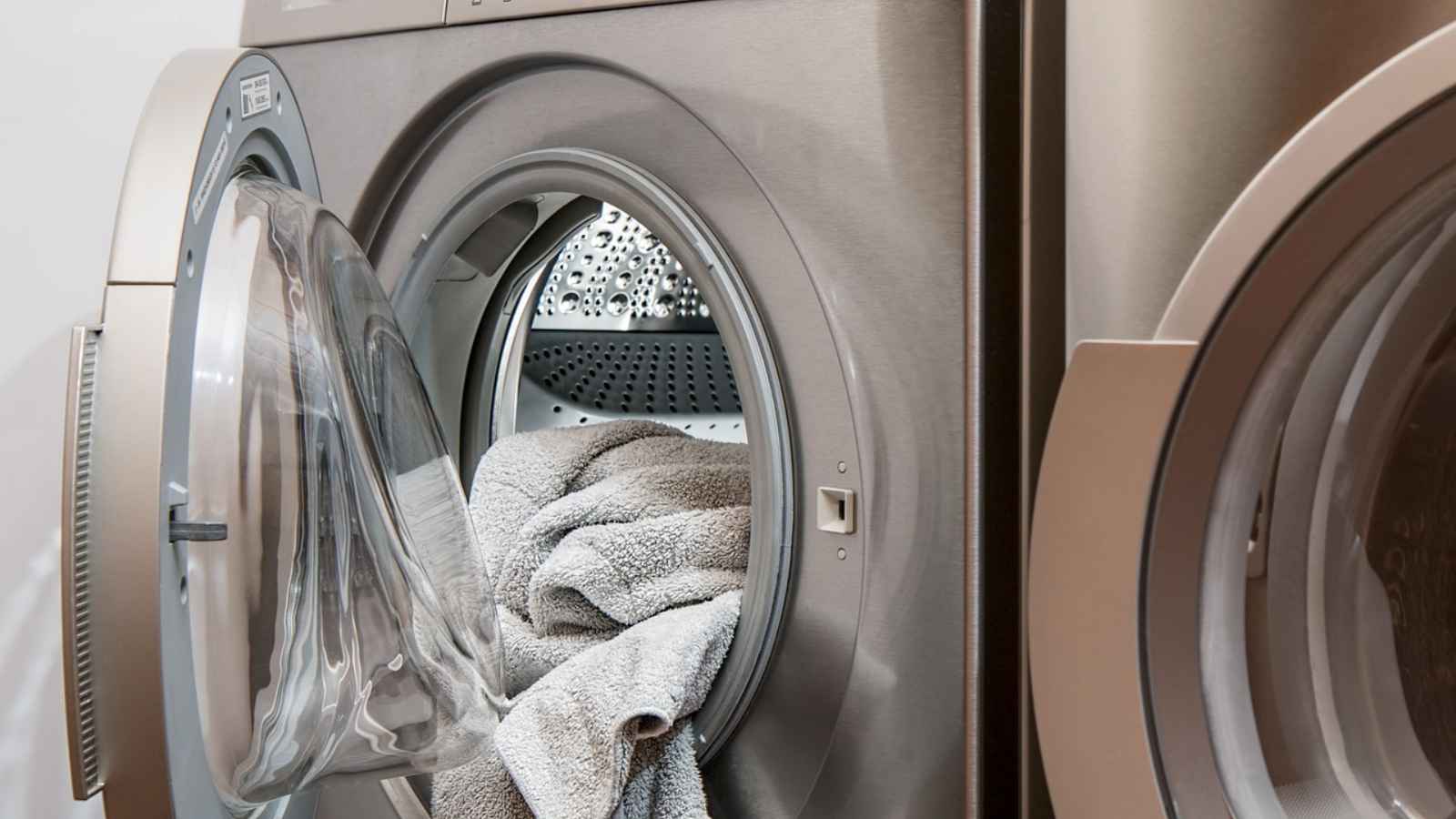
There is a lingering myth that clothes only get truly clean if you blast them with scalding hot water. Modern detergents are actually formulated to work exceptionally well in cold water for almost all daily loads. According to Energy Star, about 90 percent of the energy used by a washing machine goes just to heating the water.
Switching that dial to cold saves you money on your utility bill and drastically cuts the energy profile of your laundry routine. Your clothes will also last longer without the heat stress breaking down the fabric and fading the colors. It is a simple twist of the knob that delivers immediate environmental benefits.
Eating Meat At Every Meal

For many Americans, a meal does not feel complete unless there is a steak, burger, or chicken breast on the plate. While delicious, raising livestock is far more resource-intensive than growing plants. The FAO reports that livestock contributes to 14.5 percent of global greenhouse gas emissions.
You do not have to become a strict vegan overnight to make a difference in this area. Simply swapping out meat for a plant-based option for one or two meals a day has a huge collective impact. Participating in Meatless Mondays is a fun and tasty way to dip your toe into a more sustainable diet.
Idling Your Car

You probably often sit in the car with the engine running while waiting to pick up a friend or finishing a text message. It feels convenient to keep the AC or heat blasting, but you are getting zero miles per gallon. Idling for more than ten seconds uses more fuel than restarting the engine, contrary to popular belief.
Those few minutes here and there add up to a lot of wasted gas and unnecessary exhaust fumes in your local neighborhood. Modern engines are efficient and do not need to be “warmed up” for long periods like older cars did. Turning off your key when you are parked is a zero-effort habit that saves gas and reduces air pollution.
Using Disposable Razors

The bathroom is a hotspot for single-use plastics, and disposable razors are among the worst offenders. We use them for a week or two and then toss the mixed-material heads into the trash, where they sit for centuries. These plastic conveniences are almost impossible to recycle due to the embedded metal blades.
Switching to a safety razor with replaceable steel blades might seem intimidating, but it is cheaper and greener. You get a closer shave, and the only waste is a small piece of metal that can be recycled. Ditching the plastic handle is a smooth move for both your skin and the environment.
Impulse Buying Cheap Gadgets

You may fancy those inexpensive chargers, novelty toys, or kitchen gizmos that appear in the checkout aisle. They usually break within a few months and end up in the trash, contributing to the massive e-waste crisis. Electronic waste is toxic and contains hazardous materials that can leach into the soil when improperly disposed of.
It is better to buy one high-quality item that lasts for years than five cheap ones that fail repeatedly. Before you buy that flashing novelty item, ask yourself if it will still be useful next year. Resisting the urge to buy junk helps curb the demand for poorly made, disposable electronics.
Obsessive Lawn Care

Having a perfectly manicured, bright green lawn is a classic symbol of the American Dream. But maintaining that look often involves gas-guzzling mowers, leaf blowers, and excessive synthetic fertilizers. Gas-powered garden equipment emits high levels of pollutants because it lacks the strict emissions controls found on cars.
Embracing a more natural yard with native plants or using electric tools can make a big difference. You can also mow less frequently, which helps pollinators like bees and butterflies thrive. Letting your grass grow a little wilder is a great excuse to do less work and help the ecosystem.
Setting The Thermostat Too High

During the winter, it is tempting to crank up the heat so you can walk around in a t-shirt. However, overheating your home forces your furnace to work overtime and burn more fuel. Lowering your thermostat by just a few degrees can significantly reduce your energy consumption.
Throwing on a cozy sweater or using a warm blanket is much more efficient than heating the entire house to tropical temperatures. It is about heating the person, not the space, which is a more innovative way to stay comfortable. Adjusting your thermostat before you go to sleep is another painless way to conserve energy.
Disclaimer – This list is solely the author’s opinion based on research and publicly available information. It is not intended to be professional advice.
Like our content? Be sure to follow us.
How Total Beginners Are Building Wealth Fast in 2025—No Experience Needed

How Total Beginners Are Building Wealth Fast in 2025
I used to think investing was something you did after you were already rich. Like, you needed $10,000 in a suit pocket and a guy named Chad at some fancy firm who knew how to “diversify your portfolio.” Meanwhile, I was just trying to figure out how to stretch $43 to payday.
But a lot has changed. And fast. In 2025, building wealth doesn’t require a finance degree—or even a lot of money. The tools are simpler. The entry points are lower. And believe it or not, total beginners are stacking wins just by starting small and staying consistent.
Click here, and let’s break down how.