

Colon cancer is one of the most commonly diagnosed cancers worldwide, and growing evidence suggests that what we eat plays a meaningful role in shaping risk over time. Everyday foods, especially those eaten frequently and in large portions, can influence inflammation, gut bacteria, and how cells in the colon respond to damage.
According to the World Health Organization, processed meats such as bacon and sausages are classified as carcinogenic to humans, based on sufficient evidence linking them to colorectal cancer. This finding has pushed researchers to look more closely at other familiar foods that may have similar effects when consumed regularly.
Many of these items appear harmless or even comforting, yet their long-term impact can add up in subtle ways. Understanding how these foods affect the body can help readers support long-term colon health without feeling overwhelmed or restricted.
Processed meats and the strongest dietary warning label

Processed meats sit in a category of their own. Bacon, sausages, hot dogs, and deli meats have been scrutinized for decades, and the verdict has hardened over time. A pooled analysis published in The Lancet Oncology found that every 50 grams per day of processed meat raises colorectal cancer risk by about 18 percent. That amount is roughly one hot dog or two slices of bacon.
The biological explanation is unusually clear. Heme iron, nitrites, and nitrates used in processing can form carcinogenic N-nitroso compounds in the gut, especially when combined with high-heat cooking. The World Cancer Research Fund now classifies processed meat as a convincing cause of colorectal cancer and advises eating little, if any, to reduce risk.
Red meat and the slow climb of risk

Fresh red meat carries a quieter but still measurable signal. Large pooled prospective studies summarized in The American Journal of Clinical Nutrition report a link between red meat intake and colorectal cancer risk. Each additional 100 grams per day of beef, pork, or lamb was associated with roughly a 14 to 17 percent higher risk. Risk appears to rise fairly steadily up to about 140 grams per day, then flatten.
One meta-analysis found that people in the highest red meat intake category had a 35 percent higher risk of colorectal cancer than those in the lowest. Researchers point to heme iron, high-temperature cooking, and certain fats that promote inflammation and DNA damage in colon cells as likely drivers of this association.
Ultra-processed foods and the modern diet shift

Ultra-processed foods are now central to how many people eat, and colorectal cancer data have followed closely behind. In U.S. cohorts published in The BMJ, men in the highest fifth of ultra-processed food intake had a 29 percent higher overall colorectal cancer risk. They also had a 72 percent higher risk of distal colon cancer compared with those in the lowest fifth.
Follow-up work in women, reported in Gut, linked higher ultra-processed intake to a 45 percent increased risk of precancerous adenomas. Additives, emulsifiers, artificial sweeteners, heat-driven contaminants like acrylamide, and packaging chemicals such as bisphenol A are under investigation. Researchers increasingly connect the global rise of ultra-processed foods with the increase in colorectal cancer under age 50.
Sugary drinks and liquid calories

Sugar-sweetened beverages add calories without resistance. In the same U.S. cohorts analyzed in The BMJ, men with the highest intake of sugary drinks had a 21 percent higher risk of colorectal cancer compared with those who drank the least.
Liquid sugar spikes insulin, promotes visceral fat, and bypasses satiety cues that normally limit intake. Long-term metabolic disruption, rather than sugar alone, appears to be the link. A daily soda habit does not just affect the waistline. Over the years, it may quietly raise the odds of polyps and tumors in the colon.
Alcohol and the arithmetic of dose

Alcohol’s relationship with colorectal cancer follows a familiar curve. A dose-response meta-analysis published in Annals of Oncology reported that any alcohol consumption raised colorectal cancer risk by about 13 percent compared with abstention. Heavier drinking pushed the risk to 37 percent or higher.
Every additional 100 grams of alcohol per week, roughly seven standard drinks, increased colon or rectal cancer risk by about 15 percent. More recent analyses in The Journal of the National Cancer Institute also link higher alcohol intake to early-onset colorectal cancer, particularly in the distal colon. Researchers describe the relationship plainly. The more you drink, the higher the risk.
Deep-fried fast foods and heat-driven chemistry

Save this article
Deep-frying starchy foods creates acrylamide and other heat-induced contaminants with carcinogenic potential in laboratory models, as outlined by the National Cancer Institute. French fries, fried chicken, and onion rings are often part of a broader fast-food pattern that includes processed meat and sugary drinks.
Cohort analyses examining ultra-processed foods consistently flag fried items as contributors to colorectal cancer risk. The concern is less about a single exposure than the cumulative effect. The combination of deep-fried crust, refined carbohydrates, and processed meat forms a long-term inflammatory burden for the colon.
Refined grains and fiber gaps

Low-fiber diets built around refined grains have long been associated with higher colorectal cancer risk. Reviews from The BMJ and guidance from the American Institute for Cancer Research emphasize that fiber-rich diets protect the colon by speeding transit time. They also fuel the production of butyrate, a short-chain fatty acid that supports healthy colon cells.
Refined grains lack this benefit. Many ultra-processed foods combine white flour with added sugars and fats, compounding the problem. Cancer prevention organizations consistently recommend replacing refined grains with whole grains as a core strategy for lowering colorectal cancer risk.
Packaged snacks and displacement
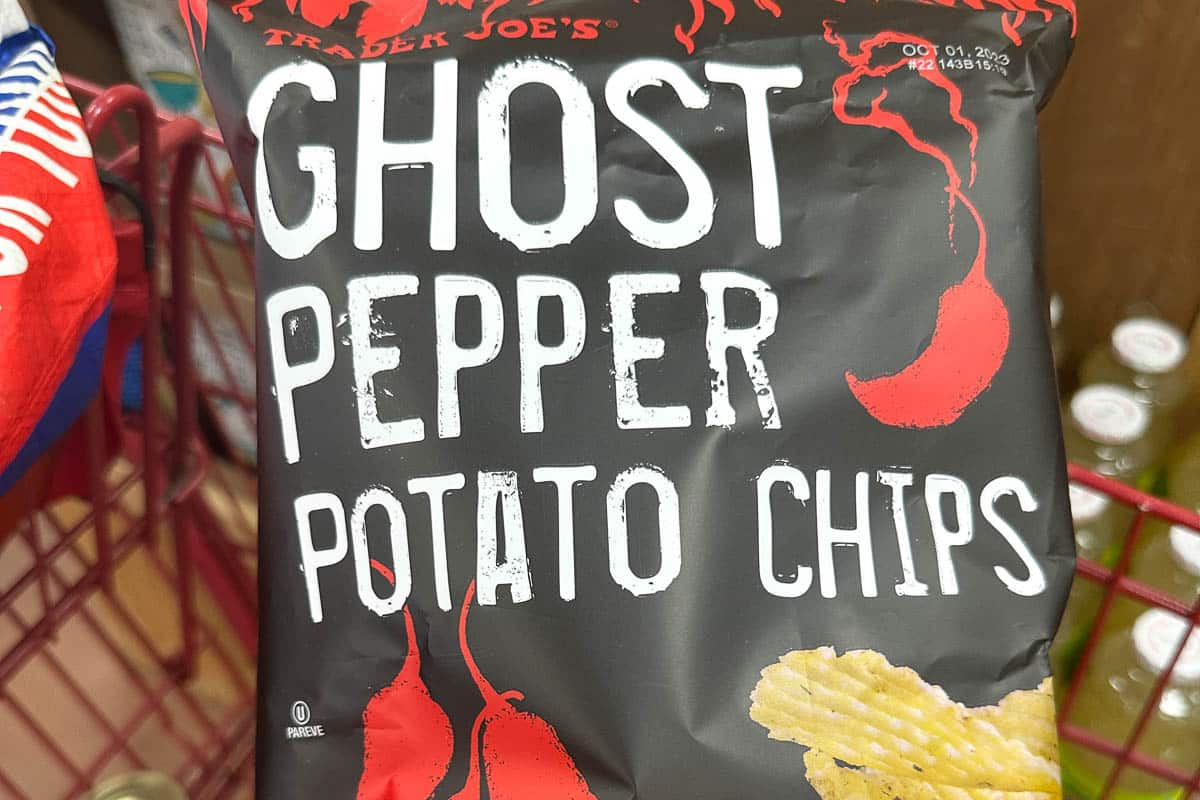
Chips, crackers, and packaged pastries are textbook ultra-processed foods, built from refined starches, industrial oils, sugars, and emulsifiers. High intake of these snack foods strongly correlates with higher overall ultra-processed food scores. In turn, these scores are linked to colorectal cancer in men and precancerous polyps in women, according to analyses in The BMJ and Gut.
These foods also displace protective ones. Frequent snacking on packaged products means fewer fruits, vegetables, legumes, and whole grains. Over decades, that trade-off matters. The more your snack aisle resembles a chemistry set, the more your colon absorbs the consequences.
Frozen meals and ready-to-heat convenience

Meat-based frozen meals concentrate several risk factors in a single tray. In U.S. cohort data published in The BMJ, men with the highest intake of ready-to-eat meat, poultry, or seafood dishes had a higher risk of colorectal cancer. Their risk was 44 percent higher than that of men with the lowest intake.
These meals often combine processed meats, refined carbohydrates, high sodium, and multiple additives. Long-term follow-up in women shows a similar pattern. Researchers increasingly argue that it is not just the meat or the salt, but the entire ultra-processed matrix that may drive colon damage over time.
Desserts, bakery items, and chronic excess

Cakes, cookies, donuts, and pastries are usually made from refined flour, added sugars, and industrial fats. Regular high sugar intake contributes to obesity, insulin resistance, and chronic low-grade inflammation. These are all major risk factors for colorectal cancer, as outlined in reviews in Cancer Epidemiology, Biomarkers & Prevention.
High-temperature baking can also generate acrylamide in some goods, adding another layer of exposure. A nightly dessert does not cause cancer on its own. But as part of a long-term high-sugar, low-fiber pattern, it nudges the colon steadily in the wrong direction.
Key Takeaway

Colorectal cancer risk is shaped less by single foods than by repeated patterns. Diets heavy in processed and red meats, ultra-processed foods, sugary drinks, alcohol, refined grains, and convenience meals consistently push risk upward over time.
Shifting toward fiber-rich, minimally processed foods does not guarantee protection. However, it moves the colon away from the conditions in which cancer most often takes hold.
Disclaimer – This list is solely the author’s opinion based on research and publicly available information. It is not intended to be professional advice.
Like our content? Be sure to follow us





