

The smallest gestures at the table often reveal more about who we are than the menu ever could.
Based on the TouchBistro 2022 Diner Trends Report, 44% of diners choose to dine in at restaurants at least once a week, while 78% do so at least once a month. There’s something fascinating about how a simple dinner can say so much about a person. It’s not about showing off or being fancy; it’s the subtle cues, the little things we do without even realizing they speak volumes.
Maybe you’ve noticed how some people always know which fork to use, while others just go with whatever feels right. Dining habits have become a quiet language of class, culture, and confidence, and once you start noticing them, it’s hard not to read the room.
How you treat the waitstaff says more than your order ever could

One of the quickest ways to spot someone’s true social awareness is by how they treat the people serving them. Those who’ve spent time in circles that value manners understand that kindness to staff isn’t optional—it’s expected.
You can tell a lot about someone who says “please” and “thank you” even in a busy restaurant rush. It’s a small gesture, but in refined company, that’s where real class begins.
How you handle tipping reflects your sense of empathy

Tipping has always been a window into how someone values service and fairness. The difference between leaving 10% and 20% isn’t just math—it’s awareness. A USA Today report shows that younger generations, especially Gen Z, are less consistent tippers than Boomers, reflecting a shift in cultural norms.
But those who consistently tip well—especially when service was genuine—tend to be viewed as socially attuned and considerate. Generosity here isn’t performative; it’s a soft indicator of upbringing and emotional intelligence.
Pronunciation of menu items can reveal cultural comfort

Ordering “bruschetta” correctly or saying “croissant” with a soft French touch isn’t about showing off—it’s about familiarity. People who’ve traveled more or eaten widely tend to pronounce dishes with ease, while others might stumble and quickly laugh it off.
And that’s okay; food language is cultural, not a test. Still, in upscale dining, mispronouncing a famous dish can instantly reveal someone’s comfort level in that space. Most people admit to ordering “safe” dishes to avoid saying something wrong out loud.
How fast or slow you eat speaks volumes about your background

In wealthier or more formal households, meals are social events, not refueling stops. Taking time between bites, setting your cutlery down, and engaging in conversation show you’re comfortable in the moment.
Those habits often come from environments where food isn’t rushed because there’s no reason to hurry. Meanwhile, those who grew up eating on the go—or sharing limited food—might still eat quickly without thinking about it. Neither is better, but one subtly hints at different life rhythms and upbringings.
Discussing money at the table is the ultimate faux pas

If there’s one silent social rule that separates classes, it’s how people handle money talk during meals. In upper circles, discussing salaries, prices, or financial struggles at dinner is considered poor taste. The unspoken idea is that dining is for connection, not comparison.
But among friends in more casual or middle-class settings, it’s totally normal to mention bills, budgets, or “how much this place costs.” The difference isn’t snobbery—it’s tradition rooted in the belief that refinement means discretion.
Also on MSN: 13 upper-class habits that puzzle the middle class
Wine knowledge still signals status in surprising ways
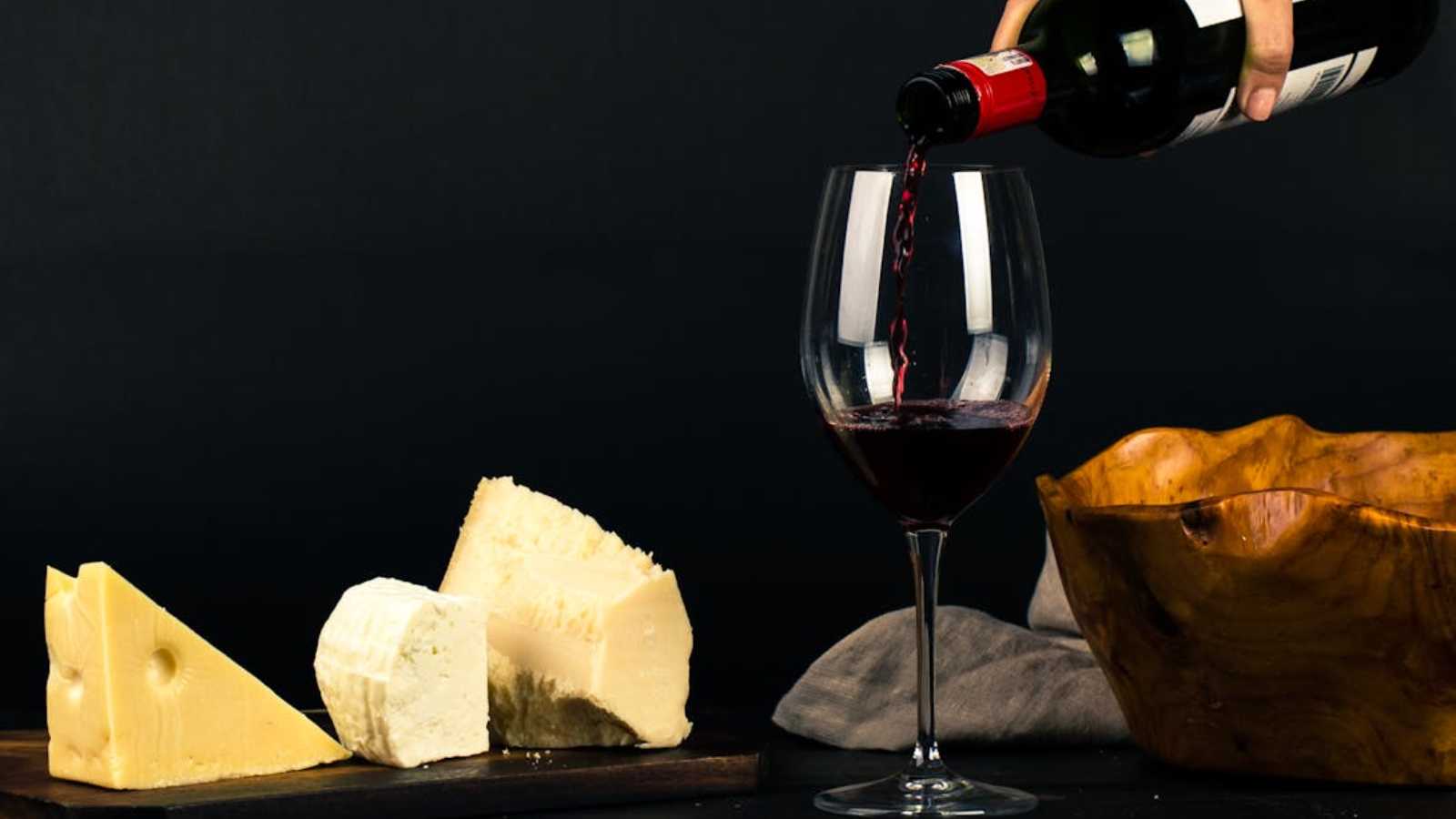
You don’t have to be a sommelier to notice that wine choices carry subtle social weight. Knowing when to order a bottle instead of a glass or recognizing a region like Bordeaux or Napa can signal education or exposure.
Industry reports suggest that wine tastings are most popular among high-income earners and wine club members, with participation rates likely ranging from 30% to 40% in those groups. It’s not about price, it’s about familiarity and confidence.
Meanwhile, others might stick to “just something red,” not realizing how much their comfort level quietly speaks for them.
Knowing what to do with utensils shows quiet poise

Save this article
In refined dining settings, utensils aren’t just tools—they’re signals. How you hold a fork, where you rest your knife, and how you finish your meal all send silent messages. For instance, placing utensils side by side on the plate indicates you’re done, a cue every seasoned server recognizes.
Those small details tend to come naturally to people raised around formal tables or trained environments. They might seem trivial, but they quietly separate confidence from confusion.
Knowing when to put your napkin down shows quiet confidence

You’d be surprised how many people still don’t know what to do with their napkin once they sit down. It’s not just a prop—it’s a signal. The habit of placing it neatly on your lap when seated and then loosely folding it on your plate when leaving shows you understand unspoken dining codes.
In higher social circles, this tiny action speaks louder than a designer outfit. People who grew up around formal meals learn it early, while others pick it up with experience and observation.
Choosing experiences over extravagance hints at evolved taste

A Euromonitor survey found that over 70% of affluent consumers placed greater value on experiences than on material possessions. You’ll often find that higher social groups spend more on the overall dining experience rather than on flashy meals.
They might favor understated restaurants known for their service, history, or chef’s reputation instead of viral spots made for social media. The focus shifts from showing wealth to appreciating quality. It’s not about what’s on the plate—it’s the atmosphere and authenticity that count.
Conversation style during meals says more than clothes ever could

People used to more formal social circles often keep dinner talk light, curious, and inclusive. They’ll steer clear of gossip, loud debates, or controversial topics at the table. Instead, they ask questions, share stories, and make everyone feel involved.
Those habits reflect a kind of social intelligence that doesn’t need to prove itself. You can feel the difference instantly—dinner becomes not just a meal but an unspoken dance of grace, warmth, and presence.
Key takeaways

True class shows up in the smallest gestures. It’s not about fancy forks or pricey wine—it’s in the kindness you show to waitstaff, the patience you bring to the table, and how comfortable you make others feel.
Dining is its own quiet language. How you use your napkin, what you talk about over dinner; every move whispers something about where you’ve been—and what kind of grace you carry with you.
Status isn’t loud anymore—it’s subtle. The most refined people don’t flaunt money or taste; they make dining look effortless, calm, and thoughtful. Real elegance never needs to announce itself.
Disclaimer – This list is solely the author’s opinion based on research and publicly available information. It is not intended to be professional advice.
Disclosure: This article was developed with the assistance of AI and was subsequently reviewed, revised, and approved by our editorial team.
14 things that label you as ‘uneducated’ on social media

14 Things That Label You as ‘Uneducated’ on Social Media
Welcome to the digital world, a place as intriguing as treacherous, where your online persona can instantly charm or alarm others. In this realm, your social media presence is your calling card, a digital mirror reflecting your thoughts, beliefs, and, perhaps, inadvertently, your level of education. Yet, fear not! This guide is here to help you navigate the vast ocean of social media with grace and wisdom.
12 laws and rules about food in other countries

12 Laws And Rules About Food In Other Countries
Food is more than just nourishment; it’s a reflection of culture, tradition, and, in many cases, the law. Around the world, various countries have established distinct food regulations that may surprise travelers and food enthusiasts alike.
These laws reveal how deeply societies value what ends up on their plates. Here are 12 fascinating food laws and rules from around the globe that show just how diverse and sometimes unexpected our relationship with food can be.





