A few careless words at home can echo for decades, quietly shaping a child’s confidence long into adulthood.
I still remember the first time I realized something my mom said stuck with me in a way she never intended. It wasn’t mean-spirited—she was just tired and probably frustrated—but that little phrase had me questioning myself for weeks. That’s the tricky thing about words: children often hold onto them far longer than adults realize.
Research from the American Psychological Association suggests that negative comments in childhood can have a lasting impact on self-esteem well into adulthood. With that in mind, here are some common phrases that may seem harmless in the moment but can quietly chip away at a child’s confidence.
You’re too sensitive

When a child hears this, they don’t just think they’re emotional—they start believing their feelings are a problem. Sensitivity can actually be a strength, tied to empathy and awareness, but this phrase suggests it’s a flaw.
Psychology Today highlights that children who routinely experience emotional invalidation often struggle with trusting their own perceptions, leading to insecurity, depression, and unstable self-identity later in life. Instead of learning to manage feelings, kids usually start hiding them. That silence can follow them well beyond childhood.
Why can’t you be more like your sibling

Comparisons may seem like motivation, but they usually plant seeds of self-doubt. Siblings already compete naturally, and hearing this out loud can make a child feel like they’ll never measure up.
Children who feel less favored often internalize a sense of inadequacy, which can persist into adulthood. A child who feels “less than” may withdraw or stop trying altogether. It’s a heavy burden to carry, especially when all they want is to be valued as themselves.
You’re impossible

Frustration sometimes slips out, but this phrase can stick in painful ways. It tells a child they’re not just difficult in a moment; they are difficult as a person. Kids interpret identity-based words more strongly than behavior-based ones.
That means “you’re impossible” may feel permanent, not situational. Hearing it too often can leave a child feeling unworthy of patience or love.
Because I said so

It’s the classic end to an argument, but it can also feel dismissive. Kids are naturally curious, and shutting down their questions may make them think their thoughts don’t matter. Children who feel emotionally dismissed or unheard often develop patterns of emotional suppression, self-doubt, and reluctance to assert themselves in adulthood.
A loss of voice can impact confidence in school, friendships, and even job opportunities. Sometimes a small explanation can make all the difference.
You’ll never be good at that

Even if spoken in frustration, those words tend to echo for years. A child hearing this may take it as fact rather than just a moment of anger. Self-fulfilling prophecy research shows that when kids are told they can’t succeed, they often stop trying.
Instead of pushing boundaries, they retreat from opportunities. It’s one of the fastest ways to dim a child’s spark.
You’ll never understand

When adults dismiss a child’s perspective in this way, it creates a sense of distance. Kids may already struggle to feel heard, and this phrase suggests their thoughts aren’t worth considering.
Feeling understood by parents strongly supports a child’s confidence and communication skills. Taking away that chance can shut them down emotionally. It tells them their voice doesn’t carry weight in their own home.
Stop crying, or I’ll give you something to cry about

This phrase often comes from exasperation, but it teaches kids that showing emotion is not safe. Crying is a natural stress reliever, yet when it’s punished, children may learn to suppress their feelings.
A 2023 study published in BMC Psychiatry found that expressive suppression—the habit of hiding or muting emotions—intensifies the negative impact of childhood trauma on adult mental health, especially depression and anxiety.
What begins as a scolding moment can create a lifelong pattern. Kids don’t stop needing comfort just because the words sound tough.
You’re so lazy

What might feel like tough love often creates shame. Children may start to internalize the label instead of addressing the behavior. Labeling children has long-term consequences for their motivation and self-esteem.
Instead of encouraging action, it makes kids believe laziness is who they are. It’s hard to build confidence when you’re stuck carrying that identity.
You’re fine, get over it

Save this article
Minimizing pain, emotional or physical, can make a child doubt their own experiences. Kids start to wonder if they can trust their feelings, which weakens their sense of self.
Research from Harvard’s Center on the Developing Child emphasizes that resilience isn’t a trait—it’s a dynamic process. One of its strongest foundations is the presence of supportive and responsive relationships that validate a child’s emotional experiences.
Without it, children may shut down instead of learning healthy coping skills. A quick “you’re fine” might save a moment, but it can cost long-term trust.
I’m disappointed in you

Disappointment carries a sting that’s sharper than anger. While parents usually mean it as a way to encourage better choices, kids often hear it as “you’re not good enough.”
Children equate parental approval with self-worth in powerful ways. That makes disappointment feel more like rejection. Over time, it can make a child afraid to take risks or try new things.
You should know better

This phrase assumes a level of maturity that the child may not yet possess. Mistakes are how kids learn, but being told they “should know” implies failure. According to Edutopia’s article on brain-based learning, mistakes help students revise inaccurate memory circuits and strengthen durable neural pathways.
In other words, errors literally help the brain grow. This phrase instead frames them as shortcomings. It can make kids feel incapable, even when they’re still figuring things out.
I wish you were more like…

It doesn’t matter if the comparison is to a cousin, neighbor, or even a friend—kids hear the same message: they’re not enough. Children thrive on individuality, not comparisons.
This phrase, though, encourages them to chase someone else’s identity. Over time, they may lose sight of their own strengths. Confidence comes from being valued as unique, not from being stacked against others.
Big boys don’t cry / big girls don’t cry

These gendered phrases push kids into unhealthy molds. Boys may grow up thinking emotions are a weakness, while girls may learn their feelings are dramatic. Children who are discouraged from expressing their emotions are more likely to struggle with relationships later in life.
Dr. Prem’s guide notes that suppressed emotions in childhood can lead to hypervigilance, a fear of abandonment, and difficulty trusting others. These patterns often surface in adult relationships as jealousy, emotional withdrawal, or clinginess.
These messages not only hurt confidence but also erode emotional intelligence. Children need space to be themselves, regardless of their gender.
Key takeaways
Words carry long shadows. Even casual or frustrated remarks can linger in a child’s mind, shaping how they see themselves well into adulthood.
Invalidation weakens trust. Dismissing emotions with phrases like “stop crying” or “you’re fine” teaches children to doubt their own feelings, rather than building resilience.
Comparisons and labels do lasting damage. Telling a child they’re “lazy” or that they should be more like someone else often erodes their individuality and self-worth.
Confidence grows from empathy and understanding. Taking time to explain, listen, and encourage mistakes as learning moments helps kids feel valued, capable, and secure.
Disclaimer – This list is solely the author’s opinion based on research and publicly available information. It is not intended to be professional advice.
16 grocery staples to stock up on before prices spike again
16 Grocery Staples to Stock Up On Before Prices Spike Again
I was in the grocery store the other day, and it hit me—I’m buying the same things I always do, but my bill just keeps getting higher. Like, I swear I just blinked, and suddenly eggs are a luxury item. What’s going on?
Inflation, supply-chain delays, and erratic weather conditions have modestly (or, let’s face it, dramatically) pushed the prices of staples ever higher. The USDA reports that food prices climbed an additional 2.9% year over year in May 2025—and that’s after the inflation storm of 2022–2023.
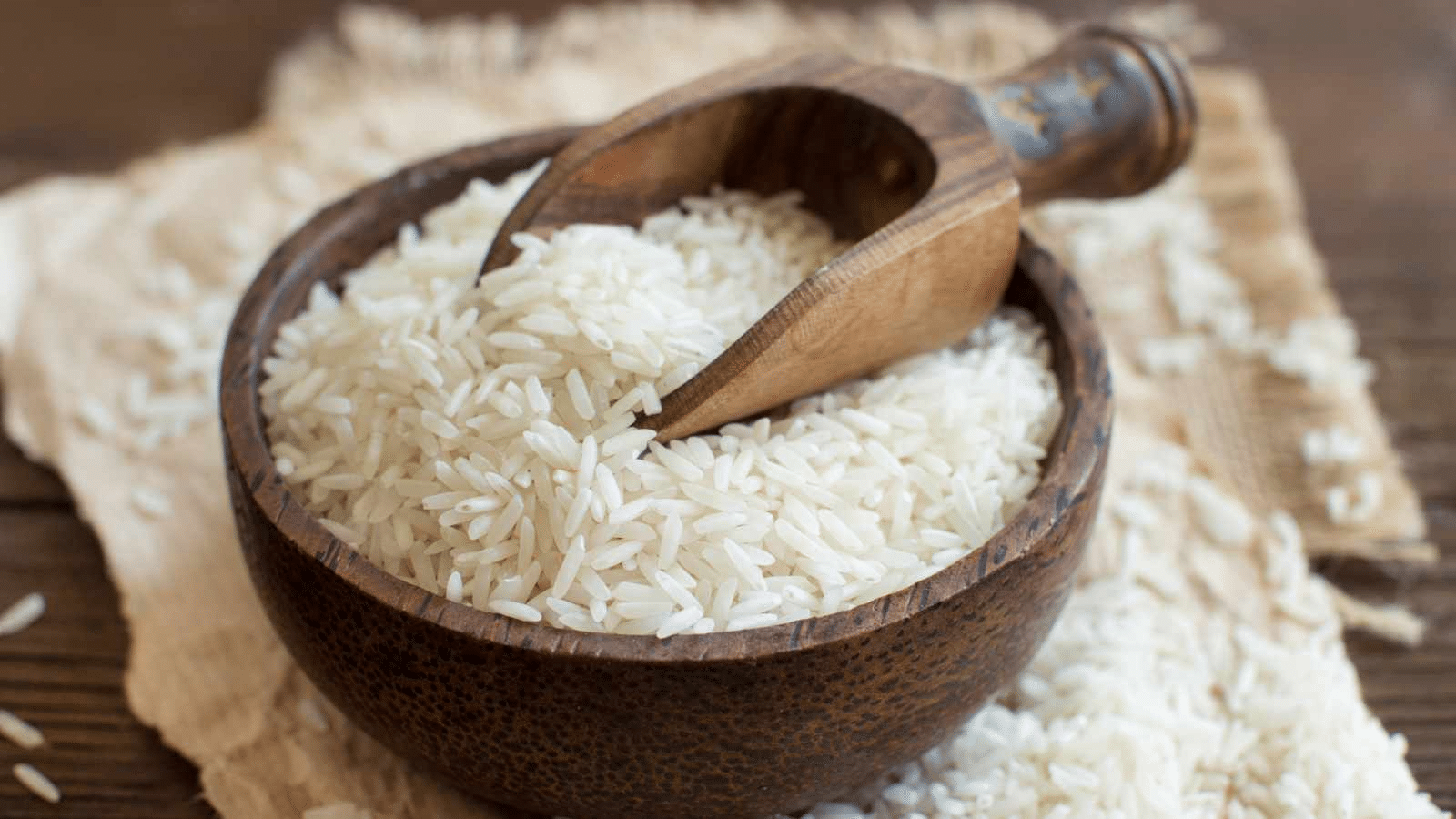
So, if you’ve got room in a pantry, freezer, or even a couple of extra shelves, now might be a good moment to stock up on these staple groceries—before the prices rise later.
6 gas station chains with food so good it’s worth driving out of your way for

6 Gas Station Chains With Food So Good It’s Worth Driving Out Of Your Way For
We scoured the Internet to see what people had to say about gas station food. If you think the only things available are wrinkled hot dogs of indeterminate age and day-glow slushies, we’ve got great, tasty news for you. Whether it becomes part of a routine or your only resource on a long car trip, we have the food information you need.
Let’s look at six gas stations that folks can’t get enough of and see what they have for you to eat.