

Many homeowners don’t realize that their own yards can hide legal landmines — from seemingly innocent lawn habits to backyard DIY projects — that could land them in hot water. Local codes and zoning laws govern far more than just the inside of your house.
According to Houseopedia, even building a deck, installing a tall fence, or regrading your yard might require a permit because of concerns about runoff and property lines.
And when neglected lawns or overgrown weeds violate city ordinances, fines can start stacking up faster than the clippings in your mower. Here are 10 everyday yard activities homeowners don’t realize may be against the law.
Building Sheds, Decks, or Patios Without a Permit

Many homeowners assume small projects like decks, patios, or sheds don’t need permits. However, most cities treat them as full construction if they exceed a certain size, attach to the home, or involve foundations or wiring. Local rules exist to ensure structural safety, fire protection, and code compliance.
If inspectors discover unpermitted work, they can shut down the project, issue fines, or require changes or even demolition. These problems often surface during home sales, forcing owners to obtain retroactive permits or make costly repairs. Skipping approval may save time initially, but it can easily turn into a legal and financial headache later.
Cutting Down Protected or Large Trees Without Permission

Many cities protect certain trees by species, trunk size, or location, meaning removal without approval can be illegal. Permits are often required to cut or heavily trim “heritage” or protected trees because they support ecosystems and shade urban areas.
Fines for unauthorized removal can reach thousands of dollars, and some cities require replacement trees or payments to reforestation funds. Enforcement agencies take complaints seriously since tree removal impacts heat, drainage, and neighborhood character.
Checking local rules before cutting helps avoid penalties and strained neighbor relationships.
Extending Fences or Walls Beyond Property Lines
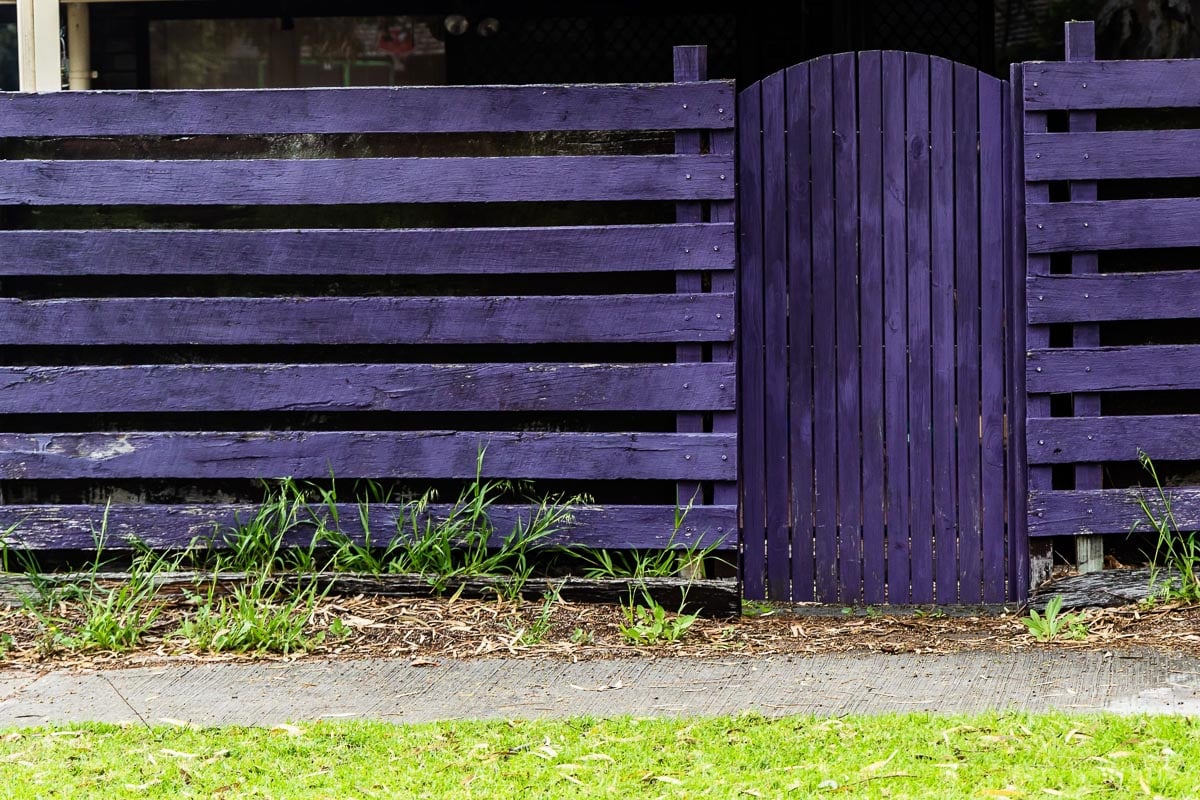
Homeowners often build fences slightly beyond their boundaries, thinking it’s harmless, but encroachment is considered trespassing. Many disputes arise because people rely on old markers or guesswork rather than a professional survey.
Cities or homeowner associations can demand that the fence be moved or taken down, and neighbors may sue if it affects their access or future construction plans. These issues also show up during refinancing or selling when title reports flag the encroachment. Paying for a survey up front is far cheaper than tearing out a new fence later.
Letting Landscaping Block Driver or Pedestrian Visibility

Overgrown shrubs, hedges, or trees that block sidewalks or driver sightlines often violate local safety regulations. Many cities set rules on vegetation height near driveways, intersections, and sidewalks to prevent accidents.
Blocked views or forced detours can lead to citations, ordered trimming, or even insurance complications after a crash. Cities may also trim the vegetation themselves and bill homeowners if deadlines are ignored. Keeping sightlines clear protects the community and avoids fines.
Burning Yard Waste Where It’s Banned

Burning leaves, brush, or yard debris is illegal in many places due to fire risks and air pollution. Health agencies note that burn barrels and leaf fires release toxic pollutants similar to small incinerators.
Many towns now ban open burning entirely or allow it only under specific conditions and permits. Violators may face fines, emergency response charges, or even criminal penalties after wildfires. With complaints about smoke rising, cities have increased enforcement, and mulching or composting has become the safer legal option.
Using Pesticides or Chemicals That Violate Local Rules

Save this article
Yard chemicals like herbicides and pesticides can become illegal if used in restricted areas or applied incorrectly. Many regions ban certain ingredients near waterways or require buffer zones to prevent runoff into storm drains.
Violations can result in fines if inspectors find chemicals entering drainage systems or wetlands. Misuse also risks harming pets, damaging plants, and contributing to chemical resistance. Following product labels and local guidelines keeps routine lawn care within the law.
Creating Drainage That Floods a Neighbor’s Property

Regrading soil, redirecting downspouts, or adding landscaping structures can unintentionally send water onto neighboring property. If this causes flooding or foundation damage, homeowners can be held legally responsible.
Cities may require owners to remove or redesign features that block or redirect natural water flow. Neighbors may file insurance claims or lawsuits if damage occurs. Planning drainage with proper outlets and permeable areas helps avoid disagreements and legal issues.
Installing Security Cameras Aimed at Neighboring Private Areas

Security cameras are common, but pointing them at a neighbor’s yard, windows, or private spaces can violate privacy laws. Many countries balance a homeowner’s right to monitor their property with others’ right not to be recorded in private settings.
Regulators regularly receive complaints about unlawful surveillance and may order owners to reposition cameras, delete footage, or pay fines. Neighbors can also pursue civil claims if they feel targeted. Keeping cameras confined to your property helps avoid legal and personal conflicts.
Running a Home Business That Attracts Foot Traffic

Turning a backyard, garage, or home into a small salon, workshop, or daycare often violates zoning rules once customers begin regularly coming and going. Residential zones usually limit business activity to control noise, parking, and traffic.
Cities increasingly require home-business permits and can issue fines or shut down unlicensed operations. Insurance may also deny claims if a paying customer is injured on the property. Making sure a home-based business meets local regulations protects both the neighborhood and the owner.
Failing to Maintain the Yard to Local Standards

Letting weeds, junk, or overgrowth accumulate may seem harmless, but many cities enforce maintenance standards through nuisance or property codes. Some areas cap weed height and require the removal of trash and dead vegetation.
Code departments regularly cite overgrown yards as one of the most common residential violations. Owners who ignore notices may face fines, cleanup bills, or liens. Maintaining a tidy yard helps avoid penalties and complaints from neighbors.
Disclosure: This article was developed with the assistance of AI and was subsequently reviewed, revised, and approved by our editorial team.
Disclaimer – This list is solely the author’s opinion based on research and publicly available information. It is not intended to be professional advice.
10 Luxury Home Decor Touches To Elevate Your Living Space

10 Luxury Home Decor Touches To Elevate Your Living Space
I’ve tried and styled many of these ideas in my own home and for clients. The difference these small changes make is amazing. Swap harsh lighting for warm lamps, or add a wine fridge to your kitchen, and your house quickly feels less like just a place to live and more like a home you’re proud to share.
Let me walk you through ten luxury upgrades I swear by, ones that can transform your home without needing a complete remodel.





