

Video doorbells have quickly become a common fixture on homes everywhere, sleek, convenient, and surprisingly addictive. However, behind the convenience lies a growing list of concerns, from privacy issues to security vulnerabilities that are often not part of the marketing pitch.
With global revenue projected to increase from $2.11 billion in 2025 to $8.4 billion by 2035, these devices are here to stay, making it all the more essential to understand the associated risks. Here are 13 hidden dangers tied to doorbell cameras—and practical ways to protect your home while staying connected.
Device Hacking

This might sound like something out of a spy thriller, but Wi-Fi-connected doorbell cameras can be hacked, exposing live video, stored footage, and even two-way audio to digital snoopers. Consumer Reports found that certain doorbells (e.g., EKEN and Tuck brands) could be hijacked by simply holding down the button and pairing them with a new app account; no password required.
The most common culprits include weak passwords and outdated firmware. To protect yourself, create a strong password (avoid using “password123” or similar), enable two-factor authentication, and keep your devices updated; firmware updates often contain critical patches for known security vulnerabilities.
Home Network Compromise

The downside of smart devices being “connected”? If they get hacked, they really get hacked. Research indicates that 57% of smart devices are susceptible to medium- or high-severity attacks, and cyberattacks targeting IoT devices increased by 87% in 2023. Once someone infiltrates your doorbell or speaker, they could use it as a gateway to your other connected gadgets.
In one test, a simulated smart home was subjected to over 12,000 hacking attempts in a single month, with 97% of the attacks aimed at recruiting devices into botnets, such as the Mirai botnet. To block unwanted visitors from your network, use the WPA2 or WPA3 protocols for your Wi-Fi. WPA3 offers stronger encryption and protects against brute-force attacks.
Data Privacy and Unauthorized Access

Ever imagine your doorbell camera footage taking an impromptu trip overseas? It turns out that some companies have flubbed their systems—Amazon’s Ring, for example, faced backlash when its Android app was found to transmit users’ personally identifiable information to third-party trackers without their consent.
In another case, a UK court ruled that a Ring doorbell setup breached a neighbor’s privacy rights, capturing audio from over 60 feet away. The fix? Opt for cameras with end-to-end encryption, which ensures that only you can view your footage. Ring added this feature in 2020, but it must be manually enabled.
Stalker and Harassment Risks

Picture this: someone creepy using your camera feed to monitor your daily routine. It’s not just a hypothetical concern; research shows that over 80% of data breaches stem from compromised credentials, and smart home devices are increasingly targeted for surveillance and stalking.
What can you do? Multi-factor authentication remains a top defense, with Google reporting that using an authenticator app can block 100% of automated bot attacks and 96% of phishing attempts. Also, routinely review your device’s access logs. According to CrowdStrike, these logs reveal IP addresses, timestamps, and request types, enabling you to detect anomalies such as repeated failed logins or access from unfamiliar locations.
Physical Device Theft

A poorly secured doorbell camera is akin to leaving your fancy phone on a park bench; thieves know it’s valuable and easy to steal. Video doorbells have become increasingly common targets, with reports showing that models like Ring and Nest can be stolen and reset for resale unless properly mounted.
Once nabbed, they’re often easy to reset and reuse, especially if the thief has access to basic tools or knows how to perform a factory reset on the device. To prevent this, secure your doorbell with tamper-proof brackets or security screws. And don’t underestimate the power of visible signage; studies show that security signs can reduce burglary attempts by increasing perceived risk.
False Sense of Security

Just because you’ve got eyes on your porch doesn’t mean your house is fortress-level safe. While visible cameras can deter up to 60% of burglars, they’re no substitute for solid locks or alarms. Cameras are a fantastic deterrent, especially when paired with signage. Still, they don’t physically stop intrusions or alert authorities in real time.
Treat your doorbell as part of a broader system: studies show homes with integrated security setups, including alarms and sensors, experience significantly fewer break-ins. Add actual security layers, such as motion sensors, which detect unauthorized movement and trigger alerts or lights, and alarm systems, which can reduce burglary rates and property loss when professionally monitored.
Recording Beyond Property Boundaries

Accidentally capturing neighbors or public areas in your camera’s view might land you in a sticky legal situation; just ask the defendant in Fairhurst v. Woodard, where a UK court ruled that excessive audio and video surveillance breached privacy and data protection laws. The UK’s GDPR and Data Protection Act 2018 require homeowners to inform individuals if they’re being recorded beyond property boundaries.
Adjust your camera’s field of vision so it only covers what’s yours; many smart doorbells now offer privacy zones and audio toggles to help with compliance. And, yes, brushing up on privacy laws in your area is worth the effort; guidance from the Information Commissioner’s Office (ICO) emphasizes the importance of transparency, clear signage, and responsible data handling.
Surveillance, Paranoia, and Anxiety

Constant notifications about the mailman, a squirrel, or a gust of wind can keep you on high alert, and research shows that the average adult receives 46 push notifications daily, each one disrupting focus and increasing stress. Obsessing over recorded footage only adds to the unease, with studies linking notification overload to heightened anxiety and even symptoms of depression.
Save this article
Customize your motion zones to filter out irrelevant activity, such as swaying trees or passing cars, which are common triggers for false alerts in pixel-based motion detection systems. Adjusting sensitivity and excluding busy areas can reduce unnecessary alerts by up to 80%, according to camera manufacturers like Blink and Swann.
Vulnerable Cheap Models

A “deal too good to be true” doorbell might look fine initially, but a suspiciously cheap camera often compromises on security. Many low-cost models lack proper encryption protocols, leaving video feeds and user data vulnerable to interception. Researchers have found that some transmit footage unencrypted or store passwords in plain text.
Without regular firmware updates, these devices become easy targets for hackers, as outdated software often contains known vulnerabilities. In 2021 alone, over 149,000 security cameras were breached across 24,000 organizations due to poor cybersecurity practices.
Invasion of Family and Visitor Privacy

It’s all fun and games until Grandma notices she’s being recorded every time she pops over; not everyone is comfortable being on camera. Depending on your location, they may have legal rights to protest. Be upfront with your visitors and invest in clear “This location uses video monitoring” signs.
Bonus points if you offer an option to turn off recording in private areas; some smart cameras like Reolink’s E1 series even include a Privacy Mode that disables both video and audio feeds. Transparency isn’t just polite; it’s legally smart and helps everyone feel more at ease.
Cloud Storage Risks

Cloud storage feels like a vault, but it’s far from invincible; misconfigurations, weak access controls, and exposed data have led to breaches affecting millions of users. If your provider’s systems are hacked, sensitive footage could be compromised, as seen in the 2021 Verkada breach, where over 150,000 security cameras were compromised across hospitals, prisons, and corporate offices.
For peace of mind, opt for a model that offers local storage options, such as SD cards, hard drives, or Network Attached Storage (NAS), which give you complete control over your footage and eliminate reliance on external servers. Brands like Reolink, Arlo, and TP-Link offer cameras with expandable SD card slots or USB-based local backups.
Social Engineering and Phishing

Shady scammers posing as customer support can trick you into sharing login details or downloading malware, and this tactic is alarmingly common; tech support scams cost victims over $347 million in 2022 alone, according to the FBI. Brands like Microsoft, Apple, and PayPal are among the most impersonated in phishing emails, often using fake invoices or security alerts to lure you in.
Be cautious and always verify through official company channels; legitimate companies will never ask for passwords, remote access, or payment via gift cards. Scammers often spoof caller IDs and email domains to appear authentic; therefore, hovering over links and verifying the sender’s address is essential to spot fraud.
Firmware and Software Vulnerabilities

Skipping updates is like leaving your digital front door wide open; outdated firmware is a giant neon sign for vulnerabilities that hackers actively seek out. According to the Ponemon Institute, 60% of data breaches originate from known vulnerabilities that have never been patched.
Enabling automatic updates ensures that critical security patches are applied immediately, thereby reducing exposure to threats such as ransomware and credential theft. If automatic updates aren’t available, set reminders for manual checks, especially for devices like routers, smart cameras, and printers, which often require manual firmware updates via the manufacturer’s website or a USB drive.
Disclaimer – This list is solely the author’s opinion based on research and publicly available information. It is not intended to be professional advice.
6 Gas Station Chains With Food So Good It’s Worth Driving Out Of Your Way For
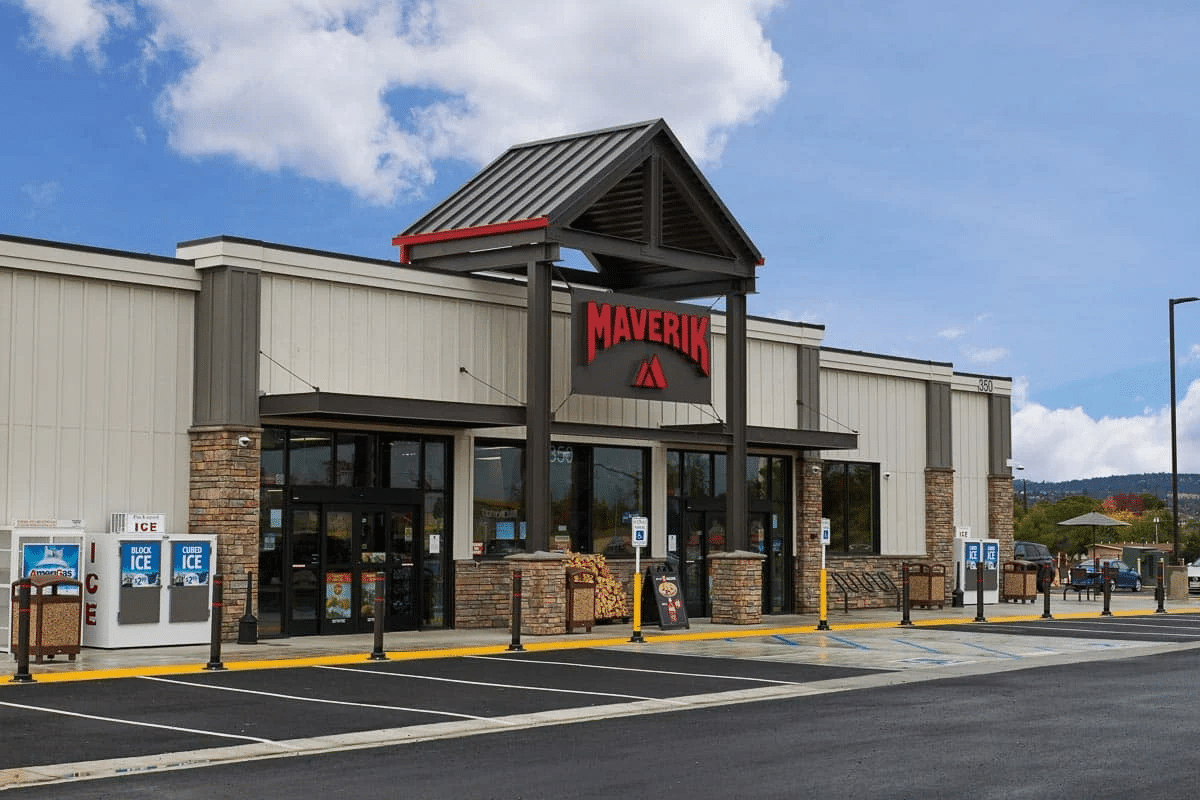
6 Gas Station Chains With Food So Good It’s Worth Driving Out Of Your Way For
We scoured the Internet to see what people had to say about gas station food. If you think the only things available are wrinkled hot dogs of indeterminate age and day-glow slushies, we’ve got great, tasty news for you. Whether it ends up being part of a regular routine or your only resource on a long car trip, we have the food info you need.
Let’s look at 6 gas stations that folks can’t get enough of and see what they have for you to eat.
16 Grocery Staples to Stock Up On Before Prices Spike Again

16 Grocery Staples to Stock Up On Before Prices Spike Again
I was in the grocery store the other day, and it hit me—I’m buying the exact same things I always do, but my bill just keeps getting higher. Like, I swear I just blinked, and suddenly eggs are a luxury item. What’s going on?
Inflation, supply-chain delays, and erratic weather conditions have modestly (or, let’s face it, dramatically) pushed the prices of staples ever higher. The USDA reports that food prices climbed an additional 2.9% year over year in May 2025—and that’s after the inflation storm of 2022–2023.
So, if you’ve got room in a pantry, freezer, or even a couple of extra shelves, now might be a good moment to stock up on these staple groceries—before the prices rise later.





