

Digestive health relies on adequate fiber intake to support regular bowel movements and a balanced gut microbiome. Data summarized by the National Library of Medicine show that most adults consume less than 50% of the recommended daily fiber intake. This shortfall links to constipation and poorer gut health.
Fiber-rich fruits actively improve digestion by supplying soluble and insoluble fibers that add stool bulk, feed beneficial gut bacteria, and support intestinal motility. The fruits on this list help naturally strengthen digestive function and promote long-term gut health.
Apples

Apples support digestive health by providing soluble fiber, especially pectin. One medium apple (about 182 g) contains roughly 4.4 g of fiber, or about 16% of the daily value. Much of this fiber acts as a prebiotic, feeding beneficial gut bacteria.
Pectin forms a gel-like substance in the intestines, helping improve stool consistency and regularity. Apples also provide insoluble fiber, which adds bulk to stool and supports bowel movements. Eating apples with the skin maximizes these digestive benefits.
Pears
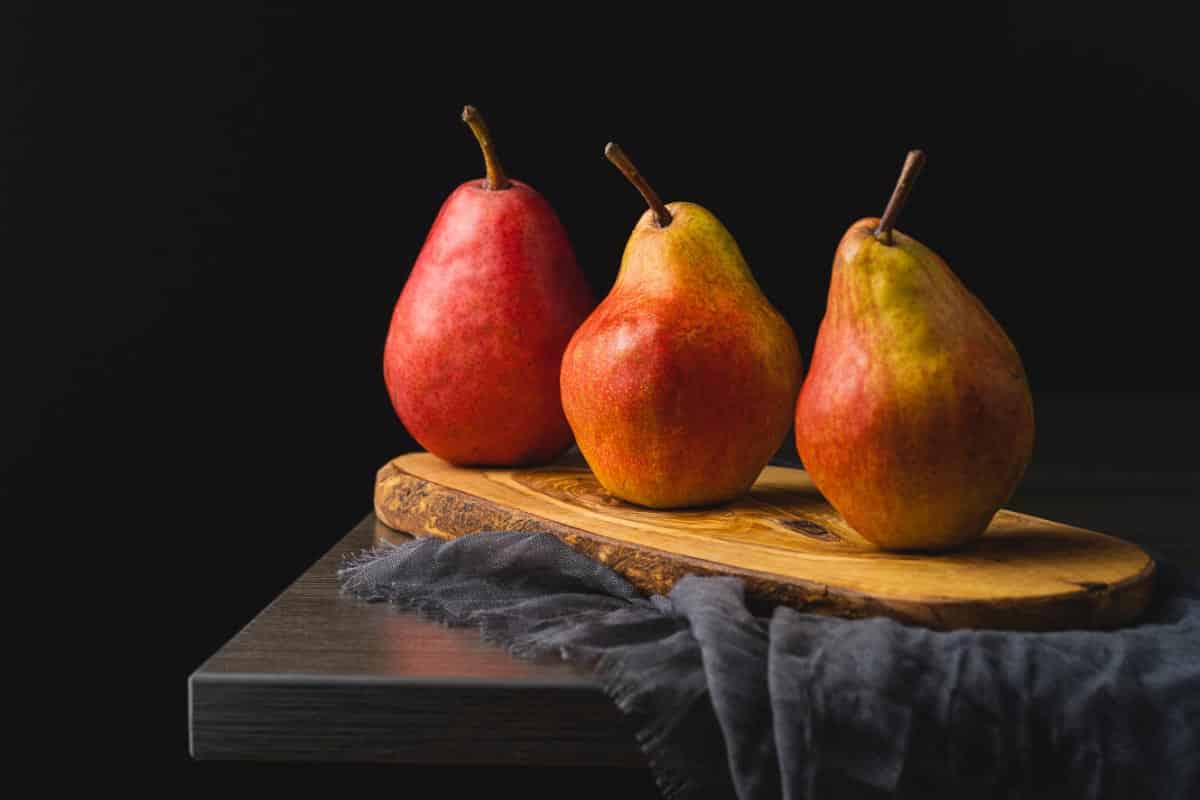
Pears promote digestion through a rich blend of soluble and insoluble fiber. According to Medical News Today, a medium pear provides about 5.5 g of fiber, covering roughly 22% of daily needs. This makes pears more fiber-dense than many common fruits.
Their soluble pectin supports gut bacteria and softer stools, while insoluble fiber adds bulk and speeds intestinal transit. Eating pears with the skin helps reduce constipation and supports regular bowel movements.
Raspberries

Raspberries are among the most fiber-rich fruits commonly eaten. The National Library of Medicine reports that they contain about 4–6.5 g of fiber per 100 g, which is significantly higher than many fruits. This makes them especially effective for digestive support.
Most of their fiber is insoluble and concentrated in the seeds, helping add bulk to stool. Regular raspberry intake can meaningfully contribute to meeting daily fiber recommendations and improving bowel regularity.
Guava

Guava supports digestion due to its notably high fiber content. 100 g of guava provides about 5–5.4 g of fiber, supplying 18–19% of daily fiber needs. A single guava can therefore contribute substantially to fiber intake.
Its mix of soluble and insoluble fiber improves stool bulk and regularity. Guava also provides vitamin C and antioxidants that help maintain gut lining health and support digestive immunity.
Avocados

Avocados benefit digestion by delivering both soluble and insoluble fiber in large amounts. The National Library of Medicine reports that one-half of a Hass avocado provides about 4.6 g of fiber, while 100 g supplies roughly 6.7–7 g. This places avocados among the most fiber-dense fruits.
About 70% of avocado fiber is insoluble, supporting stool bulk, while the rest is soluble and prebiotic. These fibers promote beneficial gut bacteria and smoother digestion when eaten regularly.
Bananas (especially slightly unripe)

Save this article
Bananas support digestive health through fiber and resistant starch. 100 g provides about 2.6–2.7 g of fiber, or roughly 10% of daily needs. Slightly unripe bananas are especially rich in resistant starch.
Resistant starch behaves like fermentable fiber in the colon and feeds beneficial gut bacteria. This helps improve bowel regularity and supports a healthier gut microbiome.
Figs

Figs aid digestion with their high fiber content and gentle laxative effect. A 50-g serving of dried figs provides about 7.3 g of fiber, covering over 25% of daily needs. This makes figs one of the most fiber-dense dried fruits.
Clinical studies show fig intake improves stool consistency and colon transit time in people with constipation. Regular consumption helps increase stool bulk and supports more frequent bowel movements.
Papaya

Papaya supports digestion through fiber and the enzyme papain. 100 g provides about 1.7–2.3 g of fiber, contributing up to 8% of daily fiber intake. Papain helps break down dietary proteins, easing digestion.
Papaya’s fiber promotes regular bowel movements and adds bulk to stools. Its water content, vitamin C, and antioxidants further support gut comfort and intestinal health.
Kiwi
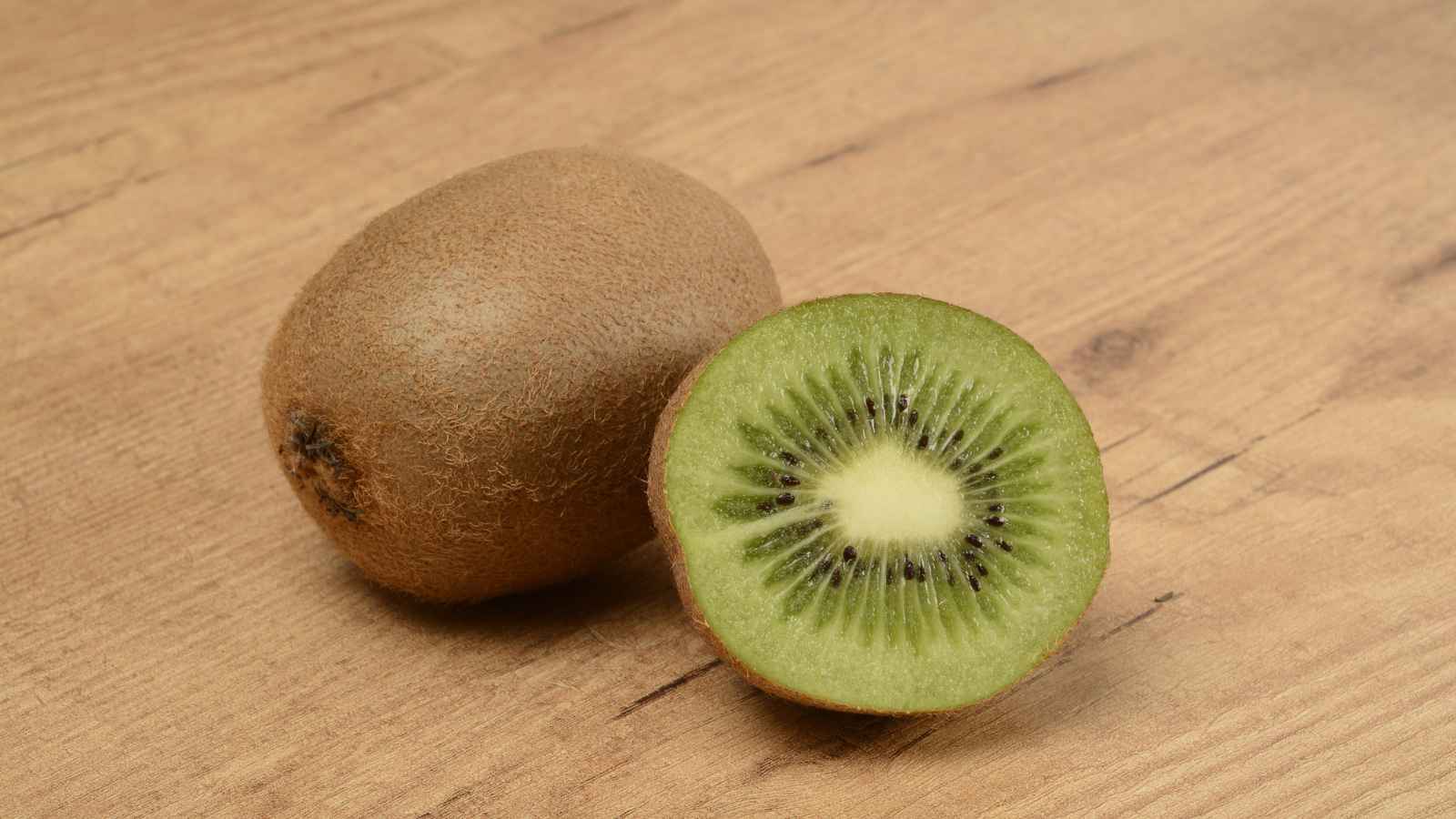
Kiwi improves digestive health through fiber and the enzyme actinidin. One medium kiwi supplies about 2 g of fiber, while 100 g provides up to 3 g. This fiber helps support stool bulk and colon fermentation.
ScienceDirect reports that kiwi consumption increases bowel movement frequency and improves stool softness. Actinidin also enhances protein digestion, reducing post-meal discomfort.
Blackberries

Blackberries strongly support digestion due to their high fiber content. One cup delivers about 7.6 g of fiber, while 100 g provides roughly 5–5.3 g, or about 20% of daily needs. This places them among the highest-fiber berries.
Most of their fiber is insoluble, which promotes stool bulk and regularity. Blackberries also supply antioxidants that may help reduce gut inflammation and support digestive health.
Disclosure: This article was developed with the assistance of AI and was subsequently reviewed, revised, and approved by our editorial team.
Disclaimer – This list is solely the author’s opinion based on research and publicly available information. It is not intended to be professional advice.
12 Laws And Rules About Food In Other Countries

12 Laws And Rules About Food In Other Countries
Food is more than just nourishment; it’s a reflection of culture, tradition, and, in many cases, the law. Around the world, various countries have established distinct food regulations that may surprise travelers and food enthusiasts alike.
These laws reveal how deeply societies value what ends up on their plates. Here are 12 fascinating food laws and rules from around the globe that show just how diverse and sometimes unexpected our relationship with food can be.





