

Popularity does not always equal deliciousness. Some foods become so embedded in restaurant menus, holiday traditions, and foodie culture that questioning them can feel almost impolite. But plenty of supposedly beloved foods have flavors, textures, or aromas that leave a lot of people wondering what everyone else is tasting.
Taste is intensely personal, of course. One person’s delicacy is another person’s reason to order something else. Still, these 10 foods inspire enough divided opinions that it is fair to ask whether their reputations may be doing some of the work.
1. Oysters
For oyster devotees, the appeal is obvious: briny, fresh, delicate and evocative of the ocean. For everyone else, the experience can be remarkably close to swallowing cold seawater with a slippery object in it.
Texture is usually the dividing line. Even people who enjoy seafood may struggle with an oyster’s soft, slick consistency. Add the fact that oysters are frequently served raw, and this celebrated delicacy becomes a very hard sell for a substantial portion of diners.
2. Truffle oil
A few drops of truffle oil can turn ordinary fries, pasta or pizza into something restaurants can charge considerably more for. The problem is that the flavor can quickly overwhelm everything else on the plate.
Many commercial truffle oils rely on flavor compounds designed to mimic truffle aroma rather than deriving their punch entirely from fresh truffles. To fans, that intense earthy fragrance feels luxurious. To detractors, it can smell aggressively artificial and make an otherwise good dish taste like perfume.
3. Black licorice
Few candies divide a room faster. Black licorice has an unmistakable anise-like flavor that its fans find complex and nostalgic and its critics compare to medicine.
Unlike chocolate or caramel, it does not ease you in with sweetness. That herbal bite arrives immediately and hangs around. Black licorice has survived for generations, so somebody clearly loves it. The rest of us may simply never understand them.
READ: Top 10 Worst Candies of All Time (That People Actually Eat)
4. Blue cheese
Blue cheese is deliberately cultivated with mold that creates its characteristic blue-green veins and powerful flavor. Cheese lovers can describe it as tangy, salty, creamy and wonderfully funky.
But “funky” is doing a lot of work there. Its sharp aroma and pungent taste can dominate a burger, salad or cheese plate. If your first instinct when food smells that strong is to check the expiration date, learning to appreciate blue cheese can be an uphill battle.
5. Olives
Olives appear everywhere from cocktail glasses to antipasto platters, yet their salty, bitter flavor is surprisingly challenging for many people.
Fresh olives are naturally extremely bitter and must be cured before they become the olives we eat. Curing makes them palatable, but it does not erase their distinctive intensity. Fans can eat them by the handful. Non-fans can detect one chopped olive hiding in an entire salad.
6. Fondant
Fondant makes cakes look spectacular. It can create perfectly smooth surfaces, sculpted decorations and elaborate designs that buttercream simply cannot duplicate.
Save this article
Then you have to eat it. Rolled fondant is largely prized for what it can do visually, and many cake lovers find its dense, very sweet, slightly chewy texture far less appealing than the cake underneath. It may be one of the rare foods that routinely looks better than it tastes.
7. Grapefruit
Grapefruit is juicy, refreshing and packed with bright citrus flavor. It is also bitter enough that generations of people have tried to improve it by dumping sugar on top.
That combination of tartness and bitterness is exactly what grapefruit fans love. But compared with sweeter oranges, mandarins and clementines, grapefruit can feel like citrus with an attitude problem. If a fruit needs a spoonful of sugar to win you over, some people are going to question the sales pitch.
8. Anchovies
Anchovies are culinary shape-shifters. Used sparingly, they can dissolve into sauces and dressings and contribute savory depth without announcing themselves.
Put whole anchovies on a pizza, however, and subtlety leaves the building. Their intense saltiness and fish-forward flavor can overwhelm a bite. There is a reason people who love anchovies enthusiastically request them while everyone else at the table makes sure they stay on one side of the pizza.
9. Cilantro
Cilantro deserves special mention because dislike of it is not always simple pickiness. Genetic differences in odor perception can make cilantro taste pleasantly fresh and citrusy to some people while others perceive an unpleasant soapy quality.
That makes cilantro arguments particularly pointless: two people may genuinely be experiencing something different. Unfortunately for cilantro haters, it is scattered over tacos, curries, salads and salsas with abandon, often after the dish is otherwise completely finished.
10. Coconut water
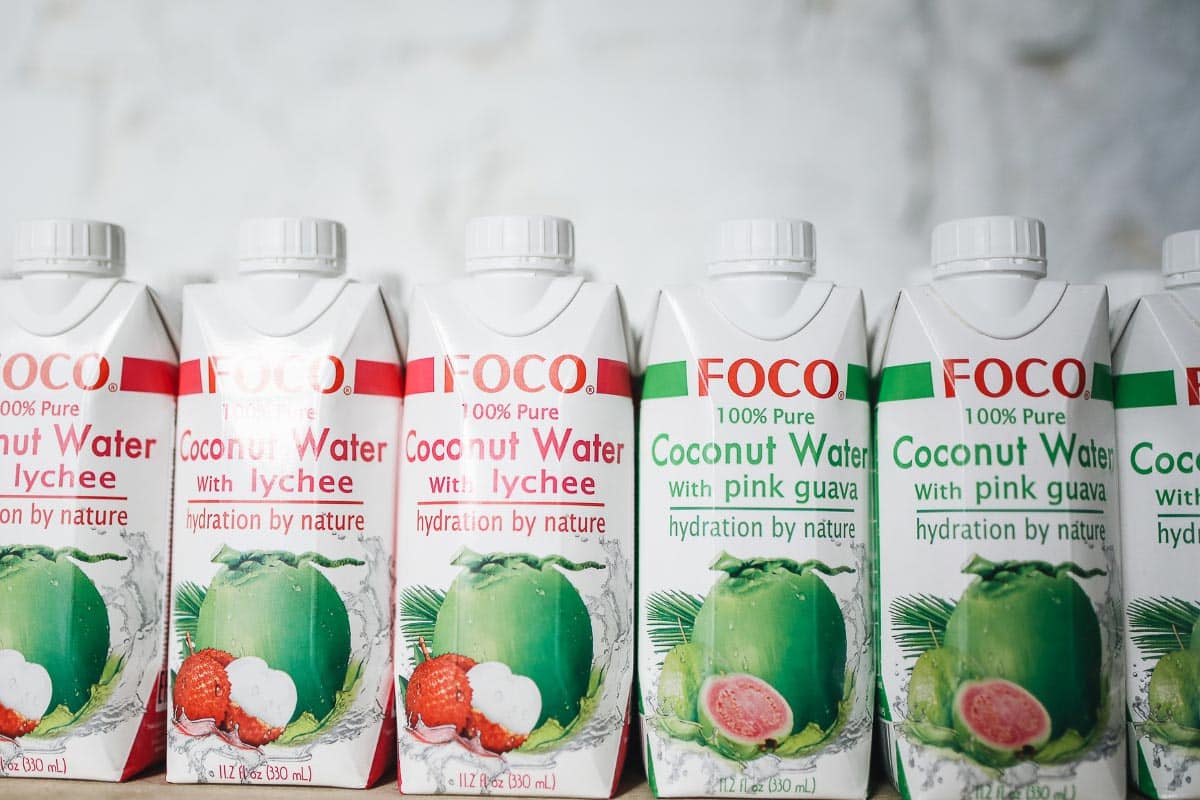
Coconut water built a reputation as a refreshing tropical drink and became a fixture in gyms, grocery stores and wellness culture. Fresh from a young coconut, it can be subtly sweet and refreshing.
Packaged versions are another matter for some drinkers. The combination of mild sweetness, mineral notes and a slightly vegetal flavor can be unexpectedly strange if you are expecting something that tastes like coconut candy. It is one of those beverages people frequently insist is “so refreshing” while someone nearby quietly reaches for plain water.
READ: 10 Of The Worst Tasting Drinks People Pretend To Like
The final word
None of these foods is objectively bad, and every one of them has passionate defenders. That is precisely what makes them fun to argue about. Food preferences are part biology, part culture, part memory and part personal taste.
Still, popularity can create its own momentum. Once a food is labeled sophisticated, nostalgic, healthy or gourmet, people may feel as though they are supposed to appreciate it. Sometimes the most satisfying response is simply admitting: everyone else can have mine.





