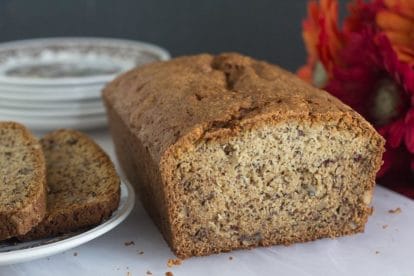

Beets get all the credit for lowering blood pressure, but they’re far from the best option.
We have all heard the hype about beet juice being the miracle elixir for hypertension, and the science technically supports it. However, relying solely on beets is like patching a tire with duct tape because the effects are incredibly temporary and often vanish within a single day. While beets can offer a quick fix, they do not provide the sustainable, long-term support your cardiovascular system needs to stay stable.
You need to build a dietary portfolio that pays dividends every day, not just for a few hours after lunch. The goal is to fill your plate with ingredients that structurally improve your arteries and keep them flexible around the clock. Switching to foods that offer lasting benefits is a smarter investment for your heart than chasing a temporary dip on the monitor.
Salmon And Fatty Fish

Fatty fish are like the heavy-duty maintenance crew for your blood vessels, providing essential fats that beets cannot offer. The omega-3 fatty acids found in salmon and mackerel work to reduce inflammation and keep your arterial walls from stiffening up over time. Eating these swimmers a few times a week creates a protective shield that lasts much longer than a glass of juice.
The impact of these healthy fats is supported by robust data that underscores their potency. A 2022 study published in the Journal of the American Heart Association found that consuming approximately 3 grams of omega-3 fatty acids daily, the amount in a typical serving of salmon, significantly lowered systolic blood pressure compared to those who did not. Your body holds onto these benefits even on the days you decide to order chicken instead.
Arugula

If you are eating beets for the nitrates, you might be betting on the wrong horse in the vegetable race. Arugula is a spicy green that actually packs a significantly higher nitrate punch than beets, making it a more efficient vasodilator. You get all the blood-flow-boosting benefits without the earthy dirt taste that turns so many people off.
The concentration of nutrients in this humble salad leaf is frankly shocking when you look at the numbers. Swapping your iceberg lettuce for arugula is an effortless upgrade that supercharges your nitric oxide production.
Swiss Chard

This leafy green is a powerhouse for potassium, a mineral that acts as the direct counterweight to sodium in your bloodstream. While beets are decent, Swiss Chard offers a magnesium and potassium density that helps flush out salt and relax blood vessel tension. It basically tells your kidneys to get rid of the excess fluid that’s raising your blood pressure.
The numbers tell a compelling story about why this green deserves a spot in your grocery cart. A single cup of cooked Swiss chard delivers 136 mg of potassium, which is nearly double the amount you would get from a serving of beets. Steaming some chard for dinner is like giving your arteries a deep tissue massage.
Blueberries
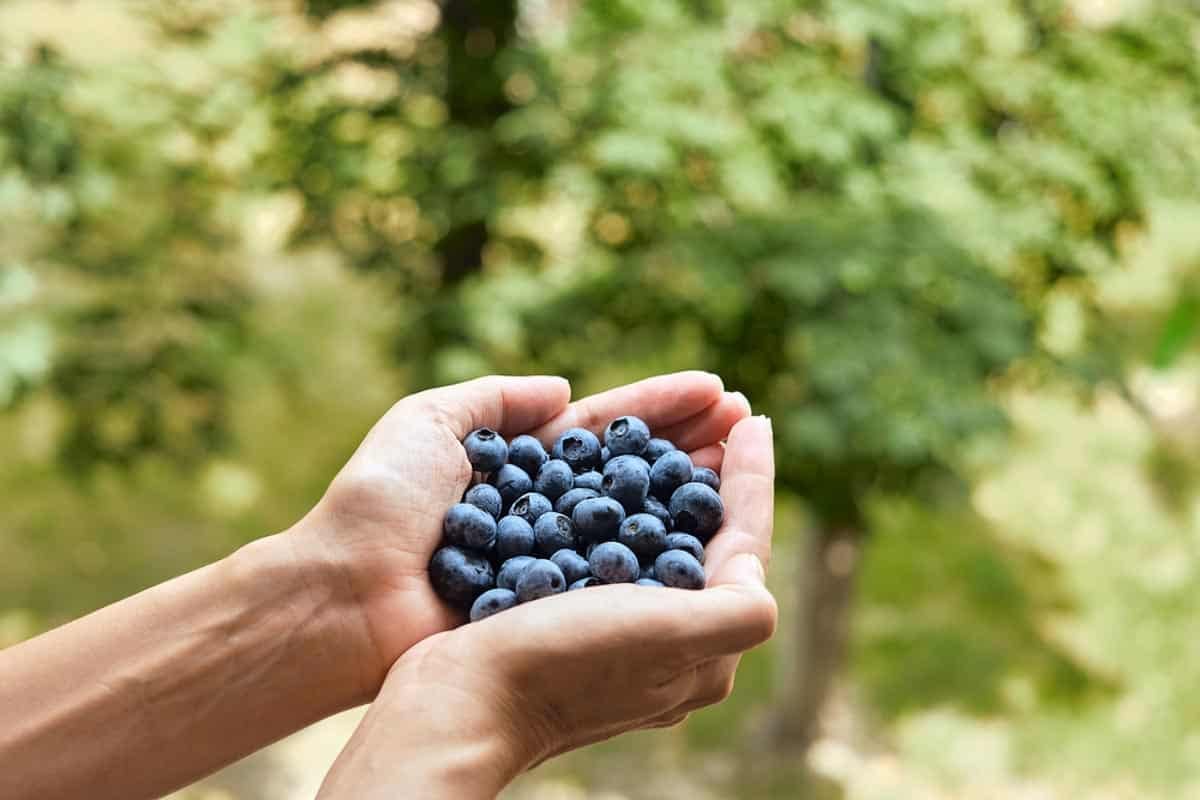
Berries are delicious, but they are also vascular medicine disguised as a sweet treat. They are loaded with anthocyanins, the compounds that give them their deep blue color and help keep your blood vessels pliable and elastic. Unlike the temporary spike from beets, the antioxidants in blueberries build up in your system to provide ongoing protection.
Recent research has cemented the blueberry’s status as a must-have for hypertensive patients. A study published in Hypertension found that habitual consumption of flavonoid-rich foods, such as berries, was associated with lower systolic blood pressure and greater gut microbiome diversity. Adding a handful to your morning oatmeal is a low-effort habit with a high cardiovascular return.
Lentils

Legumes might not be glamorous, but they are incredibly effective at remodeling your heart health for the long haul. They are rich in arginine and fiber, a combo that improves blood flow and prevents the arterial stiffness that comes with age. Replacing a steak with a bowl of lentil soup a few times a week can drastically lower your risk profile.
Legumes’ consistency makes them a superior choice for sustained results. A study published in the American Journal of Clinical Nutrition found that non-soy legume consumption significantly lowered both systolic and diastolic blood pressure in adults with and without hypertension. This pantry staple works quietly in the background to keep your numbers in the safe zone.
Kiwifruit
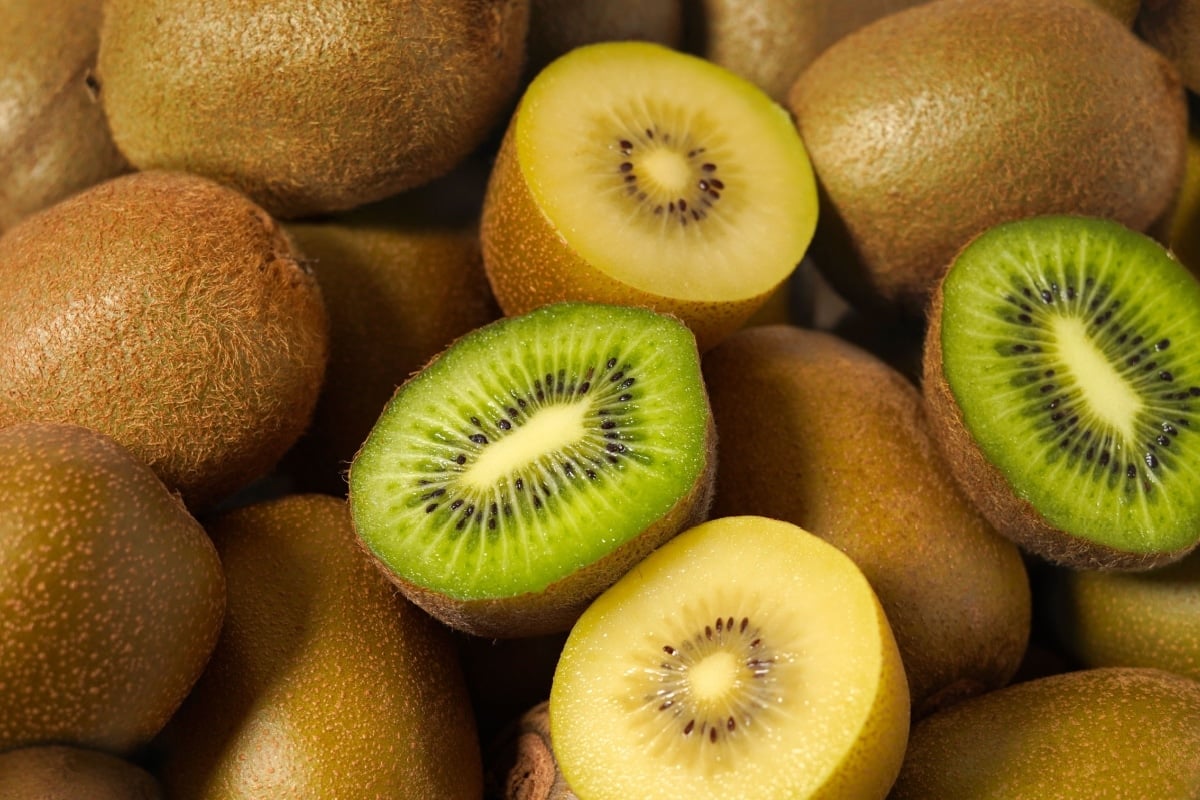
You might overlook these fuzzy fruits, but they are arguably one of the most effective natural tools for lowering blood pressure. They contain a specific trifecta of Vitamin C, potassium, and antioxidants that improve the function of the endothelial lining in your blood vessels. Eating a couple of these a day can yield results that rival some medications.
The clinical evidence for kiwi is specific and incredibly promising for daily users. A study published in Nutrients found that consuming two kiwis daily significantly reduced systolic blood pressure compared with consuming one apple daily in moderately hypertensive populations. Scooping out a kiwi is a sweeter, smarter strategy than drinking bitter beet juice.
Pistachios

Nuts are generally healthy, but pistachios seem to have a special talent for reducing peripheral vascular resistance. They lower the “tightness” in your blood vessels that forces your heart to pump harder than it needs to. Snacking on these green nuts helps your heart work smarter, not harder.
The data suggests that these nuts are particularly good at managing the stress response that spikes pressure. A meta-analysis in the American Journal of Lifestyle Medicine concluded that pistachio intake was consistently associated with significant reductions in systolic blood pressure across multiple trials. Keep a bag in your desk drawer to fight off the afternoon slump and hypertension simultaneously.
Garlic

Garlic does more than just ward off vampires; it is a potent weapon against high blood pressure thanks to a compound called allicin. Allicin increases the production of nitric oxide, which signals your blood vessels to relax and widen. This ancient remedy has a mechanism of action strikingly similar to that of many modern blood pressure drugs.
Science continues to validate this kitchen staple as a legitimate therapy for heart health. A meta-analysis published in Experimental and Therapeutic Medicine confirmed that garlic supplements were superior to placebo in lowering blood pressure, particularly in hypertensive patients. Adding an extra clove to your pasta sauce is a tasty way to dose yourself with natural medicine.
Greek Yogurt

Calcium and magnesium are the unsung heroes of blood pressure control, and Greek yogurt is packed with both. The probiotics found in fermented dairy also play a role by improving gut health, which is increasingly linked to cardiovascular regulation. A bowl of yogurt works on multiple fronts to keep your system calm and balanced.
The benefits of fermented dairy extend well beyond just strong bones. A study in the International Dairy Journal found that regular yogurt consumption was associated with lower blood pressure and arterial stiffness in older adults. Start your day with yogurt to set a calm baseline for your circulatory system.
Spinach

Popeye’s favorite food is rich in dietary nitrates, similar to beets, but it brings a lot more to the table. It is loaded with folate and antioxidants that prevent the oxidative stress that stiffens arteries over decades. Spinach provides a broader spectrum of nutrients that help maintain the structure of your veins.
It is one of the most versatile tools you have because you can hide it in almost anything. It acts as a consistent source of magnesium, which is critical for regulating the electrical signals that control your heartbeat. Wilting a bag of spinach into your dinner ensures you are constantly fueling your body’s relaxation pathways.
Key Takeaway

Relying on a single “superfood” like beets creates a false sense of security that can leave your heart vulnerable for most of the day. Proper heart health comes from a diverse portfolio of foods that work together to keep your arteries soft, open, and flexible. By diversifying your diet with fatty fish, leafy greens, and nuts, you create a safety net that protects you 24/7.
You do not need to overhaul your entire life overnight to see these numbers move in the right direction. Start by swapping your snack for pistachios or adding a side of Swiss chard to your dinner plate. Small, consistent deposits of nutrition yield the highest returns for your longevity.
Disclaimer: This list is solely the author’s opinion based on research and publicly available information. It is not intended to be professional advice.
Disclosure: This article was developed with the assistance of AI and was subsequently reviewed, revised, and approved by our editorial team.
Like our content? Be sure to follow us.
How Coffee and Adaptogens Can Boost Sexual Vitality

How Coffee and Adaptogens Can Boost Sexual Vitality
In recent years, many men in their 30s, 40s, and beyond have grown skeptical of pharmaceutical shortcuts and turned to natural or functional supplements to support vitality and sexual health. Among them, coffee and adaptogenic herbs have gained popularity as components of “biohacked” routines, as seen on 360iResearch.
The hypothesis behind combining coffee and adaptogens is that caffeine provides acute energy and vascular support, while adaptogens modulate stress responses and stabilize hormone levels over time.