Digestive comfort often comes down to simple, repeatable choices, and fruit plays a quiet but important role. When bowel movements feel irregular, the issue is often less about extremes and more about fiber, fluid, and consistency. Certain fruits support this process naturally by adding bulk, feeding healthy gut bacteria, and helping stool move through the digestive tract more smoothly.
Most adults fall short of the recommended daily fiber intake. According to Healthline, the recommended daily intake of fiber is 25 to 38 grams for optimal digestive health.
Fruits that combine fiber, water, and natural sugars can help close this gap and support regular bowel movements without harsh laxatives. Here are 10 fruits that support regular bowel movements.
Prunes (dried plums)

Few foods have earned as much quiet clinical respect as the prune. ResearchGate reports that about 100 grams per day, roughly eight to ten prunes, reliably improve stool frequency and consistency in constipated adults. In at least one randomized controlled trial, prunes outperformed psyllium, a benchmark fiber supplement.
A three-week RCT in Alimentary Pharmacology and Therapeutics found that prunes increased complete spontaneous bowel movements from 2.8 to 3.5 per week and produced softer stools than psyllium.
Their effectiveness comes from a rare combination of soluble fiber, insoluble fiber, sorbitol that draws water into the colon, and phenolic compounds that may stimulate gut motility. Prunes are the gold standard fruit laxative, and AARP ranks them first among foods for constipation relief in older adults.
Kiwifruit
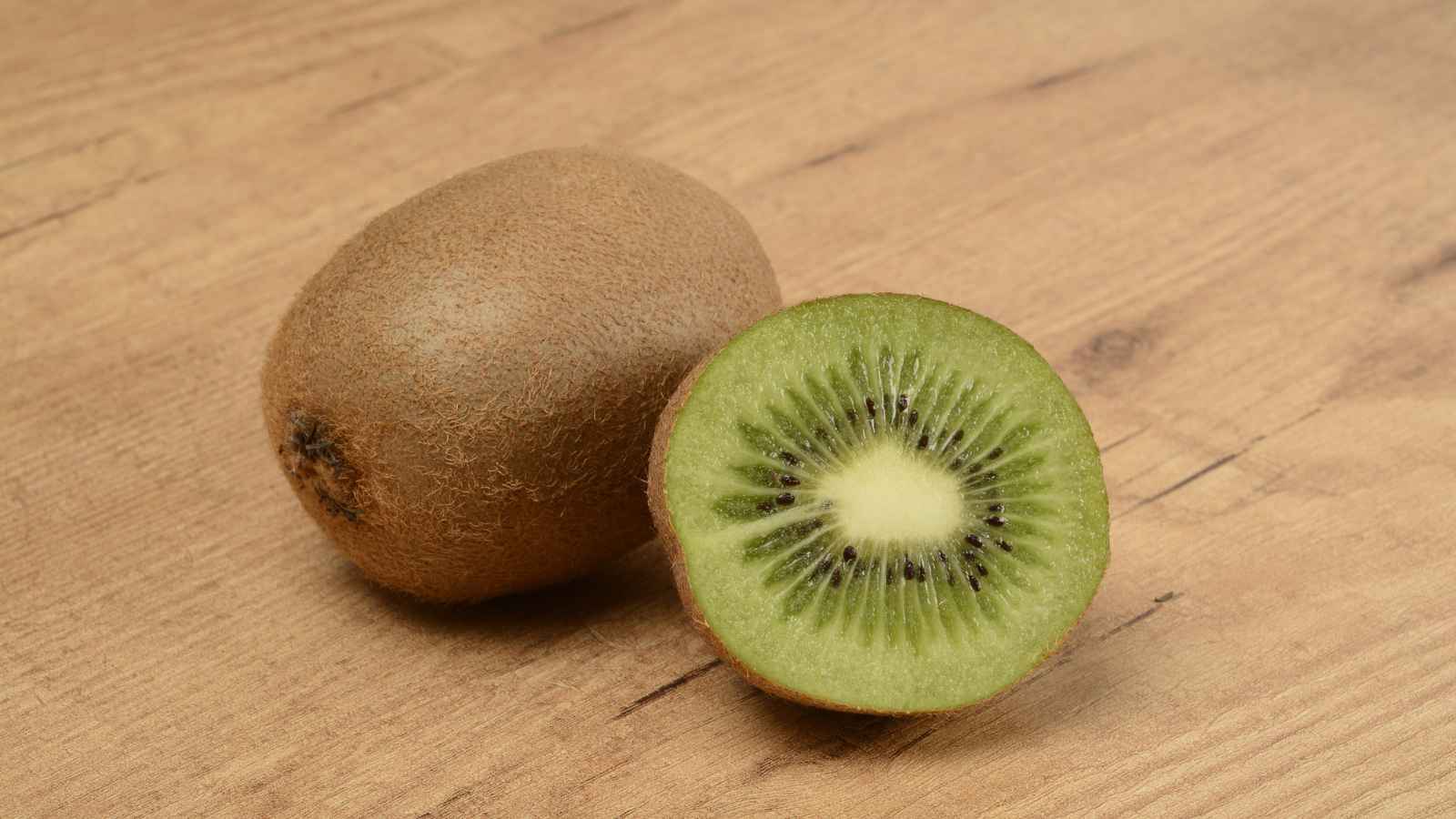
Kiwifruit has emerged as a modern favorite in constipation research. Eating two green kiwifruits daily increases complete spontaneous bowel movements and improves abdominal comfort in people with chronic constipation and IBS-C. These findings have been reported in The American Journal of Gastroenterology and Nutrients.
The National Library of Medicine found that eating two kiwifruits per day increased bowel movements by about 1.5 to 1.7 per week and reduced straining and discomfort. The study also showed that kiwifruit outperformed psyllium in improving bowel movement frequency.
Two fruits provide roughly five to six grams of fiber, ample water, and actinidin, a digestive enzyme thought to aid stool softening. In head-to-head trials, prunes and psyllium lead in symptom improvement, while kiwifruit ranks highest for patient satisfaction and lowest for side effects.
Pears

Pears are often overlooked because they feel ordinary, but dietitians regularly cite them as one of the most reliable everyday fruits for regularity. They supply both pectin and sorbitol, a pairing that softens stool while increasing bulk.
A medium pear delivers about five to six grams of fiber, roughly 20 percent of daily needs, plus substantial water. Sorbitol acts osmotically, pulling fluid into the intestine, especially when the peel is eaten.
Apples (Especially With Skin)

Apples work not through force, but through balance. A medium apple provides about four to five grams of fiber, most of it in the skin, combining pectin with insoluble fiber that speeds colonic transit. Pectin forms a gel that holds water in stool, while insoluble fiber adds structure.
Clinical and observational guidance in constipation management consistently places apples among the top daily choices, especially when they replace low-fiber snacks. An apple a day with the skin on is one of the simplest ways to raise fiber intake without changing the entire diet.
Figs (Fresh And Dried)

Figs carry a long medicinal history that modern nutrition largely confirms. Just three to four dried figs provide about five grams of fiber, split between soluble and insoluble forms.
Traditional Mediterranean remedies describe figs soaked overnight and eaten with their soaking water as natural stool softeners. Small clinical studies, including trials published in Complementary Therapies in Medicine, suggest that fig paste improves stool frequency and consistency.
Save this article
These effects likely come from its fiber, antioxidants, and mild laxative compounds. They remain a heritage solution supported by a dense nutritional profile.
Berries (Raspberries, Blackberries, Strawberries)

Berries punch above their weight in fiber density. One cup of raspberries delivers around eight grams of fiber, nearly a third of daily requirements, according to Healthline data.
Their insoluble fiber, seeds, and high water content promote stool bulk and peristalsis. Berries also supply polyphenols shown in gut microbiome research to support beneficial bacteria, which may reinforce regularity over time. The popularity of berry-based gut bowls and smoothies reflects this quietly effective biology.
Citrus Fruits (Oranges, Mandarins, Grapefruit)

Citrus fruits support bowel movements when eaten whole rather than squeezed. Oranges and mandarins provide three to four grams of fiber per fruit if the membranes and pith are consumed, alongside abundant water and vitamin C.
Soluble fiber softens stool, while organic acids may mildly stimulate gut activity. Nutritionists consistently recommend whole citrus segments over juice, since juicing strips away the fiber responsible for improved transit. Citrus works best when you chew the parts people usually discard.
Papaya

Papaya offers gentler relief, making it a staple in digestive-focused diets. It combines water, fiber, and papain, a proteolytic enzyme that aids digestion and may reduce bloating.
Small trials and traditional medicine sources suggest papaya improves constipation symptoms, though high-quality RCT evidence remains limited. Papaya is often included on lists of fruits suitable for sensitive digestive systems, especially when eaten in the morning. This helps explain its prominence in digestive-healing retreats.
Bananas (Ripe, Not Green)

Bananas are often misunderstood. A ripe banana provides about three grams of fiber and behaves very differently from a green one. As bananas ripen, resistant starch converts into simpler sugars, making them easier to digest and less binding.
Clinical guidance distinguishes green bananas, which can worsen constipation, from ripe yellow bananas, which may help by adding soft bulk and potassium. Responses vary, so dietitians stress individual tolerance. The green versus yellow banana distinction explains much of the fruit’s mixed reputation.
Mixed Dried-Fruit Blends (Prunes, Raisins, Apricots)

Dried fruits concentrate fiber, sorbitol, and potassium into small servings. Raisins and apricots are commonly used alongside prunes in hospitals and long-term care settings as non-drug constipation aids.
Clinical comparisons published in Stroke and Nutrition Reviews show that prunes can outperform magnesium laxatives in some constipated stroke patients. These findings suggest that dried fruits may rival medications in certain contexts.
The National Library of Medicine consistently links higher intake of fiber- and sorbitol-rich fruits with softer stools and increased bowel frequency. A simple mix of prunes, apricots, and raisins remains one of the most practical, evidence-supported strategies available.
Disclosure: This article was developed with the assistance of AI and was subsequently reviewed, revised, and approved by our editorial team.
Disclaimer – This list is solely the author’s opinion based on research and publicly available information. It is not intended to be professional advice.
Like our content? Be sure to follow us