

If you’ve been told you have heart disease, breakfast can suddenly become one of the most confusing meals of the day.
Eggs or oatmeal? Butter or avocado? Is coffee okay? Should you avoid carbs altogether? With so much conflicting nutrition advice, it’s easy to feel like every breakfast choice comes with a warning label.
The good news is that a heart-healthy breakfast doesn’t have to be bland or complicated. Research consistently shows that meals built around fiber-rich foods, healthy fats, lean protein, and whole grains can support healthy cholesterol levels, blood sugar, and overall cardiovascular health.
Here are 10 satisfying breakfasts that can fit into a heart-healthy eating pattern.
Oatmeal (plain, unsweetened)
Plain oatmeal is a strong breakfast choice for people with cardiovascular disease because its soluble fiber helps lower LDL cholesterol. The National Library of Medicine reports that consuming at least 3 g/day of oat beta-glucan can reduce LDL by about 0.25–0.30 mmol/L, improving heart health. Steel-cut or rolled oats also help keep blood sugars stable throughout the morning.
Choosing unsweetened oatmeal instead of sugary cereals cuts added sugars that can raise triglycerides and contribute to weight gain. Topping oats with fruits, nuts, or seeds adds antioxidants and heart-healthy fats. Starting the day with plain oatmeal supports cholesterol management, satiety, and long-term cardiovascular protection.
Whole-grain toast with avocado
Whole-grain toast with avocado blends fiber-rich grains with heart-healthy fats. Higher whole-grain intake has been linked with significantly lower cardiovascular disease risk, according to a large meta-analysis. Avocados supply monounsaturated fats and potassium that help lower LDL cholesterol and support blood pressure.
ScienceDirect reports that avocado-rich diets reduce LDL cholesterol by about 6 mg/dL compared with control diets. The extra fiber from whole-grain bread further supports glycemic control and satiety. Together, whole-grain toast and avocado create a nutrient-dense, satisfying breakfast that aligns with heart-healthy eating patterns.
Greek yogurt with berries
Greek yogurt with berries offers lean protein, probiotics, and antioxidant-rich fruit that support cardiovascular health. The protein content in Greek yogurt also promotes satiety, helping with weight management.
Berries provide anthocyanins that help reduce LDL oxidation, inflammation, and lipid peroxidation. The National Library of Medicine reports that berry intake improves blood lipids and reduces markers such as C-reactive protein. Combining Greek yogurt with mixed berries makes a breakfast that supports healthy arteries, blood pressure, and steady energy
Egg whites or a vegetable omelet
Egg whites offer high-quality protein with almost no cholesterol or fat, making them useful for people limiting dietary cholesterol. A vegetable-filled omelet adds fiber, potassium, and antioxidants linked to better cardiovascular health. Vegetables such as spinach, peppers, and tomatoes help increase nutrient density without raising calories.
ResearchGate reports that higher intake of leafy and cruciferous vegetables is associated with a lower incidence of cardiovascular disease. Using minimal oil and choosing olive or canola oil keeps the fat profile heart-friendly. Pairing egg whites with vegetables creates a light, filling breakfast that supports heart protection.
Chia seed or flaxseed pudding
Chia and flaxseed pudding deliver omega-3 fats and soluble fiber, both important for lowering cardiovascular risk. These seeds are rich sources of ALA, a plant-based omega-3 linked with improved lipid profiles. The National Library of Medicine reports that consuming 30 g/day of chia seeds significantly reduced triglycerides in people with hypertriglyceridemia.
Chia seed supplementation also lowers triglycerides and modestly reduces LDL cholesterol. Their viscous fiber slows digestion, supports fullness, and helps stabilize blood sugar. Preparing pudding with unsweetened milk and fruit makes for a heart-smart, convenient breakfast.
Smoothie with leafy greens and fruit
A smoothie made with leafy greens, fruit, and unsweetened milk or yogurt provides concentrated vitamins, minerals, and antioxidants. Research from Edith Cowan University found that one cup of nitrate-rich greens per day can improve blood pressure and heart health.
Adding fruit such as bananas or berries boosts potassium and antioxidant levels. Using unsweetened dairy or fortified plant milk keeps added sugar low while contributing protein and calcium. Blending these ingredients into a smoothie helps meet daily fruit and vegetable goals early in the day.
Whole-grain cereal with low-fat milk
Whole-grain cereal with low-fat milk creates a quick, heart-supportive breakfast rich in fiber and essential nutrients. Choosing cereals with at least 4–5 grams of fiber and minimal added sugar improves LDL cholesterol and prevents sharp blood sugar spikes.
Low-fat milk adds calcium, potassium, and protein without much saturated fat. Combined, a high-fiber cereal and low-fat milk support blood pressure, lipid control, and morning satiety.
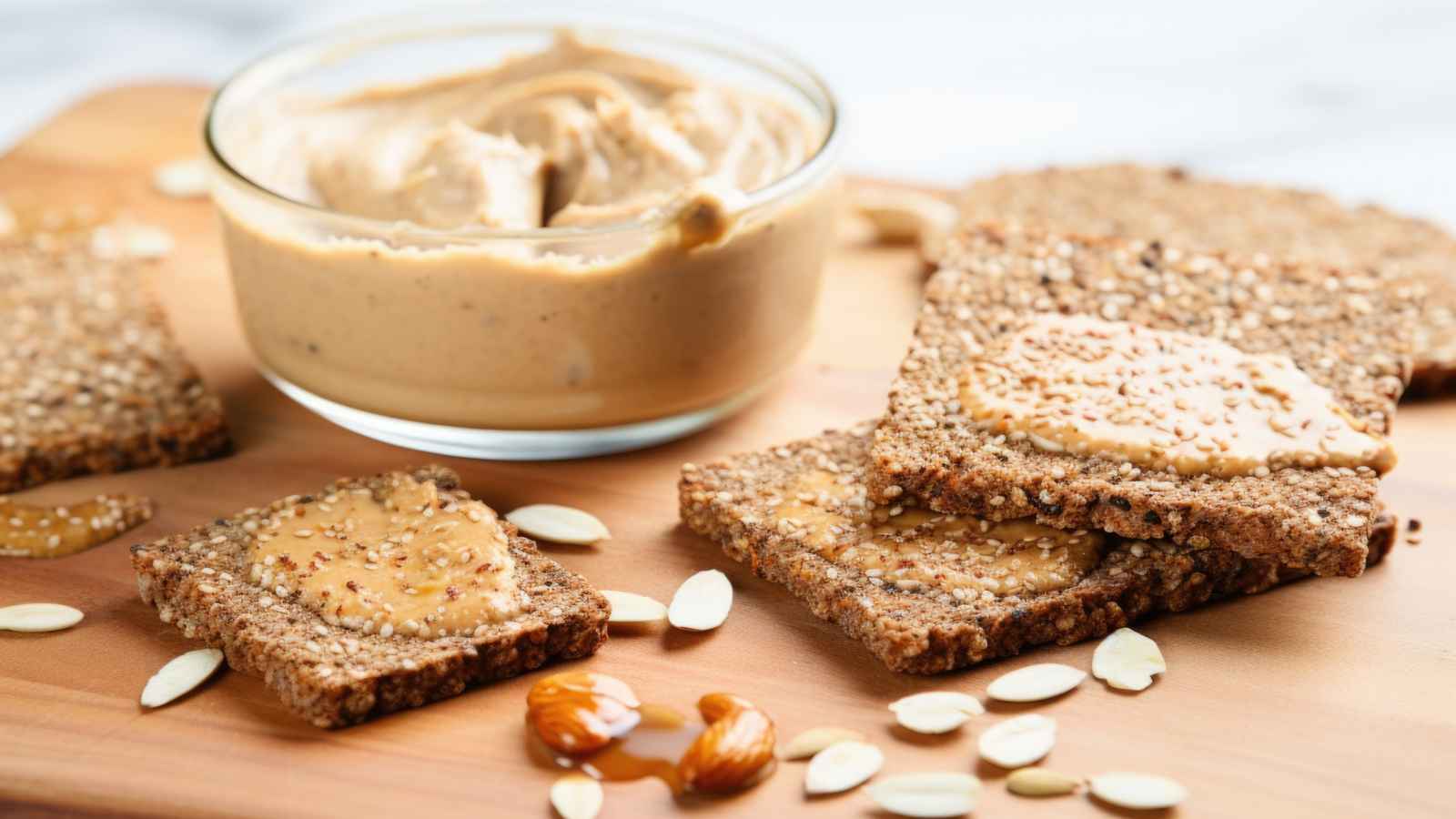
Nut butter on whole-grain crackers or bread
Save this article
Nut butter on whole-grain crackers or bread pairs healthy fats and plant protein with whole-grain fiber. Nuts supply monounsaturated and polyunsaturated fats, shown to help lower LDL cholesterol when replacing saturated fats. ScienceDirect reports that higher nut consumption is associated with lower cardiovascular and coronary heart disease mortality.
Whole-grain crackers or bread add extra fiber that improves cholesterol and blood sugar control. Choosing natural nut butter without added sugar or hydrogenated oils makes this a heart-aligned breakfast.
Cottage cheese with fruit
Cottage cheese with fruit provides high-quality protein and nutrients while staying moderate in calories. Low-fat dairy contributes calcium, potassium, and protein, which help support healthy blood pressure.
Adding fruit such as berries, apples, or citrus boosts fiber and antioxidants that protect blood vessels. Using fresh or unsweetened frozen fruit avoids excess sugar and supports healthier triglyceride levels. Cottage cheese with fruit fits well into meal plans focused on vegetables, whole grains, and unsaturated fats.
Boiled sweet potatoes
Boiled sweet potatoes offer a nutrient-dense, low-fat source of complex carbohydrates. A medium sweet potato provides about 440 mg of potassium and around 4 g of fiber, both supportive of cardiovascular health. Potassium-rich diets help counteract sodium’s effect on blood pressure.
Sweet potatoes also release energy gradually, helping avoid large post-meal blood sugar spikes that can strain the heart. Boiling or steaming them without added sugars or heavy fats keeps the meal light and heart-friendly. Paired with lean protein, boiled sweet potatoes make a filling and cardiometabolic-friendly breakfast.
The Takeaway
A heart-healthy breakfast can be a simple but meaningful part of managing cardiovascular disease. Choosing foods rich in fiber, healthy fats, lean protein, potassium, and antioxidants—while limiting added sugars, sodium, and saturated fats—can support healthier cholesterol, blood pressure, and blood sugar levels.
Options such as oatmeal, whole grains, fruits, vegetables, seeds, and low-fat dairy make it possible to start the day with meals that are both nutritious and satisfying.
More articles:
- Common spices linked to colon cancer prevention
- Potato chips may be linked to higher colon cancer risk, here’s why
- 13 Superfoods for Digestive Health You Can’t Ignore
15 foods centenarians eat to live to 100
Living to 100 is less about rare genes and more about the everyday foods quietly shaping your health right now.
Reaching the age of 100 might seem like winning a genetic lottery to many people, but research suggests your grocery list plays a massive role. Those vibrant communities known as Blue Zones, where people frequently live past a century, rely heavily on what they put on their dinner plates. We have compiled a list of specific ingredients that act as fuel for a long, healthy life, without needing a magic potion. Learn more
10 foods with more blood pressure benefits than beets

Beets get all the credit for lowering blood pressure, but they’re far from the best option.
We have all heard the hype about beet juice being the miracle elixir for hypertension, and the science technically supports it. However, relying solely on beets is like patching a tire with duct tape because the effects are incredibly temporary and often vanish within a single day. While beets can offer a quick fix, they do not provide the sustainable, long-term support your cardiovascular system needs to stay stable. Learn more.
15 eating habits that can help improve hormone balance after 45

Hormones often feel like the wild card of midlife. In women past 45, hormone levels begin to fluctuate and can have an impact on things as varied as mood and metabolism. Do you know that the World Health Organization says most women experience menopause between the ages of 45 and 55 years?
This normal change reduces the amount of estrogen in your body and alters your physiology. It is estimated that approximately ¾ of women experience menopausal symptoms connected to the hormonal fluctuations that affect energy levels and weight. Learn more.





