

You love your dog, but some of the things you do to show it might be leaving them seriously confused.
Dogs are observant creatures who spend their days studying our every move, yet we often send them mixed signals that leave them baffled. We assume they understand our affection and rules, but human behaviors like hugging or staring often translate poorly into canine body language.
It is surprising how frequently our good intentions result in stress or confusion for our loyal companions, creating a gap in communication that we might not even notice. By identifying these common habits, we can bridge that divide and help our pets feel more secure and understood in our homes.
Hugging Your Dog Tight

We naturally express love through warm embraces, but most dogs feel trapped rather than loved when we wrap our arms around them. In the wild, placing a limb over another animal is a sign of dominance, which explains why your pup might stiffen up or look away when you go in for a squeeze.
HOLA reports a study led by Elizabeth Ann Walsh found that 67.5% of dogs showed nipping or biting behaviors in videos where they were being hugged. Instead of a tight clasp, try offering a gentle scratch on the chest or side, which is a much clearer signal of friendship and safety to them.
Using Baby Talk Constantly

Many of us naturally pitch our voices up when greeting our pets, but this habit can sometimes obscure the actual commands we want them to follow. While a happy tone helps engage them, an endless stream of high-pitched chatter can become white noise that makes it hard for them to pick out specific cues.
According to a 2023 survey from Preply, 56% of pet parents admit to using baby talk with their pets, often favoring sounds over clarity. It helps to switch to a calm and distinct tone when you need them to listen, reserving the squeaky excitement for playtime rewards.
Inconsistent Rules And Boundaries

Dogs thrive on routine and predictability because it helps them understand their place in the family pack structure without second-guessing. If you let them on the couch one day but scold them for it the next, they become anxious and unsure of what behavior will earn them praise or punishment.
You simply cannot expect a dog to understand “sometimes” rules, as their brains work best with black and white distinctions. Deciding on a set of house guidelines and sticking to them allows your pet to relax and stop worrying about making a mistake.
Sharing The Bed Without Space

Sleeping with our pets is a common comfort, but it can blur the lines of territory if the dog begins to claim the entire mattress. When a dog pushes you to the edge of the bed, they may believe they have a higher status or simply do not understand the physical boundary you need for rest.
Companion Life says research from Rover in 2024 revealed that 78% of pet owners share their bed with their dog, which often leads to disrupted sleep for both parties. establishing a specific spot for them, even if it is on the bed, helps maintain a sense of order and personal space.
Leaving Them Alone Abruptly

We often rush out the door without realizing that our sudden disappearance can trigger panic in animals that are naturally social. Dogs do not have a concept of time as we do, so they cannot know if you will be gone for five minutes or five days when you leave without a cue.
Save this article
A startling 2025 study 403 published in the Journal of Veterinary Behavior found that 85.9% of dogs showed moderate to severe separation and attachment issues. Practicing short departures and keeping your comings and goings low-key can help reduce this panic and teach them that you always return.
Staring Deeply Into Their Eyes

Humans use eye contact to build connection and show sincerity, but in the animal kingdom, a fixed stare is often a threat or a challenge. Your dog might hold your gaze if they trust you implicitly, but staring down a strange or nervous dog can trigger a defensive reaction.
It is much more polite in dog language to offer a soft gaze or look slightly to the side to show you are not a threat. Watching their body language will tell you if they feel comfortable or if they are trying to look away to diffuse the tension.
Using Food As Love

Feeding our dogs treats is an easy way to make them happy, but overfeeding confuses their understanding of health and routine. When we give in to every beg and whimper with a snack, we teach them that pestering works, and we risk their physical well-being in the process.
The Association for Pet Obesity Prevention reported in 2024 that 35% of dog owners said their pets were overweight or obese, a significant jump from the previous year. Showing affection through walks, play, or grooming is a healthier alternative that strengthens your bond without expanding their waistline.
Relying Solely On Verbal Commands

We chatter away at our dogs all day, forgetting that they are primarily visual learners who watch our posture more than they listen to our tongues. You might be saying “stay” while your body is leaning forward or moving, which signals “come” to a watchful pup.
ScienceAlert says research confirms the average dog understands about 89 words, meaning they rely heavily on context and physical cues to fill in the blanks. Pairing your verbal commands with clear hand signals will instantly make it easier for your dog to figure out exactly what you want.
Patting Them On The Head
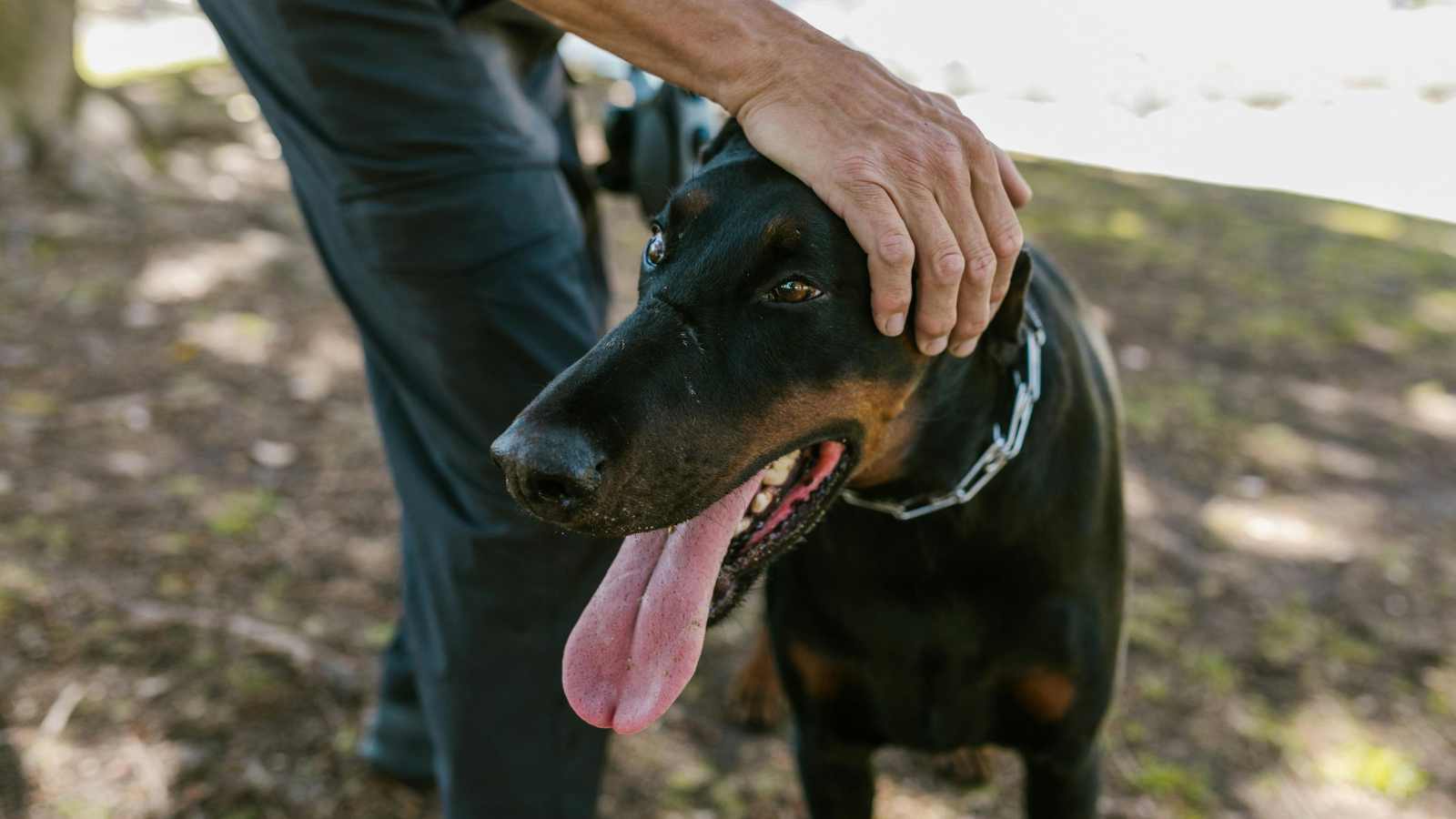
Most people instinctively reach out to pat a dog’s head, but for many canines, a hand coming from above looks like a looming threat. You might notice they blink, lower their heads, or pull back their ears as your hand descends, which are subtle signs of discomfort.
It is far less intimidating to approach a dog from the side and stroke their chin, chest, or shoulders. This approach respects their personal space and allows them to see your hand coming, making the interaction positive rather than scary.
Tight Leash Walking

Walking with a tight leash communicates tension and nervousness to your dog, which can make them react aggressively to passing stimuli. If you pull back every time you see another dog or person, you are telling your pet that there is a reason to be worried or on guard.
Keeping the leash loose tells your dog that everything is under control and there is no need for them to go into protection mode. Mastering a loose leash walk takes practice, but it changes the entire dynamic of your outdoor adventures from stressful to relaxing.
Disclaimer – This list is solely the author’s opinion based on research and publicly available information. It is not intended to be professional advice.
Like our content? Be sure to follow us.





