Growing up used to look very different, and the numbers prove it. UNESCO reports that across 29 countries, children today average roughly 60 to 165 minutes of outdoor play per day, far below what previous generations experienced informally. Meanwhile, research published in the American Journal of Preventive Medicine
shows that nearly 40% of preschoolers spend one hour or less playing outside on weekdays, highlighting just how much childhood has shifted indoors.
Add in rising screen time, safety concerns, and more structured lifestyles, and it’s clear: many “normal” childhood moments from the past now feel almost surreal. Here are 10 that stand out.
Walking into the Pilot’s Cabin
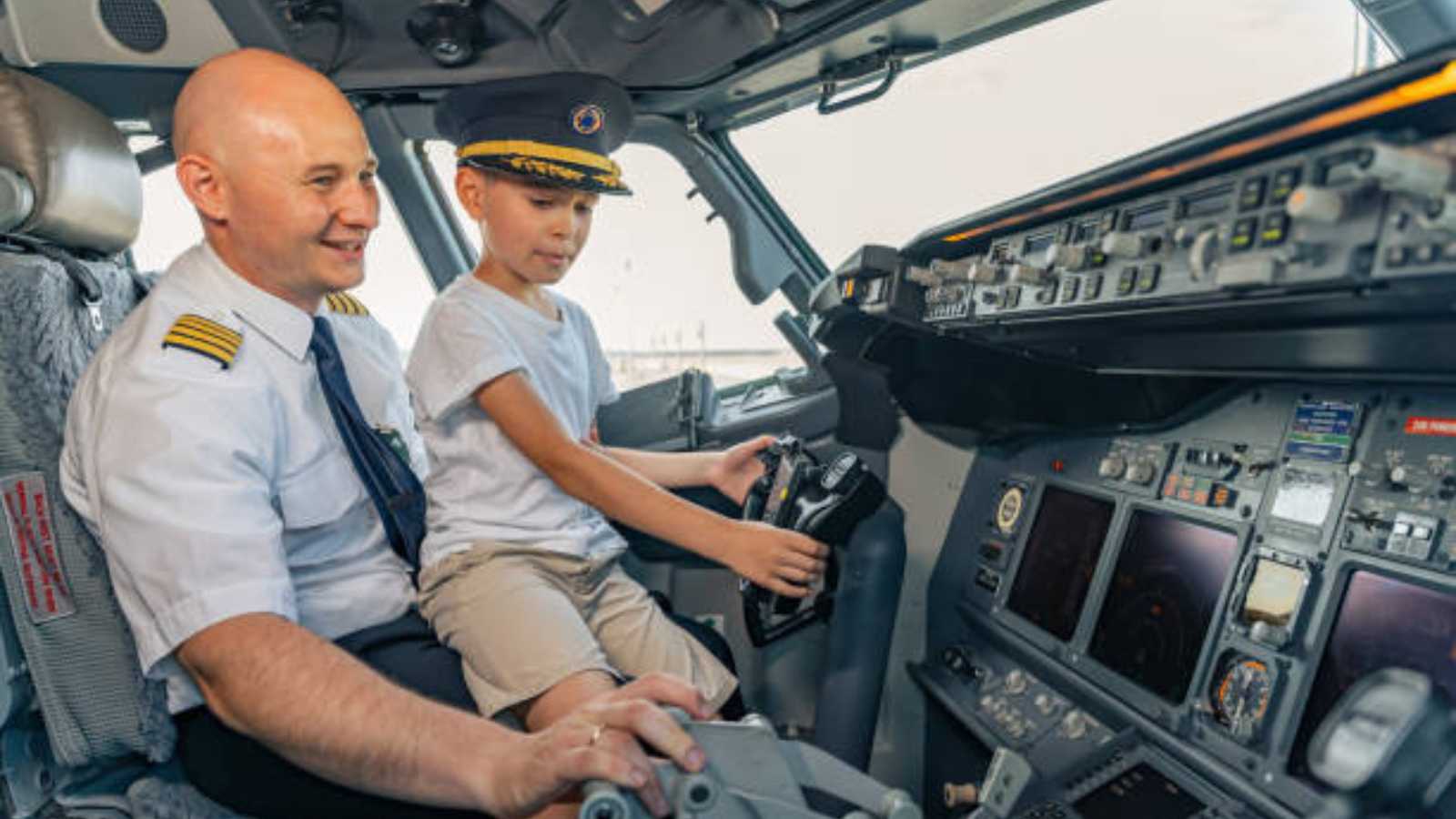
A visit to the cockpit was a regular highlight of any commercial flight for a curious child in the eighties. The pilots would often hand out plastic wings and explain the complex wall of glowing dials and switches.
This level of access to the flight deck ended abruptly as security protocols were fundamentally transformed for the modern era. Modern aircraft doors remain locked and reinforced to ensure the safety of everyone on board.
Flight crews now operate behind a strict barrier that prevents any unauthorized entry during the journey. Traveling across the country now involves much more surveillance and much less interaction with the crew.
Riding in the Back of a Pickup Truck

Flying down a highway while sitting on a cold metal tailgate was a quintessential summer experience for many. We felt the wind in our hair and the thrill of the open road, with no seatbelts in sight.
The only safety measure was a firm instruction from our parents to hold on tightly to the sides.
Modern vehicles are built with a primary focus on occupant protection and crash avoidance technology. Protecting your physical health today involves advanced safety tech that makes the open truck bed seem like a distant fever dream.
Using Payphones to Call for a Ride

Finding a quarter and a functioning booth was the only way to communicate when you were away from your house. We had to memorize dozens of phone numbers and wait on hold to tell our parents where we were.
The smell of the plastic receiver and the sound of the coins dropping are sensory memories shared by an entire generation.
About a decade ago, there were 27,000 payphones in California, with 2,100 in L.A. County. Now, there are just 2,525 working public payphones left in the state. Effective contact for a modern lifestyle is now instantaneous and requires no loose change or public booths.
Playing on Concrete and Hot Metal

Playgrounds in the past were essentially obstacle courses made of heavy iron and unforgiving pavement. The metal slides could reach temperatures high enough to blister skin on a humid July afternoon in the suburbs.
We navigated these structures with very little supervision and accepted that falling meant a trip to the nurse. Newer designs prioritize soft landings and materials that do not absorb excessive solar heat.
These changes have significantly reduced the number of minor injuries and heat-related burns found in public parks. Managing the risk was much harder when the ground beneath the swings was solid concrete.
The Mystery of the “Free Range” Afternoon

Leaving the house after breakfast with no way for your parents to track your location was a standard weekend ritual. This level of unsupervised freedom is almost non-existent for the children growing up in the current decade.
Robert Epstein argues that modern society tends to infantilize young people by limiting their freedoms and responsibilities, a trend he says has grown as adolescence has become an extended, socially constructed life stage.
Parents today often feel the need to monitor every interaction through digital trackers or by scheduling playdates. A long trip across town as a ten-year-old is now considered a major security risk.
Riding in the Front Seat as a Toddler
Save this article
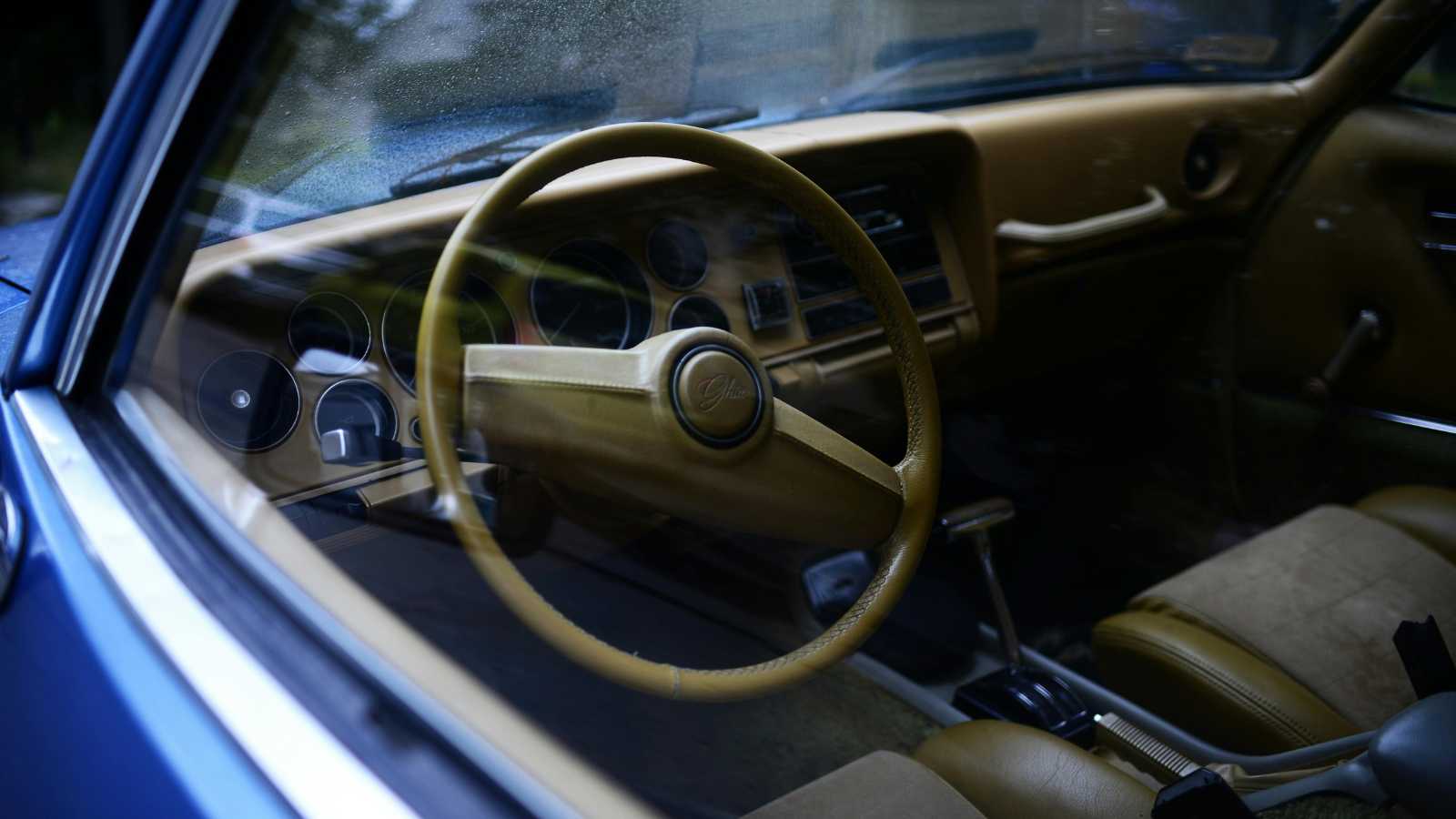
The front passenger seat was once a coveted spot for children who were barely tall enough to see over the dashboard. We sat there without booster seats or even functioning seatbelts while our parents navigated busy city traffic with one hand.
This practice is now illegal and considered a severe violation of basic child safety protocols across the globe.
Using properly installed rear-facing car seats can reduce the risk of fatal injury in infants by about 71% during car accidents. Buying a new car now involves researching complex safety ratings that did not exist forty years ago.
Drinking Water Directly from the Garden Hose

Thirst was usually quenched by whatever outdoor faucet was closest to the action during an intense game of tag. We accepted the metallic taste and the initial blast of hot water that had been sitting in the sun for hours.
No one considered the potential chemical exposure from the rubber lining or the lack of a proper filter.
The Ecology Center Garden Hose Study found lead levels above 100 ppm in many hoses and fittings, well above safe drinking water limits. Choosing a healthy drink option now involves more scrutiny than a quick sip from a green hose.
The Shared Family Computer in the Den

Accessing the internet was a communal experience on a single bulky machine in a high-traffic area. We had to wait for the dial-up modem’s screeching sound before we could visit a few static websites.
There was no such thing as a private screen or a pocket-sized device for personal entertainment. Families now own multiple personal devices that allow for individual browsing from any room in the house.
The desktop computer has largely been replaced by laptops and tablets that users carry. Saving your money for a high-end laptop was a major milestone for an entire generation of students.
Cigarette Smoke in Every Indoor Space

It was perfectly normal to eat dinner or watch a movie while surrounded by a thick cloud of secondhand cigarette smoke. Most public buildings had designated ashtrays in the armrests of chairs and on the counters of retail stores.
The lingering smell of tobacco was simply a background element of the typical childhood environment in the past.
Public health analyses show that indoor smoking bans have been linked with about a 17 percent drop in emergency asthma attacks among children in communities that enacted the laws. Maintaining a clean and smoke-free restaurant is now a legal requirement in almost every state.
Watching Three Channels of Television

The entire nation shared the same cultural moments because everyone was watching one of three major networks each night. We had to manually turn a dial on the television set and adjust a set of metal ears to get a clear picture.
There was no such thing as on-demand streaming or an endless list of niche content to consume. Streaming platforms now offer a massive variety of content that caters to every possible personal interest.
Fragmented digital viewing habits have largely replaced the shared experience of a national television event. Staying relevant in a fast-paced world requires a much wider lens than just three channels on a wooden box.
Key Takeaways

Childhood has been fundamentally reshaped by advancements in safety technology and the widespread availability of digital communication. Many activities we once considered standard now seem incredibly dangerous or socially unacceptable to today’s parents. These memories serve as a reminder of how quickly our cultural norms and expectations for safety can shift over a few decades.
Disclaimer: This list is solely the author’s opinion based on research and publicly available information. It is not intended to be professional advice.
Like our content? Be sure to follow us