

Macaroni salad. Meatloaf. Tuna casserole. Jell-O salad. For many Baby Boomers, these dishes were staples at family dinners, church potlucks, and holiday gatherings. But ask many Gen Z adults what they’d rather eat, and you’re far more likely to hear sushi, poke bowls, Korean fried chicken, tacos, or Mediterranean grain bowls.
America’s idea of comfort food is changing—and it’s happening faster than many people realize. Raised with food delivery apps, social media, and nearly unlimited access to global cuisines, Gen Z has embraced bold flavors, customizable meals, and healthier options while quietly leaving many traditional favorites behind.
The shift extends beyond what’s cooking at home. Research from The NPD Group found that Gen Z overwhelmingly favors quick-service and fast-casual restaurants, reflecting a generation that values convenience, variety, and international flavors over many of the classic dishes that defined previous generations.
Here are the Boomer foods that are steadily disappearing from Gen Z’s plates.
Meatloaf – The Staple Dinner That’s Lost Its Charm
Meatloaf stands out as a classic Boomer comfort food, especially for those who grew up in the ’60s and ’70s, when the dish was a regular on American dinner tables. 1.15% (43,007) of U.S. restaurants offer Meatloaf dishes on their menus.
Its hearty, filling nature still appeals to older generations who associate it with family routines and home‑cooked meals. Gen Z, however, gravitates toward foods that dominate modern menus—sushi, global flavors, and plant‑forward bowls—reflecting broader shifts in restaurant offerings and social food trends.
TV Dinners – A Boomer Favorite That’s Totally Out of Date
Let’s be real. TV dinners were basically a rite of passage for Boomers—pop one in the microwave, sit down, and watch your favorite show. But these days? Gen Z isn’t about to settle for a compartmentalized plastic tray of processed food. They’re all about fresh, real ingredients and, of course, sustainable options.
Gen Z is leading the charge in demand for healthier, more transparent food choices. Honestly, who can blame them? No one wants to eat a microwaved mystery meat when they could be munching on something locally sourced and nutritious.
Casseroles – Not the Go-To for a Quick Bite
Ah, casseroles. Boomer households used to live by them—throw everything in a dish, bake it, and voila, dinner’s served. But ask Gen Z about casseroles, and you’ll get blank stares. The trend is moving towards fresher, lighter meals with real ingredients, not the “throw a can of cream of mushroom soup in it” mindset.
The NPD Group reports that Gen Z overwhelmingly chooses quick‑service and fast‑casual restaurants, logging 4.3 billion of their 5 billion restaurant visits at QSRs in a single year, making casseroles feel a bit too… cumbersome. Plus, who wants to deal with a cheesy mess when you can grab a poke bowl or make a quick smoothie? I’ll pass on the tuna noodle casserole, thanks.
Spam – The Canned Meat That Doesn’t Hold Up
Spam. The food that gets a bad rap but somehow sticks around. Boomers love it, especially when it’s fried up with eggs or served in a sandwich. It was an affordable, convenient source of protein during tough times.
Fast forward to Gen Z, and Spam is basically a punchline. People are more into real food now, and with the growing awareness around food sustainability, canned mystery meat doesn’t exactly fit the bill.
Plus, Gen Z has discovered the joys of plant-based protein options, so Spam’s time in the spotlight is definitely over. IMO, it’s a relic of the past, and Gen Z is too busy experimenting with vegan jackfruit tacos to bother with a can of Spam.
Jell-O – The Wobbly Dessert No One’s Asking For
Jell-O is another classic that’s so Boomer, but Gen Z would rather take a pass. There’s something about the jiggly, sugary dessert that feels outdated. Sure, it was a fun way to entertain the kids back in the day (especially when you threw some fruit inside), but these days, Gen Z’s sweet tooth is satisfied by things like smoothie bowls or artisanal donuts.
Studies show that Gen Z cares more about health, clean ingredients, and transparency in nutrition than older generations do. So, yeah, Jell-O might have had its time, but it’s not winning any popularity contests now.
Prunes – The Fruit That’s Too “Old School”
Prunes, aka dried plums, are a food staple for Boomers, known for their ahem digestive benefits. But, again, ask Gen Z about prunes, and you’ll get a raised eyebrow.
This fruit is just not appealing to the younger generation. In snacks, Gen Z considers trendy superfoods—think acai bowls or kombucha —not dried fruit that’s typically marketed to seniors.
A quick glance at the food industry analysis reveals that Gen Z prefers plant-based and holistic options for gut health rather than reaching for prunes. Sorry, prunes, you’re just not in the running anymore.
Deviled Eggs – The Party Platter Gen Z Keeps Skipping
Deviled eggs were a Boomer-era party essential, showing up at holidays, church gatherings, and neighborhood potlucks. They were easy to make, inexpensive, and in line with the mid‑century obsession with mayo‑based dishes.
Save this article
Gen Z, however, tends to avoid heavy, mayo‑forward foods and prefers lighter, globally inspired appetizers like dumplings, sushi bites, or charcuterie-style snacks.
Tuna Salad – The Classic But Definitely Not Trendy

Tuna salad was a go-to lunch for many Boomers, often paired with crackers or stuffed into a sandwich. But let’s face it: Gen Z is not interested. The tuna just doesn’t cut in a world of sushi and poke bowls.
Why settle for mayo and canned fish when you can make a fresh, vibrant poke bowl with ahi tuna, avocado, and a tangy soy dressing? Gen Z values creativity and fresh flavors, and tuna salad, with its bland and dated vibe, simply doesn’t cut it. If you’re craving fish, you’ll find Gen Z opting for something more flavorful and less… mushy.
Liver – The One You Don’t See on Instagram
Liver is a dish Boomers grew up with, often served with onions and mashed potatoes, but it’s the ultimate example of how food preferences change with the generations. For Gen Z? It’s just a big no. Liver’s iron-heavy taste and texture are not what Gen Z craves.
Gen Z is more into lighter, more approachable proteins like chicken, salmon, and even plant-based meat alternatives. Liver? Nah. It’s not even getting a chance to be featured in the latest food influencer’s Instagram feed.
Beef Stew – A Hearty Meal That’s Hard to Love
Beef stew is another classic Boomer favorite that just doesn’t make sense to Gen Z. It’s heavy, it’s slow-cooked, and it requires hours of attention. But with Gen Z’s on-the-go lifestyle, they’re more into quick, healthy meals that fit their active schedules.
Meal prep is their go-to, and beef stew definitely doesn’t cut it for modern-day millennials. There’s no shame in a hearty stew, but Gen Z prefers grain or Buddha bowls that feel just as hearty but are more customizable.
More articles:
- Common spices linked to colon cancer prevention
- Potato chips may be linked to higher colon cancer risk, here’s why
- 13 Superfoods for Digestive Health You Can’t Ignore
15 foods centenarians eat to live to 100
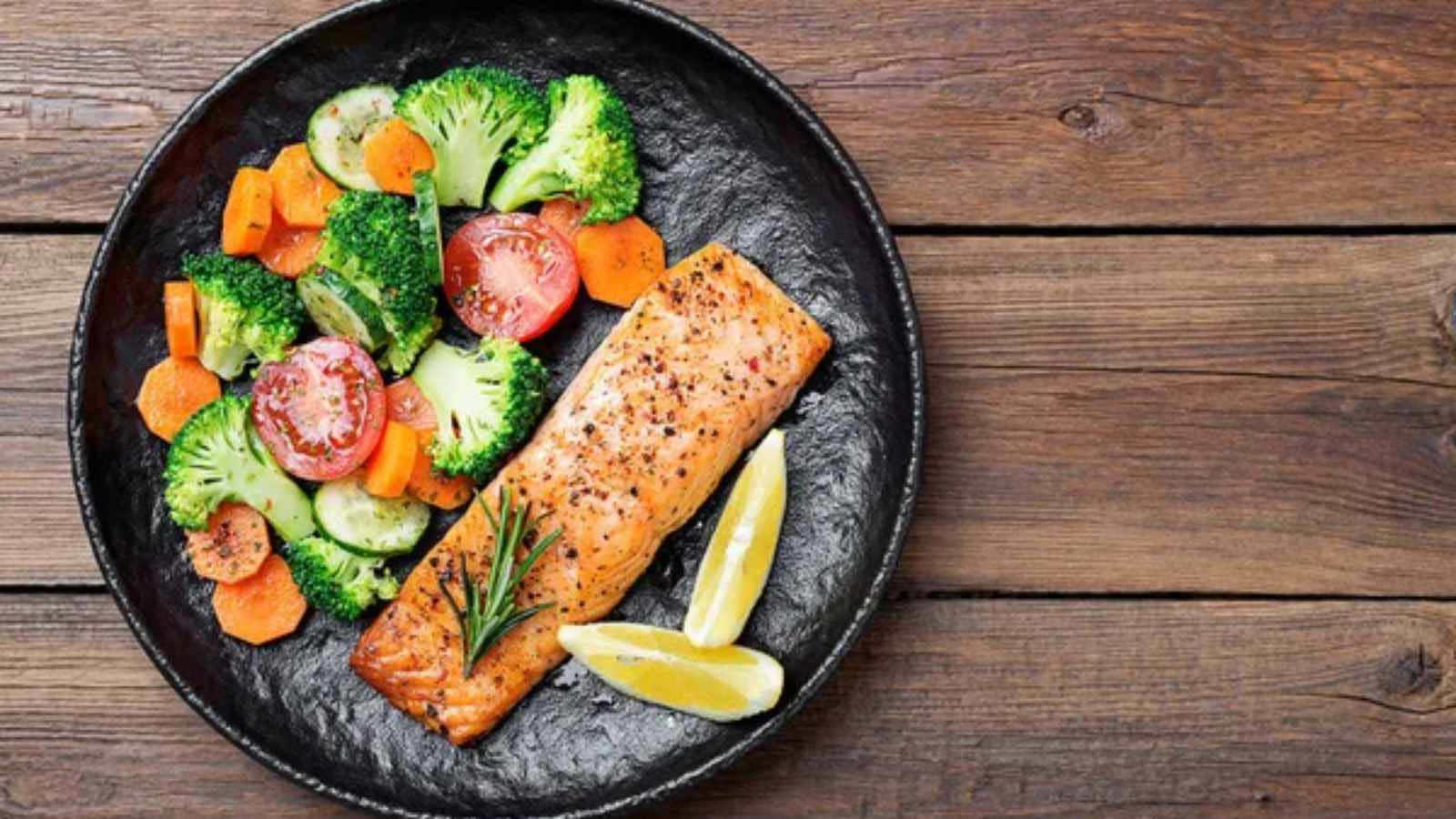
Living to 100 is less about rare genes and more about the everyday foods quietly shaping your health right now.
Reaching the age of 100 might seem like winning a genetic lottery to many people, but research suggests your grocery list plays a massive role. Those vibrant communities known as Blue Zones, where people frequently live past a century, rely heavily on what they put on their dinner plates. We have compiled a list of specific ingredients that act as fuel for a long, healthy life, without needing a magic potion. Learn more
10 foods with more blood pressure benefits than beets
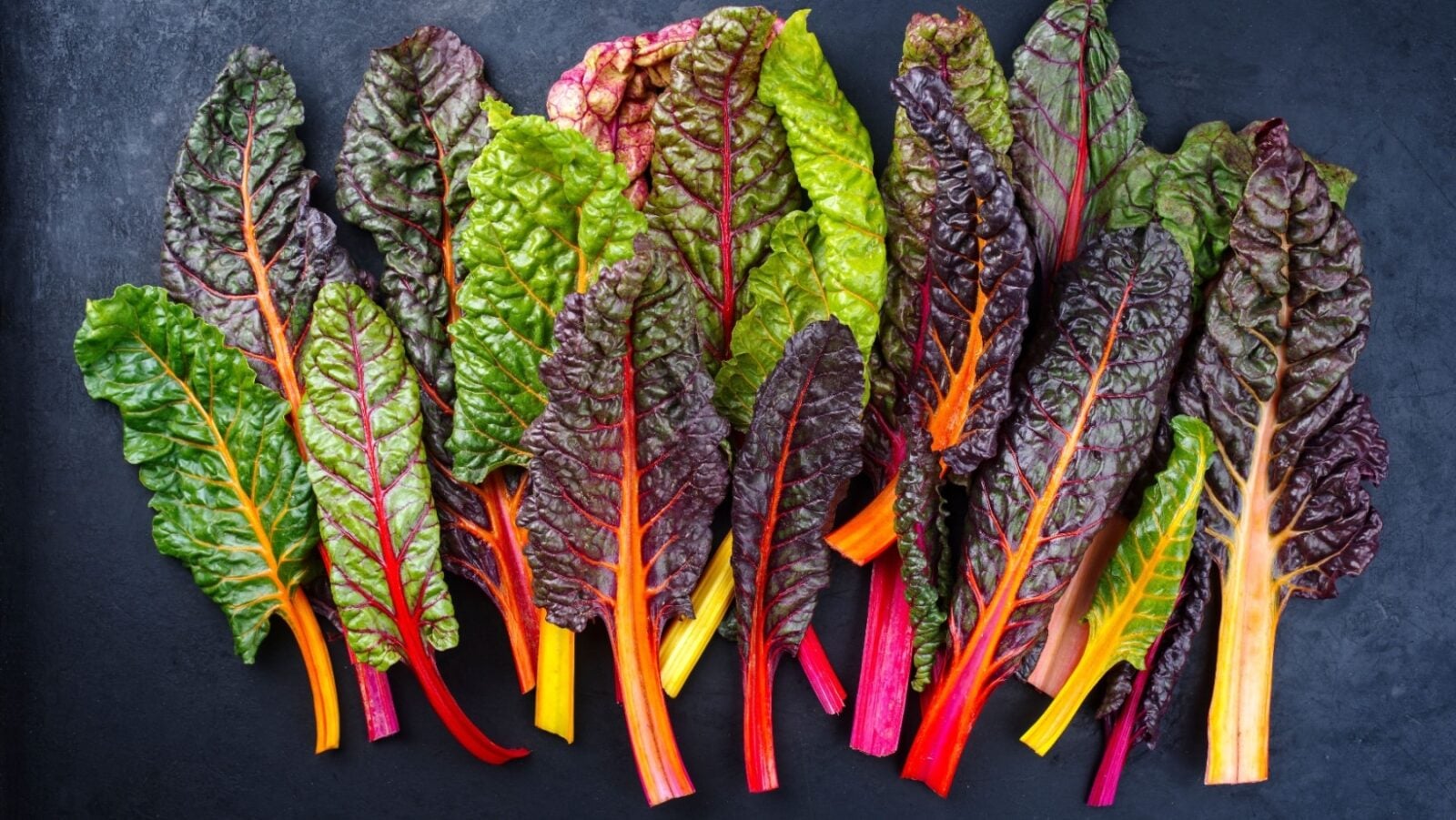
Beets get all the credit for lowering blood pressure, but they’re far from the best option.
We have all heard the hype about beet juice being the miracle elixir for hypertension, and the science technically supports it. However, relying solely on beets is like patching a tire with duct tape because the effects are incredibly temporary and often vanish within a single day. While beets can offer a quick fix, they do not provide the sustainable, long-term support your cardiovascular system needs to stay stable. Learn more.
15 eating habits that can help improve hormone balance after 45

Hormones often feel like the wild card of midlife. In women past 45, hormone levels begin to fluctuate and can have an impact on things as varied as mood and metabolism. Do you know that the World Health Organization says most women experience menopause between the ages of 45 and 55 years?
This normal change reduces the amount of estrogen in your body and alters your physiology. It is estimated that approximately ¾ of women experience menopausal symptoms connected to the hormonal fluctuations that affect energy levels and weight. Learn more.





