

Remember when Star Trek’s gadgets felt like pure make-believe? Turns out, we’re living with a lot of them now.
When Star Trek first aired in 1966, its gadgets and futuristic science felt lightyears away. Yet over the decades, many of those imaginative ideas have crept into our daily lives, or are on the verge of becoming real. From handheld medical scanners to AI-powered translation, today’s scientists are building the future Gene Roddenberry once dreamed up. Here’s a look at 10 innovations where Star Trek was startlingly ahead of its time.
1. Medical Tricorders and Today’s Health Tech

Tricorders once seemed like props from another galaxy, but now handheld devices can check vitals, scan organs, and even spot irregularities using ultrasound and AI. Portable health monitoring is catching up fast.
2. Universal Translators vs. AI Translation

Uhura’s translator headset was science fiction—until apps like Google Translate and real-time earbuds brought instant translation to our pockets. While not perfect, we’re closer than ever to breaking down language barriers.
3. Quantum Teleportation Research

Transporters remain a fantasy for humans, but scientists have successfully “teleported” quantum particles. It’s not beaming you to the Enterprise yet, but it proves the physics foundation isn’t so far-fetched.
4. Replicators and 3D Printing
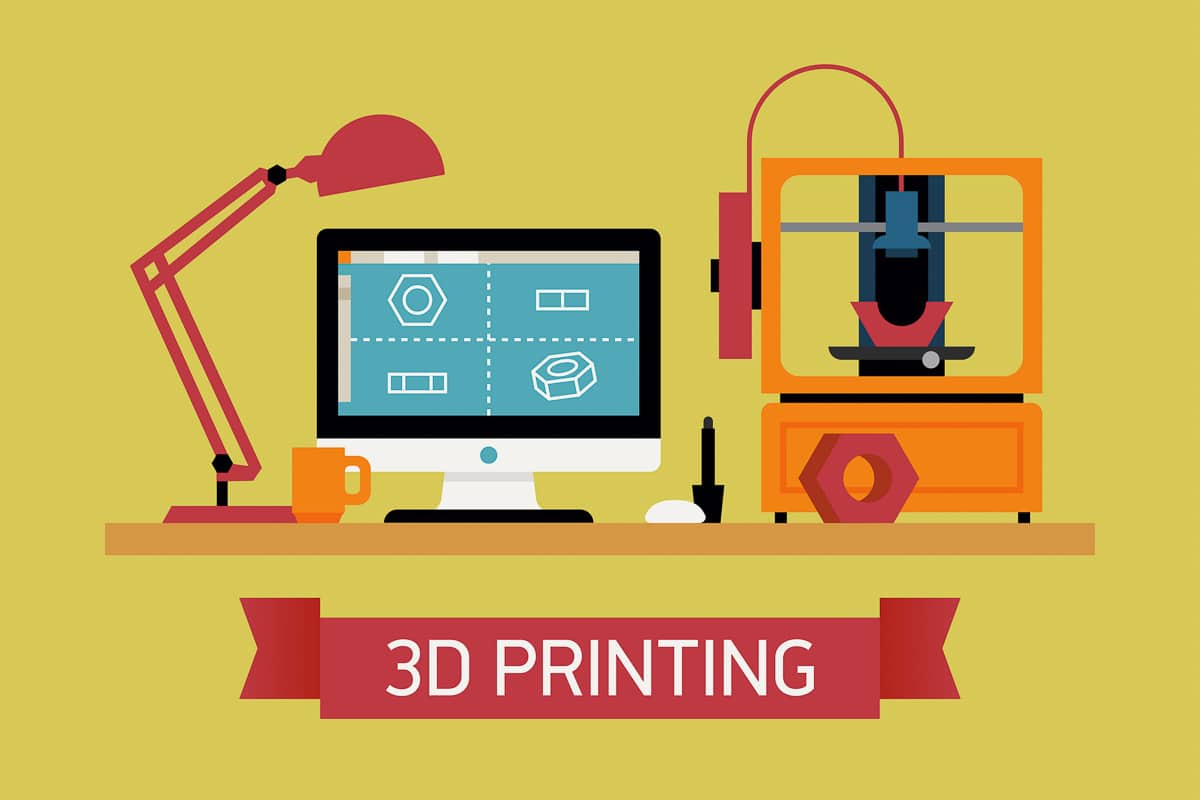
Ordering “Tea, Earl Grey, hot” may not be possible, but 3D printers can already create food, prosthetics, and even working organs in development labs. Star Trek’s vision of on-demand creation is here in pieces.
5. Voice-Activated Computers

Talking to the Enterprise computer was revolutionary in the ‘60s. Today, Alexa, Siri, and ChatGPT are everyday assistants, arguably the most seamless Trek-inspired tech in our homes.
6. Hyposprays and Needle-Free Injections

Dr. McCoy’s dislike for needles was solved by hyposprays. Modern medicine now has jet injectors and microneedle patches, offering painless delivery for vaccines and drugs.
7. Star Maps and GPS

Starfleet navigators relied on glowing star charts. Our reality? GPS satellites and telescopes mapping galaxies in precise detail. We carry a “star chart” in our phones every day.
8. Communicators and Cell Phones

Captain Kirk’s communicator flip device directly inspired the design of the first cell phones. Now, smartphones outpace the original tech by lightyears, combining communicators with tricorder-like abilities.
9. Tractor Beams in Development

Believe it or not, scientists have developed “tractor beams” using sound and light waves that can move tiny particles. Large-scale versions are decades away, but the research is real.
10. Warp Speed Dreams and Space Travel

While warp drives remain speculative, NASA has explored concepts based on bending space-time. At the same time, private companies like SpaceX are pushing interplanetary travel closer to reality.
The Takeaway

Star Trek didn’t just imagine the future; it inspired scientists to invent it. While we’re not warping to distant star systems yet, every tricorder, translator, and communicator brings Roddenberry’s dream closer. The line between science fiction and reality keeps getting thinner.
You may want to read: What Star Trek Teaches Us About Leadership in Divided Times