Record-high beef prices are surprising consumers at grocery store checkout lines and restaurant tables. This increase is not the fault of a single perpetrator but a perfect storm of interconnected issues that have tripped up each part of the beef supply chain.
With an understanding of the root causes, consumers can make the best decisions about how to plan their food shopping and budgeting. The beef industry is faced with a complex web of issues ranging from climate to global economic pressures. They have started a ripple effect that ends up on dinner plates across America.
Here are the top ten most significant reasons for this explosive price increase and what it portends for the future of beef consumption.
Drought and Climate Issues

Record dryness in the main cattle-producing states has drastically changed the beef production landscape. The spells of dry weather have killed pastureland and reduced the quality of grazing land, forcing ranchers to dispose of cattle earlier than expected or incur heavy expenses on expensive feed supplements.
Rising Feed Prices

The cost of cattle feed has increased exponentially due to several factors that impact grain supply and transportation. Soybean meal, another key protein input for cattle, has experienced corresponding price increases due to global supply chain disruptions and rising global demand.
Labor Shortages in Meatpacking Plants

The meatpacking industry is still struggling with severe labor shortages that have severely limited processing capabilities. Meat plants are operating at 85% of their pre-pandemic employee levels, according to the Bureau of Labor Statistics, which is creating supply chain backlogs.
These shortages stem from poor working conditions, comparable pay offered elsewhere in the industry, and ongoing concerns about workplace safety following the pandemic’s disruption.
The resulting supply shortage drives prices up because the demand outpaces the industry’s ability to manage beef products, creating artificial shortages in the market.
Supply Chain Disruptions

Global supply chain disruptions continue to impact every facet of beef production, distribution, and in-store retail sales. According to research by the American Transportation Research Institute (ATRI), the per-mile cost of operating a truck hit a new record high in 2023.
Those increased expenses are added to all movement from cattle to feedlots to delivering finished products to grocery markets and restaurants. The supply chain problems extend beyond transportation to include shortages in packaging items, processing equipment components, and even the most fundamental supplies, such as labels and boxes.
Those disruptions have led companies to hold larger inventories and resort to more expensive backup suppliers, costs that ultimately get passed on to consumers.
International Trade Pressures

Global demand for US beef has put competition in sharper focus and driven up domestic prices. Strong overseas demand puts upward pressure on domestic prices as American beef competes internationally.
Trade tensions and changing global relationships have also affected beef prices through tariffs and trade policies. The existing complexity in international trade negotiations creates uncertainty among beef producers regarding future market access, which encourages them to capitalize on current high-demanding conditions.
Higher Energy and Fuel Prices

Higher energy costs have impacted all areas of beef production, from powering farm equipment to chilling beef during transportation and storage. Ranching operations and transport infrastructure, which are integral to the supply chain, all feel the direct impact of higher fuel costs.
Electricity costs in processing facilities, refrigeration systems, and retail stores have also increased due to various factors, including infrastructural problems and the volatility of energy prices.
Consolidation in the Beef Industry

The beef processing sector has become increasingly concentrated, with four major companies controlling approximately 80% of the market. This concentration has reduced competition, giving major processors tremendous leverage to control prices over both ranchers and consumers alike.
Regional, smaller-scale processors cannot compete, further reducing options in the marketplace. The concentration has also exposed the supply chain to risk, where interruptions in larger plants can have far-reaching impacts on national beef supplies.
Save this article
Recent examination of pricing behaviors has raised questions about whether market concentration results in artificially inflated beef prices that are not necessarily reflective of production costs.
Inflation and Economic Pressures

Higher inflationary pressures have affected all aspects of the beef industry, including equipment and facility costs, wages, and professional services. The overall inflation rate has reached all things ranchers and processors need to run their operations, placing upward pressure on costs that is passed on in the prices of beef.
Construction materials, veterinary services, insurance policies, and financial services have all increased significantly. These inflationary pressures have also influenced consumer expenditure behavior and expectations.
Regulatory Compliance Costs

More regulatory requirements and compliance costs have been substantial additions to beef processing and production activity. All the environmental protection, food safety regulations, and animal welfare policies have intensified and become more expensive to comply with.
These regulatory costs, although traditionally conducted in the public interest for health and environmental matters, contribute to higher operating expenses that are passed on to consumers.
Consumer Demand Patterns

Changes in consumer tastes and demand patterns have also contributed to the price hikes in beef, particularly for premium cuts and grass-fed beef. The pandemic altered consumption patterns as restaurants reduced operations and consumers increased home cooking, creating distinct demand patterns for various cuts of beef.
Premium products and high-quality steaks have seen especially robust demand, pushing average beef prices higher. The restaurant rebound and the return to dining out have created additional stress on beef supplies, with foodservice establishments competing with supermarkets for limited supplies of beef.
With this continued demand even at higher prices, it is likely that consumers consider beef a necessity purchase, lowering price sensitivity and allowing for further price increases.
Key Takeaways

Environmental and Production Issues: Drought and rising feed prices have significantly increased the cost of producing cattle, with feed alone nearly doubling in some areas.
Supply Chain Vulnerabilities: Labor shortages, logistics breakdowns, and processing limitations have artificially limited availability and driven prices above the cost of production.
Market Structure Issues: Consolidation within the industry has reduced competition, while global demand places pressure on domestic prices to increase.
Economic Pressures: Inflation, the price of energy, and regulatory compliance have added various layers of expense to the whole beef supply chain.
Consumer Impact: Together, these forces have created a prolonged period of high beef prices that strain family budgets for food and potentially alter consumption habits for the long term.
The beef price surge is the culmination of long-term structural issues and shorter-term shocks that will likely continue to affect consumers for the near term. Having an understanding of these drivers facilitates consumers in making informed decisions about protein purchases and planning.
Disclaimer – This list is solely the author’s opinion based on research and publicly available information. It is not intended to be professional advice.
6 Gas Station Chains With Food So Good It’s Worth Driving Out Of Your Way For
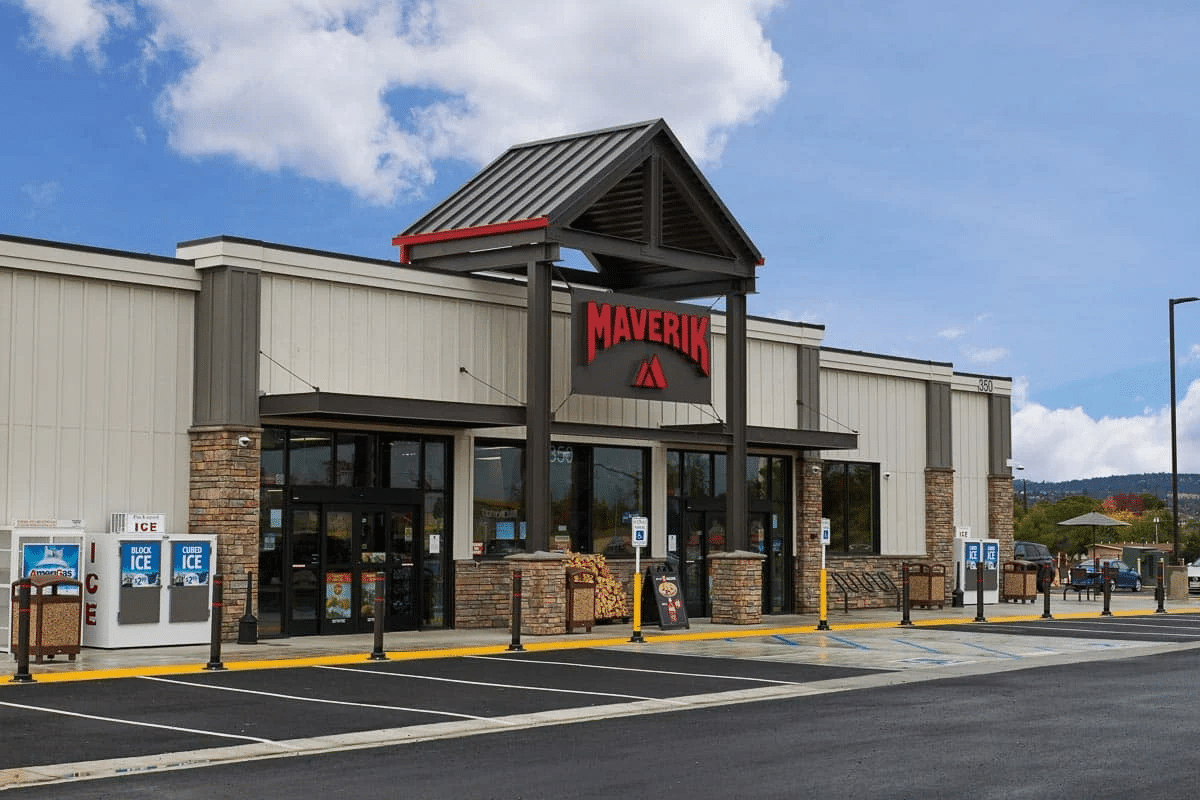
6 Gas Station Chains With Food So Good It’s Worth Driving Out Of Your Way For
We scoured the Internet to see what people had to say about gas station food. If you think the only things available are wrinkled hot dogs of indeterminate age and day-glow slushies, we’ve got great, tasty news for you. Whether it ends up being part of a regular routine or your only resource on a long car trip, we have the food info you need.
Let’s look at 6 gas stations that folks can’t get enough of and see what they have for you to eat.
16 Grocery Staples to Stock Up On Before Prices Spike Again

16 Grocery Staples to Stock Up On Before Prices Spike Again
I was in the grocery store the other day, and it hit me—I’m buying the exact same things I always do, but my bill just keeps getting higher. Like, I swear I just blinked, and suddenly eggs are a luxury item. What’s going on?
Inflation, supply-chain delays, and erratic weather conditions have modestly (or, let’s face it, dramatically) pushed the prices of staples ever higher. The USDA reports that food prices climbed an additional 2.9% year over year in May 2025—and that’s after the inflation storm of 2022–2023.
So, if you’ve got room in a pantry, freezer, or even a couple of extra shelves, now might be a good moment to stock up on these staple groceries—before the prices rise later.
Like our content? Be sure to follow us.