

When one housekeeper is expected to clean up to 16 rooms a shift, even minor guest habits can snowball into major delays across an entire hotel floor.
Hotel rooms are often seen as temporary sanctuaries, but small actions by guests can make a housekeeper’s job much harder. With tight schedules and back-to-back checkouts, a few forgetful habits can create significant delays. Understanding the cleaning crew’s perspective helps you become a more considerate guest while still enjoying your stay.
It is easy to view a hotel room as a temporary sanctuary where the usual rules of tidiness do not apply. After all, you are paying for a service, and that service includes a professional cleaning crew to reset the space. Most housekeepers operate on tight schedules and have very little time to turn over a room before the next guest arrives. Small acts of negligence can snowball into a significant delay that ruins the rhythm of their entire shift.
Understanding the cleaning crew’s perspective can help you be a more empathetic traveler without sacrificing your relaxation. Many of the behaviors that frustrate staff are simply due to guest forgetfulness. By making a few minor adjustments to your checkout routine, you can significantly ease the physical burden on these essential workers. We have identified ten everyday habits that hotel housekeepers find particularly challenging during the morning rush. Let us dive into the data and the reality of what happens after you hand back your key.
Using Every Extra Pillow and Blanket
Hotel beds are often piled high with decorative cushions and additional blankets to create a sense of luxury. Guests frequently move these items onto the floor or onto chairs to make room for sleeping.
When a housekeeper enters, they must sanitize and reorganize all bedding, regardless of whether it was actually used. This adds significant time to the room’s turnover process, which might otherwise have been a quick fix.
Try to keep the extras in the closet or neatly on a chair if you do not plan on using them. Keeping unused items separate is a simple way to respect the cleaning schedule.
Leaving Wet Towels on the Carpet
Many guests finish their morning shower and toss their damp towels directly onto the floor as they pack. While this seems like a helpful way to signal they are used to it, it actually creates a significant problem for the room.
Wet fabric sitting on a carpet or a wooden floor can cause permanent damage and lead to a musty odor that is difficult to remove. It also forces the housekeeper to bend over repeatedly, which adds physical strain to an already demanding job.
Industry data show that the average housekeeper cleans between 12 and 16 rooms in an eight-hour shift. Moving your damp laundry to the bathroom tile can protect the workers’ health during the busy morning. It is a simple gesture that makes a huge difference in their daily physical workload.
Leaving Confetti or Glitter Behind
Celebrating a birthday or an anniversary in a hotel room is an excellent way to mark an occasion. However, using confetti or glitter can create a cleaning disaster that takes hours to resolve fully.
These tiny particles embed themselves in the carpet fibers and the upholstery of the furniture. Even the most powerful industrial vacuums struggle to pick up every single shiny speck during a standard turnover.
Statistics indicate that hotel rooms requiring deep cleaning can take around 90 to 120 minutes. This delay affects the hotel and may even incur additional cleaning fees. Stick to balloons or banners to keep the celebration fun without the lasting mess.
Hiding Trash in Unusual Places
It is a strange but familiar habit for guests to tuck trash into drawers or behind the television. Some people do this to keep the room looking neat during their stay, while others forget the bin.
This forces the housekeeper to play hide-and-seek to ensure the room is actually clean. Finding food in a nightstand drawer is an unpleasant surprise that disrupts the entire morning routine.
Keeping your grocery wrappers and snack bags in the main bin helps the staff move quickly through their checklist. When trash is placed where it belongs, the housekeeper can clear the room in a single sweep. This efficiency is the key to maintaining high standards across the entire floor.
Leaving the Television on Max Volume
Many guests leave the television on as background noise while they pack their bags and head out. When a housekeeper enters the room, they are often met with a wall of sound that can be startling and disruptive.
High volume makes it difficult for the staff to hear their radios or communicate with their supervisors. It is a minor detail that can create chaos in the work environment during the most stressful part of the day.
Research shows that exposure to loud noise can activate the body’s stress response and elevate cortisol levels. Turning off the screen before you get in your car is a polite way to end your stay. It allows the staff to work in peace as they prepare the room for the next guest.
Overfilling the Mini Fridge with Personal Items
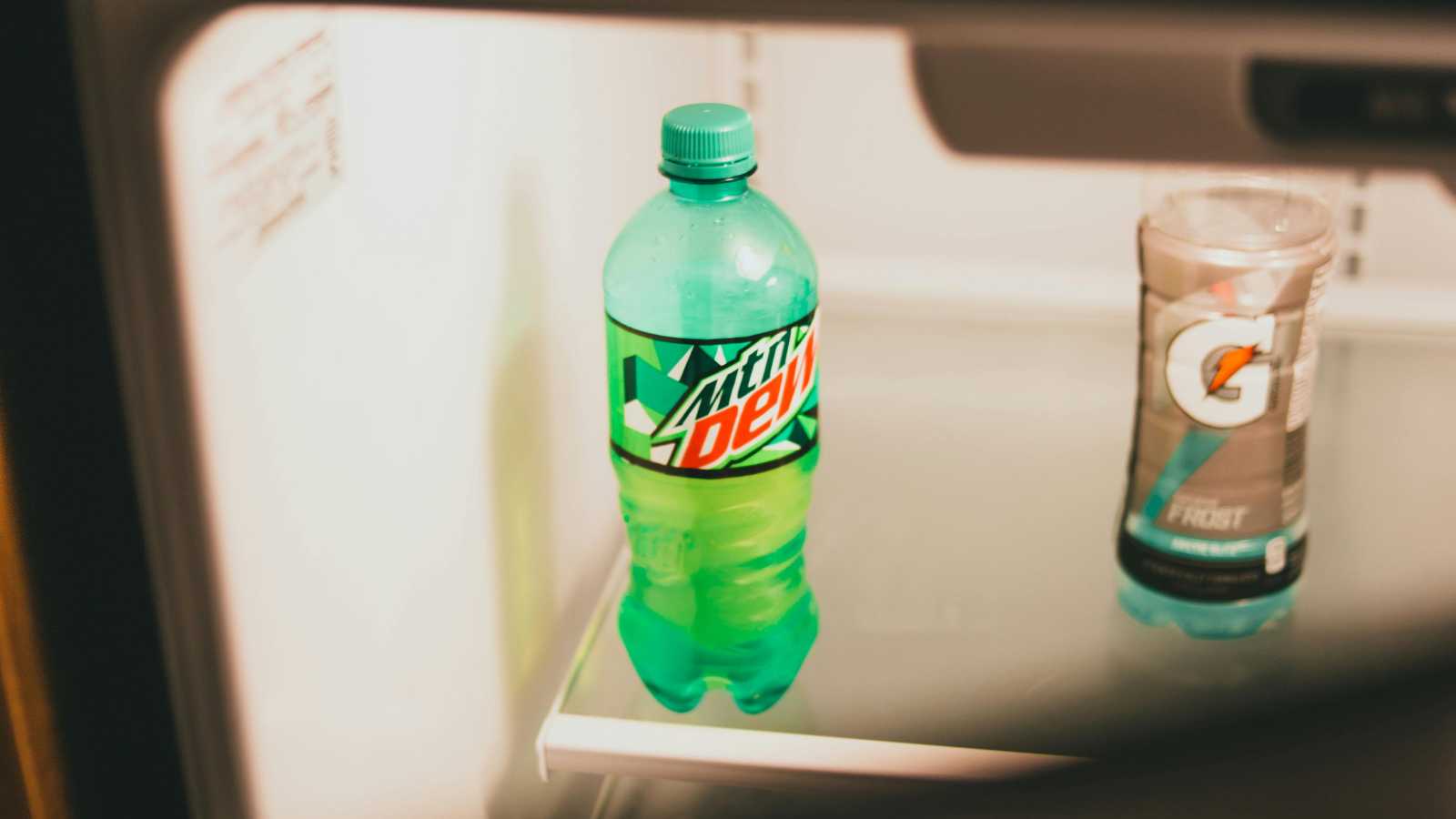
It is convenient to store your own snacks and drinks in the hotel fridge during an extended stay. However, guests often leave behind half-empty bottles or perishable items that have gone bad in the back.
Save this article
The housekeeper must then check and dispose of every single item before the next person arrives at the hotel. This can be a sticky and time-consuming task if a container has leaked or spilled onto the shelves.
Taking a moment to clear out your leftovers helps the staff stay on track with their morning duties. It also prevents odors in the small appliance that the next guest will use. If you have unopened food that is still good, it is better to take it with you or leave it clearly marked.
Moving the Furniture Around
Sometimes you need to move a chair or a small table to reach a power outlet better or to enjoy the view. While this makes your stay more comfortable, the housekeeper must move everything back to its original position.
Pushing heavy desks or armchairs back into place can be physically taxing and may scratch the floor. It also creates a safety hazard if furniture blocks the path of the cleaning cart or staff.
Data indicates that housekeepers perform an average of 8,000 distinct physical movements per shift. If you are on a trip and need to move something, try to put it back before you leave. Your back might be fine, but the housekeeper has to do this in twenty other rooms, too.
Leaving the “Do Not Disturb” Sign on After Checkout
This is one of the most common ways to annoy the hotel staff on your way out, accidentally. If you leave the privacy sign on your door, the housekeeper will skip your room during their initial rounds.
They then have to return later in the day, disrupting their planned workflow and delaying the next check-in. It creates a bottleneck where several rooms are suddenly ready for cleaning all at the same time.
Ensuring the sign is removed helps the staff maintain a steady lifestyle during their high-pressure hours. It is the easiest way to signal that the room is vacant and ready for its professional reset. This simple click or flip of a sign is a significant win for hotel efficiency.
Key Takeaways
Simple acts, such as removing the privacy sign and placing wet towels on bathroom tiles, can significantly reduce the physical strain on hotel cleaning crews. Avoiding messy items like glitter and clearing out the mini fridge prevents rooms from being taken out of service for deep cleaning. Leaving a clear, organized trash bin and a respectful tip ensures the staff can complete their demanding morning shifts efficiently and with gratitude.
More articles:
- 12 cruise dress code rules that spark debate every time
- 16 things you should never leave in your cruise cabin on port days
- 13 Hidden Cruise Risks Most Travelers Don’t Realize Until It’s Too Late
Disclosure: This article was developed with the assistance of AI and was subsequently reviewed, revised, and approved by our editorial team.
Like our content? Be sure to follow us on Newsbreak.
10 Insanely Fast Trains That Make Air Travel Look Slow

Rail travel has come a long way from the slow chugging of steam engines. Today, the race for the fastest train has become a high-speed pursuit of groundbreaking technology, pushing the boundaries of what’s possible on rails. From maglev marvels to sleek bullet trains, these trains don’t just break records; they redefine them. Here’s a look at the 10 fastest trains on Earth, each moving faster than most airplanes. Learn more.
8 financial mistakes travelers should avoid in Mexico

Traveling through Mexico can feel effortless, from booking boutique hotels to paying for street tacos on the go. Yet money mistakes can quietly turn a dream trip into an expensive lesson. Many travelers focus on flights and itineraries but overlook everyday financial decisions that shape their budget once they arrive. Exchange rates, payment methods, and local banking norms differ from those at home, and misunderstandings can drain funds faster than expected.
The stakes are higher than most people realize. According to data from the Consumer Financial Protection Bureau, international travelers can lose money on each transaction. Losses typically range from 3 to 10 percent when foreign transaction fees, poor exchange rates, and ATM charges are combined. Learn more.
10 travel scams targeting tourists

Vacations are supposed to be carefree, but a single clever scam can empty your wallet faster than any overpriced souvenir.
Planning a vacation is usually the highlight of the year, but falling for a scheme can ruin the fun before it even starts. Scammers are getting smarter and using advanced technology to trick even the most experienced globetrotters into handing over their hard-earned cash. You need to stay alert because these criminals often target distracted visitors who are just trying to relax. Learn more.





