Fish often earns praise as a clean, heart-healthy protein, but not every option deserves a spot on your plate. Some species absorb high levels of contaminants from polluted waters, while others come from fisheries with poor safety or sustainability standards. When people eat these fish regularly, they may increase their exposure to toxins that affect the brain, nervous system, and long-term health, especially in children and pregnant adults.
According to guidance from the Food and Drug Administration, certain fish can contain mercury levels high enough to pose health concerns when eaten often. Large predatory fish tend to accumulate the most mercury over time, making them a frequent focus of advisories. Knowing which types of fish to always avoid helps reduce unnecessary exposure and supports safer choices at the seafood counter.
Shark (all species)

Shark sits at the top of the federal danger list. The joint consumer guidance issued by the U.S. Food and Drug Administration and the U.S. Environmental Protection Agency places all shark species among seafood choices to avoid. This is because of exceptionally high methylmercury concentrations.
From a sustainability lens, the verdict is just as stark. The Food and Agriculture Organization has documented steep global declines in many shark populations, driven by slow reproduction and heavy fishing pressure for fins and meat. Once removed, they do not return quickly.
Swordfish

Swordfish appears without fail on high mercury lists. FDA and EPA guidance advise pregnant women and young children to avoid it entirely, citing mercury levels that regularly exceed safety thresholds in national monitoring data.
Its biology explains the warning. As a large, long-lived predator, swordfish bioaccumulates mercury over decades. Reviews summarized by the European Food Safety Authority link frequent intake of such fish to neurological harm and possible cardiovascular effects.
King mackerel

King mackerel is explicitly named in U.S. guidance as a fish to avoid for women of childbearing age and children. The FDA mercury database consistently ranks it among species with the highest average mercury concentrations.
Nutrition analyses from Harvard T.H. Chan School of Public Health note a bitter irony. Unlike lower-mercury Atlantic mackerel, king mackerel can deliver more toxic exposure than omega-3 benefits when eaten often, tilting the healthy-food narrative on its head.
Bigeye and bluefin tuna

Bigeye tuna is flagged by the Food and Drug Administration as a high mercury choice to avoid. Population surveys analyzed by the Centers for Disease Control and Prevention show that frequent tuna consumers often carry the highest blood mercury levels.
Bluefin tuna adds another layer of concern. Stock assessments from the International Commission for the Conservation of Atlantic Tunas estimate that Atlantic bluefin populations have fallen to roughly two to three percent of historic levels. Eating it now draws from a nearly emptied account.
Tilefish (Gulf of Mexico)
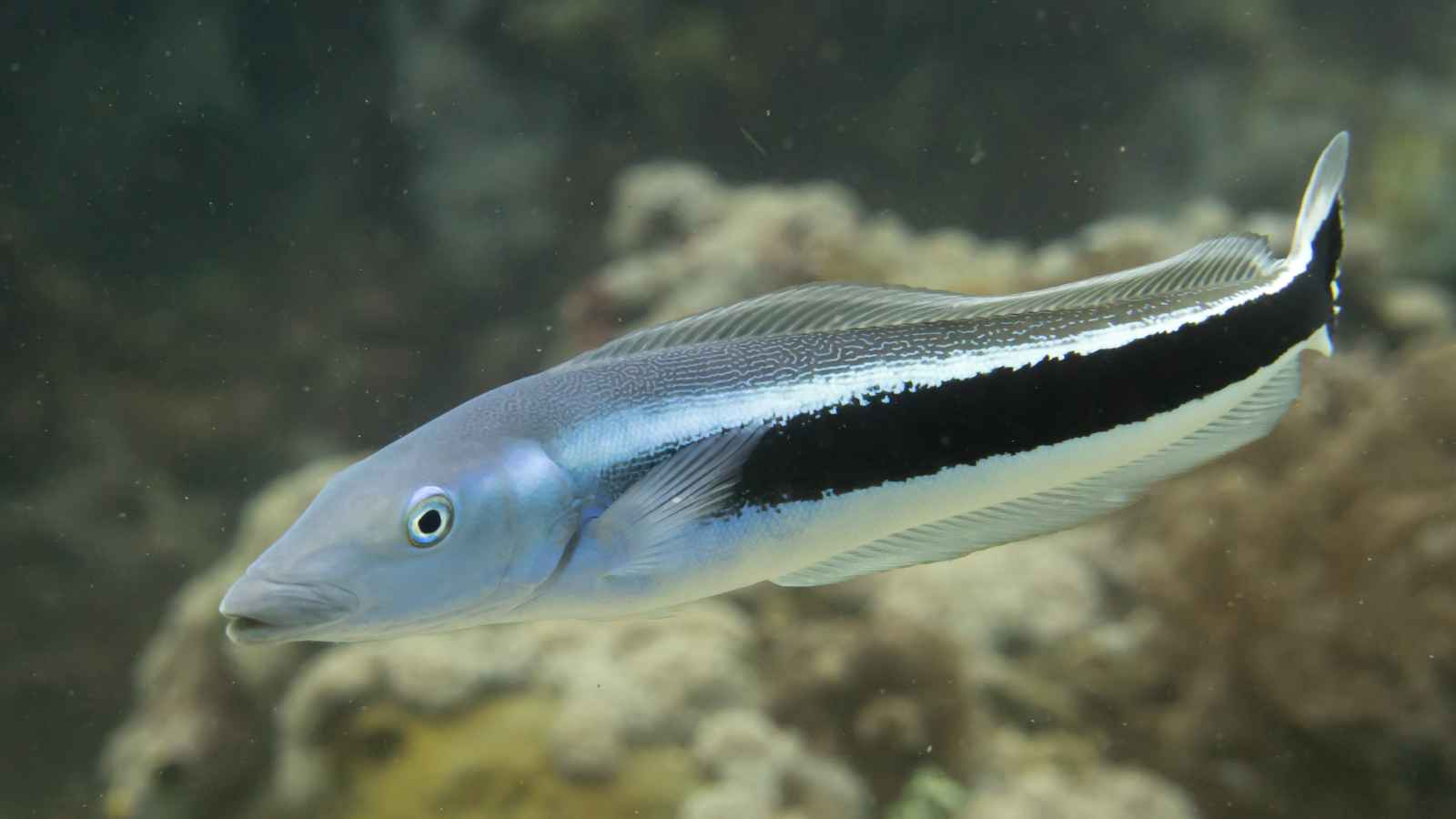
Tilefish from the Gulf of Mexico sits near the top of the federal do-not-eat list. The FDA and EPA advisories single it out as one of the highest-mercury species measured in U.S. waters.
Tilefish live long lives close to the seafloor, feeding within a food web that concentrates contaminants. Federal monitoring programs show that methylmercury levels rise steadily with age, making frequent consumption particularly risky.
Orange roughy

Save this article
Orange roughy appears on environmental avoid lists not because of fashion, but mathematics. According to stock assessments summarized by the Monterey Bay Aquarium Seafood Watch, this deep-sea fish can live more than a century. This longevity means depleted populations recover at a glacial pace.
Age brings contamination. Mercury surveys referenced by Seafood Watch show higher concentrations than in most common white fish. Experts routinely suggest replacing it with faster-growing, lower-mercury options such as U.S.-farmed catfish.
Chilean sea bass (Patagonian toothfish)

Marketed under a glamorous name, Chilean sea bass has drawn years of criticism. Seafood Watch and the World Wide Fund for Nature cite overfishing, illegal catch, and high bycatch in several fisheries.
Mercury compounds the issue. Testing summarized in federal advisories shows levels high enough to warrant limited intake. Sustainability guides advise avoiding it unless clearly certified, and even then, eating it rarely.
Imported farmed shrimp

Shrimp dominates American seafood consumption, but much of it comes from farms abroad. Seafood Watch has repeatedly rated many imported farmed shrimp as avoid due to antibiotic use, water pollution, and destruction of coastal habitats.
Food safety concerns linger as well. Testing campaigns reported by Consumer Reports have found residues of banned antibiotics and frequent mislabeling, creating uncertainty that stretches from pond to plate.
Eel (especially imported or wild American eel)

Eel, often served as unagi, carries both contaminant and conservation warnings. Analyses referenced by the New York State Department of Health show elevated levels of PCBs and mercury in some eel samples.
Population pressure is equally troubling. The U.S. Fish and Wildlife Service has documented severe declines in American eel due to overharvesting and habitat loss. Several consumer guides now place eel on their never eat lists.
Grouper

Grouper occupies a gray zone that often darkens. FDA mercury data place it in a moderately high category, while fisheries assessments show high vulnerability to overfishing in popular restaurant markets.
An added complication is fraud. Investigations by Oceana have found that fish sold as grouper are frequently substituted with other species, sometimes with higher mercury. The label promises familiarity, but the fillet may tell a different story.
Key takeaway

Across agencies and oceans, the same fish keep surfacing, always avoiding candidates. They are large, long-lived predators that concentrate mercury, or species pushed to the brink by slow reproduction and heavy demand.
Avoiding them protects both human health and fragile marine ecosystems, reminding us that restraint at the table can echo far beyond the plate.
Disclaimer – This list is solely the author’s opinion based on research and publicly available information. It is not intended to be professional advice.
Like our content? Be sure to follow us