It turns out that some of the everyday routines you barely think about might be nudging your brain to age faster than it has to.
Most people expect a few “senior moments” as they get older, but not all brain changes are inevitable. Researchers are finding that everyday choices around movement, sleep, hearing, and social life can shape how quickly your brain ages, even if you never develop dementia. That means some of the small habits you shrug off in your 50s and 60s may be quietly nudging your memory, focus, and mood in the wrong direction.
The flip side is encouraging: by spotting the biggest brain‑aging habits now, you can swap them for routines that help keep you clearer, steadier, and more engaged for years to come.
Sitting Most Of The Day

A long day in the chair may feel harmless, but research links sedentary behavior to worse odds of “healthy aging,” including cognitive health. A large cohort study of older women found that more time sitting was associated with lower chances of staying free of major chronic diseases, memory problems, and physical limitations. Reviews of sedentary living also describe how inactivity may accelerate molecular and cellular processes involved in age‑related cognitive decline. Breaking up sitting time with light movement—even household tasks—helps your brain as well as your body.
A cohort analysis in the journal JAMA Network Open and related work on sedentary behaviors and healthy aging highlight how daily movement patterns relate to cognitive and overall health.
Skipping Regular Physical Activity

Beyond just sitting less, your brain benefits when your heart regularly works a bit harder. The National Institute on Aging notes that staying physically active is one of several lifestyle factors linked to better cognitive health in older adults. An NIA‑funded study following thousands of people found that those who met multiple healthy lifestyle goals, including regular activity, had a substantially lower risk of developing Alzheimer’s. Habitual movement improves blood flow, reduces inflammation, and supports brain regions involved in memory and thinking.
NIA’s overview “What Do We Know About Healthy Aging?” explains how physical activity fits into a broader brain‑healthy lifestyle.
Treating Sleep As Optional

Many adults treat sleep as flexible, but the brain uses those hours to clear waste products and consolidate memories. The CDC recommends that adults 65 and older aim for 7–8 hours of sleep per night and highlights consistent schedules, cool dark bedrooms, and avoiding late caffeine as key habits.
Poor or fragmented sleep has been linked to worse cognitive performance and may contribute to long‑term risk of dementia. Viewing good sleep as a daily brain investment—not a luxury—can change how you structure your evenings.
Ignoring Hearing Loss

If you constantly turn up the TV or avoid noisy restaurants, untreated hearing loss may be forcing your brain to work overtime just to follow conversations. Harvard Health reports that hearing loss is associated with higher dementia risk, and newer studies suggest that using hearing aids may slow cognitive decline in at‑risk older adults. When you cannot hear well, you may also pull back socially, which further reduces mental stimulation. A simple hearing test and, if needed, hearing aids or other supports can be a surprisingly powerful brain‑protective step.
A Harvard Health article, “Want to reduce your risk of dementia? Get your hearing checked today,” explains why treating hearing loss matters.
Rarely Challenging Your Mind

Staying mentally comfortable—reading the same things, doing the same puzzles, avoiding new skills—can leave your brain under‑challenged. NIA‑funded research and memory centers emphasize that mentally stimulating activities like reading, learning instruments, or tackling new hobbies are linked with better cognitive function in older age.
Studies of lifestyle and brain imaging show that engaging in complex mental activities in mid‑ and late life may support brain “reserve,” helping you tolerate age‑related changes better. Stretching your mind a little most days does not require perfection, just curiosity.
Letting Stress Run The Show

Chronic stress can quietly erode memory, attention, and sleep over time. Reviews on brain and physiological health in aging note that stress management is one of the key lifestyle factors tied to healthier brain aging. High stress can nudge you toward other brain‑aging habits too, like poor sleep, emotional eating, or skipping exercise. Simple routines—breathing exercises, walks, therapy, or talking with friends—help dial stress down and give your brain breathing room.
Smoking Or Heavy Drinking

Save this article
While many people know smoking and heavy alcohol use damage the heart, they also strain the brain. NIA guidance on brain health includes not smoking and avoiding heavy drinking as core pillars of a brain‑healthy lifestyle.
Studies linking lifestyle scores to cognitive function show that people who avoid smoking and heavy alcohol and maintain other healthy habits have better cognition in older age. If cutting back feels overwhelming, start by talking with your doctor about realistic, stepwise changes.
Eating Whatever Is Easiest Most Days

Highly processed diets that are low in fruits, vegetables, and healthy fats may not give your brain what it needs. NIA describes how Mediterranean‑style and related eating patterns, which emphasize vegetables, whole grains, and healthy fats, are associated with better cognitive outcomes and lower Alzheimer’s risk in observational studies.
Research on “whole‑health” habits also shows that aerobic activity combined with nutritious diets supports brains that look biologically younger than their calendar age. You do not have to overhaul everything at once—adding leafy greens and fish a few times a week is a strong start.
NIA’s page on healthy aging and diet explains research behind Mediterranean‑style eating and cognition.
Staying Socially Isolated

Spending most days alone, especially if you would rather connect, can quietly speed brain aging. UCSF’s Memory and Aging Center notes that social engagement is one of the pillars of maintaining brain health in later life. NIA‑funded studies also tie healthy lifestyles including social and cognitive activity to better cognitive function, even in people who already have dementia‑related brain changes.
Regular phone calls, community classes, volunteering, or group walks can all count as “brain food” in this area.
Writing Off All Brain Changes As “Just Age”

Believing that nothing you do can affect your brain makes it harder to adopt healthier habits. Harvard Health points out that negative beliefs about aging and memory can themselves contribute to worse performance and reduced motivation to protect brain health.
In contrast, people who believe memory can be supported often take more active steps, like learning new skills, staying social, and exercising. Shifting from resignation to “I can still influence this” is itself a brain‑healthy habit.
Ignoring New Or Worsening Symptoms

Finally, brushing off new memory problems, confusion, mood changes, or trouble managing finances can delay diagnosis and help. While not every lapse means dementia, experts stress that early evaluation allows reversible causes—such as medication side effects, sleep disorders, or depression—to be treated.
Even when a neurodegenerative disease is present, earlier support can improve quality of life and planning. Telling your doctor what has changed, rather than hiding it, is an act of self‑care, not alarm.
Closing Takeaway

Your brain is not at the mercy of your birthday. From movement and sleep to hearing, diet, and social life, everyday choices add up over decades to shape how sharp, resilient, and adaptable your mind feels.
You do not have to overhaul everything at once; swapping even one or two brain‑aging habits for more supportive routines can start nudging your brain in a healthier direction this year, not someday.
Disclosure: This article was developed with the assistance of AI and was subsequently reviewed, revised, and approved by our editorial team.
Like our content? Be sure to follow us on MSN and Newsbreak.
The Gut-Brain Connection & IBS: It’s Not All in Your Head
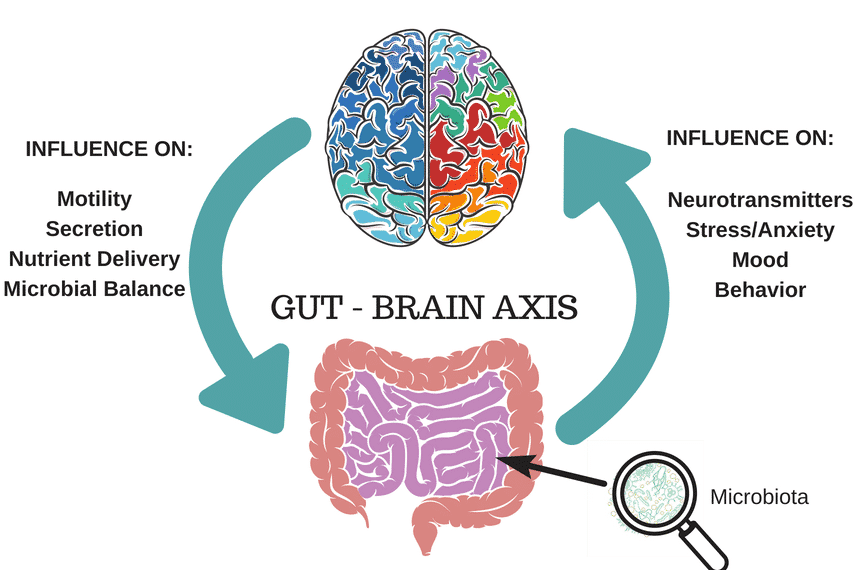
Irritable bowel syndrome (IBS) sufferers know all too well the realities of the gut-brain connection: uncomfortable or embarrassing gut symptoms cause stress, which then trigger further painful symptoms. Learn more.