
Warehouse shopping isn’t just for businesses or big families anymore. Buying in bulk can save you money, time, and stress, whether you’re a college student stocking up for the semester, a parent juggling a house full of snack-loving kids, or someone tired of last-minute grocery runs. And with grocery prices climbing over the past four years, it’s no longer just smart; it’s necessary.
Still, not everything belongs in your cart in Costco-sized quantities. Some things spoil. Some things sit on your shelf for years, untouched. But a few grocery items? You’ll thank yourself for buying more than just one. Here’s what to load up on next time you’re shopping.
Canned Tomatoes

Crushed, diced, stewed, whatever your style, canned tomatoes are essential for soups, sauces, chili, and even quick curries. They don’t spoil easily and often cost less per ounce in bulk. Think of them as the foundation for half the meals you cook when you’re tired but hungry.
Dry Pasta
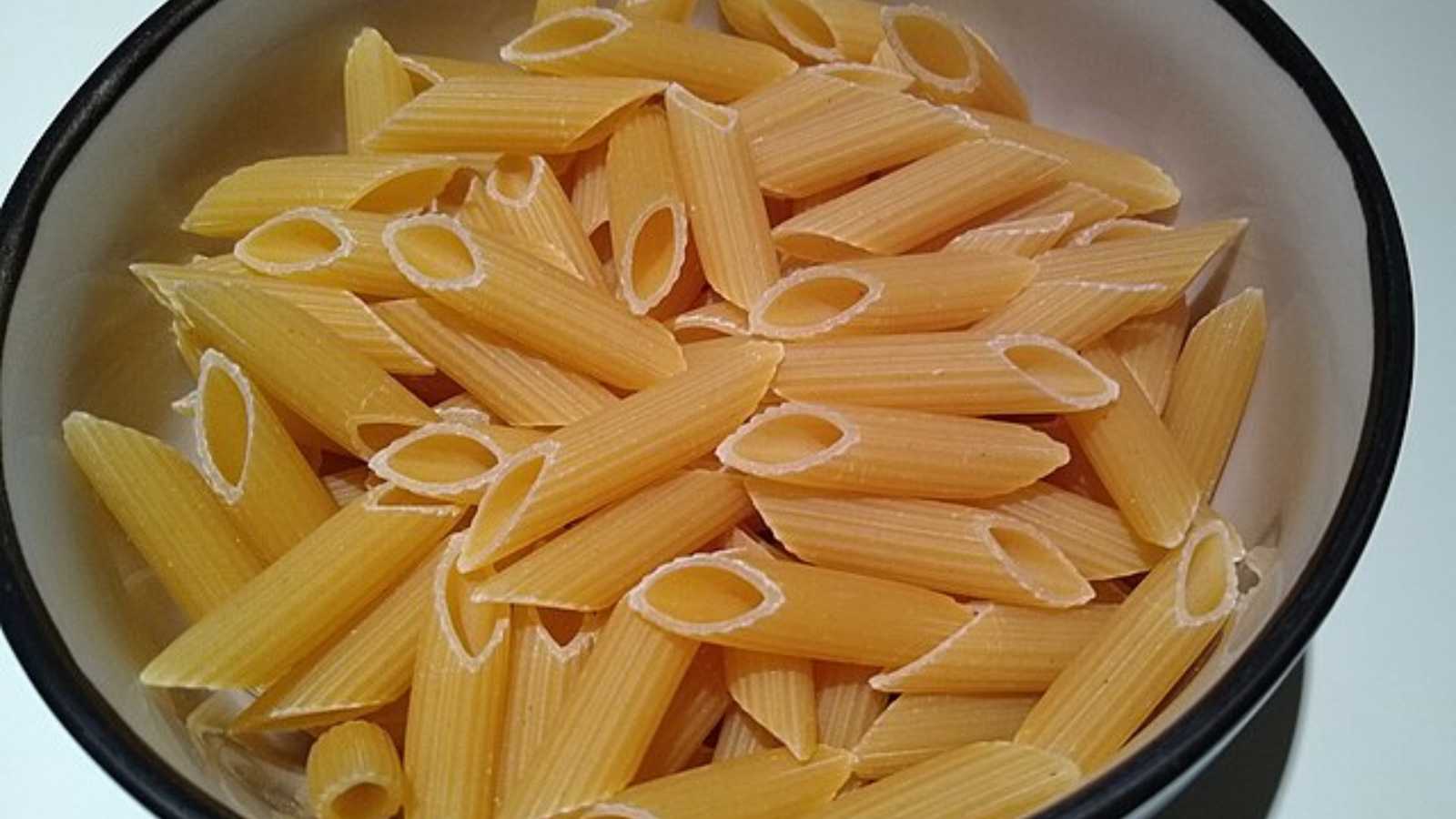
Pasta has a long shelf life and pairs well with almost any ingredient in your kitchen. A quick dinner after work? Pasta. Potluck emergency? Pasta. According to a report, dry pasta can last up to two years when stored properly. And let’s face it: you never stop needing it.
Rice
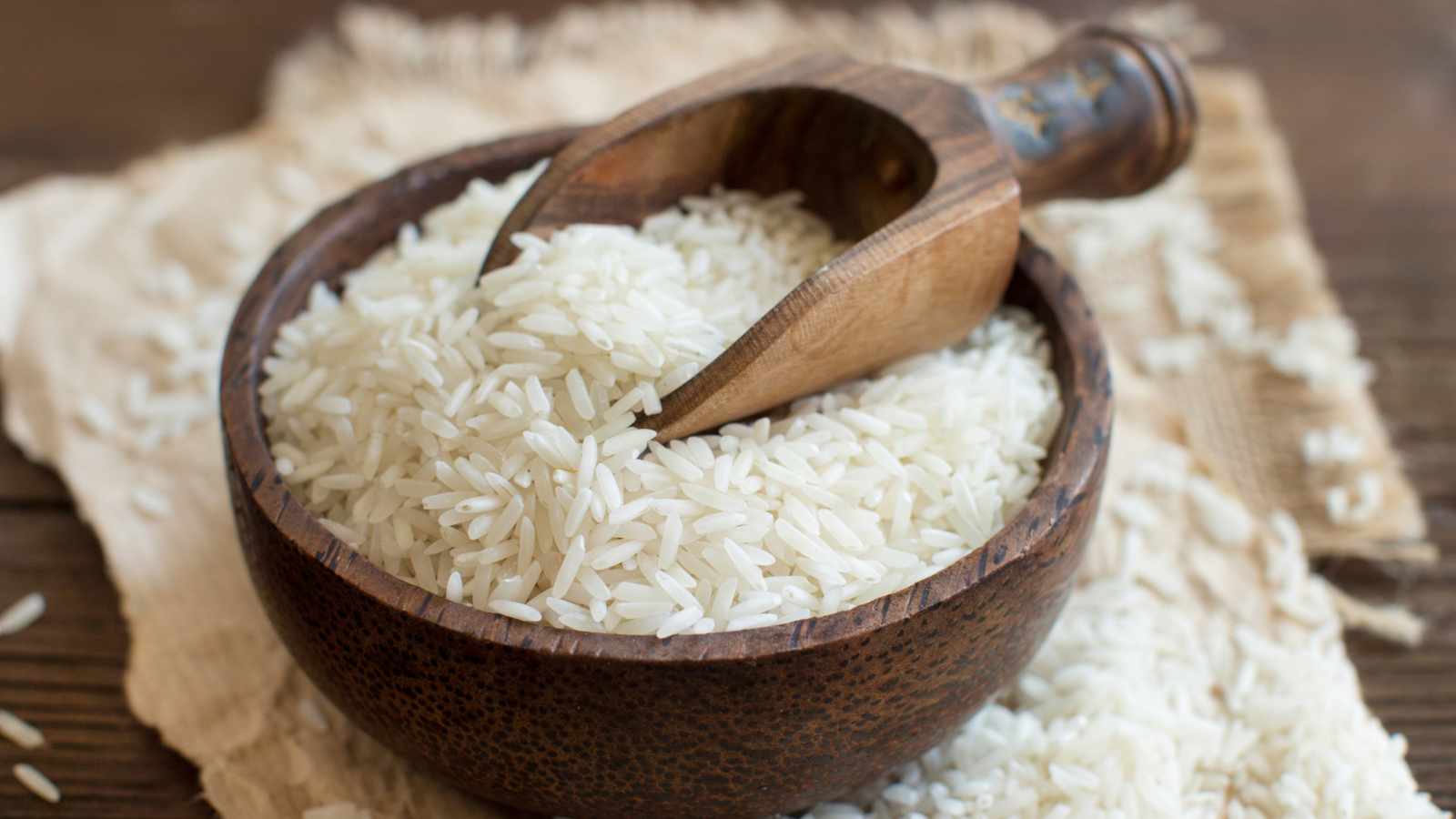
White rice, in particular, is a bulk superstar. It stays good for up to 30 years if kept airtight, but realistically, it’ll be gone way before that. It’s cheap, filling, and plays well with hundreds of recipes. Rice is one of the top items Americans consistently buy in bulk, especially during uncertain economic periods.
Oats

Oats aren’t just for breakfast. You can bake with them, turn them into flour, or make energy balls for an afternoon snack. U.S. oatmeal sales are in billions of dollars, and a large part of that comes from bulk bin buyers looking to stretch their grocery dollars.
Toilet Paper

It may not be food, but it’s still one of the most bulk-friendly household items. It’s non-perishable, universally needed, and always more expensive when bought in smaller packs. During the pandemic, toilet paper was almost as valuable as gold. It may be dramatic, but no one wants to find themselves in that kind of situation again.
Beans (Canned or Dried)

Protein-packed, budget-friendly, and incredibly versatile. Black beans, kidney beans, chickpeas; they’re a smart buy in bulk. According to Feeding America, 47 million Americans face food insecurity, and beans are one of the cheapest sources of nutrition to help fight it.
Frozen Fruit

Smoothie drinkers, this one’s for you. Fresh fruit goes bad fast, especially berries. Frozen fruit, though, can last months and keeps most of its nutrients. The National Institute of Health found that some frozen fruits retain more nutrients than their fresh counterparts after days in the fridge.
Save this article
Peanut Butter
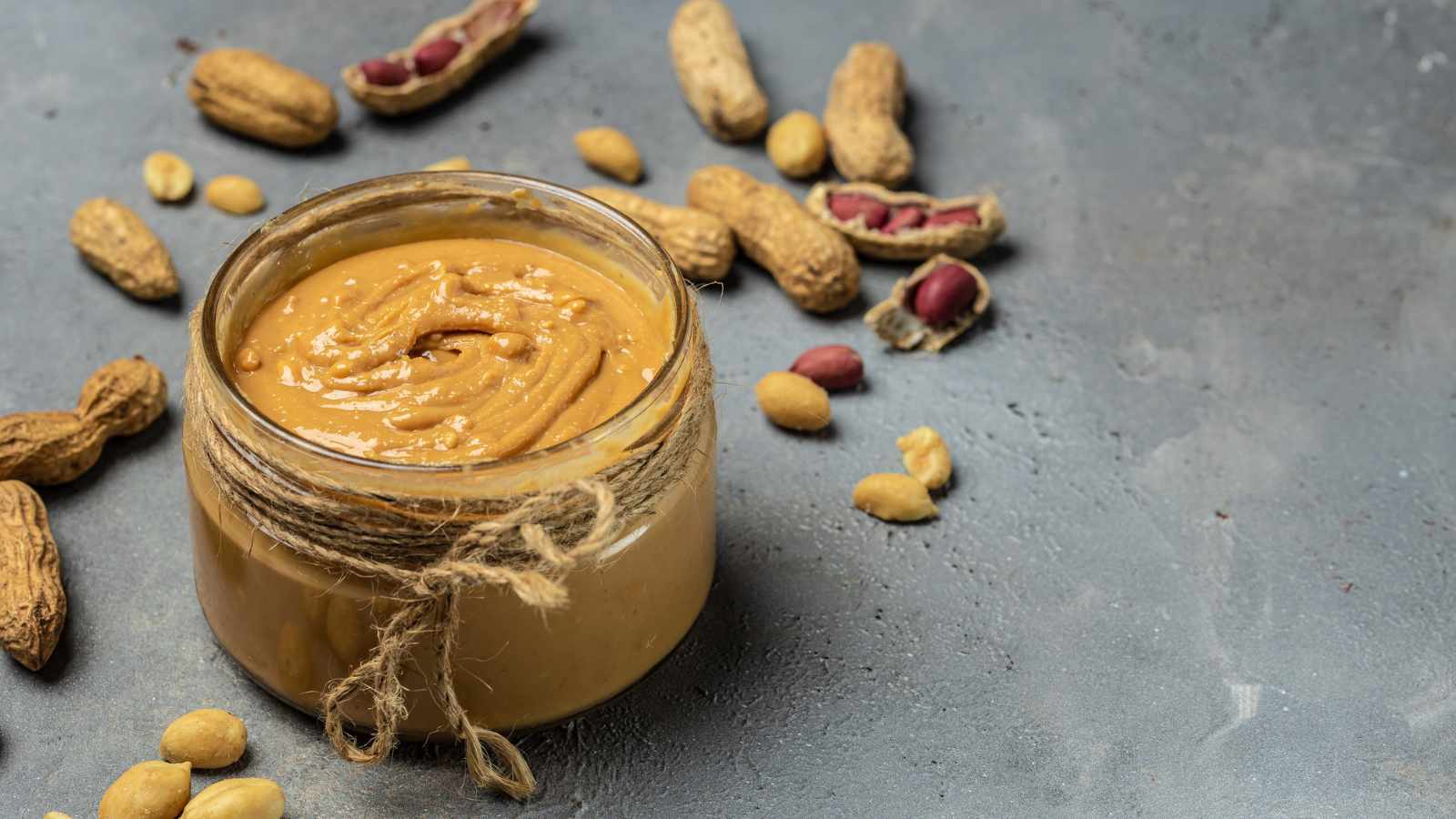
Unopened jars last a long time, and opened ones don’t go bad quickly either. It’s great for sandwiches, snacks, and baking, whether you’re a fan of creamy or crunchy. And it tends to be cheaper when bought in larger containers.
Coffee

Yes, coffee can lose flavor over time, but sealed bags of whole beans or ground coffee can stay fresh for months in the freezer. Given how expensive café coffee is, having your stash makes financial sense. The National Coffee Association reports that 66% of American adults drink coffee daily. That’s a habit worth planning for.
Nuts

Almonds, cashews, and walnuts; buying these in small bags is a waste of money. Store them in the refrigerator to keep them from going rancid. And because they’re packed with healthy fats and protein, they’re the perfect snack to keep around. According to Harvard Health Publishing, a handful of nuts a day can reduce the risk of heart disease.
Baking Essentials (Flour, Sugar, Baking Soda)

If you ever bake or want to start, having flour, sugar, and baking soda in bulk just makes sense. You don’t want to run out mid-recipe. These pantry staples also last a long time. Keep them sealed, dry, and ready for your next banana bread craving.
Disclaimer – This list is solely the author’s opinion based on research and publicly available information. It is not intended to be professional advice.
How Total Beginners Are Building Wealth Fast in 2025—No Experience Needed

How Total Beginners Are Building Wealth Fast in 2025
I used to think investing was something you did after you were already rich. Like, you needed $10,000 in a suit pocket and a guy named Chad at some fancy firm who knew how to “diversify your portfolio.” Meanwhile, I was just trying to figure out how to stretch $43 to payday.
But a lot has changed. And fast. In 2025, building wealth doesn’t require a finance degree—or even a lot of money. The tools are simpler. The entry points are lower. And believe it or not, total beginners are stacking wins just by starting small and staying consistent.
Click here and let’s break down how.
5 Easy Steps to Change Any Habit

5 Easy Steps to Change Any Habit
We all click on them with the hope that just THIS time the secret to changing a bad habit or adopting a healthy one will be revealed and we’ll finally be able to stick to that diet, stop that one or ten things that might in the moment make us feel temporarily good but really just make us fat, unhealthy, sad, mad or just frustrated with ourselves.





