

Grocery stores are quietly engineering your shopping trip, using psychological tricks that push your bill higher than you ever planned.
You’ve probably been there: a quick trip to the grocery store for “just a few things” somehow morphs into a cart overflowing with items we never intended to buy. You stand at the checkout, staring at the growing total, wondering if you accidentally sleepwalked through an auction. It turns out that feeling of bewildered overspending isn’t entirely your fault; it’s by design.
Grocery stores are masters of subtle persuasion, employing a sophisticated arsenal of psychological tactics aimed squarely at your wallet. From the moment you step through their automatic doors, you’re entering a carefully constructed environment crafted to encourage impulse buys and inflate your spending. Let’s pull back the curtain and expose some of their cleverest maneuvers.
The Grand Entrance: A Feast For The Senses

Ever notice how the first things you see are often vibrant produce, fragrant flowers, or the aroma of freshly baked bread? This isn’t random. Stores strategically place these visually appealing and aromatic items at the entrance to stimulate your senses, putting you in a positive, receptive mood. It’s like a welcoming committee for your cash, gently nudging you into a state of relaxed spending.
Milk and Eggs: The Deepest Dive

The essentials, like milk, eggs, and bread, are almost always tucked away in the furthest corners of the store. This forces you to traverse nearly every aisle, exposing you to a gauntlet of tempting products. It’s a classic retail strategy: make customers work for what they need, and they’ll pick up a few extras along the way. Think of it as a treasure hunt where the “treasure” is your everyday groceries, and the “obstacles” are alluring snack displays.
The Eye-Level is the Buy-Level

This one is simple yet incredibly effective. Manufacturers pay a premium to have their products placed at eye level, especially for popular brands or new items they want to push. What about kids? Their favorite sugary cereals are often placed at their eye level. Products placed at eye level sell 35% more than those on lower shelves. It’s a prime piece of real estate in the shopping landscape.
Sample Stations: The Taste of Temptation

Those friendly folks offering a nibble of cheese or a sip of a new drink aren’t just being hospitable; they’re creating a psychological obligation. When you accept a free sample, there’s an unspoken pressure to buy the product. Plus, a delicious taste can spark an impulse that you didn’t know you had. It’s hard to say no after you’ve just enjoyed a mini-muffin, isn’t it?
The Illusion of Scarcity

“Limited time offer!” or “While supplies last!” These phrases are designed to create a sense of urgency. Our brains are wired to perceive scarce items as more valuable. Even if you don’t desperately need that specific brand of artisanal pickles, the fear of missing out can compel you to snatch it up. It taps into our primal hunter-gatherer instincts.
Shopping Cart Size: Bigger is Better (For Them)

Go ahead and try to find a small shopping cart at your local megastore. They’re increasingly rare. Larger carts feel emptier, which subtly encourages you to fill them up. If your cart looks half-empty, you might feel like you haven’t bought enough, leading you to toss in a few more “just in case” items. Larger shopping carts lead to consumers purchasing more items. It’s a silent, spatial persuasion.
The “End Cap” Allure

Save this article
Those displays at the end of aisles, known as “end caps,” are prime real estate for impulse buys. They often feature discounted items, seasonal products, or new arrivals. Because they break up the monotony of the aisle, our eyes are naturally drawn to them. It’s where grocery stores put items they really want to move, knowing you’re more likely to grab something that stands out.
Strategic Lighting and Music

Ever notice the bright, inviting lighting in the produce section, which makes fruits and vegetables look vibrant and fresh? Or the warm, ambient lighting in the bakery? Lighting plays a significant role in determining the appeal of products. As for music, studies show that slower-tempo music encourages shoppers to move more slowly and make more purchases. A ResearchGate study found that playing slow background music in stores increased sales by 38%. They’re setting the mood, literally, for your spending spree.
The Checkout Gauntlet

Ah, the checkout line – the final frontier for your budget. This area is packed with tempting, inexpensive items: candy, magazines, gum, batteries, and those little gadgets you never knew you needed. After a long shop, your willpower is often at its lowest, making you susceptible to these last-minute impulse purchases. It’s a clever tactic to squeeze out those last few dollars. A recent survey showed that 27% of shoppers admit to making impulse purchases. The checkout line might be the reason.
Pricing Psychology: The Charm of the “.99”

You’re probably familiar with prices ending in .99, like $9.99 instead of $10.00. This “charm pricing” makes us perceive the item as significantly cheaper than it actually is. Our brains tend to focus on the first digit, making $9.99 feel much closer to $9 than to $10. It’s a simple trick, but decades of retail use prove its enduring power over our purchasing decisions.
Loyalty Programs: More Than Just Points

Those loyalty cards offering points or discounts seem like a win-win, right? While they do offer savings, they also provide stores with invaluable data about your shopping habits. This data helps them personalize offers, leading to increased purchases. Furthermore, the promise of future savings often encourages larger basket sizes in the present. You might think you’re getting a deal, but they’re building a profile of every purchase you make. In fact, BusinessDasher reports that customers with loyalty cards spend, on average, 20% more than those without them.
Disclaimer – This list is solely the author’s opinion based on research and publicly available information. It is not intended to be professional advice.
How Total Beginners Are Building Wealth Fast in 2025—No Experience Needed

How Total Beginners Are Building Wealth Fast in 2025
I used to think investing was something you did after you were already rich. Like, you needed $10,000 in a suit pocket and a guy named Chad at some fancy firm who knew how to “diversify your portfolio.” Meanwhile, I was just trying to figure out how to stretch $43 to payday.
But a lot has changed. And fast. In 2025, building wealth doesn’t require a finance degree—or even a lot of money. The tools are simpler. The entry points are lower. And believe it or not, total beginners are stacking wins just by starting small and staying consistent.
Click here and let’s break down how.
5 Easy Steps to Change Any Habit
5 Easy Steps to Change Any Habit
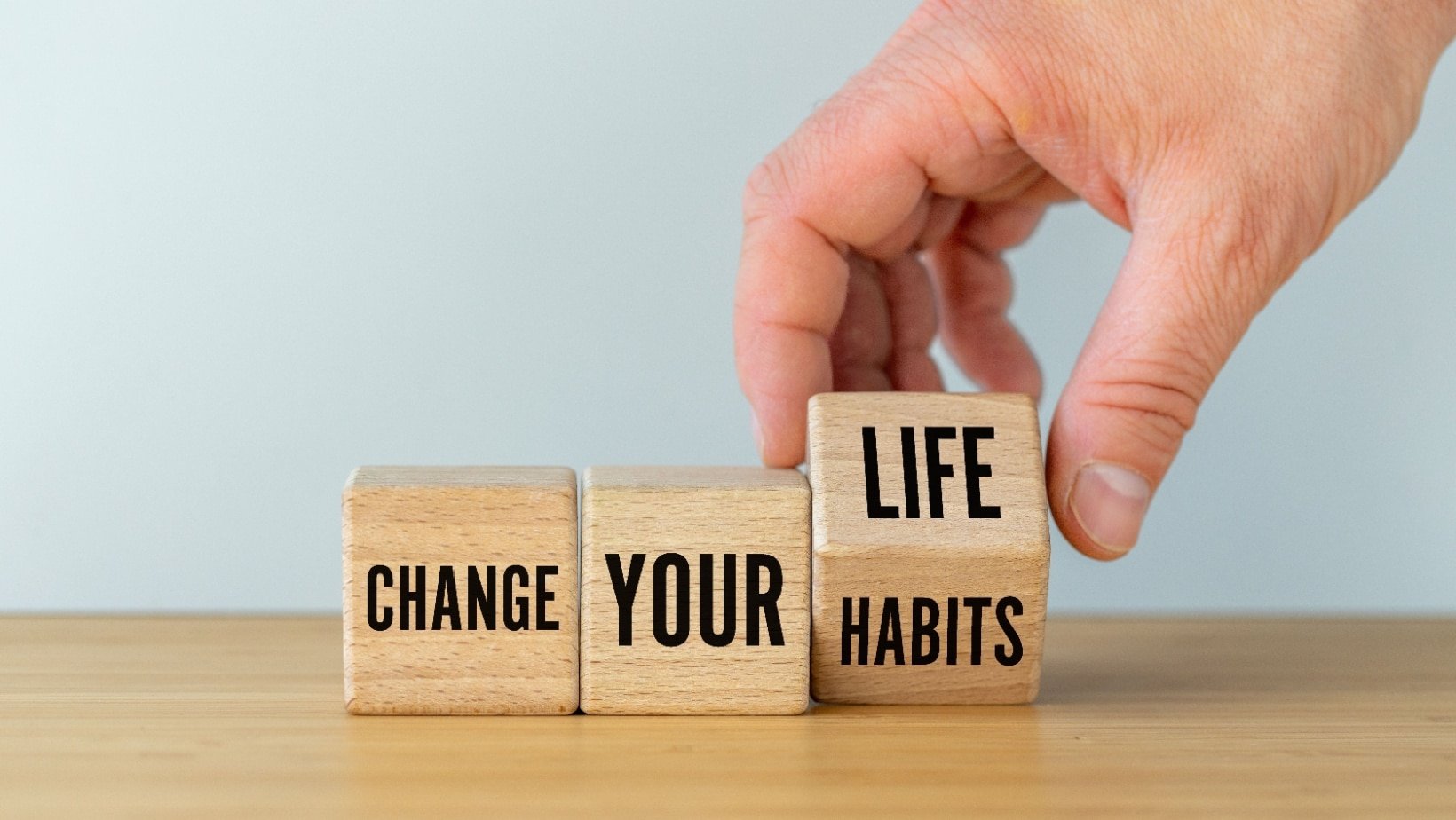
We all click on them with the hope that just THIS time the secret to changing a bad habit or adopting a healthy one will be revealed and we’ll finally be able to stick to that diet, stop that one or ten things that might in the moment make us feel temporarily good but really just make us fat, unhealthy, sad, mad or just frustrated with ourselves.





