What if the golden years brought a surprise, a desire for true solitude that feels less like loneliness and more like freedom? According to the Pew Research Center, U.S. adults age 60 and older live alone for more than half of their waking hours, on average, about 7 hours each day, with those living alone spending over 10½ hours every day in isolation.
And, even deeper, some describe this time as “soul-nourishing.” It is not a matter of mere withdrawal or depression; it is instead the recognition that we are entering into a re-orientation of priorities where independence, relationships, and personal satisfaction mean something entirely different.
These shifting dynamics of aging can help inform how we think about the needs and aspirations of an ageing population. Given this reasoning, here are 11 reasons that show how solitude can be an option and a state of satisfaction.
Financial Freedom Unlocks Personal Choices

People have spent 30 or 40 years working, and, in some ways, at least, increased financial independence comes to people who approach retirement age. Household Head age 65-74 has a $1.79 million median net worth compared to Household Head age 35-44 $ with a median net worth of $549,600, according to the Federal Reserve. It also provides some financial stability, allowing for greater personal freedom.
The practical implications are not the only ones affected; there is also a psychological aftermath. Older adults arrange their social lives according to their desires rather than economic realities, drastically altering how they perceive companionship and isolation.
Health Challenges Reshape Social Priorities

As our bodies age, our energy changes, and often, older adults find their days spent restoring energy through solitude. The Centers for Disease Control and Prevention reports 93% of older adults have at least one chronic condition, with the majority living with multiple conditions, likely overusing their medication.
These health facts lead to a reinterpretation of how many spoons one has, as well as a gradual understanding of the impact one activity has on your energy levels for the rest of the day.
This transition is a form of sociable, sensible living, rather than hiding from time. Similarly, countless older adults experience a surge in aliveness and presence in chosen social interactions because they have learned to respect their physical limitations by intentionally investing time alone.
Technology Transforms Solitude Into Connection

Older adults can now enjoy rich social relationships that don’t require in-person interactions. According to the Pew Research Center, 90% of adults aged 65 and older report using the internet or email, while just over half of those aged 75 and older do.
With this technological bridge, physical solitude is no longer accompanied by social isolation. As they age, adults can manage the scope of their social interactions — diving in deep if and only if they wish to; otherwise, relishing the solitude at heart, they sit, surrounded by them.
Decades of Experience Clarify True Preferences

To contrast the changes in our personality, decades of life experience teach us what we really enjoy and value versus what we think we should. Some family members still picture their elderly relatives as being more socially active. However, earlier social behavior may have been more career-driven, parenting-specific, or simply out of social expectation rather than a genuine preference.
Retirement Removes Social Performance Pressure

According to the Bureau of Labor Statistics, the average American workday is 8.8 hours long and filled with social interactions, which are, in many respects, obligatory by virtue of professional need more than personal desire.
This new lease on life enables older adults to socialize only when they wish, rather than when their job or social circle dictates it. This usually feels like finally becoming reacquainted with who they naturally are under a lifetime of professional masking.
Naturally, Expectations Change Due to Grief and Loss

Loss is a much larger part of our lives as we grow older, and many people find that it is easier to cope with feelings of grief when they have some solace than when they feel pressure to perform specific social tasks.
The same desire for silence, in mourning, often transitions into a preference for general reflection on the quieter commuting routes. Older people are usually those who determine that their emotional processing is better done in seclusion. So many older adults discover a lifelong love of solitude long after acute grief periods have passed.
Grandparents‘ Responsibilities
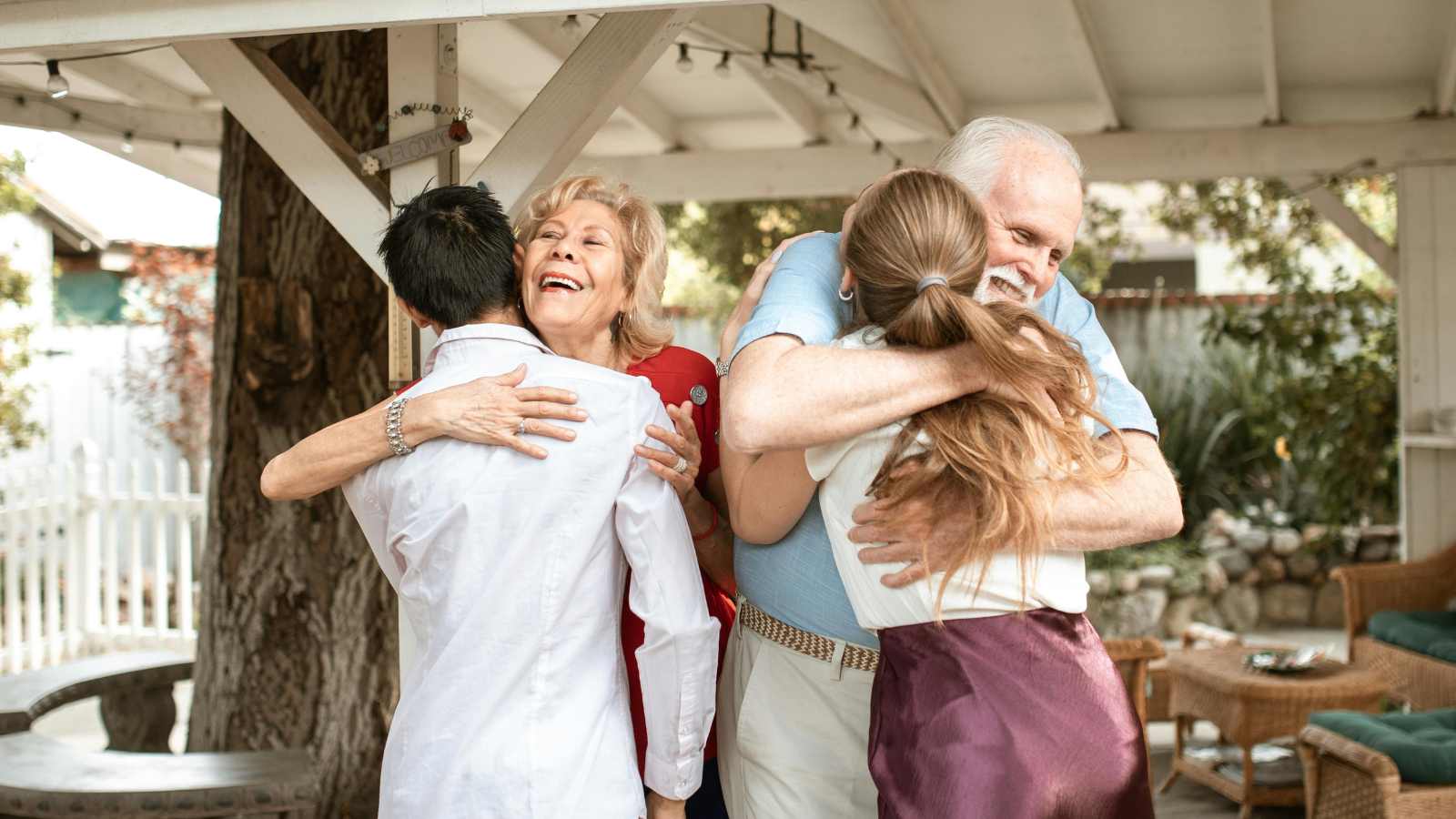
Grandparents spend a combined $179 billion annually, according to AARP, on their grandkids, or an average of about $2,562 per grandparent. The money is being used to cover a wide range of spending needs or desires, from paying for gifts and education to household expenses.
The alignment of significantly more high-energy grandparent time versus the restful solitude time offers an experienced contrast to older adults, reminding them of the importance of both. Many people find that their alone time makes them more present, patient, and able to cope with their family interactions.
Save this article
Reduced Social Filtering Eliminates Draining Relationships

Now, more than ever, as we age, our margin for relationships where we settle feels like an obligation instead of a genuine connection. With that basic social drive muted, the energy previously spent maintaining lukewarm social connections becomes available for more meaningful pursuits, such as deeper relationships with chosen friends and family or solitary interests.
Physical Spaces Become Personal Sanctuaries

As we age, our homes become more than just shelter; they often become the result of a carefully curated environment that supports our way of life. Older adults usually develop a deeper appreciation for their physical environments, transforming their homes into carefully curated spaces that support their preferred lifestyle.
When coupled with feelings of inadequacy or anxiety around relationships and time, the added support from our habitat for solitude is welcome, as it provides evidence that what we need is to be alone rather than go out.
Reflection Encourages Spiritual and Philosophical Development

Solitary reflection and contemplation are often associated with aging individuals who have developed deep spiritual or philosophical interests. According to the Pew Research Center’s Religious Landscape Study, only 49% of adults aged 65 and over say that religion or spirituality has become more important to them as they age.
This is reflected in equal numbers attending religious services relatively frequently and spending time reflecting on their own, without engaging in group religious activities.
Legacies Shift Priorities Towards Meaningful Activities

Many older adults also experience an increase in awareness of mortality, which leads them to invest more heavily in activities that establish a legacy and often require continued solitude. The time and mental space for these legacy projects—writing family histories, organizing photos, creating art, or documenting life lessons—are unlikely to happen in group activities.
In a qualitative mixed-method study of community-dwelling adults aged 65+, participants reported that awareness of mortality causes them to deliberate and desire creating a legacy of values, like life lessons, values, or autobiographical messages.
Key Takeaways

The embrace of aloneness signals a profound shift. It is not a decline in social life for older adults, but rather one of the most profound transitions to occur throughout adulthood. When weaving together grief processing, grandparent energy requests, relationship filtering, customized surroundings, spiritual growth, and legacy focus, it makes a strong case for the proactive choice of solitude as your desired way of living.
This evidence highlights a deeper distinction between loneliness and solitude, suggesting that one could argue it fosters the praiseworthy ability to choose what is good for our well-being, as many have already noted in their happiest days.
Disclaimer – This list is solely the author’s opinion based on research and publicly available information. It is not intended to be professional advice.
16 Grocery Staples to Stock Up On Before Prices Spike Again
16 Grocery Staples to Stock Up On Before Prices Spike Again
I was in the grocery store the other day, and it hit me—I’m buying the same things I always do, but my bill just keeps getting higher. Like, I swear I just blinked, and suddenly, eggs are a luxury item. What’s going on?
Inflation, supply-chain delays, and erratic weather conditions have modestly (or, let’s face it, dramatically) pushed the prices of staples ever higher. The USDA reports that food prices climbed an additional 2.9% year over year in May 2025—and that’s after the inflation storm of 2022–2023.
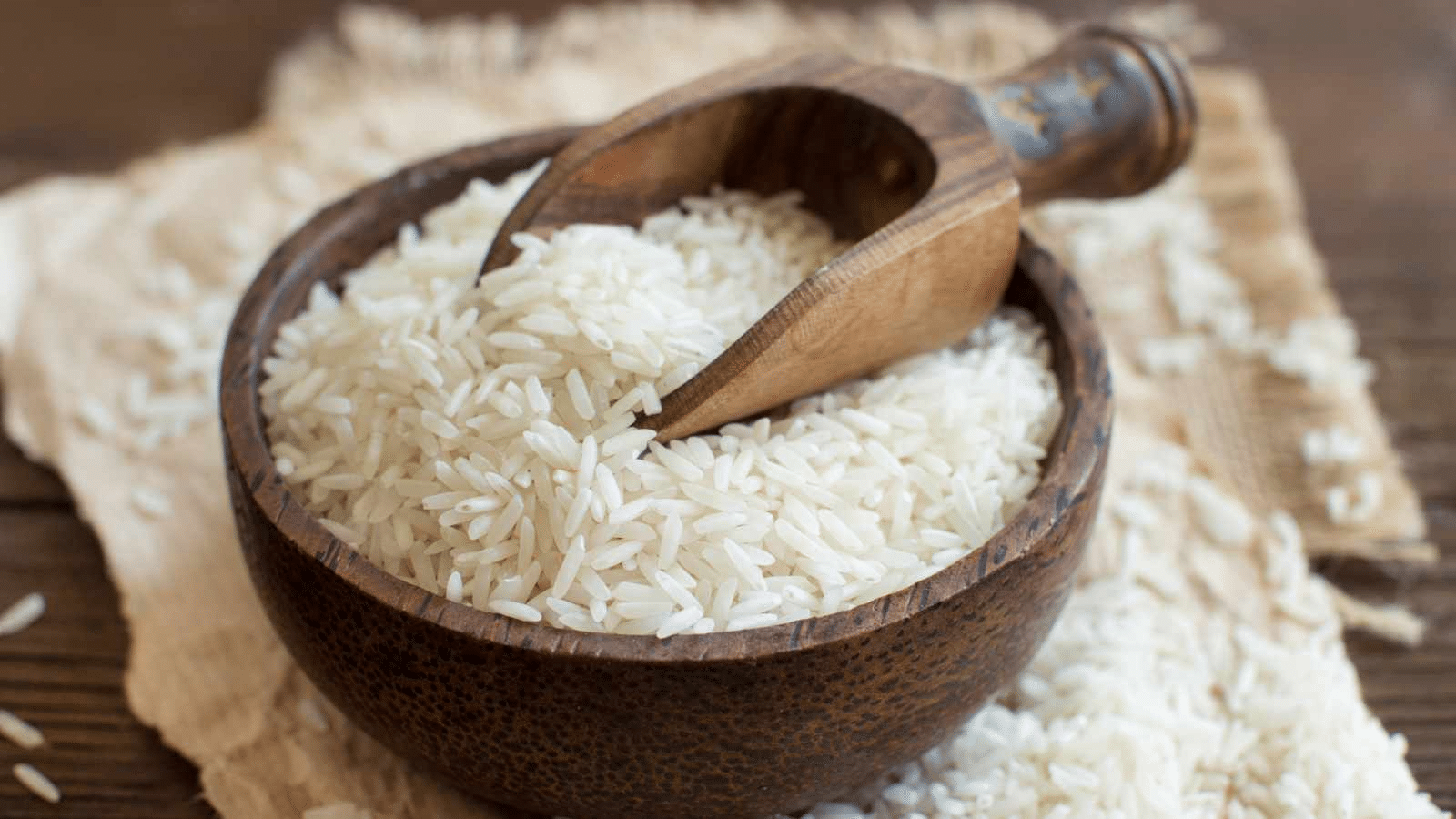
So, if you’ve got room in a pantry, freezer, or even a couple of extra shelves, now might be a good moment to stock up on these staple groceries—before the prices rise later.
6 Gas Station Chains With Food So Good It’s Worth Driving Out Of Your Way For

6 Gas Station Chains With Food So Good It’s Worth Driving Out Of Your Way For
We scoured the Internet to see what people had to say about gas station food. If you think the only things available are wrinkled hot dogs of indeterminate age and day-glow slushies, we’ve got great, tasty news for you. Whether it ends up being part of a regular routine or your only resource on a long car trip, we have the food info you need.
Let’s look at 6 gas stations that folks can’t get enough of and see what they have for you to eat.