

Small shifts in timing, posture, and diet can significantly reduce nighttime reflux, yet many people unknowingly double down on the worst triggers.
Nighttime heartburn is more than just annoying; it can disrupt sleep, leave your chest burning, and make you dread going to bed. As people get older, reflux and gastroesophageal reflux disease (GERD) become more common, especially when the muscles that keep stomach acid where it belongs get weaker.
Lifestyle habits around your evening meal and bedtime routine play a major role in whether acid sneaks back up your esophagus during the night. The good news is that many of the worst nighttime triggers are fixable, once you know what to look for and which small changes can give you a quieter, more comfortable night.
Eating A Big Dinner Right Before Bed

fleetwood71 via 123RF
Doctors used to recommend long lists of “off‑limits” foods for GERD, but newer advice emphasizes timing and portion size just as much as ingredients. Mayo Clinic and other experts suggest waiting at least two to three hours after eating before lying down, so gravity has time to help move food through the stomach. A very large or heavy dinner right before bed fills the stomach, increases pressure, and makes it easier for acid to travel upward when you lie flat.
Mayo Clinic explains that simple lifestyle changes like smaller meals and not lying down soon after eating can help manage both reflux and GERD.
Lying Flat On A Low Pillow

When you lie completely flat, stomach contents have an easier path up into the esophagus. Mayo Clinic recommends elevating the head of the bed or using a wedge to keep the upper body raised, rather than just stacking pillows under your head. A slight incline uses gravity to your advantage and can noticeably reduce nighttime reflux episodes for many people.
Raising the head of the bed as a home remedy can reduce acid reflux at night.
Sleeping On Your Right Side

Some research and clinical guidance suggest that sleeping on your left side may reduce reflux compared with the right side. This position helps keep the junction between the esophagus and stomach above the level of stomach acid. While no position is perfect for everyone, swapping from right to left can be a low‑effort test if you often wake up with burning or regurgitation.
Wearing Tight Waistbands Or Shapewear To Bed

Tight clothing around the abdomen can increase pressure on the stomach and lower esophageal sphincter, making reflux more likely. GERD lifestyle recommendations consistently include avoiding tight belts and waistbands, especially near mealtimes and during sleep. Looser pajamas or sleepwear that doesn’t cinch at the waist can be a simple, comfortable adjustment.
Late‑Night High‑Fat Comfort Food

High‑fat meals and snacks—like fried foods, creamy dishes, and rich desserts—are frequent offenders when it comes to heartburn. Fatty foods can relax the valve between the esophagus and stomach, and they tend to stay in the stomach longer. Choosing a lighter, lower‑fat evening meal and saving heavier dishes for earlier in the day can significantly reduce nighttime burning for many people.
A Mayo Clinic primary‑care article on GERD lists high‑fat foods and eating close to bedtime as two key habits to change to reduce reflux.
Drinking Several Beverages Before Bed

Fluids are important, especially for older adults, but loading up on drinks right before lying down can overfill the stomach. Carbonated drinks can add gas and pressure, and certain beverages like alcohol and caffeinated coffee can also weaken the valve that keeps acid in the stomach. Spacing fluids earlier in the evening and keeping late sips small and non‑carbonated may help.
Save this article
Regular Nightcaps Or Evening Alcohol

Alcohol can increase acid production and relax the lower esophageal sphincter, making reflux more likely. For some people, even moderate evening drinking is enough to trigger nighttime heartburn, particularly when combined with a heavy meal. If you suspect alcohol is a trigger, shifting any drinks earlier in the day or cutting back can be an important experiment.
Late‑Night Chocolate, Peppermint, Or Spicy Foods

Classic trigger lists for GERD often include chocolate, peppermint, acidic foods, and spicy dishes. Newer recommendations suggest focusing on your individual triggers, but many people still find these foods worsen nighttime symptoms. If heartburn seems worse on nights you have these foods, especially late, it may be worth limiting them close to bedtime.
Having A Cigarette Before Bed

Smoking can impair the function of the lower esophageal sphincter and increase acid production. GERD management advice repeatedly includes quitting smoking as a key lifestyle change. Even if you’re not ready to quit, skipping evening cigarettes may reduce your worst nighttime symptoms.
Going Straight To Bed Stressed And Overfull
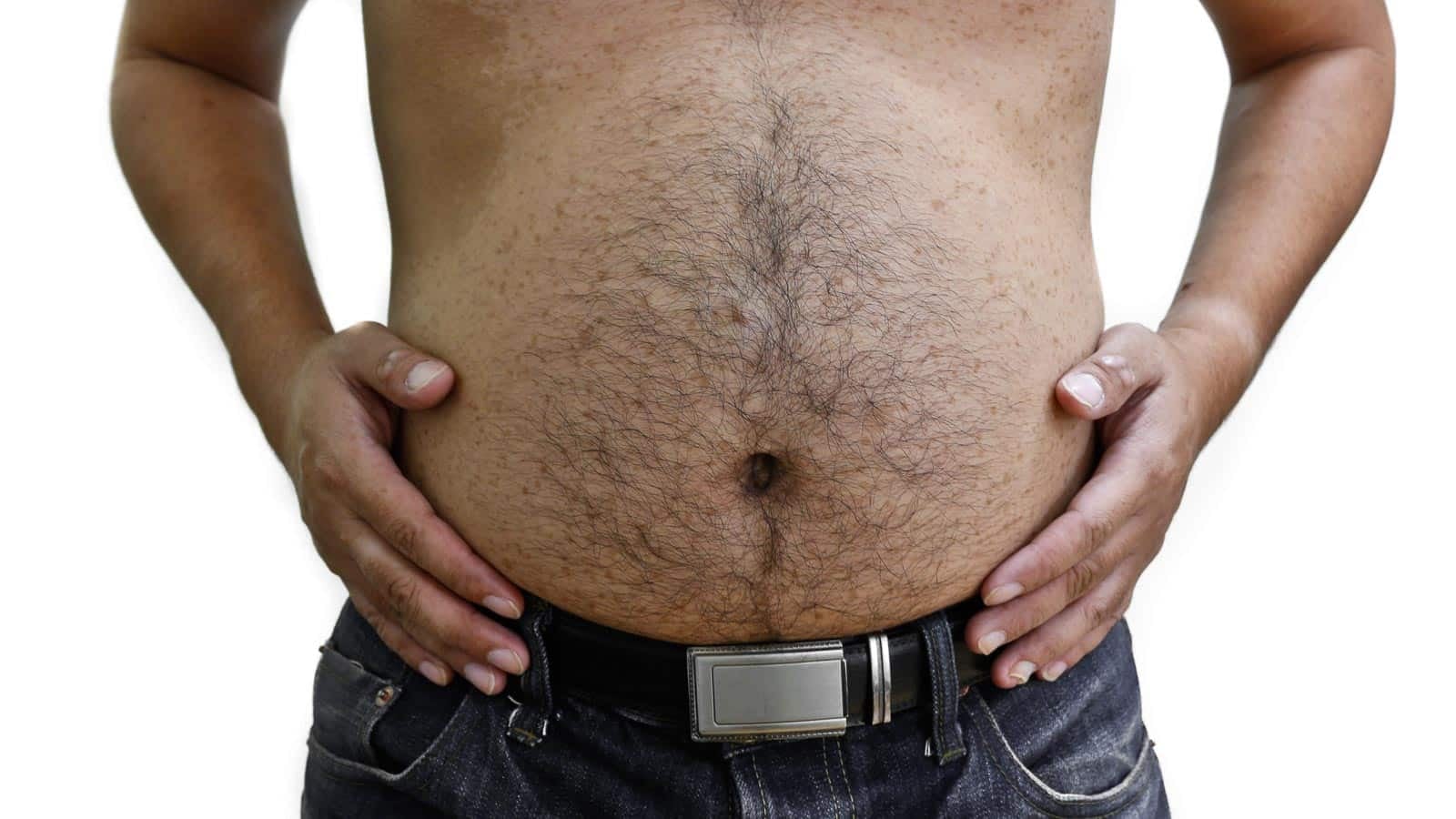
Stress doesn’t cause GERD by itself, but it can increase awareness of symptoms and encourage behaviors—like overeating—that make reflux worse. Eating quickly when anxious, then lying down immediately, stacks multiple risk factors together. A short wind‑down period with lighter food, gentle movement, or relaxation techniques can help your body shift into “rest and digest” mode.
Treating Persistent Nighttime Heartburn As “Just Normal”

Occasional reflux is common, but frequent nighttime heartburn, trouble swallowing, or unexplained weight loss are red flags that deserve medical attention. Long‑standing, untreated GERD can increase the risk of complications in the esophagus. If you have tried basic changes and still struggle with night symptoms, checking in with a healthcare provider is the safest next step.
A Calmer Night – Closing Takeaway

Nighttime heartburn often has a pattern, and once you know your personal triggers, evenings can feel much less unpredictable. Combining smaller, earlier dinners with a more upright sleeping position and looser clothing can make a surprisingly big difference. If symptoms continue to interfere with sleep or quality of life, that’s your cue to bring your experience—and the changes you have already tried—to your doctor for tailored support.
Disclosure: This article was developed with the assistance of AI and was subsequently reviewed, revised, and approved by our editorial team.
How To Manage GERD, Acid Reflux or Heartburn Symptoms When You Have IBS

Gastroesophageal reflux disease (GERD) aka acid reflux or heartburn and functional gastrointestinal disorders (FGIDs) are common health conditions.
Irritable bowel syndrome (IBS) is a type of FGID that often overlaps with GERD or functional heartburn (FH). Learn more.





