

Despite its reputation as a foolproof breakfast staple, bacon is one of the most commonly botched foods in the kitchen.
Bradley’s Fine Diner statistics indicate that the average American consumes approximately 18 pounds of bacon per year, equivalent to roughly 950 slices or 44 packages annually. That breaks down to about three strips per week, making it a regular part of many diets. I’ll be honest—bacon is one of those foods I’ve ruined more times than I’d like to admit.
One morning, it’s burnt to the point of looking like kindling, the next, it’s floppy and greasy, sitting sadly on the plate. What I’ve learned is that cooking bacon isn’t really about skill; it’s about patience, minor adjustments, and avoiding a few sneaky mistakes. So, if you’ve ever wondered why your bacon didn’t turn out as perfect as the commercials make it look, read on.
Starting with a hot pan

Many people toss bacon straight into a sizzling skillet, but that’s a fast way to ruin the texture. Starting bacon in a cold pan allows the fat to render slowly, beginning around 140°F (60°C), while the meat browns at higher temperatures, closer to 230°F (110°C).
This staggered heating lets the fat melt and coat the pan before the meat sears, preventing burnt edges and undercooked centers. It’s a small change, but it transforms bacon from chewy disappointment to plate-worthy perfection.
Keeping the heat too high

Cranking the heat up to full blast feels like a shortcut, but it almost always backfires. High heat scorches the meat while leaving the fat undercooked, creating a mix of burned and rubbery bites. Medium or medium-low is the sweet spot for even rendering.
Research on meat proteins indicates that lower temperatures help maintain both structure and flavor, which explains why slower cooking methods often result in better-tasting meat. In short, turn the dial down and let the bacon work its magic.
Overcrowding the pan

If you’re feeding a crowd, it’s tempting to line every inch of the skillet with bacon. The problem is that bacon needs space to crisp, and crowding traps steam instead. That steam keeps the strips soggy, no matter how long you cook them.
It’s better to cook in batches or switch to a sheet pan if you’re making more at once. Giving each slice breathing room makes the result worth the wait.
Skipping the oven method

The stovetop gets all the attention, but the oven might secretly be the bacon champion. According to structured cooking guides, baking at 400°F for 15–20 minutes yields evenly crisped strips without the need for constant flipping. It also reduces stovetop splatter, which is a win for anyone who hates scrubbing grease.
Oven cooking allows fat to render more evenly, especially when bacon is placed on a rack. This setup lets grease drip away from the meat, resulting in less residual fat compared to pan-frying, where bacon sits in its own rendered fat. If you’ve never tried it, this method feels almost effortless in comparison.
Cooking straight from the fridge

Cold bacon strips don’t cook as evenly as ones that have rested a few minutes at room temperature. The drastic temperature difference between fridge-cold meat and a hot pan causes curling and uneven browning.
Allowing the bacon to sit out for 10 minutes helps it cook more evenly. Food safety experts say that short resting times like this are fine as long as the room isn’t overly warm. That little pause makes the difference between perfect strips and inconsistent results.
Forgetting the rack

Lining a sheet pan with foil works, but putting a wire rack on top takes bacon to the next level. With the rack, fat drips away instead of pooling under the strips. That little bit of air circulation helps each piece crisp evenly.
It’s also a clever way to reduce some of the extra grease without sacrificing flavor. In fact, a 2024 analysis by The Kitchen Today found that fried bacon contains approximately 3.5 grams of fat per slice, while baked bacon contains approximately 2.5 grams of fat per slice. For anyone who likes bacon extra crunchy, the rack trick is a game-changer.
Not trimming excess fat

Thick-cut bacon can have large chunks of fat at the edges, and leaving them on can make the strips curl awkwardly. A quick trim with kitchen scissors helps the slices stay flatter as they cook.
This doesn’t mean removing all the fat—after all, it’s part of the flavor. However, removing the bulky pieces allows the final product to cook more evenly. It’s a small prep step that pays off in appearance and texture.
Never flipping the strips

Even bacon cooked in the oven benefits from a flip halfway through. Without it, one side becomes darker, while the other remains pale and soft. A quick turn maintains a balanced texture from edge to edge.
Save this article
It’s a small step that adds maybe 30 seconds to your process. And honestly, who doesn’t want both sides of the strip to taste equally delicious?
Draining on paper towels only

Most of us lay bacon on paper towels to blot the grease, but there’s a downside. Paper towels can trap steam underneath, which softens the edges you worked so hard to crisp. A better approach is to rest bacon briefly on a wire rack or even a clean brown paper bag.
This allows airflow while still absorbing excess fat. You’ll notice the crunch holds up longer, even after a few minutes on the plate.
Not saving the drippings

Some people pour bacon grease straight down the drain, but that’s both a plumbing hazard and a missed flavor opportunity. Bacon fat can be stored in a sealed container and used for cooking vegetables, eggs, or even popcorn.
A tablespoon adds rich flavor without the need for butter or oil. Data shows that bacon grease contains about 115 calories per tablespoon, so moderation is key. Still, it’s a kitchen bonus that shouldn’t go to waste.
Flipping too often

On the other hand, constantly fussing with bacon can do more harm than good. Turning it every few seconds keeps it from forming that golden, crispy surface.
Bacon doesn’t need babysitting—it just needs a bit of trust. Flipping once or maybe twice is usually enough. Sometimes, less attention really does make for better food.
Forgetting carryover cooking

Bacon continues to crisp even after it is removed from the pan. Taking it off the heat when it looks just shy of done helps you avoid overcooking. Carryover cooking happens because the fat stays hot for several minutes.
This explains why bacon sometimes goes from perfect to too dark in seconds. Letting it finish on a rack or plate gives you control over the final texture.
Key takeaways

Patience and temperature matter most. Starting with a cold pan and maintaining a medium-low heat allows the fat to render slowly, resulting in crispy bacon with evenly cooked edges and tender fat.
Space and method make a big difference. Overcrowding leads to soggy strips, while the oven method—or using a rack—creates evenly crisp results with less mess.
Handling bacon properly improves texture. Letting it rest before cooking, flipping only once or twice, and remembering carryover cooking all help achieve that perfect crunch.
Don’t waste the extras. Trimming bulky fat before cooking helps bacon lay flat, and saving the drippings gives you a versatile, flavorful cooking fat for other dishes.
Disclaimer – This list is solely the author’s opinion based on research and publicly available information. It is not intended to be professional advice.
16 grocery staples to stock up on before prices spike again
16 Grocery Staples to Stock Up On Before Prices Spike Again
I was in the grocery store the other day, and it hit me—I’m buying the same things I always do, but my bill just keeps getting higher. Like, I swear I just blinked, and suddenly eggs are a luxury item. What’s going on?
Inflation, supply-chain delays, and erratic weather conditions have modestly (or, let’s face it, dramatically) pushed the prices of staples ever higher. The USDA reports that food prices climbed an additional 2.9% year over year in May 2025—and that’s after the inflation storm of 2022–2023.
So, if you’ve got room in a pantry, freezer, or even a couple of extra shelves, now might be a good moment to stock up on these staple groceries—before the prices rise later.
6 gas station chains with food so good it’s worth driving out of your way for
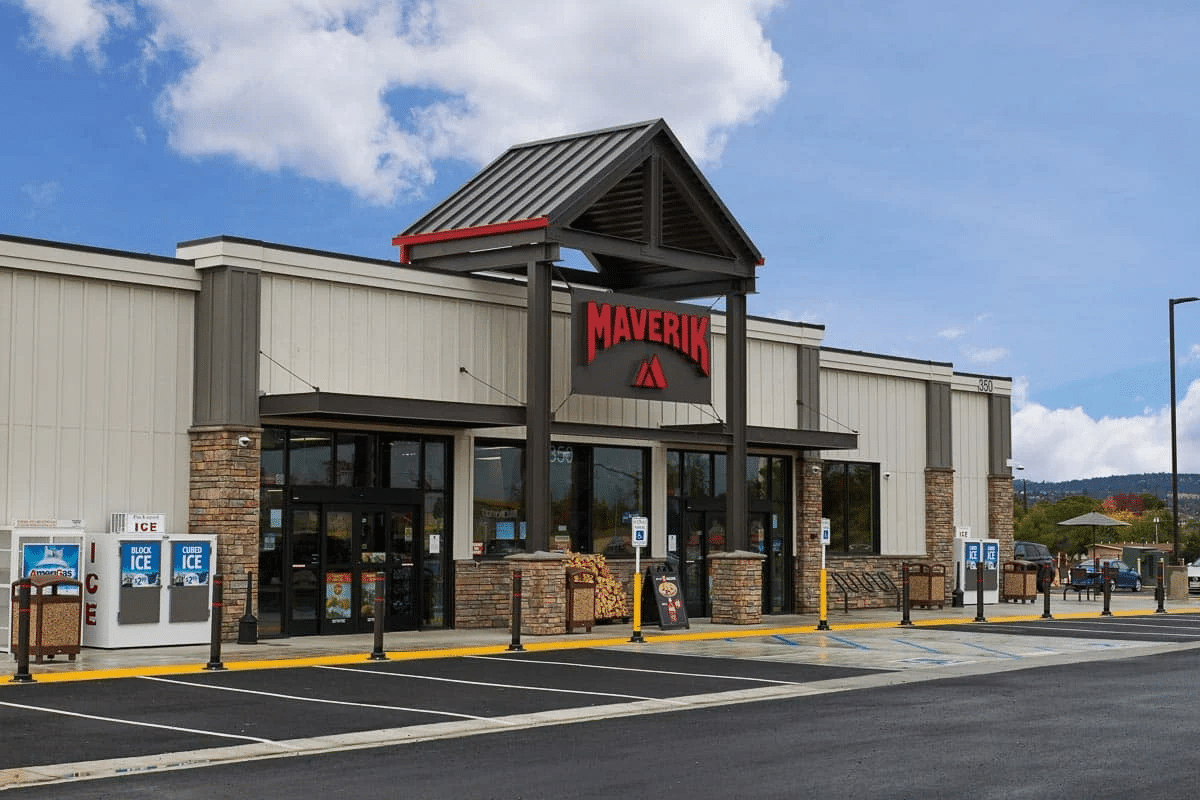
6 Gas Station Chains With Food So Good It’s Worth Driving Out Of Your Way For
We scoured the Internet to see what people had to say about gas station food. If you think the only things available are wrinkled hot dogs of indeterminate age and day-glow slushies, we’ve got great, tasty news for you. Whether it becomes part of a routine or your only resource on a long car trip, we have the food information you need.
Let’s look at six gas stations that folks can’t get enough of and see what they have for you to eat.





