

Grocery staples are hitting shocking price points that leave shoppers questioning every item in their cart.
Grocery shopping can feel like a game of Russian roulette for your wallet. You head to the store with a list, but somehow you leave with an empty bank account and a receipt that looks like a phone number. In a time when every penny counts, it’s a good idea to reconsider where your money is going.
Sure, a splurge here and there is fine, but some common food items have prices that are just baffling. It’s time to discuss the foods that give us sticker shock and make us wonder if we’re paying for the food or for a tiny piece of the company’s actual property.
Premade Guacamole

Why is a small cup of premade guacamole so expensive? We’re talking about avocados, lime juice, onion, and cilantro. It’s not rocket science. A single avocado might cost a couple of dollars, but that tiny container of “guac” can go for six or seven bucks. It’s like they’re charging for the privilege of not mashing your own avocados. You’re better off buying the ingredients and whipping them up yourself in five minutes.
Single Serving Oatmeal Packets

These little packets seem convenient, but they are a rip-off. They’re full of sugar and preservatives, and they cost way more than a large container of old-fashioned oats. That’s a lot for something you can easily make and customize with fresh fruit or honey at home.
Bottled Water

This one is a classic. You’re literally paying for something that comes out of your tap for pennies. The markup on bottled water is astronomical. A 16.9-ounce bottle of water can cost anywhere from $1 to $3, while a gallon of tap water costs less than a penny. In fact, bottled water is 2000 times more expensive than tap water; it’s the ultimate convenience fee. Just buy a reusable water bottle and fill it up. It’s better for your wallet and the environment.
Pre-cut Fruits and Vegetables
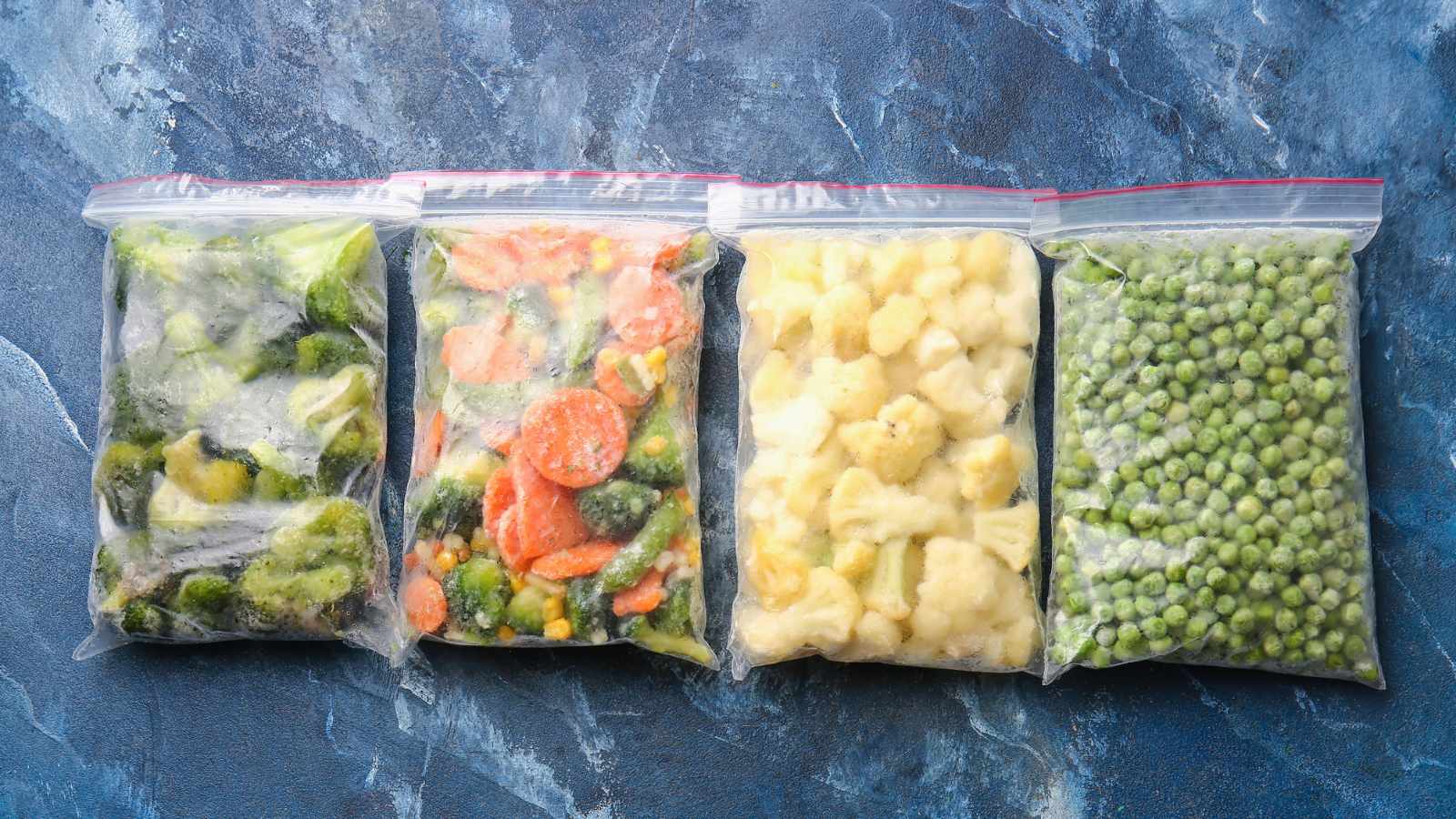
We get it; life is busy. However, pre-cut fruit and vegetable trays can be a budget killer. That container of diced pineapple, which costs $8, is probably made from a whole pineapple that costs $3. Not only are you paying a premium for someone else to do the chopping, but these items often spoil faster. They’re great in a pinch, but a regular habit of buying them will drain your grocery budget in no time.
Fancy Coffee Drinks

That $7 latte from the coffee shop is a delicious treat, but it adds up fast. If you’re buying one every weekday, you’re spending about $35 a week. Over the course of a year, that’s $1,820! You can buy a coffee maker, a bag of good beans, and some milk for less than the cost of a few weeks’ worth of lattes. Making your own coffee at home gives you more control over the flavor and saves a lot of money.
Small Spice Jars

The spice aisle is a trap. You walk in, see those tiny little jars, and think, “How much could this cost?” A small jar of cumin might be $5, but a bag of the same spice from a bulk store is a fraction of that price. Buying spices in small quantities is expensive. According to a report from the grocery analytics firm Circana, grocery inflation is approximately 30% higher than in 2019, but that doesn’t mean spices and seasonings have to cost an arm and a leg. Bulk buying is the most effective approach.
Individual Yogurt Cups

Individual yogurt cups are marketed as a grab-and-go solution, but they come at a significant cost. The price per ounce for these cups is significantly higher than that of a large tub of plain yogurt. A 32-ounce tub of plain yogurt can cost around $5, while four individual 5-ounce cups can cost the same. You’re getting less product for the same price. It’s a classic case of paying for packaging and convenience.
Pre-made Salads

Save this article
Those salads in a plastic box look so healthy and easy, but their price tag can be shocking. You’re paying for some lettuce, a few cherry tomatoes, and a tiny packet of dressing. A head of lettuce costs less than $2, and you can buy a whole bunch of other vegetables for a few more dollars. The average price of a pre-made salad is higher than the cost of making a large salad from scratch at home.
Snack Packs and Lunchables

These are a parent’s best friend on a busy morning, but the math just doesn’t add up. The tiny portions of cheese, crackers, and meat cost a lot more than if you bought those items separately. You could buy a whole box of crackers, a block of cheese, and a whole salami for the price of just a few of those.
Specialty Flours

Unless you’re a professional baker, you probably don’t need that tiny bag of almond flour for $15. These specialty flours are a huge markup. However, for most home bakers, all-purpose flour is just fine and significantly cheaper. You can get a huge bag for a few bucks that will last you for months.
Canned Soups
While canned soup is a wintertime staple, some of the prices for the “gourmet” or “organic” varieties are a little too high. You can easily make a big pot of delicious soup at home for a fraction of the cost. A gallon of homemade chicken noodle soup would cost less than a gallon of the canned variety. The choice is yours.
Smoothie Kits

These kits come with pre-measured frozen fruit and sometimes a little packet of powder. They are essentially a bag of fruit and a huge markup. Making a smoothie is one of the easiest things to do. Just buy a bag of frozen mixed berries and bananas, throw them in a blender with some yogurt or milk, and you’ve got a healthy drink for way less. These kits are often 2-3 times more expensive than buying the ingredients separately.
Disclaimer – This list is solely the author’s opinion based on research and publicly available information. It is not intended to be professional advice.
How Total Beginners Are Building Wealth Fast in 2025—No Experience Needed

How Total Beginners Are Building Wealth Fast in 2025
I used to think investing was something you did after you were already rich. Like, you needed $10,000 in a suit pocket and a guy named Chad at some fancy firm who knew how to “diversify your portfolio.” Meanwhile, I was just trying to figure out how to stretch $43 to payday.
But a lot has changed. And fast. In 2025, building wealth doesn’t require a finance degree—or even a lot of money. The tools are simpler. The entry points are lower. And believe it or not, total beginners are stacking wins just by starting small and staying consistent.
Click here and let’s break down how.
5 Easy Steps to Change Any Habit

5 Easy Steps to Change Any Habit
We all click on them with the hope that just THIS time the secret to changing a bad habit or adopting a healthy one will be revealed and we’ll finally be able to stick to that diet, stop that one or ten things that might in the moment make us feel temporarily good but really just make us fat, unhealthy, sad, mad or just frustrated with ourselves.





