When most people think of “genetic engineering,” the picture that comes to mind is a clean laboratory, white-coated scientists, and strands of DNA radiating under microscopes. However, what amazed me was that people have been modifying food for thousands of years, long before the intervention of modern science. Farmers were the first genetic engineers, spending long years carefully selecting and breeding plants to produce the foods that now seem entirely “normal” on our tables.
Take broccoli, for example, I used to think it was some wild vegetable that just grew on its own, but it’s actually the product of thousands of years of human effort. Mediterranean farmers began with some sturdy little weed called wild mustard and, through selective breeding, transformed it not just into broccoli but also into cabbage, cauliflower, kale, Brussels sprouts, and kohlrabi.
It’s remarkable to consider how, despite being engineered, broccoli is still considered a “natural” vegetable, highlighting how blurred the line is between nature and nurture in agriculture. So, if you’ve ever taken for granted that your dinner was completely “natural,” you might be in for an eye-opener.
Bananas looked nothing like the ones you peel today

If you plucked a banana from a tree thousands of years ago, you’d spit it out on the spot. Bananas back then were full of enormous, hard seeds and had hardly any of that smooth sweetness we’re familiar with today. It was through selective cultivation in areas like Papua New Guinea that farmers, over time, encouraged the development of smaller seeds and less seed and more flesh, which created the soft, seedless bananas we eat today.
In fact, the Cavendish banana, which is most familiar to us, is responsible for nearly 47% of all bananas grown globally, according to the Food and Agriculture Organization of the United Nations. Next time you slice one into your cereal, remember you’re munching on a laboriously crafted fruit that has taken centuries to develop.
Carrots weren’t originally orange

The orange carrots we snack on now weren’t natural; they were a result of our actions. The old carrots, domesticated around 1,000 years ago in Central Asia, were purple, yellow, and even white. The orange variety originated in the Netherlands, where farmers selectively bred them, at least in part to honor the House of Orange, a Dutch royal dynasty.
Fun fact: that orange pigment that makes carrots look so bright is also what raises Vitamin A, an eye goodie (though not nearly as much as that urban myth from our childhood). So, whenever you take a bite of a carrot stick, you’re munching on a morsel of food design history.
Tomatoes weren’t always red and juicy

Tomatoes first grew wild in the Andes and were berry-sized. They were yellow and sour, quite different from the red, plump ones in your caprese salad. When farmers cultivated them and disseminated them across Europe during the 16th century, they bred them to be larger, redder, and sweeter.
Surprisingly, Europeans used to believe that tomatoes were poisonous as they are a member of the nightshade family. Today, with the U.S. producing more than 33 billion pounds of tomatoes each year, they are now one of the most engineered and versatile foods available.
Corn started as a tough grass called teosinte

Corn did not start out as those plump, golden kernels you spread butter on at the barbecue. Its ancestor, teosinte, was a wild grass in Mexico with tiny, hard kernels that barely resembled today’s corn on the cob. Over the course of nearly 9,000 years, Indian farmers bred plants selectively to produce kernels that were bigger and palatable.
A Smithsonian analysis of the ancient DNA reveals that this process of domestication was far from one-dimensional. Early maize continued to crossbreed with wild teosinte, and to the surprise of everyone, completely domesticated strains appeared in South America before the process was completed in Mexico.
Nowadays, corn is one of the world’s top crops, covering over 90 million acres in the United States alone. It’s almost mind-blowing to think that this BBQ favorite started in a completely different form from the golden cob we can’t get enough of.
Wheat was created by blending grasses

Modern bread would be impossible without ancient plant testing. Modern wheat originated from the spontaneous hybridizations of wild grasses in the Fertile Crescent thousands of years ago.
Early farmers subsequently selectively bred crops that were easier to grind, resulting in better bread. Wheat now has such a hold that it is cultivated on over 200 million hectares of land worldwide, sustaining billions of people. So yes, each slice of toast is, in effect, the product of ancient genetic engineering.
Watermelons used to look completely different

If you looked at a watermelon from 5,000 years ago in Egypt, you would barely recognize it. Ancient artwork suggests that they were small, pale green, and not nearly as sweet or juicy as the variety we eat today. Farmers have slowly bred watermelons to possess the signature red flesh and high sugar levels that we adore.
A 2015 genetic analysis published in Annals of Botany by Harry S. Paris confirmed just how much we messed with their DNA to make it sweeter and more refreshing. In essence, those sweet summer slices are the work of thousands of years of careful tweaking.
Apples weren’t always sweet

If you took a bite from a wild apple a thousand years ago, you’d probably pucker up with disappointment. Prehistoric apples from Central Asia were tiny and sour, more like crabapples than the crunchy Honeycrisp you can grab now.
Farmers bred varieties for centuries based on size, sweetness, and crunch. Interestingly, apples do not breed true from seed, which means that each tree is technically a one-of-a-kind genetic experiment. That explains why there are over 7,500 apple varieties globally.
Almonds were once dangerously bitter

Munching on wild almonds in the good old days would have been a ghastly error. They contained amygdalin, a chemical that disintegrates into cyanide when consumed, far from snack material. Farmers discovered how to grow sweeter, nonpoisonous almond varieties, so you can enjoy them today without fear of harm.
Almonds are now a massive global crop, especially in California, which produces around 80% of the world’s almonds. In 2022, the U.S. exported $4.5 billion worth of almonds globally, as reported by the USDA. Crazy to think that your almond milk latte started from food that was initially considered poisonous.
Cucumbers weren’t always crunchy and refreshing

Save this article
Wild cucumbers had a bitter taste and spines, unlike the ones used as a salad topping. Indian farmers domesticated them around 3,000 years ago, slowly breeding them for crunch and edible flavor.
Today’s cucumbers bear little resemblance to their wild ancestors. And fun fact: cucumbers are about 95% water, making them one of the most hydrating snacks to crunch on. That refreshing crunch is literally ancient technology perfected.
Peanuts were born from two plants becoming one

The history of the peanut is a little romantic; it’s a hybrid form. Scientists have discovered that peanuts originated from two separate wild plants that combined their DNA naturally in South America. Those early farmers later cultivated and refined them into the snack we know today.
Today, peanuts are just so popular that Americans eat about 7 pounds per capita each year, mostly as peanut butter. It’s hard to believe that this rich spread on your morning toast began with a timeless farm love story.
Eggplants used to be tiny and spiky

Ancient Southeast Asian eggplants were unlike the gleaming purple ones found at your grocery store. They developed in unusual shapes and sizes, often covered with bristly thorns. Through selective cultivation, farmers managed to reduce bitterness, enlarge them, and achieve smoother textures.
Today, eggplants come in a wide variety of colors, except for blue, white, green, and striped ones, but the purple ones are disseminated all over the world. It’s one of the prime instances of how humans cultivated a wild plant into a kitchen staple.
Potatoes didn’t look like the French fry stars we love

The origins of potato cultivation date back to Peru’s Andes Mountains, where early varieties were rudimentary and came in unusual colors and shapes. They were not fluffy or bland like potatoes today, but sometimes bitter to taste. Farmers cultivated variations that were larger, less toxic, and more beneficial through selective breeding.
Potatoes are the fourth-largest food crop in the world, following rice, wheat, and corn. The next time you bite into fries, know that they’re the product of a 7,000-year evolution of agriculture.
Rice was refined into thousands of varieties
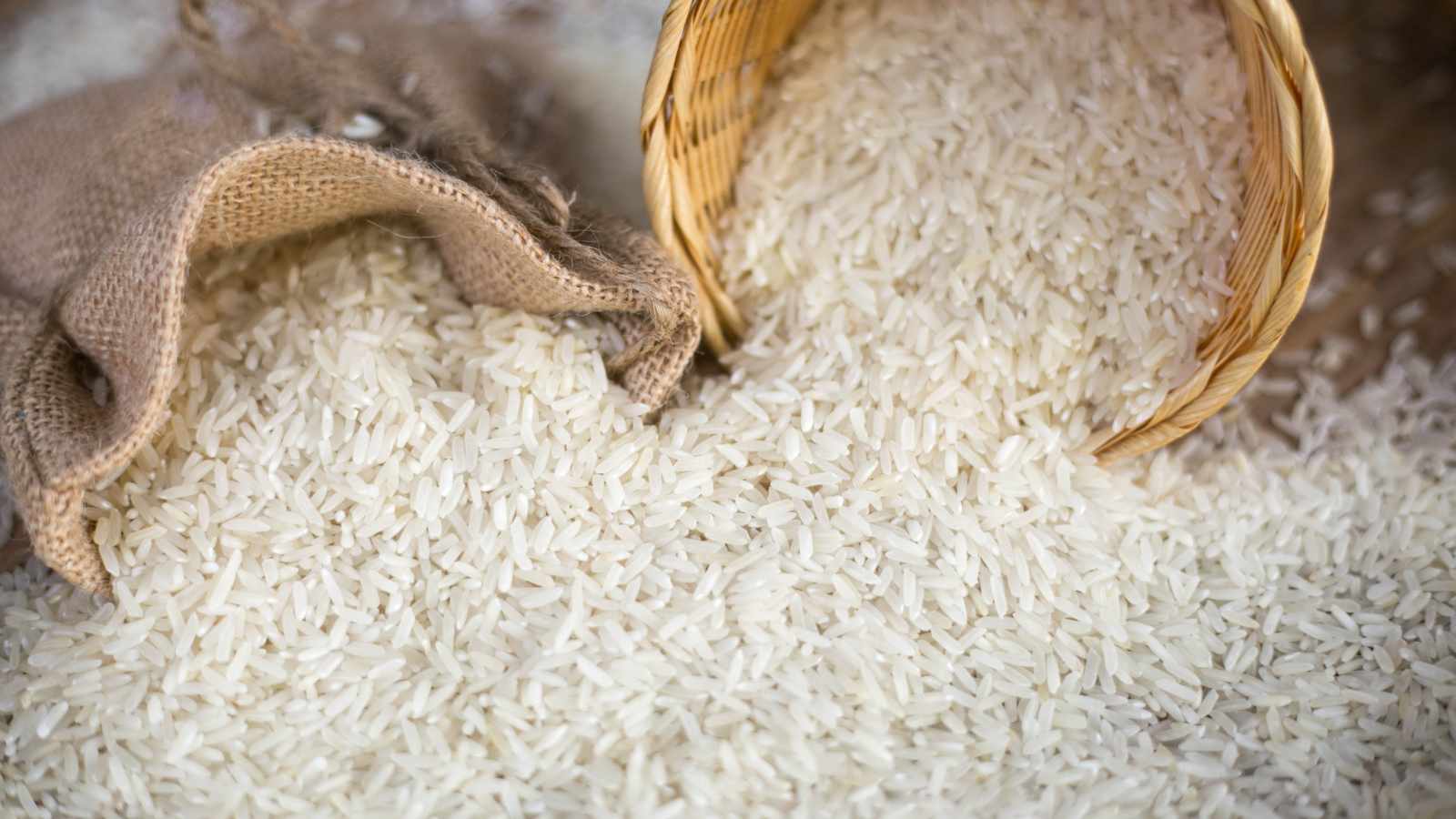
Rice did not originally start off as the homogeneous white grains we usually get today. Asian wild rice contained hard hulls and could not be easily harvested or prepared. Farmers selectively bred plants over several tens of thousands of years, resulting in varieties that were softer, more easily prepared, and of higher yield.
Today, rice is a staple for over 3.5 billion people globally, making it one of the most widely cultivated foods on Earth. With every spoonful you consume, you’re part of an agricultural saga dating back 10,000 years.
Key takeaways

Many of our favorite foods bear little resemblance to their wild ancestors. Bananas had huge seeds, carrots were white or purple, tomatoes were yellow and tiny, and watermelons were bland and pale.
Selective breeding turned dangerous or unappetizing plants into safe staples. Almonds were toxic, while wild eggplants and cucumbers were spiny and bitter. Early potatoes contained toxic compounds, but farmers cultivated safer, more edible varieties over time.
Staple crops were shaped through ancient hybridization and cultivation. Wheat was formed from blending wild grasses, peanuts from an accidental plant merger, and rice from coarse wild grains refined into thousands of varieties.
Human intervention made foods bigger, sweeter, and more versatile. Apples have become crunchy and diverse, corn developed from hard-to-eat teosinte grass, and Cavendish bananas and starchy potatoes are contemporary types that resulted from centuries of farm improvement.
Disclaimer – This list is solely the author’s opinion based on research and publicly available information. It is not intended to be professional advice.
16 Grocery Staples to Stock Up On Before Prices Spike Again
16 Grocery Staples to Stock Up On Before Prices Spike Again
I was in the grocery store the other day, and it hit me—I’m buying the exact same things I always do, but my bill just keeps getting higher. Like, I swear I just blinked, and suddenly eggs are a luxury item. What’s going on?
Inflation, supply-chain delays, and erratic weather conditions have modestly (or, let’s face it, dramatically) pushed the prices of staples ever higher. The USDA reports that food prices climbed an additional 2.9% year over year in May 2025—and that’s after the inflation storm of 2022–2023.
So, if you’ve got room in a pantry, freezer, or even a couple of extra shelves, now might be a good moment to stock up on these staple groceries—before the prices rise later.
6 Gas Station Chains With Food So Good It’s Worth Driving Out Of Your Way For
6 Gas Station Chains With Food So Good It’s Worth Driving Out Of Your Way For
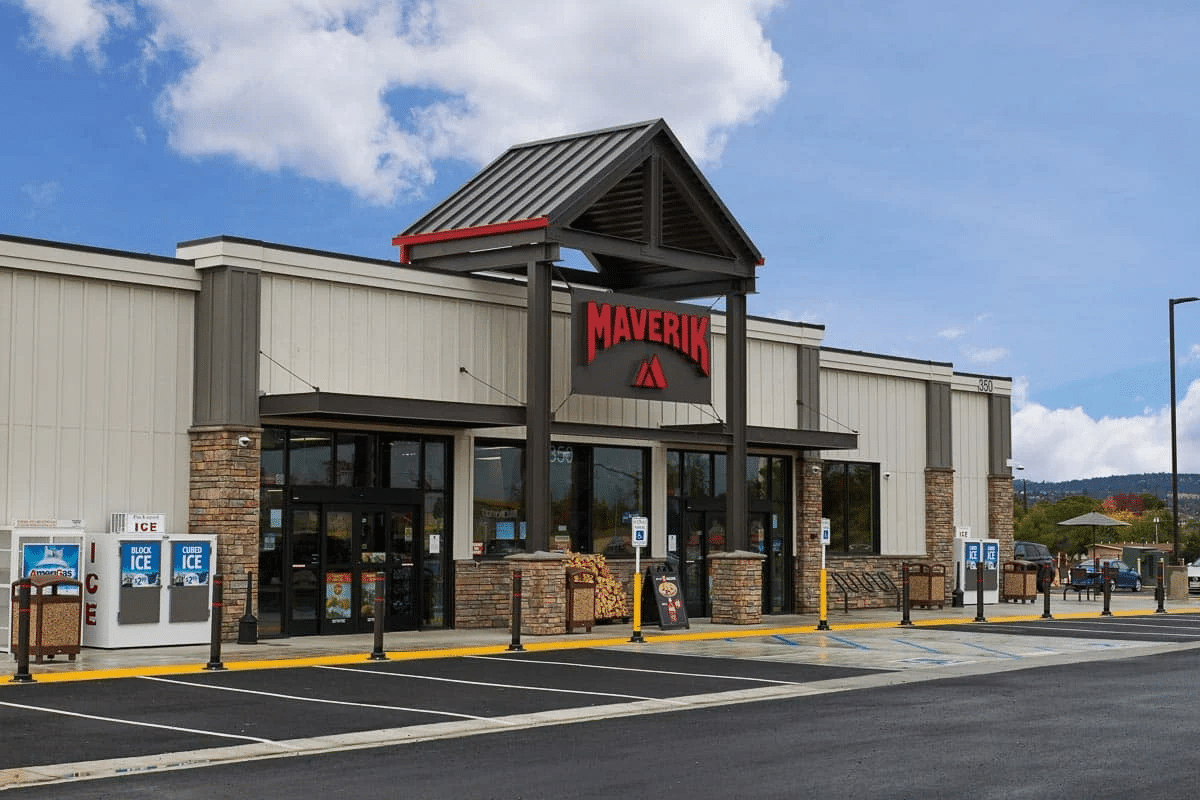
We scoured the Internet to see what people had to say about gas station food. If you think the only things available are wrinkled hot dogs of indeterminate age and day-glow slushies, we’ve got great, tasty news for you. Whether it ends up being part of a regular routine or your only resource on a long car trip, we have the food info you need.
Let’s look at 6 gas stations that folks can’t get enough of and see what they have for you to eat.