

You probably think you’ve got the grocery storage game all figured out. Milk goes in the fridge. Bread goes in the pantry. Fruit goes in the fruit bowl. But the truth is, a lot of us are storing everyday items in ways that shorten their shelf life, mess with their flavor, or invite bacteria we’d rather not meet.
Don’t beat yourself up. You’re not the only one putting tomatoes in the fridge or onions next to potatoes. Not many Americans have researched proper food storage methods. Let’s fix that. Your food (and your wallet) will thank you.
Tomatoes

Tomatoes lose their flavor when chilled. Cold temps mess with the texture, too, turning them mealy. Instead, leave them on the counter out of direct sunlight. If they’re already ripe, eat them within a few days. Refrigerate only when they’re on the verge of spoiling.
Onions
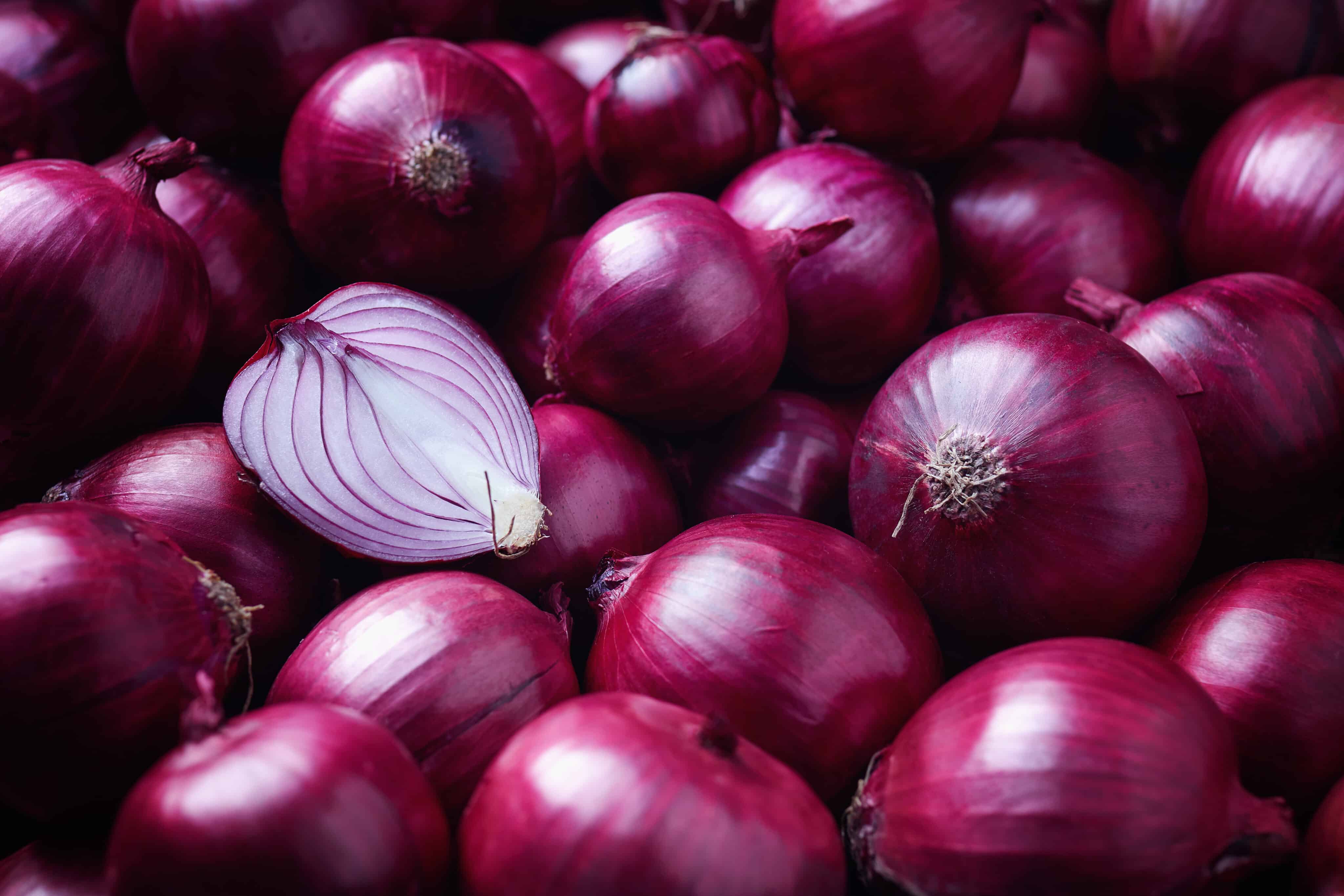
Keep onions in a cool, dark, dry spot. Not in the fridge and not in a plastic bag. And never store them next to potatoes. Potatoes release moisture and gas that can spoil onions faster. Use a mesh bag or open basket instead.
Bread

Fridge = fast track to stale bread. Cold temperatures dry it out. Keep bread at room temperature in a breadbox or paper bag. For longer storage, freeze it. According to the USDA, bread stays fresh in the freezer for up to 3 months without losing much quality.
Potatoes

Light and cold are detrimental to potatoes. Cold converts their starch into sugar, making them gritty and oddly sweet. Store them in a paper bag or cardboard box in a cool, dark place like a pantry or cupboard, not the fridge.
Garlic
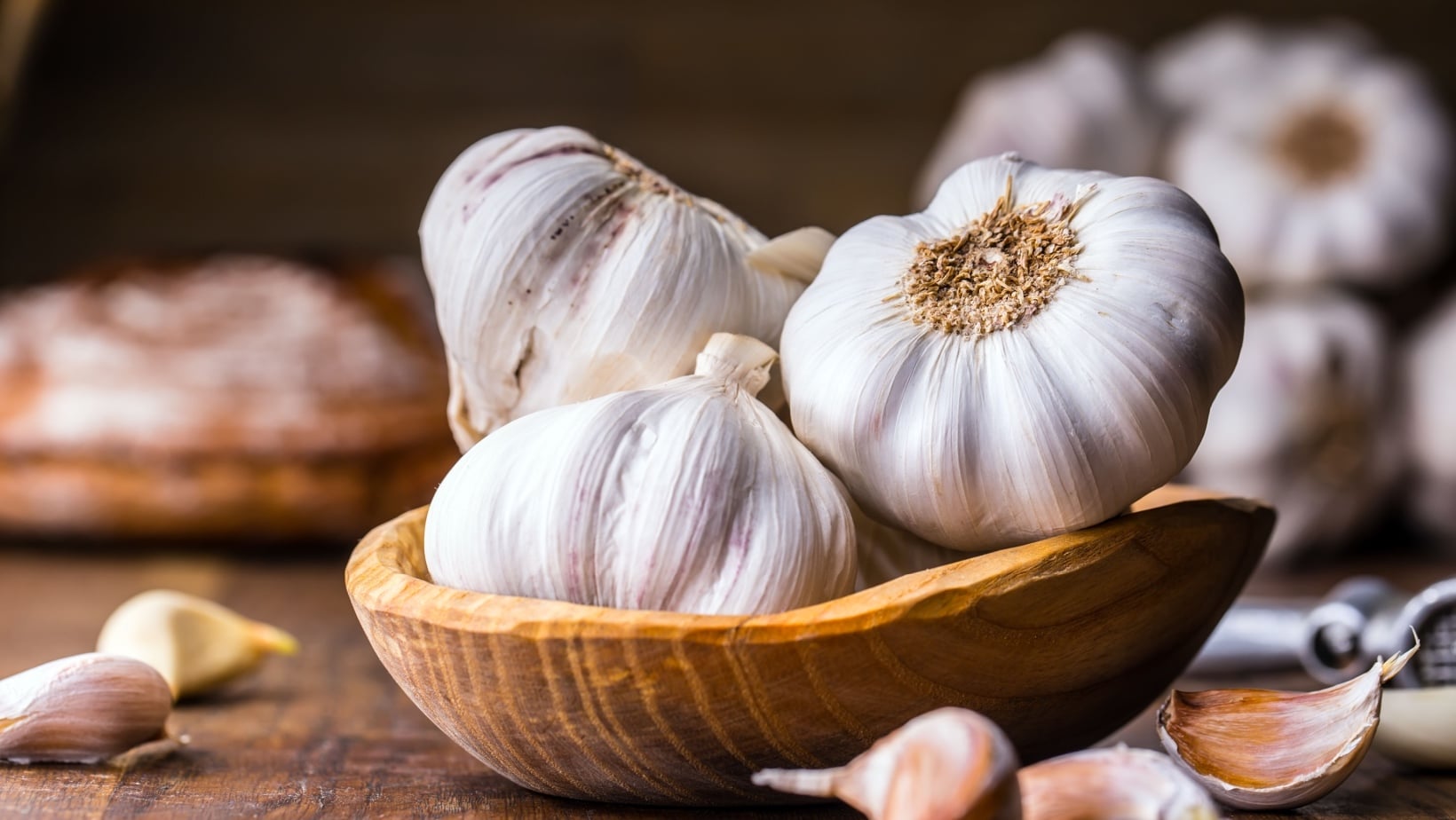
Garlic needs air to stay good. Don’t put it in the fridge or seal it up tight. Store whole heads in a breathable container at room temperature. A ceramic garlic keeper or even a paper bag works just fine. Refrigeration can cause sprouting and rubbery cloves.
Coffee

Coffee doesn’t belong in the fridge or freezer. It absorbs moisture and smells from everything around it. Store your beans or grounds in an airtight container in a cool, dark cabinet. T helps maintain peak flavor longer.
Apples

This one surprises people. Apples give off ethylene gas, which speeds up the ripening and rotting of other produce. Keep them in the fridge crisper drawer away from bananas, leafy greens, and berries. Apples can last up to 6 weeks this way.
Bananas
Save this article
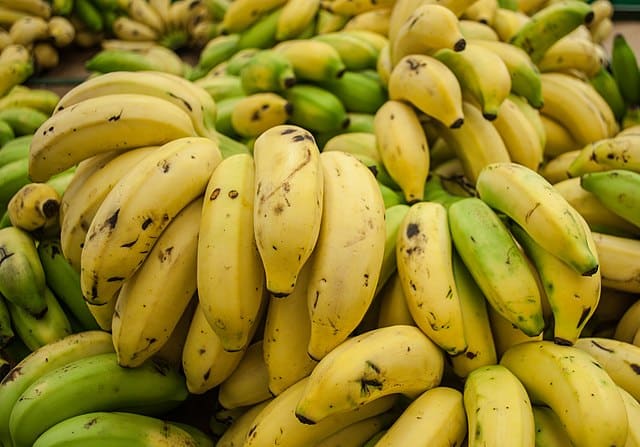
Bananas are tropical and hate the cold. Refrigerating them turns the skin black and stops the ripening process. Leave them on the counter, and if they’re getting too ripe, peel and freeze them for smoothies or banana bread.
Avocados
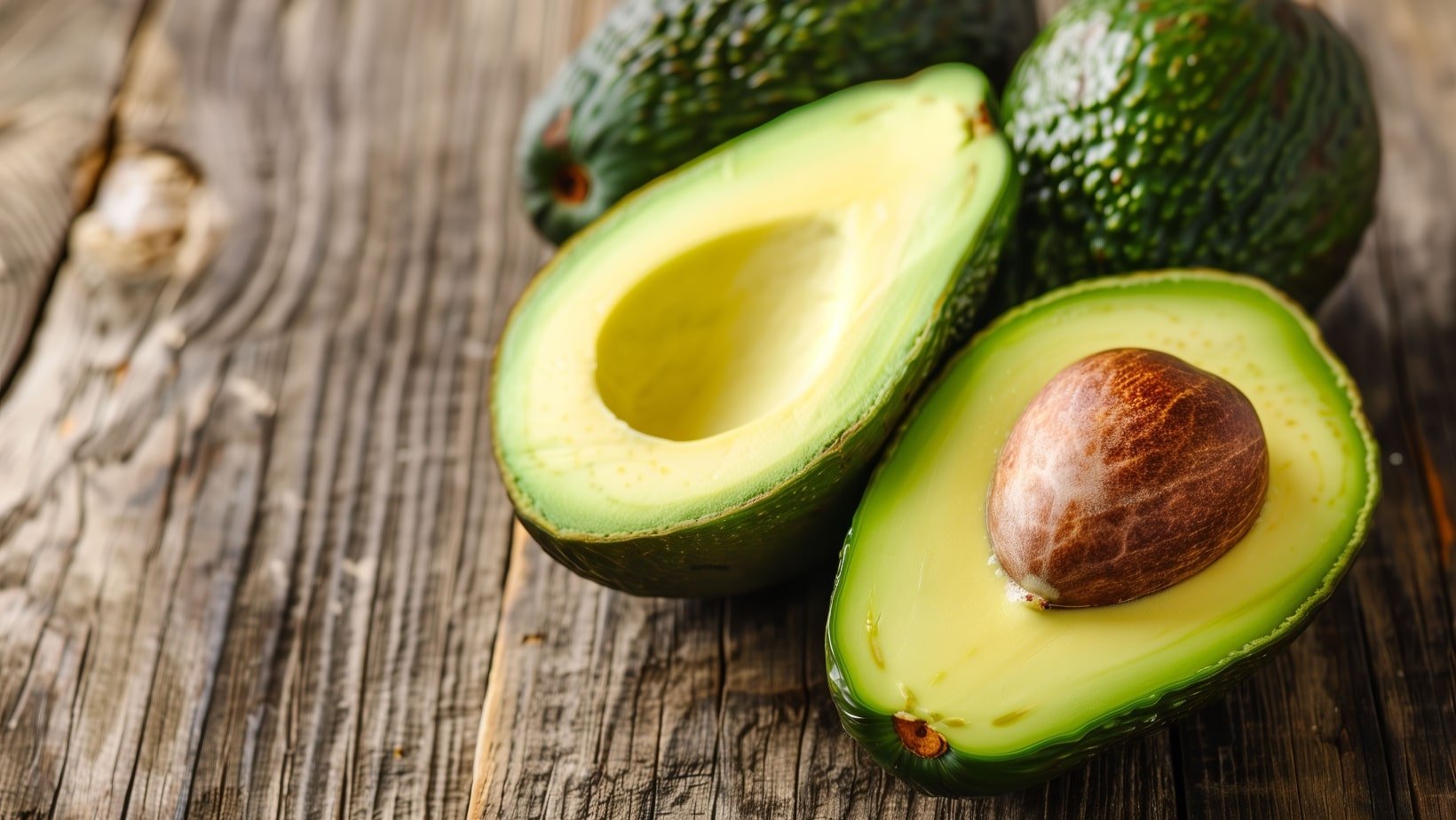
Unripe avocados? Leave them on the counter. Ripe but not ready to eat? Then and only then should you refrigerate them. The cold slows ripening, buying you a day or two. This way, you can say bye to tossing avocados due to poor storage habits.
Cucumbers

Cucumbers get mushy fast in the fridge. Store them on the counter if you’ll eat them within a few days. If you must refrigerate, wrap them in a paper towel and keep them in the crisper drawer to reduce chill damage.
Hot Sauce

Vinegar-based hot sauces, such as Tabasco or Cholula, don’t need to be refrigerated. They’re shelf-stable and safe at room temp for months. The fridge can dull the heat and alter the flavor. Just keep the cap clean and store it in a cool pantry.
Peanut Butter
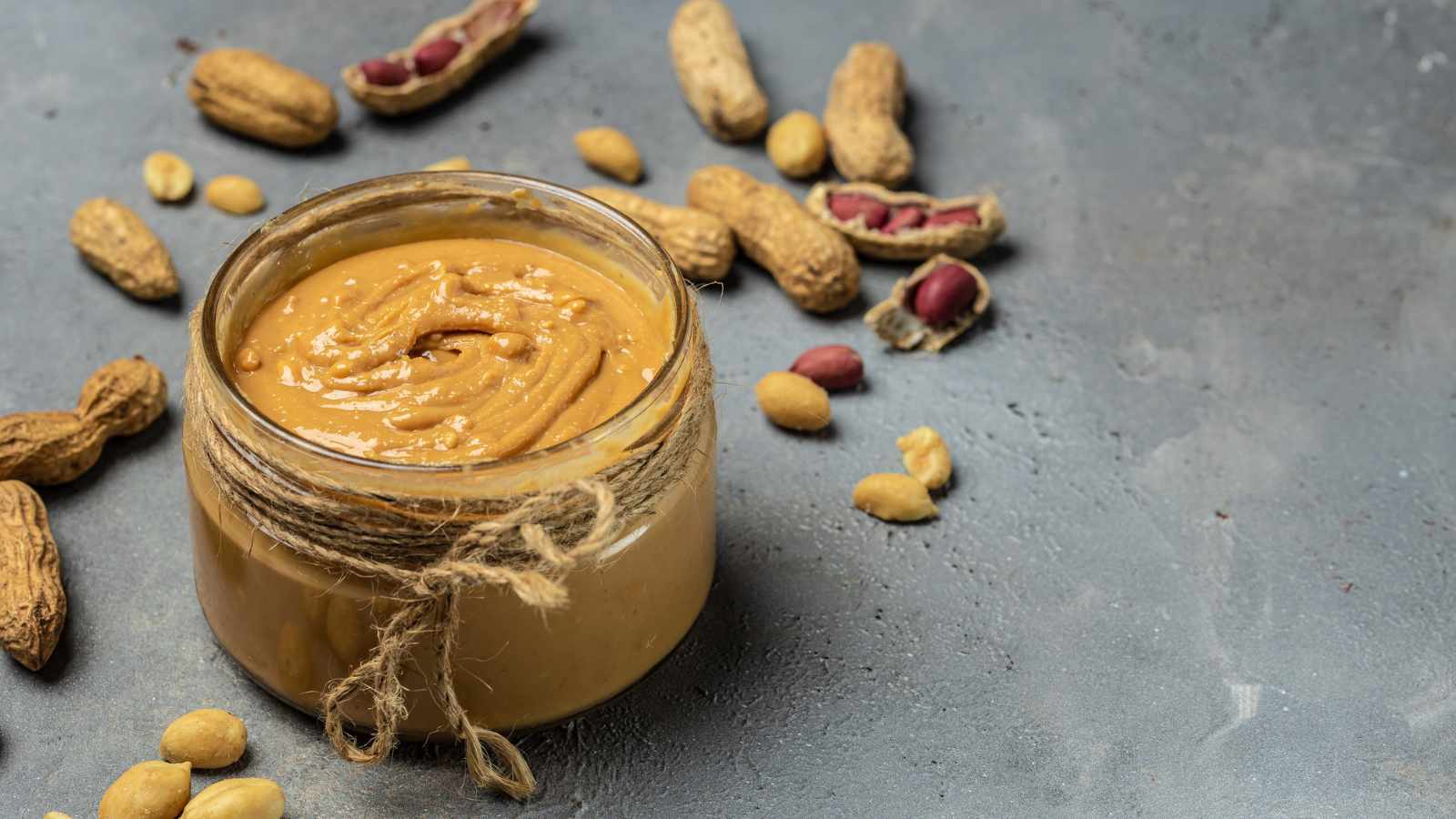
Natural peanut butter separates when cold and becomes a pain to spread. Store it upside down at room temperature for easier stirring and smoother consistency. A study found natural peanut butter maintains flavor and texture better outside the fridge.
Disclaimer – This list is solely the author’s opinion based on research and publicly available information. It is not intended to be professional advice.
How Total Beginners Are Building Wealth Fast in 2025—No Experience Needed

How Total Beginners Are Building Wealth Fast in 2025
I used to think investing was something you did after you were already rich. Like, you needed $10,000 in a suit pocket and a guy named Chad at some fancy firm who knew how to “diversify your portfolio.” Meanwhile, I was just trying to figure out how to stretch $43 to payday.
But a lot has changed. And fast. In 2025, building wealth doesn’t require a finance degree—or even a lot of money. The tools are simpler. The entry points are lower. And believe it or not, total beginners are stacking wins just by starting small and staying consistent.
Click here and let’s break down how.
5 Easy Steps to Change Any Habit

5 Easy Steps to Change Any Habit
We all click on them with the hope that just THIS time the secret to changing a bad habit or adopting a healthy one will be revealed and we’ll finally be able to stick to that diet, stop that one or ten things that might in the moment make us feel temporarily good but really just make us fat, unhealthy, sad, mad or just frustrated with ourselves.





